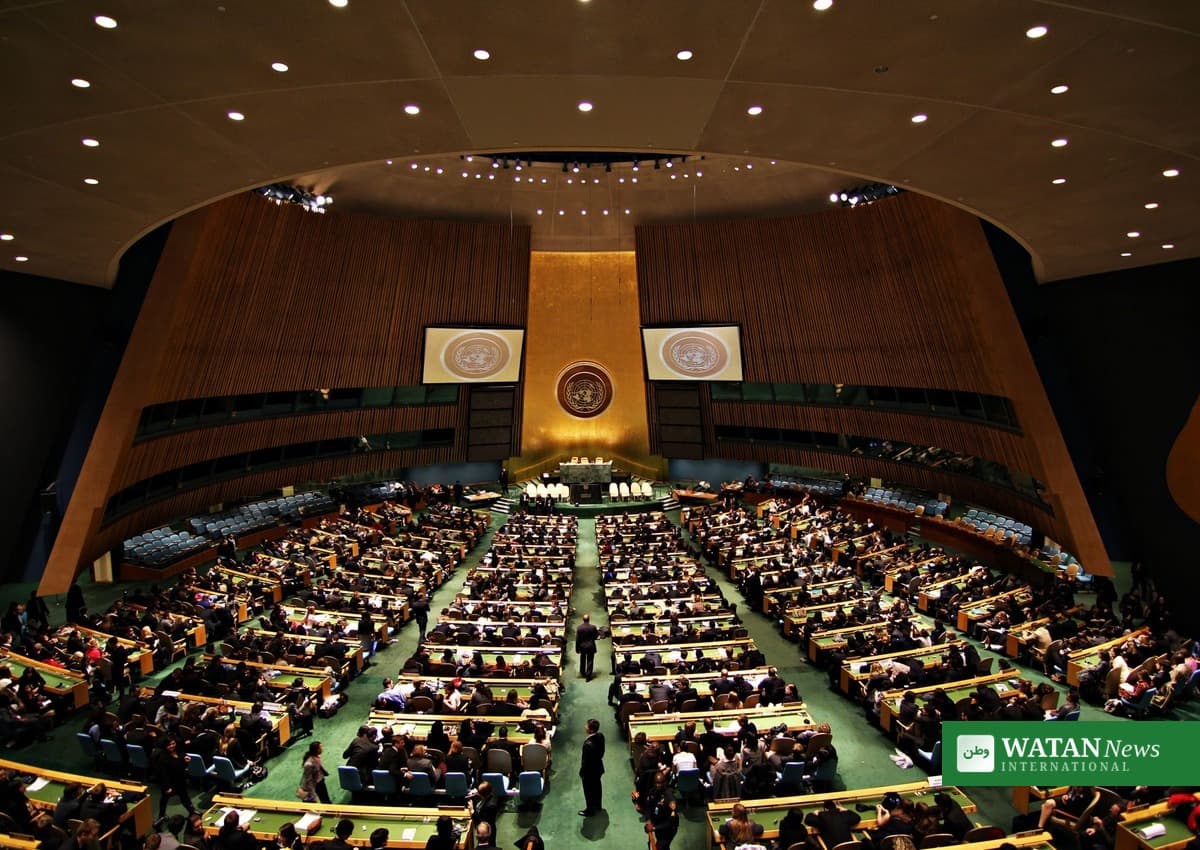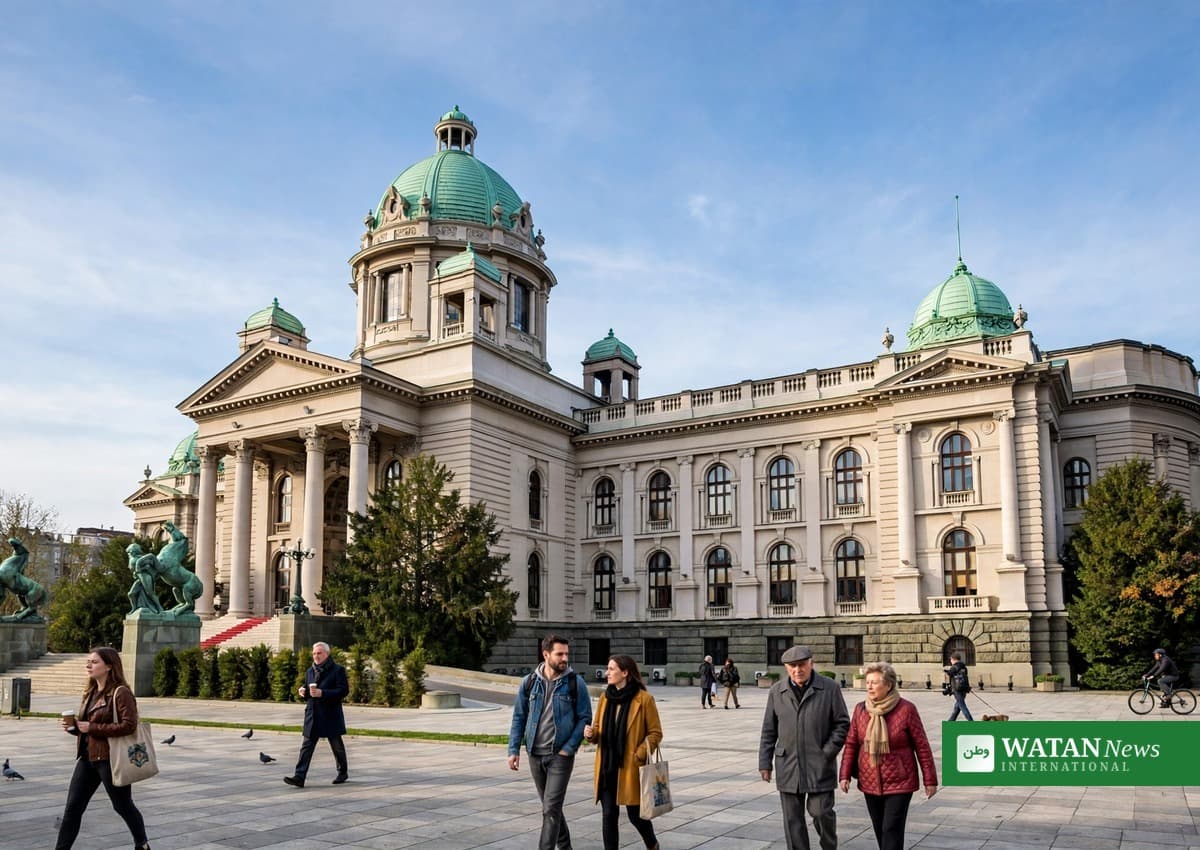
Serbia will hold an early presidential election on Sunday, December 27, 2026. Parliament Speaker Aleksandar Cupic signed the formal decision at noon on Thursday in the National Assembly building in Belgrade, officially starting the race to choose the country’s next head of state.
Cupic urged citizens to take part in the vote. “I call all citizens of Serbia to show responsibility and come out and vote on December 27,” he said after signing the document that sets the election date.
FAKTA
- Election date: Sunday, December 27, 2026
- Called by: Parliament Speaker Aleksandar Cupic
- Former president resigned: September 27, 2026
- Parliamentary election: October 25, 2026
- Signatures needed for candidacy: 10,000 certified voter signatures
- Nomination deadline: 20 days before the election
A vote born of political upheaval
The early election follows months of political upheaval in Serbia. Former President Aleksandar Vucic resigned on September 27, before the end of his term, to run for prime minister in the parliamentary election held on October 25.
That gamble failed. Candidates backed by the student-led protest movement defeated Vucic’s Serbian Progressive Party by a wide margin in the October vote. The movement had built public support through months of demonstrations against alleged corruption, and its parliamentary victory marked a major setback for Vucic’s political ambitions.
After Vucic stepped down, then-Parliament Speaker Ana Brnabic served as acting president. Cupic, who became speaker on November 19, has held the acting presidency since then. He will remain in the role in a caretaker capacity until a new president is elected.
Candidates still to emerge
It is not yet clear who will contest the presidency. The student movement has said it has a candidate but has not yet announced a name, while Vucic has suggested that his party could sit out the election altogether.
Anyone seeking the presidency must collect at least 10,000 certified signatures of support from voters, and nominations must reach the Republic Electoral Commission no later than 20 days before polling day. The commission is expected to publish the full timetable for the election process in the coming days.
Cupic said he hoped voters would face a genuine choice. “I hope we will have a tough choice between top candidates and their programs,” he said. “Building democratic institutions is the task for all of us.”
A largely ceremonial office, but a real test
Serbia’s presidency carries mostly ceremonial responsibilities, with executive authority resting mainly with the prime minister and the government. Even so, the president performs important constitutional duties, including proposing a prime minister-designate after consulting political parties, appointing and dismissing army chiefs, and dissolving parliament following a government request.
The December 27 vote will therefore be closely watched as the next test of Serbia’s changing political landscape. After the student movement’s parliamentary breakthrough, the presidential election will show whether the shift in public mood holds — and who voters trust to lead the country through its next chapter.