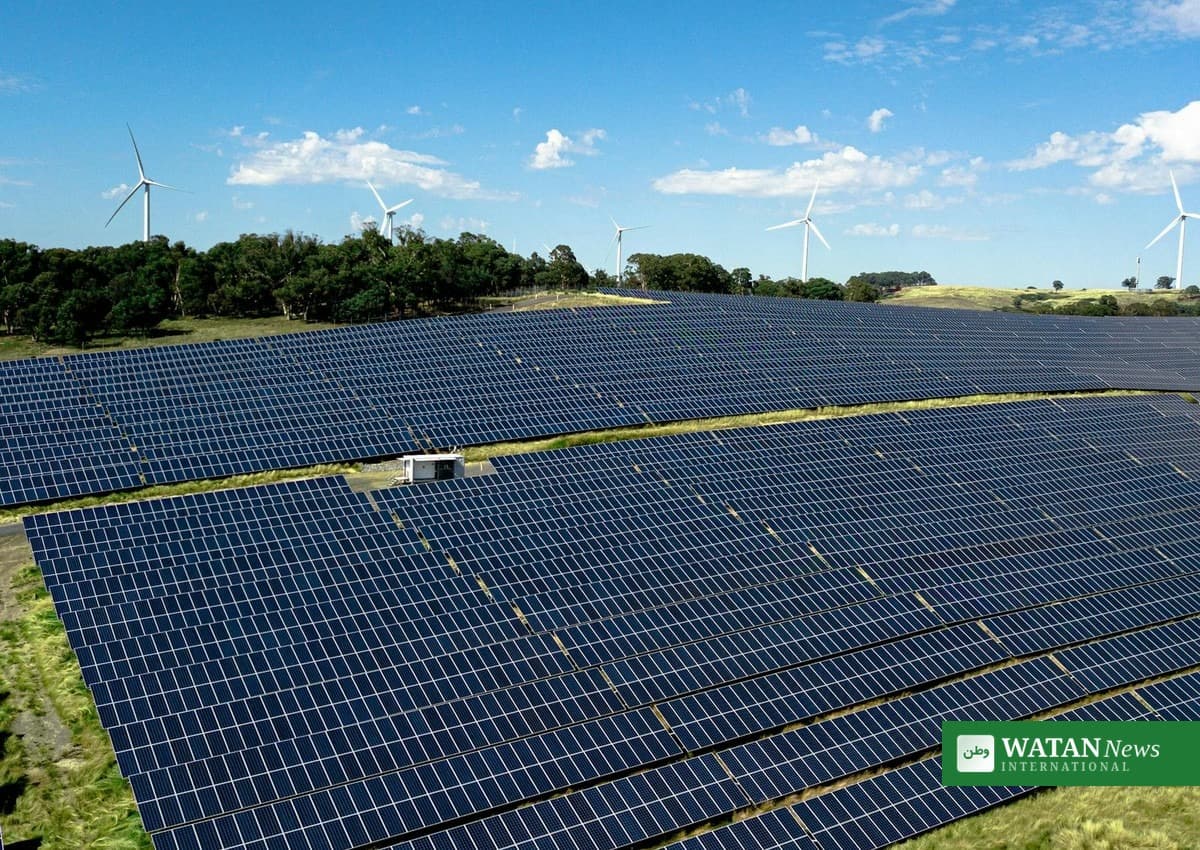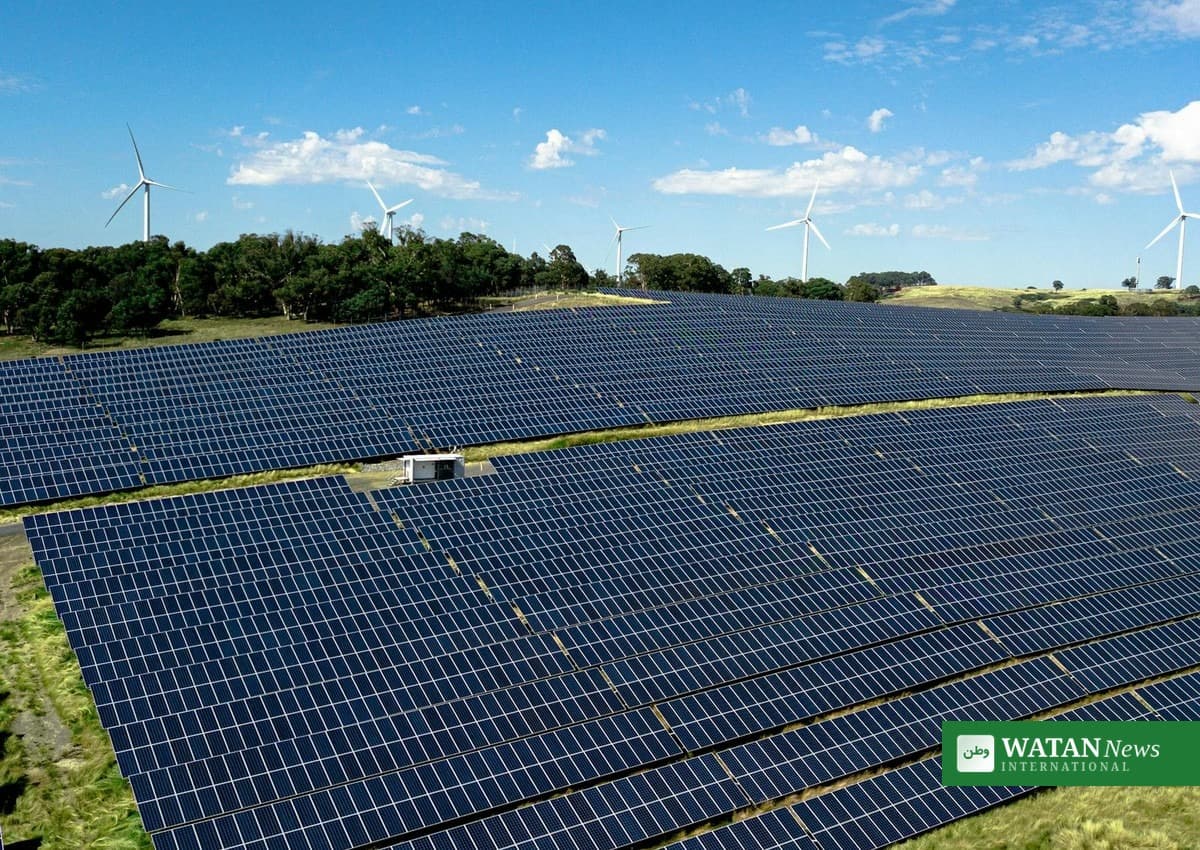
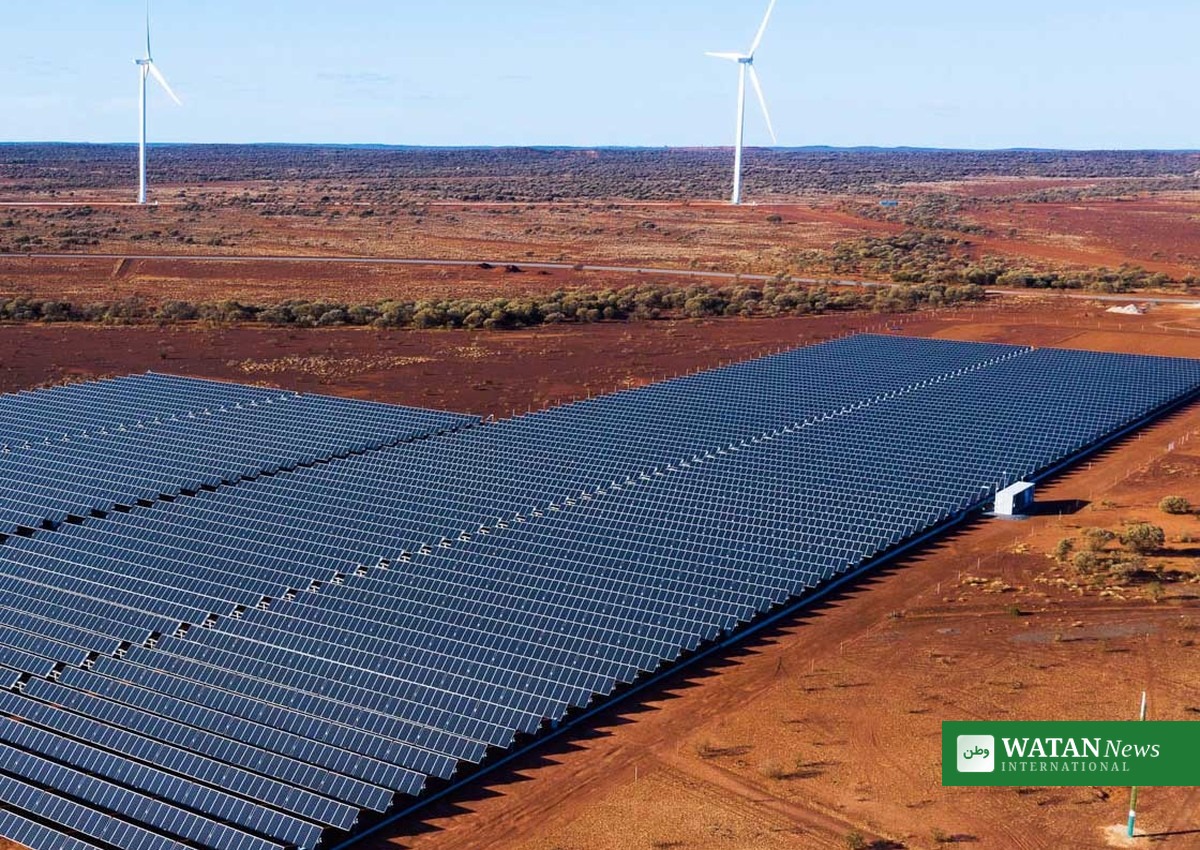
Australia has opened bidding for up to 5 gigawatts of new wind and solar power in the latest round of its Capacity Investment Scheme, the federal government announced on 27 November 2026. The tender, known as CIS Tender 12, covers projects across the National Electricity Market except New South Wales, and it is the first generation tender to make participation in the government’s new Developer Rating Scheme compulsory.
The round also reserves 500 megawatts for projects that commit to at least 5% First Nations equity participation or an equivalent revenue-sharing arrangement, a dedicated First Nations Set Aside. Registrations close on 22 January 2027, bids are due on 5 February 2027, and the successful projects are expected to be named in June 2027.
Key facts
- Tender: Capacity Investment Scheme (CIS) Tender 12, seeking 5 GW of renewable generation across the National Electricity Market (NEM).
- Opened: 27 November 2026; bids close 5 February 2027; registrations close 22 January 2027; winners expected June 2027.
- Excluded: projects in New South Wales, which is covered by the state’s own Roadmap scheme.
- New rule: participation in the Developer Rating Scheme, introduced on 29 October 2026, is now mandatory for bidders.
- First Nations Set Aside: 500 MW for projects committing to at least 5% First Nations equity or equivalent revenue sharing.
- Context: the scheme supports Australia’s target of 82% renewable electricity by 2030.
A tender with new rules
Tender 12 is the first NEM generation tender in which developers must take part in the federal government’s Developer Rating Scheme, launched in October 2026. Developers must begin the assessment process before submitting bids. The government says the scheme is designed to lift standards across the sector, and making it compulsory marks a shift in how Australia supports clean-energy investment.
First Nations participation built in
The tender includes a dedicated First Nations Set Aside of 500 MW — one tenth of the 5 GW target — for projects that commit to at least 5% First Nations equity participation or an equivalent revenue-sharing arrangement. The set-aside pilot was introduced by the Australian government in July 2026, with 500 MW reserved in the earlier Tender 9 generation round.
Why it matters for the 2030 target
The tender opened one day after the government published its latest annual progress report on climate and energy targets, which said the country remained on track for 82% renewable electricity by 2030. The Capacity Investment Scheme, introduced in late 2022 and expanded a year later, underpins that target by removing revenue uncertainty for developers. Assistant Minister for Climate Change and Energy Josh Wilson said: “The CIS is giving investors the confidence to build the new energy Australia needs, strengthening reliability and putting downward pressure on power prices. This next tender will unlock up to 5GW of new renewable generation to help power Australian homes and businesses for decades to come.”
The scheme is approaching the end of its planned tender programme. Once the Tender 12 results are announced, the government will assess whether another generation tender is needed in 2027 to meet the scheme’s capacity goals. Results from the previous generation round, Tender 9, which also sought 5 GW, are expected in early December 2026.
Around the world, governments are using auctions to buy clean power at scale: Ireland’s sixth renewable auction secured clean power for 450,000 homes this week, and India’s Tamil Nadu signed a $880 million deal for 1.1 GW of renewables. Australia’s new tender adds a distinct element — developer standards and First Nations participation written into the rules.