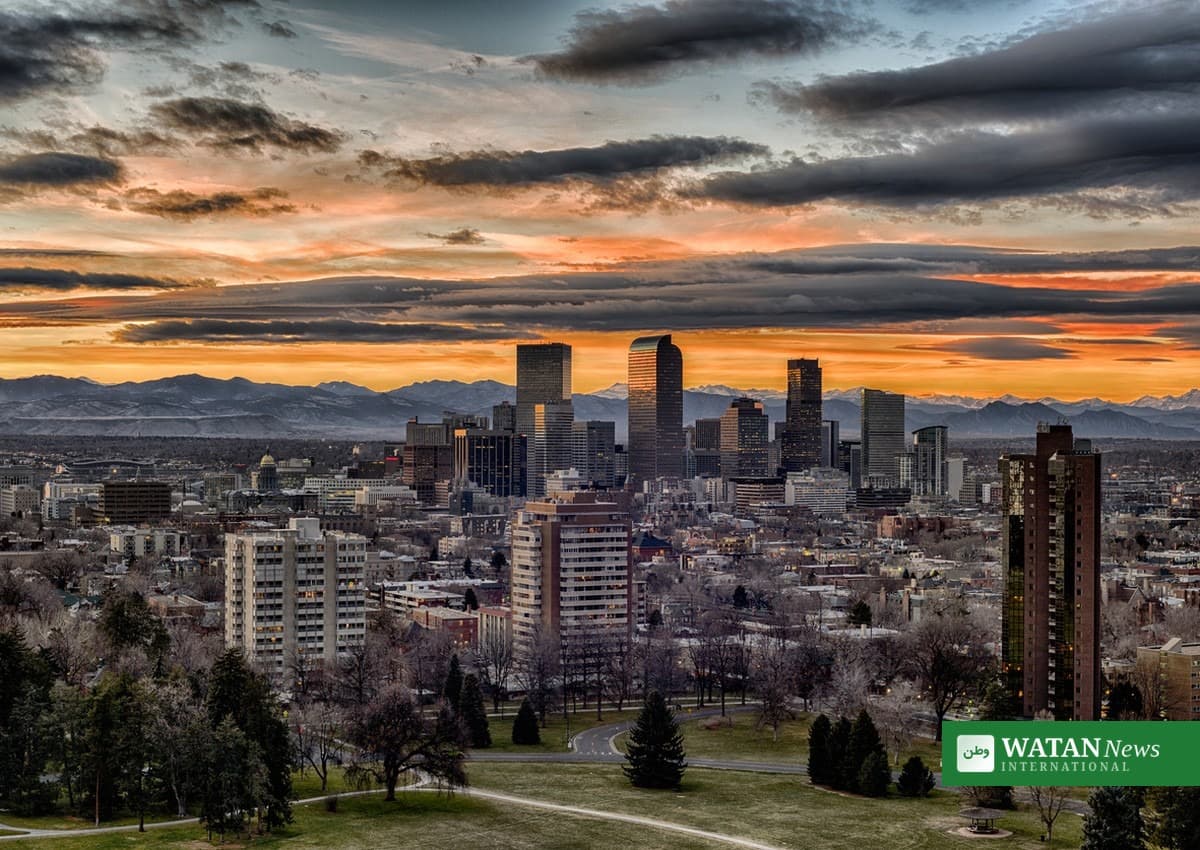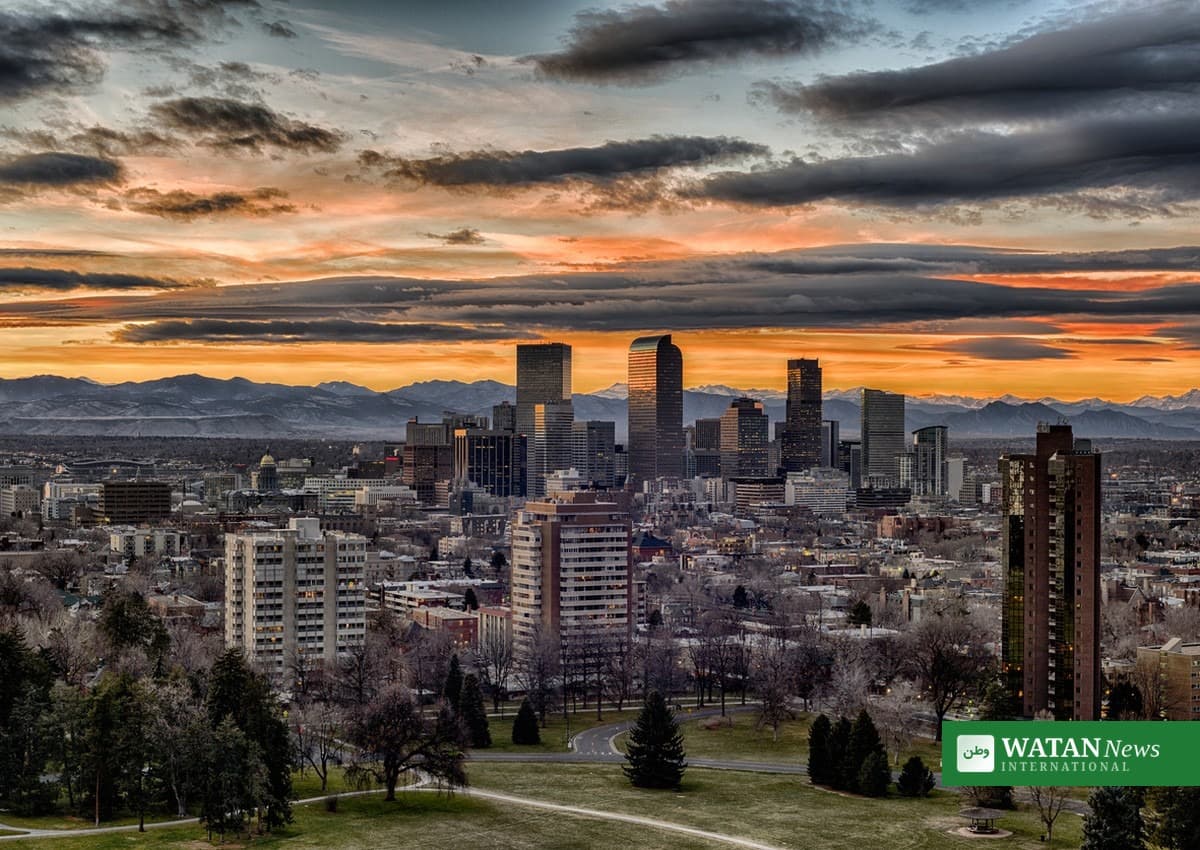
Denver has unveiled a draft five-year climate plan that sets a target of 85% clean electricity by 2032 and promises 5,000 new trees in the neighbourhoods most exposed to extreme heat. The draft 2027–2031 plan, described in a city memo to the City Council and reported on 27 November 2026, also sets new goals for home cooling, cleaner air and lower building emissions.
The plan builds on Denver’s first climate plan, released in 2021, and reports that community-wide emissions have fallen 36% since 2015. It keeps the city’s longer-term goal of eliminating its carbon emissions by 2040.
Key facts
- Draft plan: Denver’s 2027–2031 climate plan, published for public review on 2 December 2026.
- Clean electricity: 85% clean electricity by 2032.
- Trees: 5,000 trees in heat-vulnerable areas, with three years of care and a survival target of at least 85%.
- Homes: cooling units for 1,000 households and cleaner air for 1,600 households in high-vulnerability neighbourhoods by 2032.
- Buildings: all new buildings zero-emissions by 2030; at least 70% of permitted heating-system replacements to use zero-emissions equipment by 2032.
- Long-term goal: eliminate the city’s carbon emissions by 2040.
Cleaner electricity at the centre
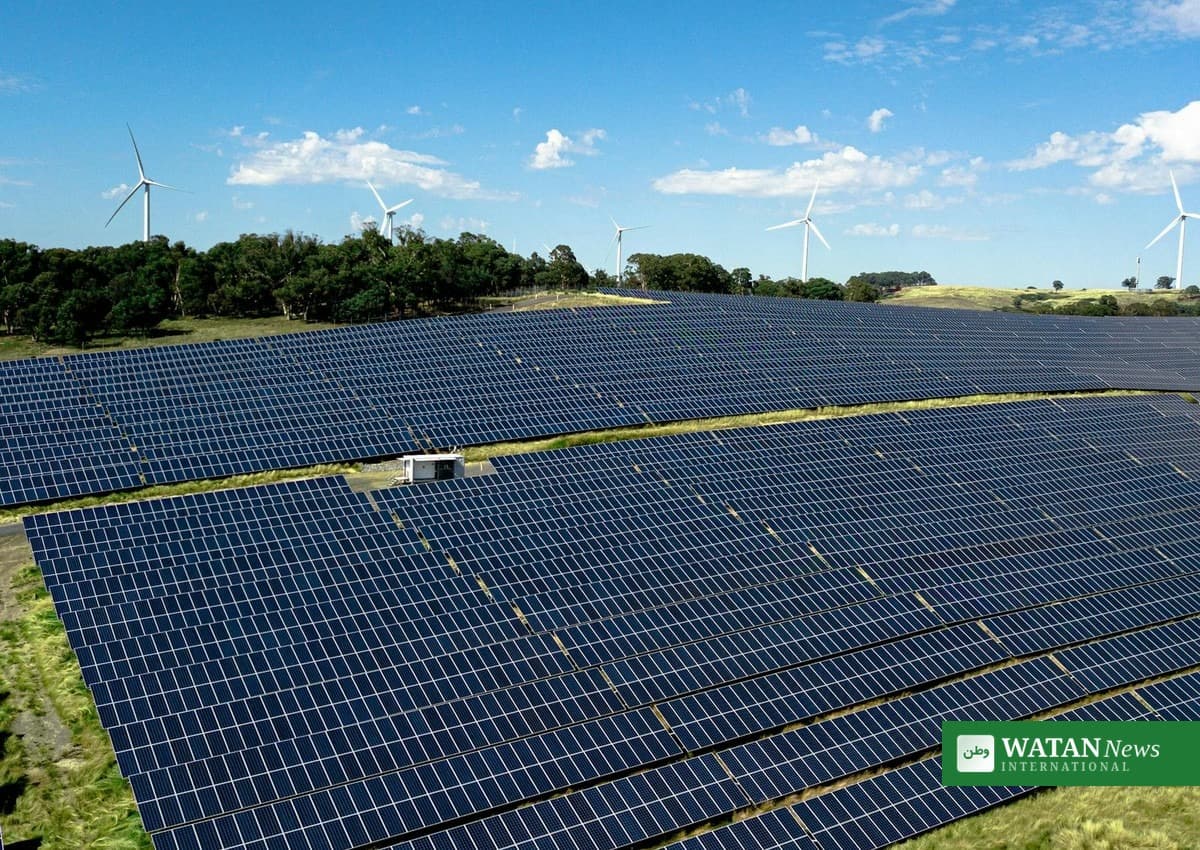
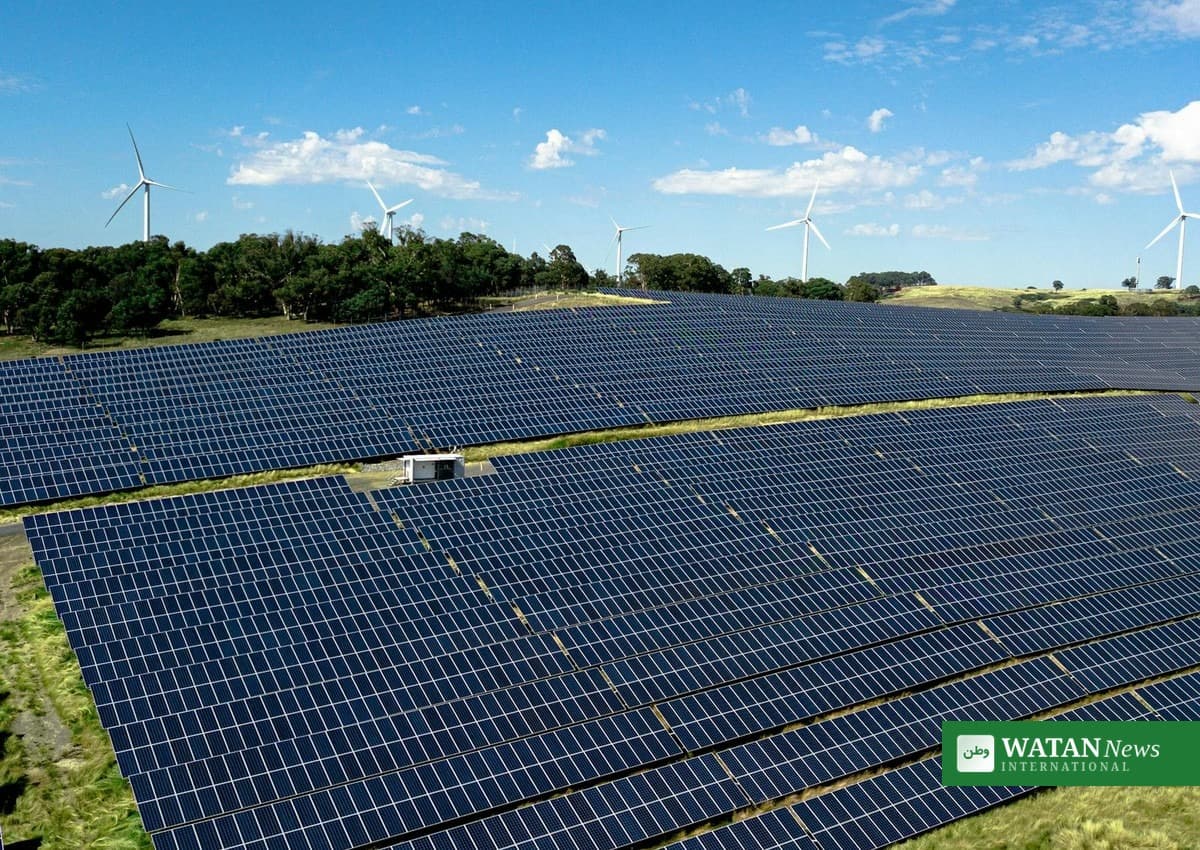
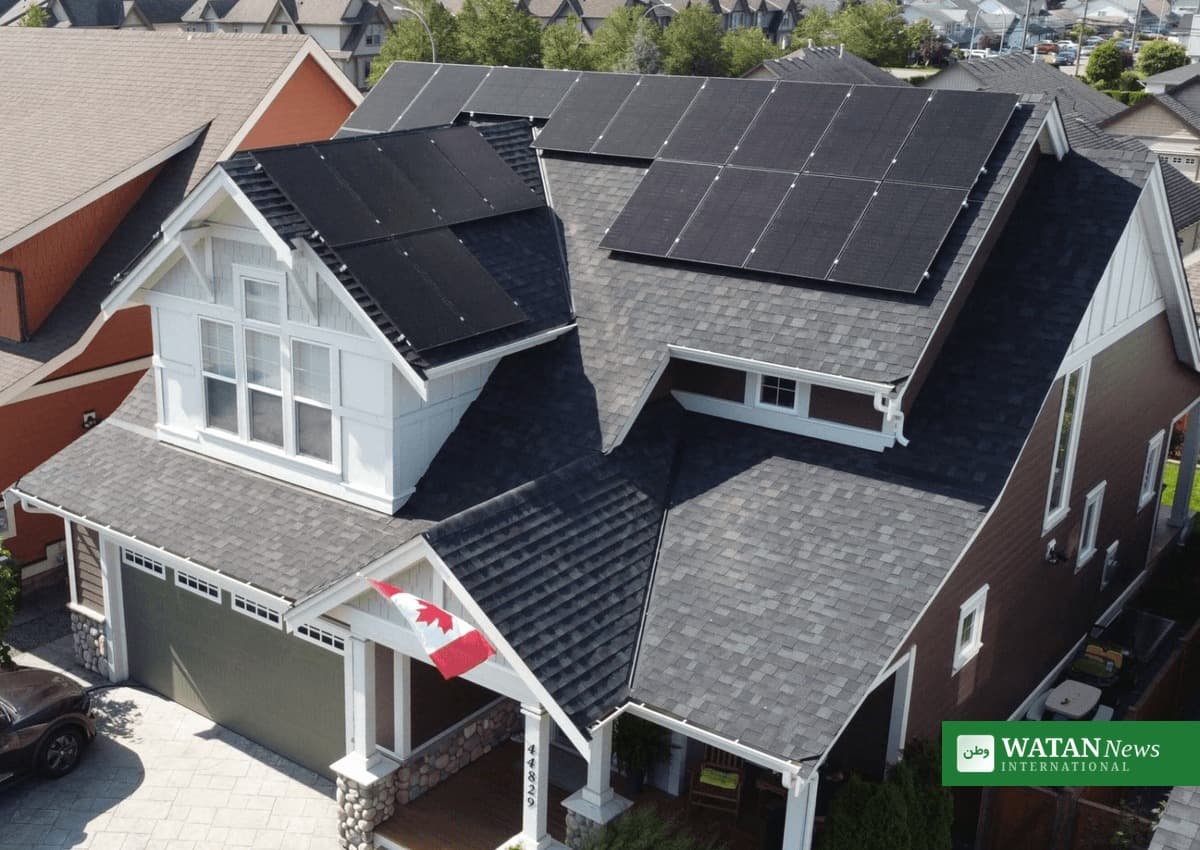
The headline target is 85% clean electricity by 2032. The plan positions cleaner power as the foundation for the rest of its measures: as the grid gets cleaner, electric heating, cooling and transport deliver bigger emission cuts. Denver’s Climate Protection Fund, which the city says averaged $48 million a year in revenue from 2021 through 2025, has funded much of the city’s climate work so far, and the city says 56% of fund spending in that period went to projects intended to benefit its most climate-vulnerable communities. Those are historical figures, and the memo does not identify specific funding allocations for the draft plan’s proposed measures.
5,000 trees where heat hits hardest
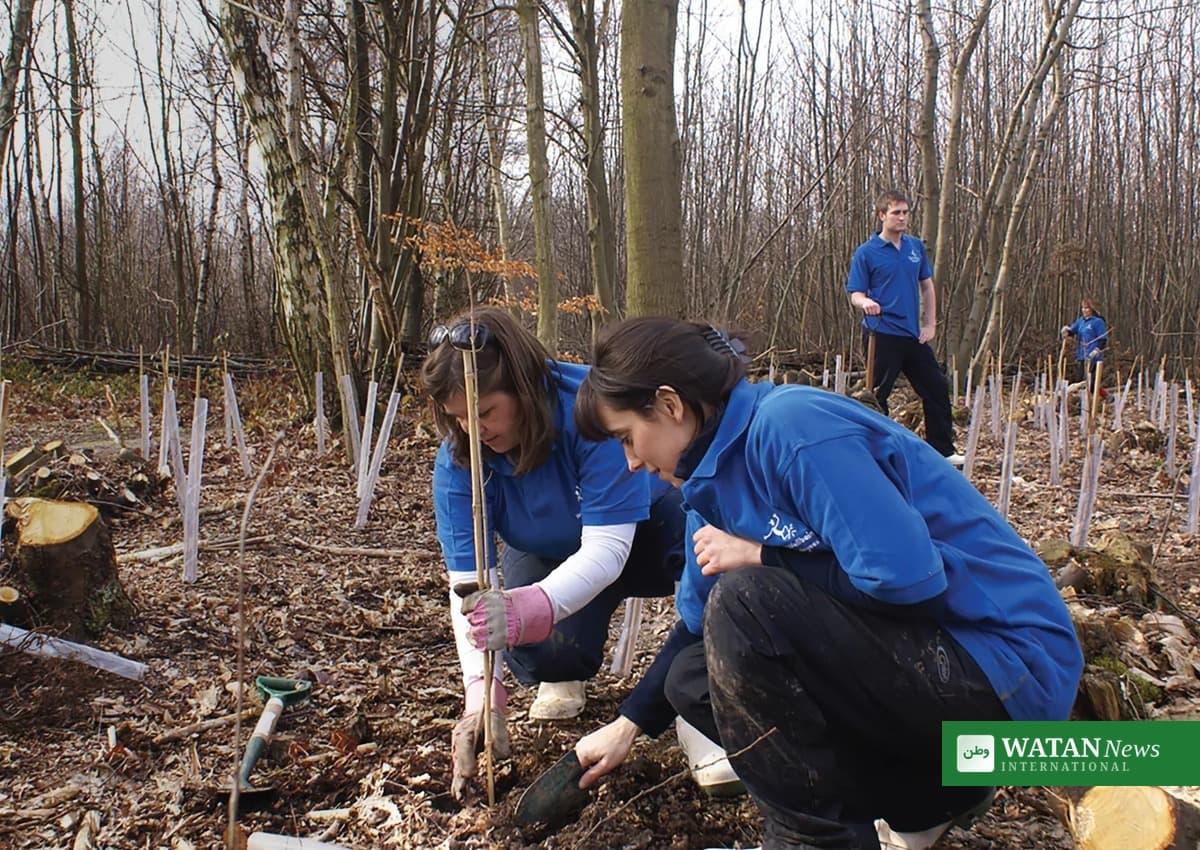
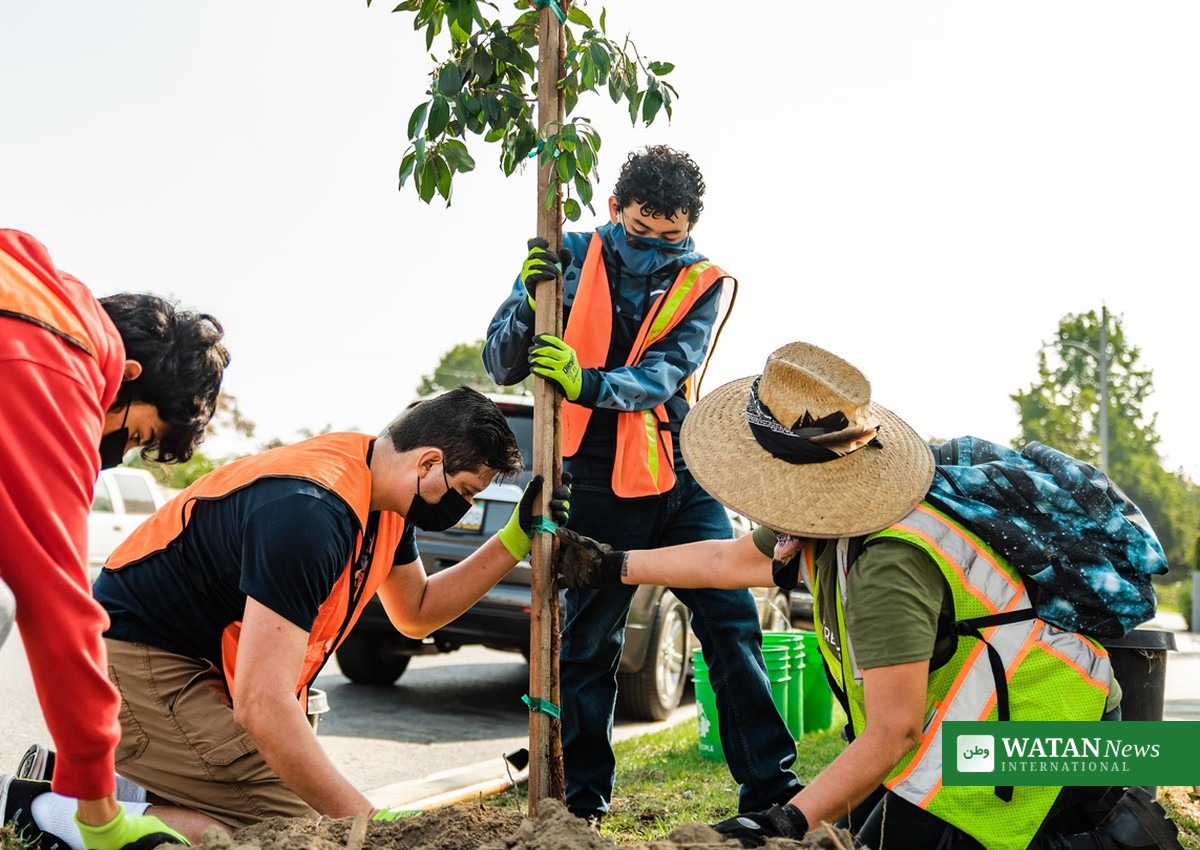
The plan’s most visible promise is planting 5,000 trees in heat-vulnerable areas. The goal includes three years of care for the new trees and a target of at least 85% survival. Trees cool streets, shade homes and cut the need for air conditioning, and the plan directs them to the neighbourhoods where heat risk is highest.
Cooling and cleaner air for vulnerable homes
Extreme heat and poor air quality were among the top concerns residents raised during public engagement, alongside energy affordability. The draft responds with targets to provide cooling units to 1,000 households and access to cleaner air for 1,600 households in high-vulnerability neighbourhoods by 2032. Earlier public engagement drew 3,311 survey responses and 79 participants at four neighbourhood focus groups.
Zero-emissions buildings
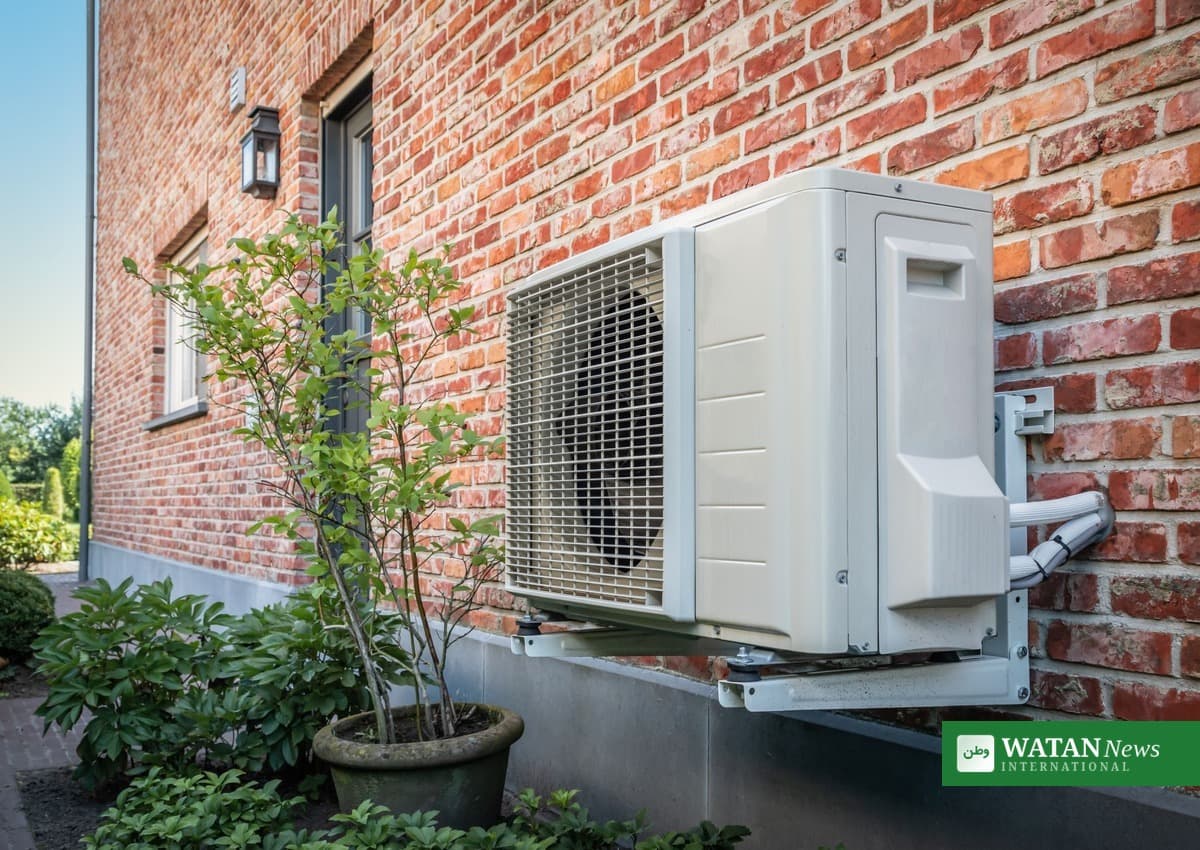
Buildings are a major part of the plan. It calls for all new buildings to be zero-emissions by 2030 and for at least 70% of permitted heating-system replacements to use zero-emissions equipment by 2032, pushing the city’s building stock away from fossil-fuel heating over time.
What happens next
Residents will be able to review the draft and complete an online survey from 2 December 2026 to 8 January 2027, on the city’s Climate Plan page. The plan is scheduled for a presentation to the City Council Transportation and Infrastructure Committee on 2 December. The city plans to share it with the City Council and the Sustainability Advisory Council, incorporate feedback and release a final version in February 2027. The memo says the plan does not go through formal adoption.
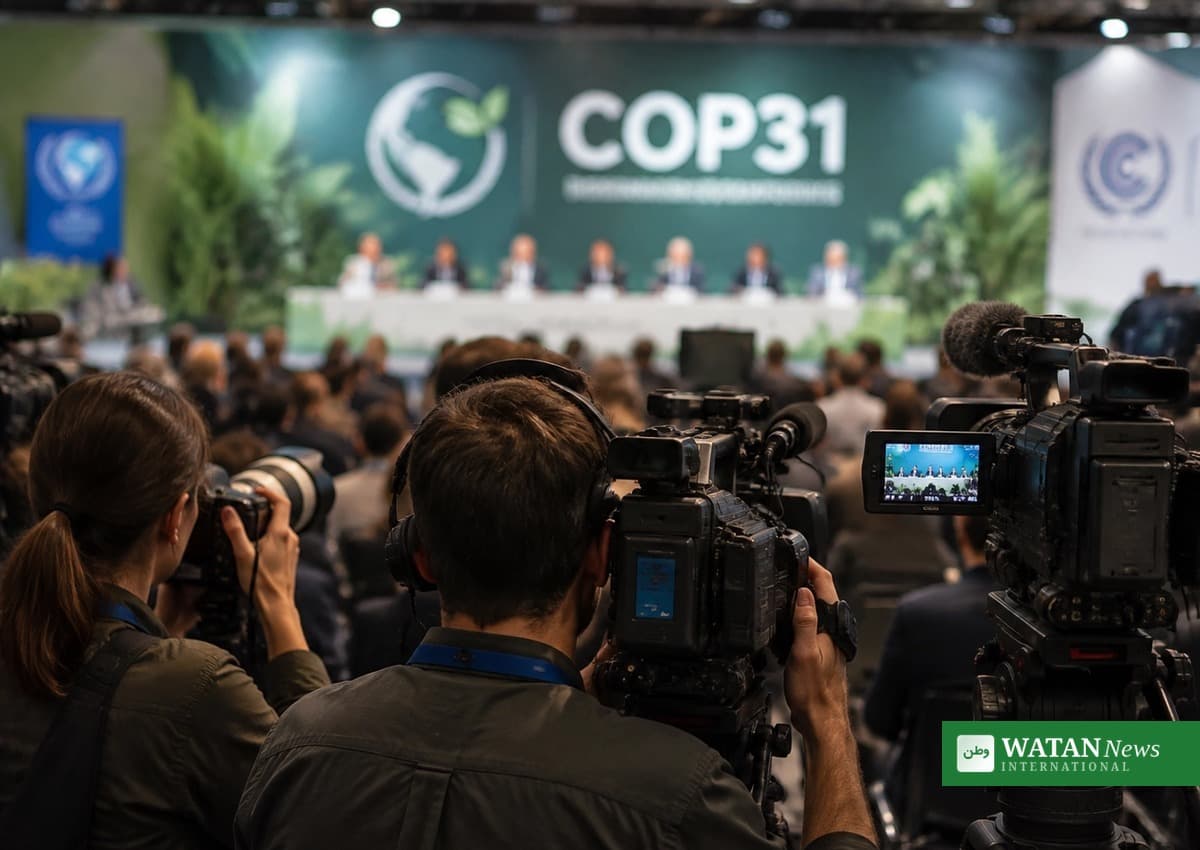
City climate plans have taken on added weight since COP31 closed in Antalya on 22 November 2026 without a final deal. With national negotiations stalled, cities such as Denver are setting their own measurable targets — and, as C40 cities showed this week, reporting on whether they deliver. Helsinki, which approved its own 2026–2029 climate action plan days earlier, is following the same path: coal ended, transport next.