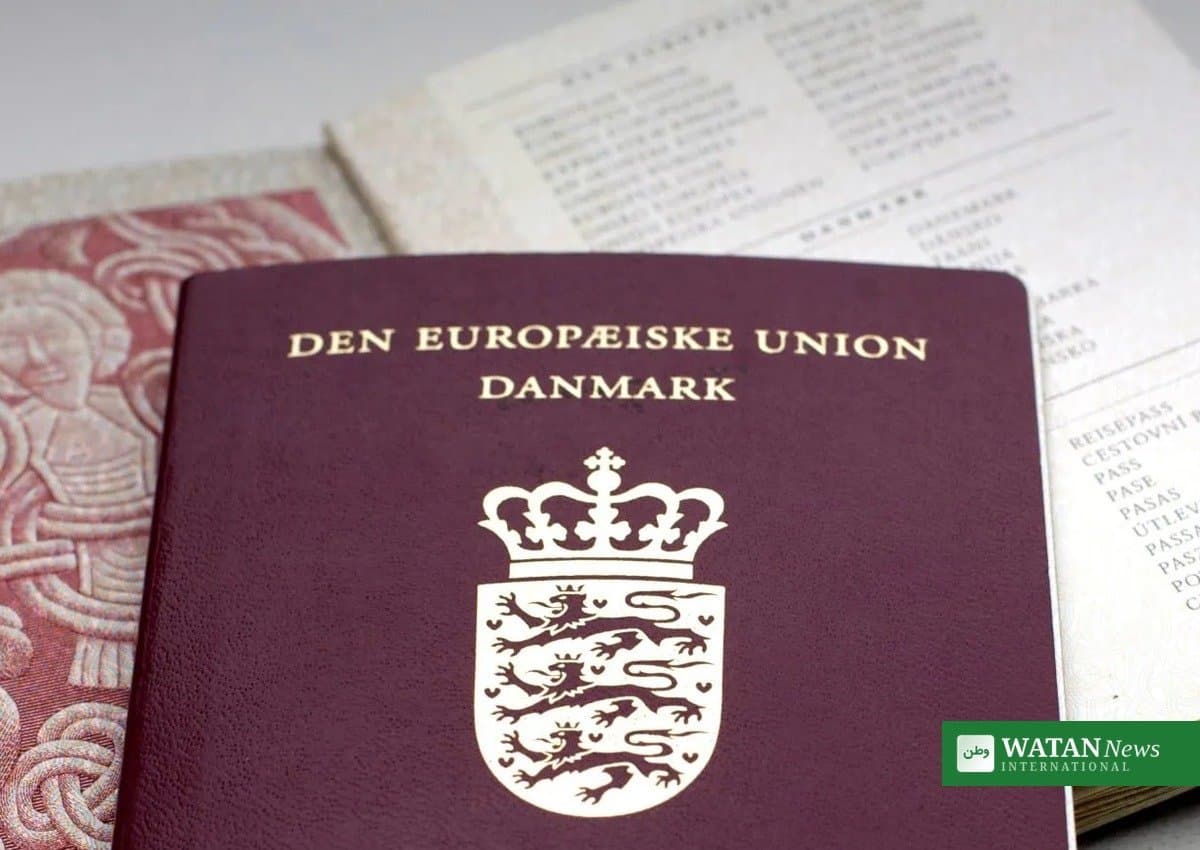
Denmark may be breaching its international obligations if a prolonged pause in citizenship legislation prevents up to 231 stateless children born in the country from obtaining Danish citizenship, legal experts have warned in an investigation by broadcaster DR.
The warning comes as the citizenship law remains stalled while the government considers new screening rules for applicants. Denmark’s legislative freeze has already left the fate of thousands of applicants uncertain, but the cases of children born stateless carry special weight because of Denmark’s obligations under two UN conventions.
What DR’s investigation found
According to documents obtained by DR, 72 stateless children born in Denmark had already met the requirements for citizenship in January and were included in a bill that would have granted it to them. That bill lapsed when the Danish parliamentary election was called.
DR’s investigation found that as many as 231 stateless children born in Denmark could now be affected, including many whose cases have not yet been processed.
Why stateless children have special rights
Denmark is party to both the UN Convention on the Rights of the Child and the 1961 Convention on the Reduction of Statelessness. The Danish Ministry of Immigration and Integration itself states that people born stateless in Denmark are subject to special citizenship rules because of Denmark’s international obligations.
The 1961 Convention requires states to grant nationality to people born on their territory who would otherwise remain stateless, either automatically at birth or through an application procedure subject to only limited conditions.
Eva Ersbøll, senior researcher at the Danish Institute for Human Rights, told DR that continuing to delay the cases could put Denmark in breach of its obligations. Whether a breach has already occurred depends in part on how long the suspension lasts — Denmark could still avoid violating the conventions if the affected children are granted citizenship without a prolonged delay.
Processing is not the same as granting
The legal picture is more complicated than a simple suspension of every case. When the Ministry of Immigration and Integration announced a general pause in naturalisation cases after the election was called, it said applications concerning stateless children born in Denmark would continue to be processed because of Denmark’s international obligations.
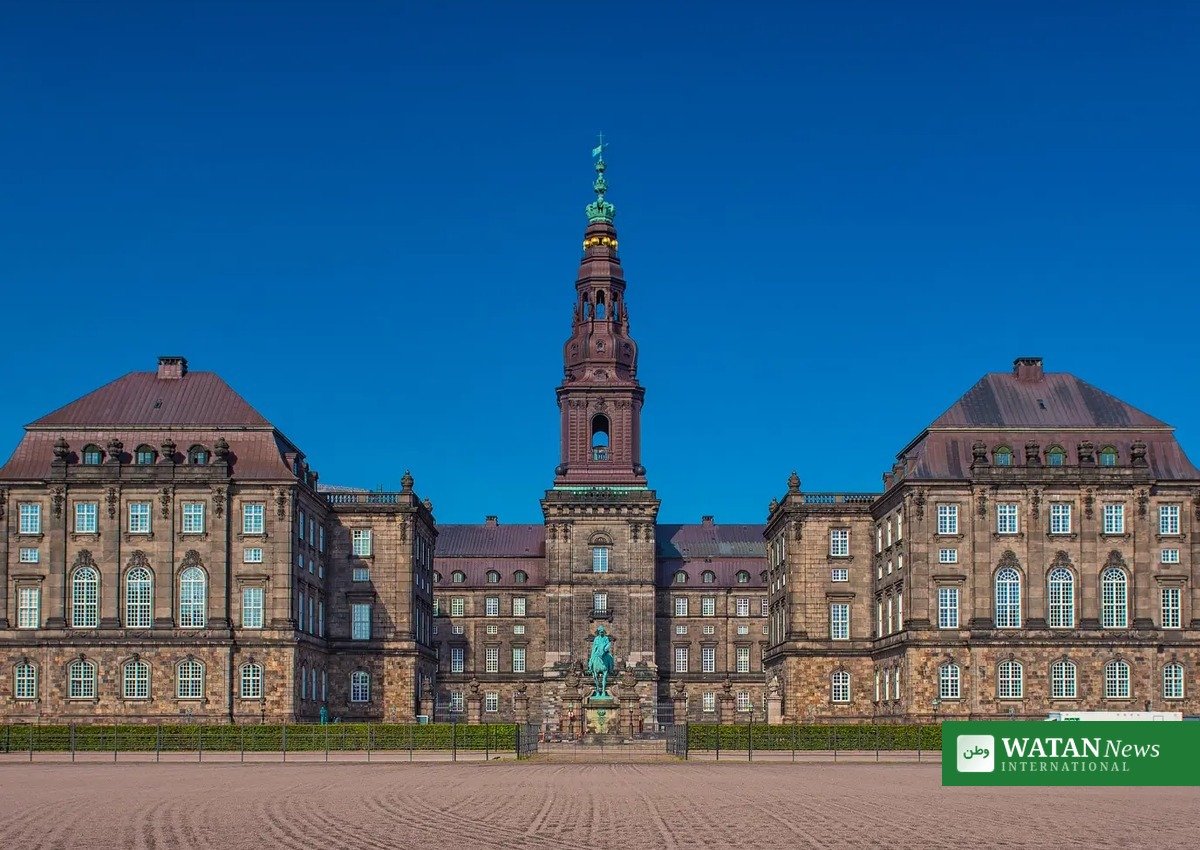
But processing an application is not the same as granting citizenship. Under Section 44 of the Danish Constitution, foreign nationals can normally be naturalised only through legislation passed by the Folketing — and that legislation has not moved.
The delay is connected to a government-appointed expert group examining whether citizenship applicants could be screened for anti-democratic statements and attitudes.
Some children could become adults while waiting
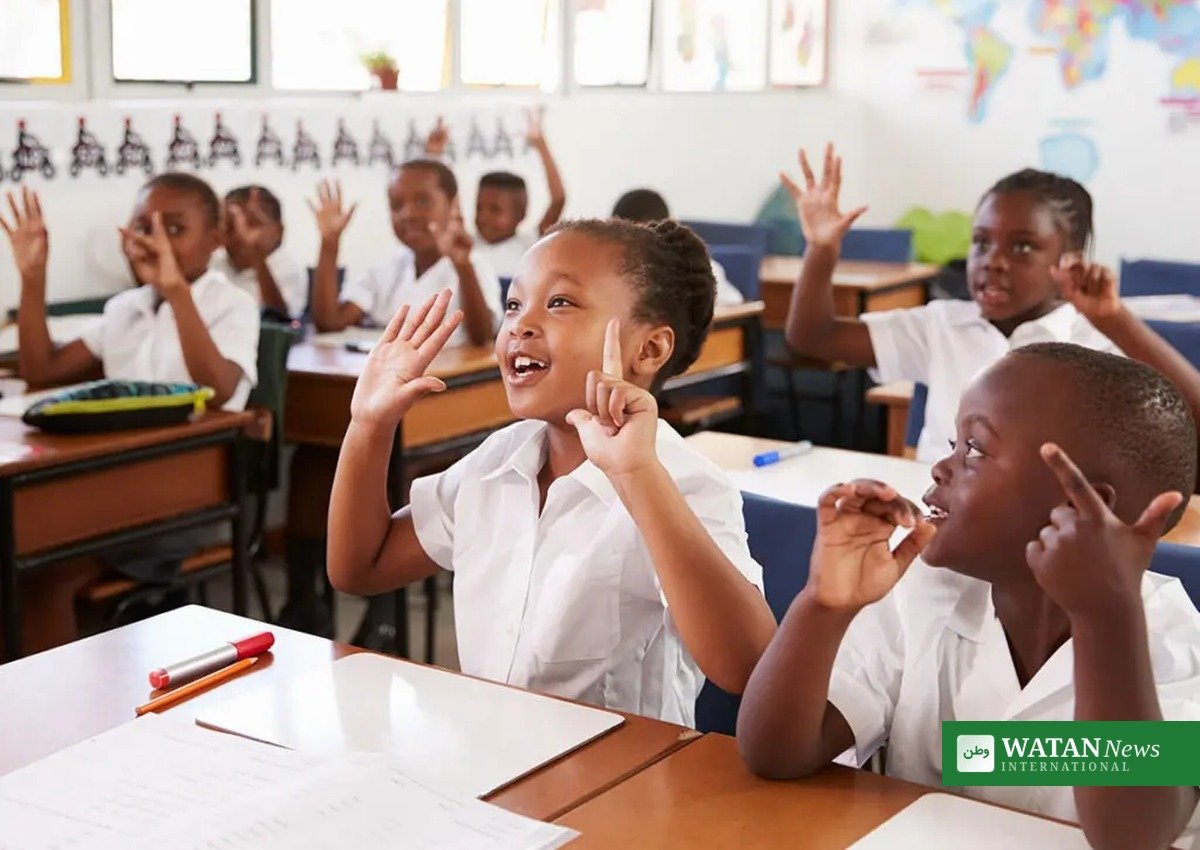
The length of the delay matters because Danish citizenship rules distinguish between stateless applicants according to their age. Children who become adults while waiting could therefore face a different legal framework from the one that applied when their cases were first considered.
Jytte Lindgård, chair of the Danish Association of Immigration Lawyers, told DR that forcing children who had already qualified under the previous rules to undergo a new assessment under stricter rules would, in her view, breach their rights under international conventions on children’s and human rights.
The political opposition has also pressed the government to resolve the cases. The Alternative has argued that Denmark is failing to meet its international obligations, while the Red-Green Alliance has criticised the continued delay. Immigration and Integration Minister Morten Bødskov declined DR’s request for an interview.
What happens next
The government has said the lapsed citizenship bill will be included this week in the list of legislation to be passed during the current parliamentary sitting, and will be resubmitted “in the first half of 2027” once the immigration ministry has reviewed the cases of each of the 2,055 people on the list to ensure they still qualify. An immigration ministry spokesperson has told The Local that a small number of stateless children might also be added to the bill.
Denmark has faced a statelessness case before. Between 1991 and 2010, stateless people born in Denmark were denied citizenship in cases that were contrary to Denmark’s international obligations. The official Statelessness Commission later concluded that two civil servants had committed misconduct serious enough for them to be held accountable.
FAKTA: Denmark’s stateless children and the citizenship freeze
- Up to 231 stateless children born in Denmark could be affected by the citizenship legislation freeze, according to DR’s investigation.
- 72 stateless children had already qualified in January and were included in a bill that lapsed when the election was called.
- Denmark is party to the UN Convention on the Rights of the Child and the 1961 Convention on the Reduction of Statelessness.
- Under Section 44 of the Constitution, naturalisation requires legislation passed by the Folketing.
- The government plans to resubmit the citizenship bill in the first half of 2027 after reviewing all 2,055 people on the list.
- Children who turn 18 while waiting could face a different, stricter legal framework.
Conclusion
The stateless children cases sit at the intersection of Denmark’s strict immigration politics and its binding international commitments. Legal experts say the government still has a window to avoid breaching the conventions — but only if the affected children are granted citizenship without a prolonged delay. With the bill not expected back before the first half of 2027, that window is narrowing.