LIVE
BREAKING
Shell Signs Exclusive Deal for 150,000 Tonnes a Year of SAF From Planned Morocco PlantSpain’s Transport Minister Óscar Puente Resigns After Deadly Urda Train CrashPlanting Trees Can Raise Wildfire Risk, Global Study Warns — Location MattersWestern Australia Passes 5.73 Billion Containers Returned in Six YearsIndia Sets Out COP31 Priorities: Predictable Climate Finance, Not New Top-Down TargetsWorld Court to Rule in Rohingya Genocide Case on 19 NovemberUS Midterm Elections 2026: Americans Vote as Control of Congress Hangs in the BalanceAt Least 33 Killed as Strike Hits Ukraine Aid Centre in Komyshuvakha, UN Monitors Say Attack Likely Broke International LawMarvell Agrees $115 Billion Deal to Buy Lumentum in Major Bet on AI Data CentresMarathon Sells Two Refineries to CVR Energy in $4.2 Billion Deal as Refining Margins StrengthenBomb Threats Disrupt Flights Across Europe as Aircraft Are Searched and DivertedAustralia Raises Interest Rate to 4.85% in Fifth Hike of 2026 as Inflation Stays HighTrump Says US Will Stop $4 Billion Annual Aid to Israel by End of YearBomb Threats Disrupt Flights Across Europe, Forcing Diversions and SearchesClimate Media Awards 2026 Open Entries for African Food and Farming StoriesEnfield Trials Recycled Caddies in 1,000 Homes to Boost Food Waste RecyclingAt Least Eight Security Personnel Killed in Zamfara Police AmbushSwedish Lawmakers Reject Second Bid to End Government DeadlockTenerife Striker Jesus de Miguel Dies Aged 30 After On-Pitch CollisionClashes Near Kyiv After Reports of Soldiers Held at Recruitment HouseShell Signs Exclusive Deal for 150,000 Tonnes a Year of SAF From Planned Morocco PlantSpain’s Transport Minister Óscar Puente Resigns After Deadly Urda Train CrashPlanting Trees Can Raise Wildfire Risk, Global Study Warns — Location MattersWestern Australia Passes 5.73 Billion Containers Returned in Six YearsIndia Sets Out COP31 Priorities: Predictable Climate Finance, Not New Top-Down TargetsWorld Court to Rule in Rohingya Genocide Case on 19 NovemberUS Midterm Elections 2026: Americans Vote as Control of Congress Hangs in the BalanceAt Least 33 Killed as Strike Hits Ukraine Aid Centre in Komyshuvakha, UN Monitors Say Attack Likely Broke International LawMarvell Agrees $115 Billion Deal to Buy Lumentum in Major Bet on AI Data CentresMarathon Sells Two Refineries to CVR Energy in $4.2 Billion Deal as Refining Margins StrengthenBomb Threats Disrupt Flights Across Europe as Aircraft Are Searched and DivertedAustralia Raises Interest Rate to 4.85% in Fifth Hike of 2026 as Inflation Stays HighTrump Says US Will Stop $4 Billion Annual Aid to Israel by End of YearBomb Threats Disrupt Flights Across Europe, Forcing Diversions and SearchesClimate Media Awards 2026 Open Entries for African Food and Farming StoriesEnfield Trials Recycled Caddies in 1,000 Homes to Boost Food Waste RecyclingAt Least Eight Security Personnel Killed in Zamfara Police AmbushSwedish Lawmakers Reject Second Bid to End Government DeadlockTenerife Striker Jesus de Miguel Dies Aged 30 After On-Pitch CollisionClashes Near Kyiv After Reports of Soldiers Held at Recruitment House
Climate

New $500 Journalism Prize Honors Reporting Linking Population Change to Planetary Health

News Desk 6Published October 5, 2026
New $500 Journalism Prize Honors Reporting Linking Population Change to Planetary Health
Share this story

A new international planetary health journalism prize is calling on journalists to report one of the least-covered intersections in climate coverage: how demographic change shapes the health of the planet — and vice versa. The Demographics & Planetary Health Story Prize 2026, hosted by Johns Hopkins University institutions, will award $500 in each of two categories, with entries closing on 9 October 2026 — just days away.

What the prize honors

The contest is designed to recognize original published journalism that connects demographic change to planetary health — through population dynamics, migration, reproductive health, climate, or the economic and geopolitical forces tying them together. It is hosted by the Johns Hopkins Institute for Planetary Health and the Planetary Health Alliance, together with the Hopkins Population Center and the William H. Gates Sr. Institute for Population and Reproductive Health, according to the opportunity listings publishing the call.

Eligible entries include stories on population trends and their environmental consequences, migration driven by climate or resource pressure, reproductive health access in a changing environment, and solutions or innovations addressing forced migration. The work must have been published in 2026, and submissions from NGO or organizational blogs are not eligible.

Two categories, $500 each

Awards of $500 will go to one winner in each category: the traditional print, podcast, digital news and newsletters track for journalists and reporters, and a social media, blogs and video track for content creators engaging audiences on social and self-driven platforms. The prize is open to journalists, freelancers, community reporters and student journalists worldwide.

Winners will be announced on 22 October 2026 at the Demographics & Planetary Health Convening in Washington, D.C., a gathering of about 150 researchers, funders, practitioners and media professionals to discuss how population growth, decline, aging and urbanization intersect with environmental futures. Strong entries that do not win will also be curated for planetary-health and demography audiences.

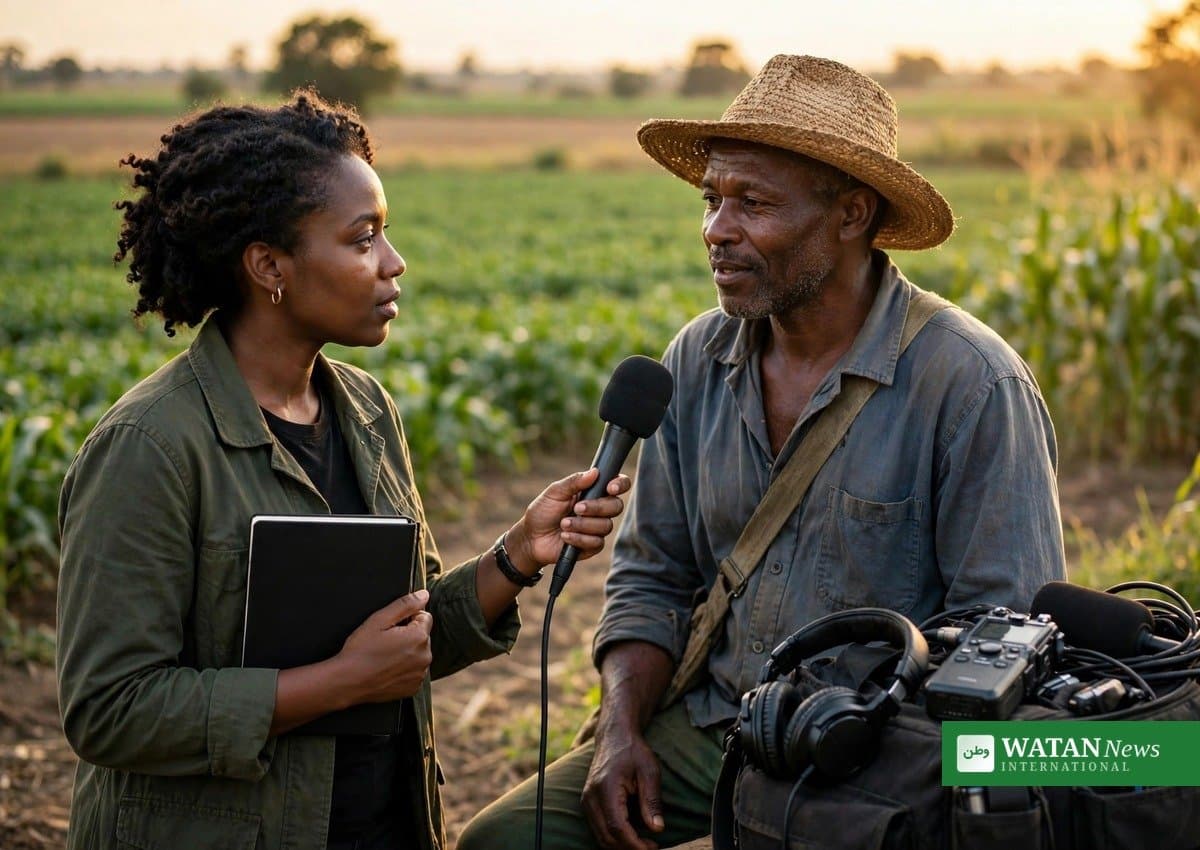
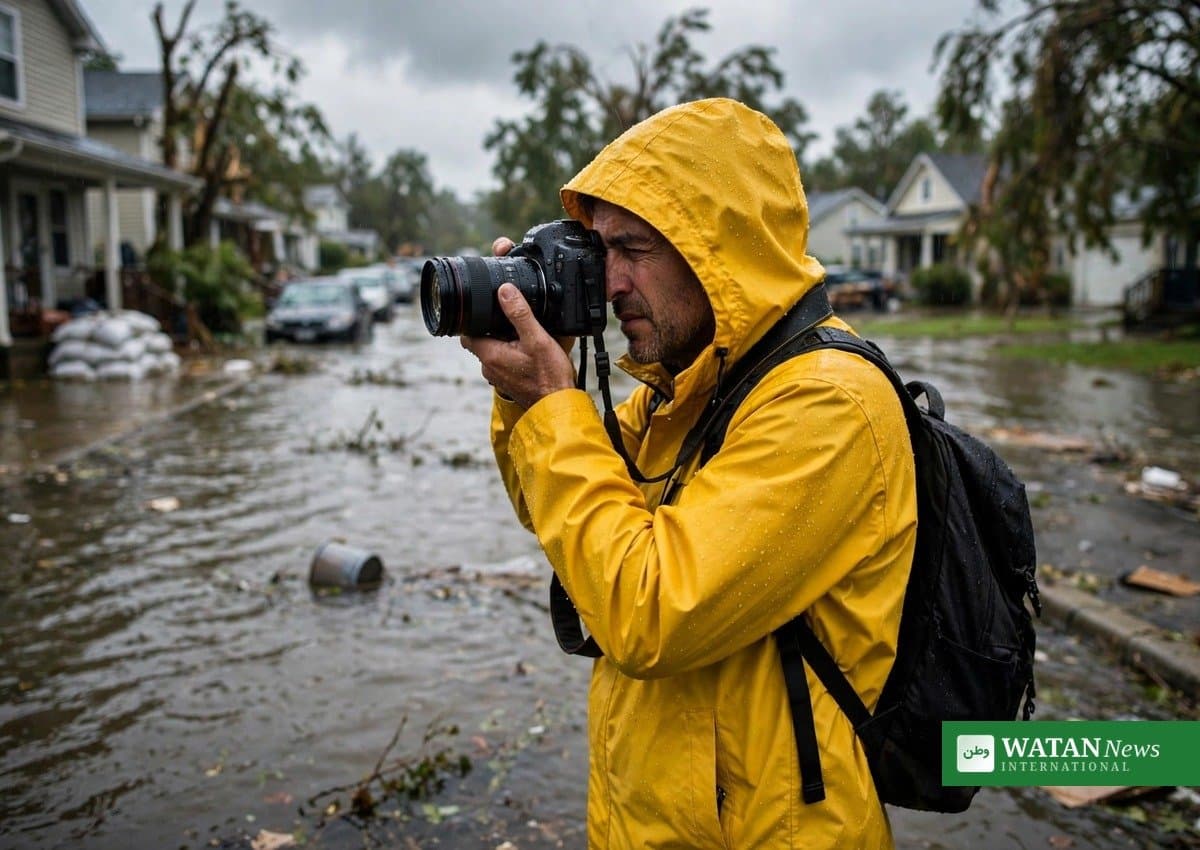
Journalist with camera and notebook in front of a glowing green Earth, illustrating planetary health journalism
A journalist at work — the new Johns Hopkins story prize rewards reporting that makes the link between demographic change and planetary health clear to a general audience.

Key Facts

  • Prize: Demographics & Planetary Health Story Prize 2026
  • Hosts: Johns Hopkins Institute for Planetary Health, Planetary Health Alliance, Hopkins Population Center, William H. Gates Sr. Institute for Population and Reproductive Health
  • Awards: $500 in each of two categories — print/podcast/digital news, and social media/blogs/video
  • Eligibility: journalists, freelancers, community reporters and student journalists; work published in 2026
  • Deadline: 9 October 2026
  • Winners announced: 22 October 2026, Washington, D.C.

Why this planetary health journalism prize matters

The intersection of demographics and planetary health gets little mainstream coverage, even though it sits beneath some of the biggest climate stories of the decade — from climate-driven displacement to the health impacts of urbanization and resource pressure. The prize explicitly rewards reporting that reaches outside specialist audiences, pushing journalists to make these links legible to the public.

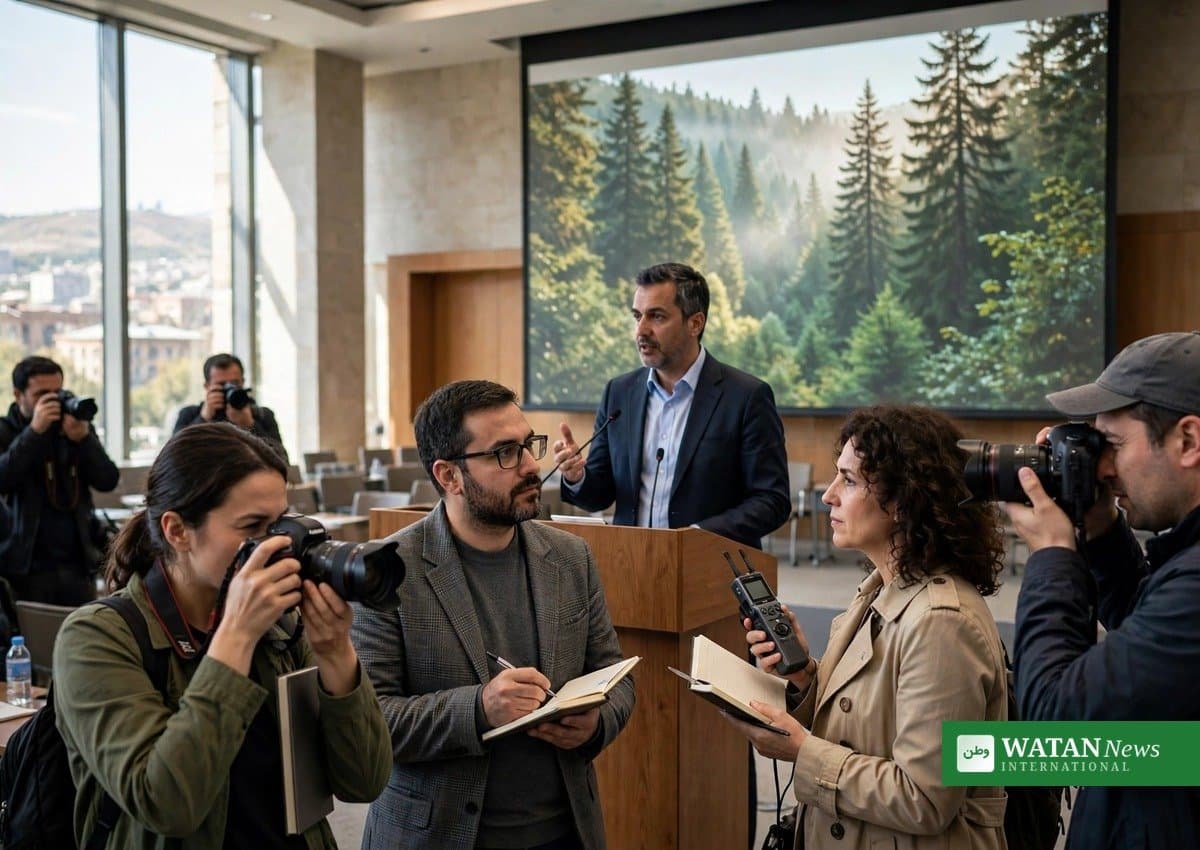
Journalists with microphones and laptops at an international climate and health conference press session
Journalists at an international climate conference — the prize takes a wider lens than typical sector awards, seeking stories that engage general audiences.

It comes at a moment of momentum for climate journalism recognition: the Covering Climate Now Journalism Awards recently named 49 winners for 2026, and fellowship programs continue to bring reporters from the Global South to climate summits including COP31. Read Watan News coverage of the 2026 Covering Climate Now awards here.

For journalists and newsrooms, the message is simple: the climate story is also a people story — and the best reporting on it is now worth a prize.

Related Stories

Planet & environment

Climate & Sustainability

News, stories and solutions driving change towards a greener and more sustainable planet for future generations.

Shell Signs Exclusive Deal for 150,000 Tonnes a Year of SAF From Planned Morocco Plant
Featured story

Shell Signs Exclusive Deal for 150,000 Tonnes a Year of SAF From Planned Morocco Plant

Shell will exclusively buy about 150,000 tonnes a year of sustainable aviation fuel from Green Sky Manara's planned Port Nador plant in Morocco, scheduled to start up in October 2028.

Read full story

GREEN JOURNALISM

Every Action Counts

Small steps today, big impact tomorrow.

Explore more stories