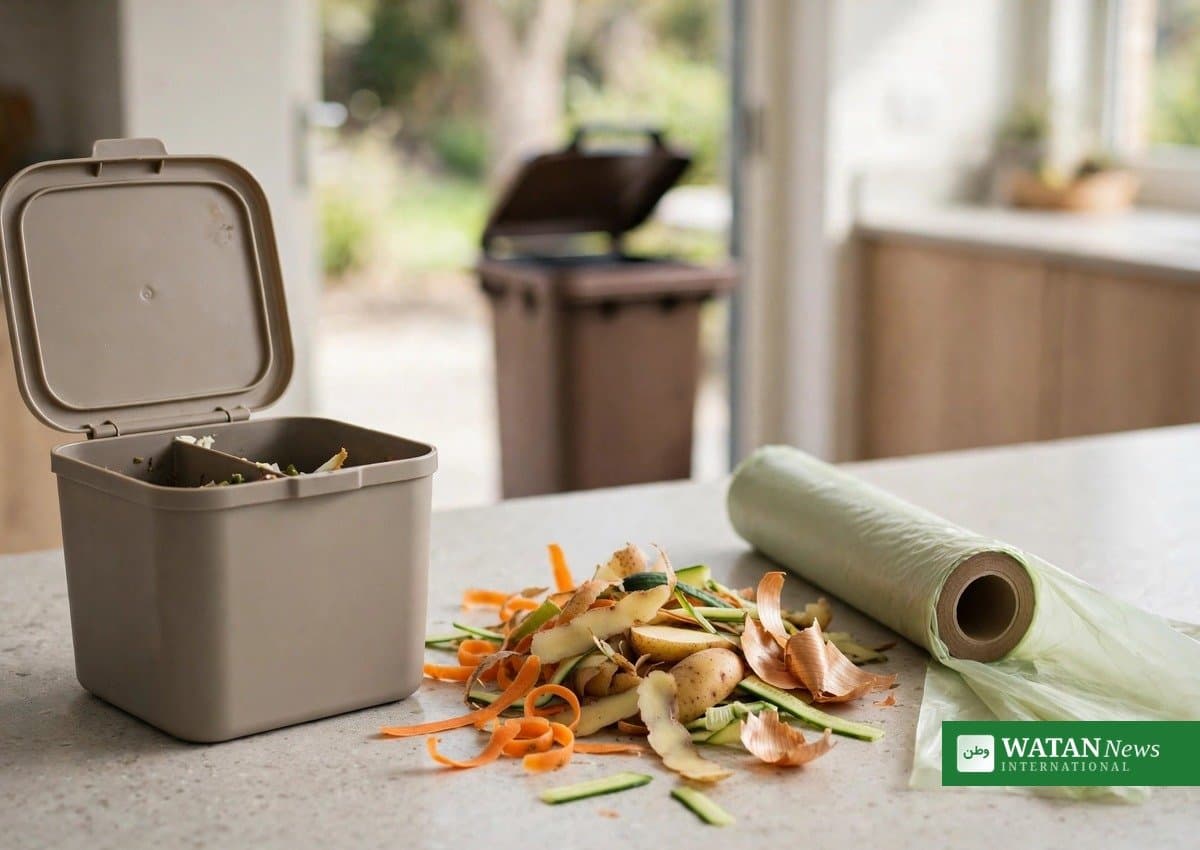
London: Enfield Council has launched a food waste recycling trial in around 1,000 homes, testing whether a better-designed kitchen caddy — made from plastic recycled in the borough itself — can turn food waste separation into an everyday habit.
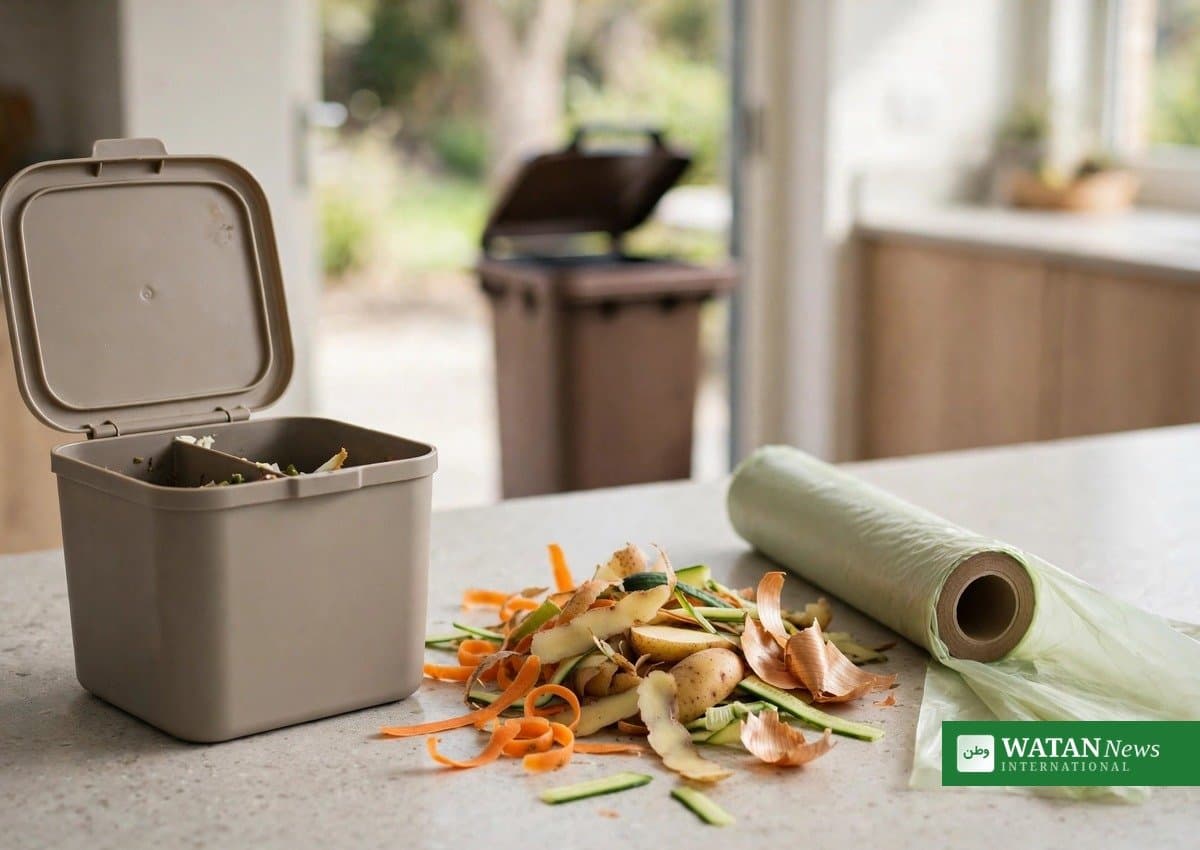
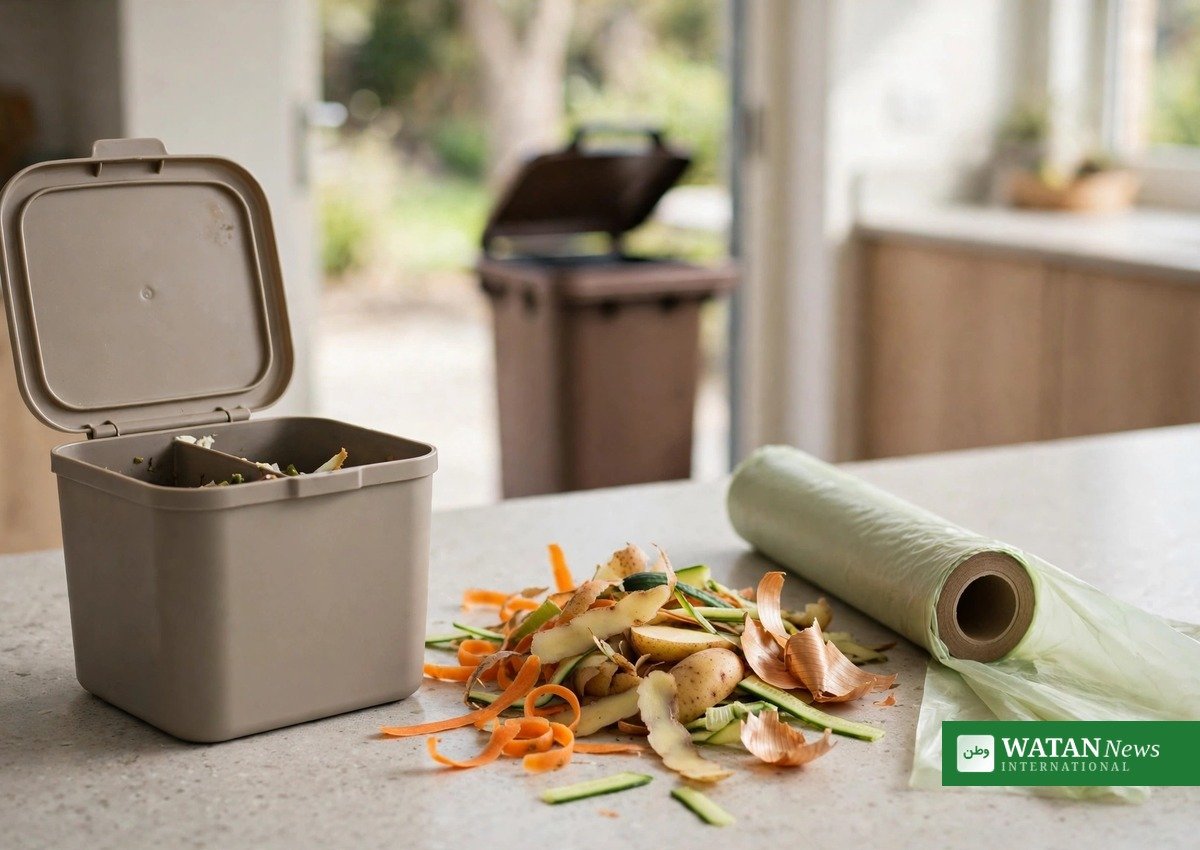
The trial, launched in September and reported on 3 November 2026, covers around 600 kerbside houses and roughly 400 households in privately owned and council-managed flats and communal blocks. Each participating household receives a five-litre kitchen caddy made by eco-design firm ReBorn, a roll of caddy liners and clear instructional guidance.
For communal sites that previously had no dedicated food waste infrastructure, the council is also installing outdoor collection containers and updating collection arrangements.
A caddy made from the borough’s own recycling
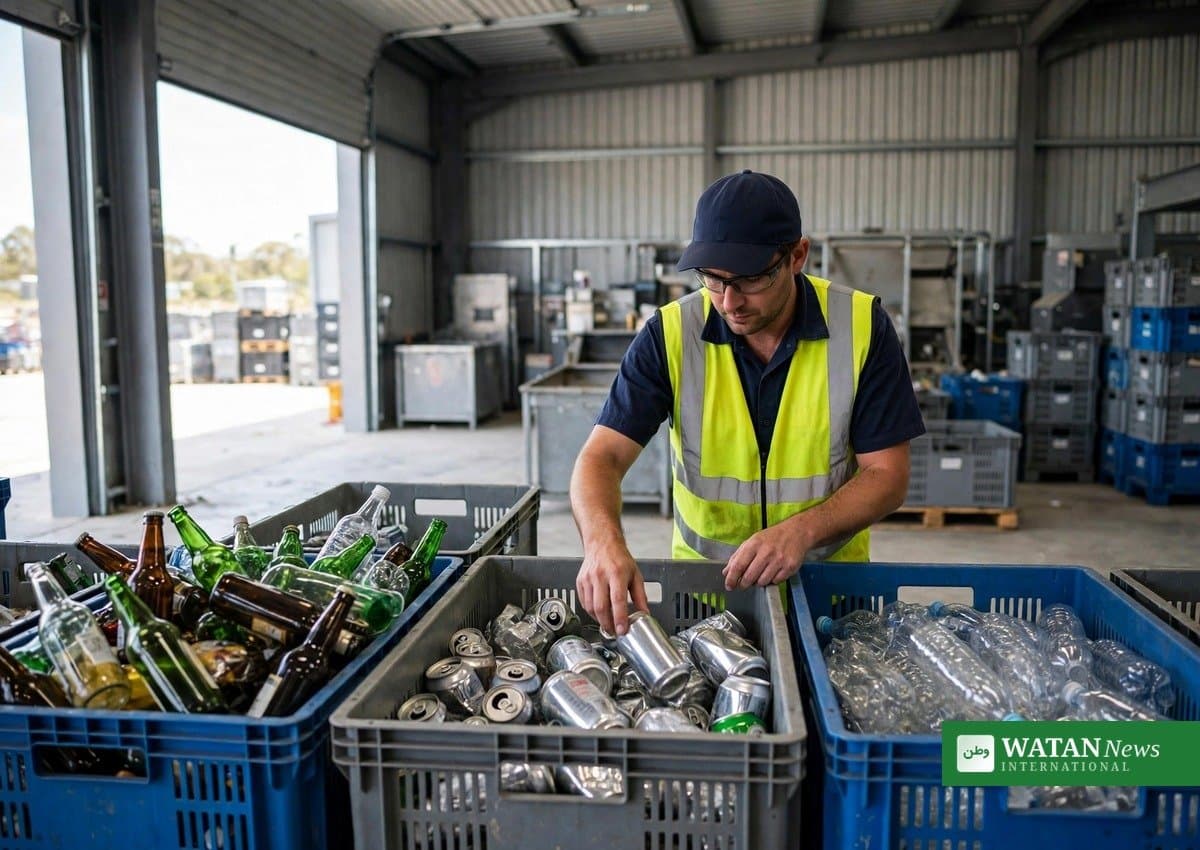
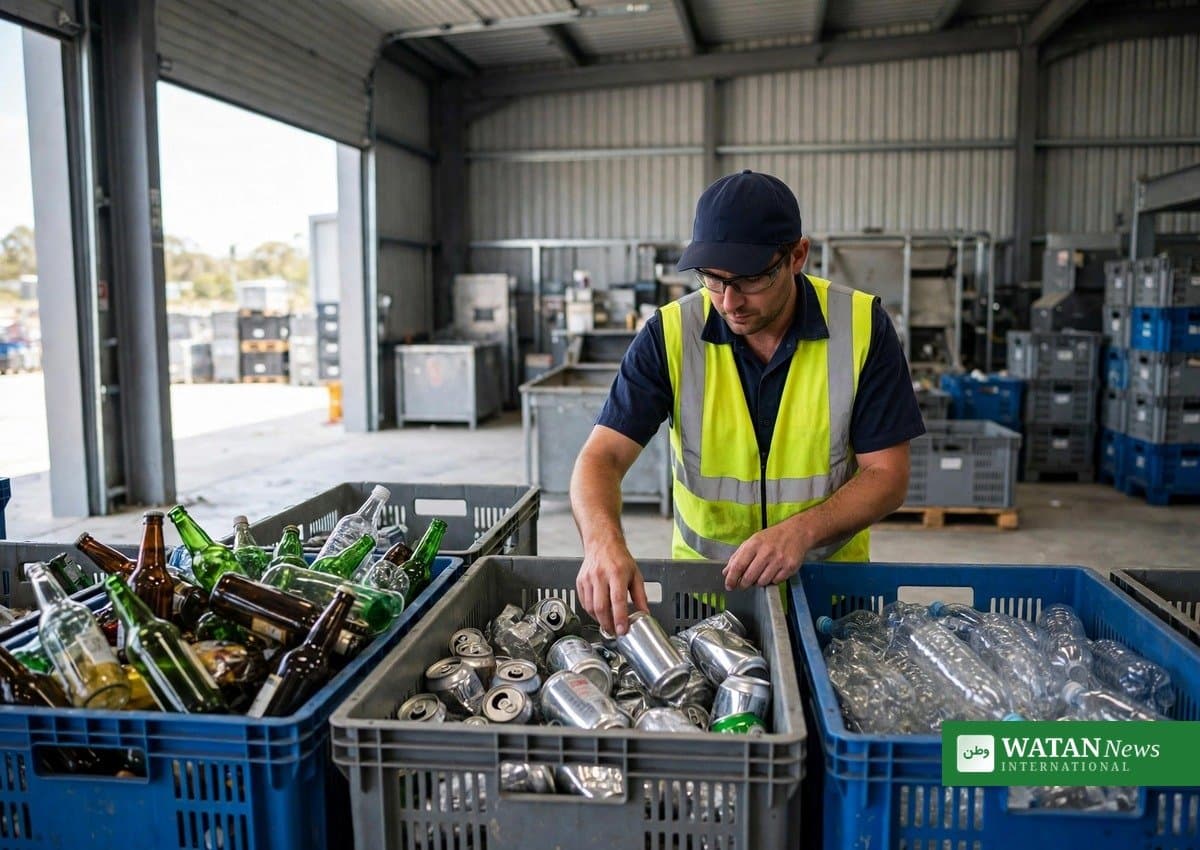
The trial is built around a closed local loop. Plastic collected from Enfield households is processed by recycling specialist Biffa, and the resulting material is supplied to ReBorn, which manufactures household items entirely in the United Kingdom using 100 per cent recycled plastic content.
The finished caddies then return to Enfield homes — giving residents a visible example of how their recycling is turned into useful products.
Tim Read-Lamb, Waste Strategy and Recycling Manager at Enfield Council, said the trial was about making the right choice easier. “By giving residents a well-designed caddy and straightforward information, we want to understand what helps food waste recycling become an everyday habit,” he said. “It is also a great example of the circular economy in action: materials collected for recycling can be processed and turned into useful products that come back to residents. We are proud that Enfield will be the first council to pilot this approach with ReBorn.”
Brian Walmsley, Founder and Chief Executive of ReBorn, said: “If better design can make recycling easier and more appealing, the potential for councils across the UK is huge. We’re excited to see what we can learn from Enfield.”
Why food waste matters for the climate
Food thrown into general rubbish and sent to landfill decomposes without oxygen and releases methane, a potent greenhouse gas. Separate food waste collections instead send the material for treatment such as anaerobic digestion, where it can be converted into renewable biogas and soil improver.
The scale of the problem is global. According to the United Nations Environment Programme’s Food Waste Index, more than 1.05 billion tonnes of food are wasted every year, with households accounting for around 60 per cent of the total, and discarded food driving an estimated 8 to 10 per cent of global greenhouse gas emissions.
In Enfield itself, households recycled more than 6,500 tonnes of food waste last year — the equivalent of roughly 550 London buses in weight — while food waste left in general rubbish costs the council £1.2 million a year to dispose of, according to the council’s own food waste pages.
What the trial will measure
The council is running a pre- and post-trial evaluation, recording baseline figures before the new caddies arrived and tracking changes across four measures:
- Resident participation rates — the share of target households actively separating food waste;
- Tonnage data — changes in the weight of collected food waste against residual rubbish;
- Communal bin fill levels — volume shifts in shared containers at flat blocks;
- Resident feedback — surveys on satisfaction, obstacles and daily use.
The results will shape future collection strategies and help prepare local infrastructure for England’s national Simpler Recycling framework, under which councils must provide consistent recycling services including weekly food waste collections.
A model other councils could copy
The trial tackles two long-standing barriers to food waste separation: residents disliking unsightly or smelly caddies on kitchen worktops, and the lack of collection infrastructure in communal housing. If the design-led approach measurably raises capture rates, other councils are likely to adopt similar local circular supply chains — meeting statutory duties while supporting domestic recycling manufacturing.
For residents, a successful trial could mean a permanent expansion of dedicated weekly food waste collections across all housing types, including communal flat complexes that have so far been underserved.
Read more climate and sustainable living coverage on the Watan News home page.
FAKTA: Enfield food waste trial at a glance
- Households: around 1,000 — about 600 kerbside houses and 400 flats and communal blocks.
- The caddy: a five-litre ReBorn kitchen caddy, made in the UK from 100 per cent recycled plastic, plus liners and guidance.
- The loop: Enfield plastic collected locally, processed by Biffa, manufactured by ReBorn, returned to Enfield homes.
- Measured: participation rates, food waste tonnages, communal bin fill levels and resident feedback.
- Why it matters: food waste in landfill releases methane; Enfield recycled over 6,500 tonnes of food waste last year.