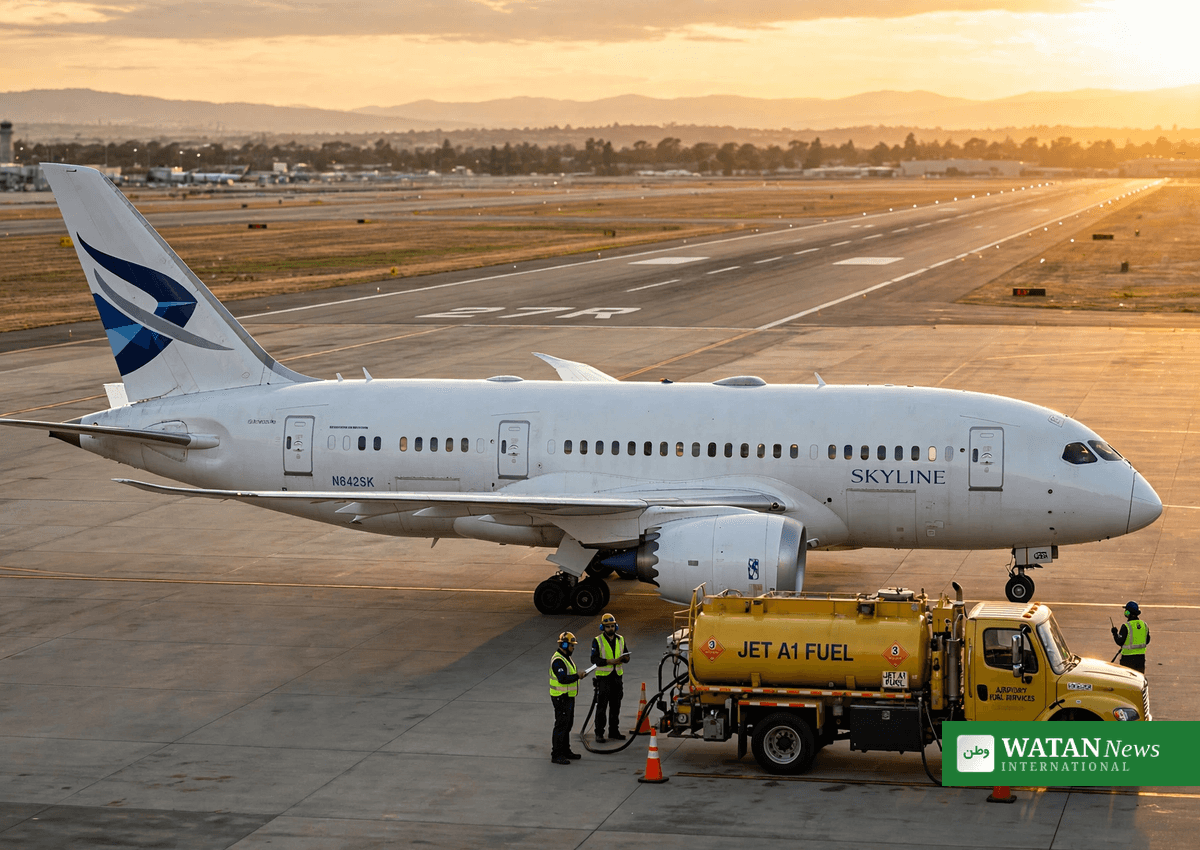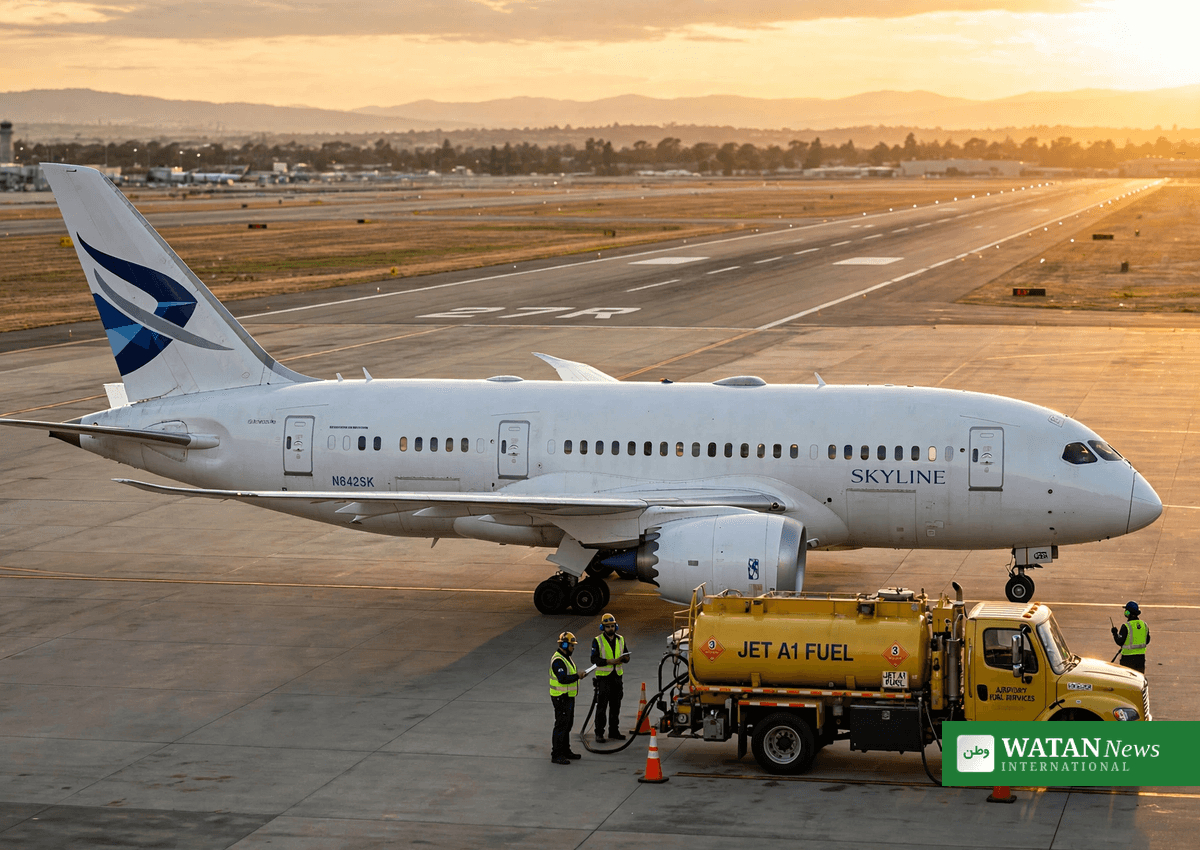
Port Nador, Morocco — Shell has signed a long-term agreement to buy the future output of sustainable aviation fuel (SAF) from a planned renewable-fuels plant at Port Nador in northern Morocco, adding a prospective new North African source to the world’s still-small supply of lower-carbon aviation fuel. The deal was announced on 2 November 2026.
Under the agreement, Shell Trading Rotterdam B.V., a subsidiary of Shell plc, will be the exclusive buyer of about 150,000 tonnes a year of SAF, or an equivalent volume of hydrogenated vegetable oil (HVO), from the planned facility, along with bionaphtha and biopropane. The plant, developed by Green Sky Manara LLC, a subsidiary of Qatar-based Green Sky Capital, is scheduled to start up in October 2028.
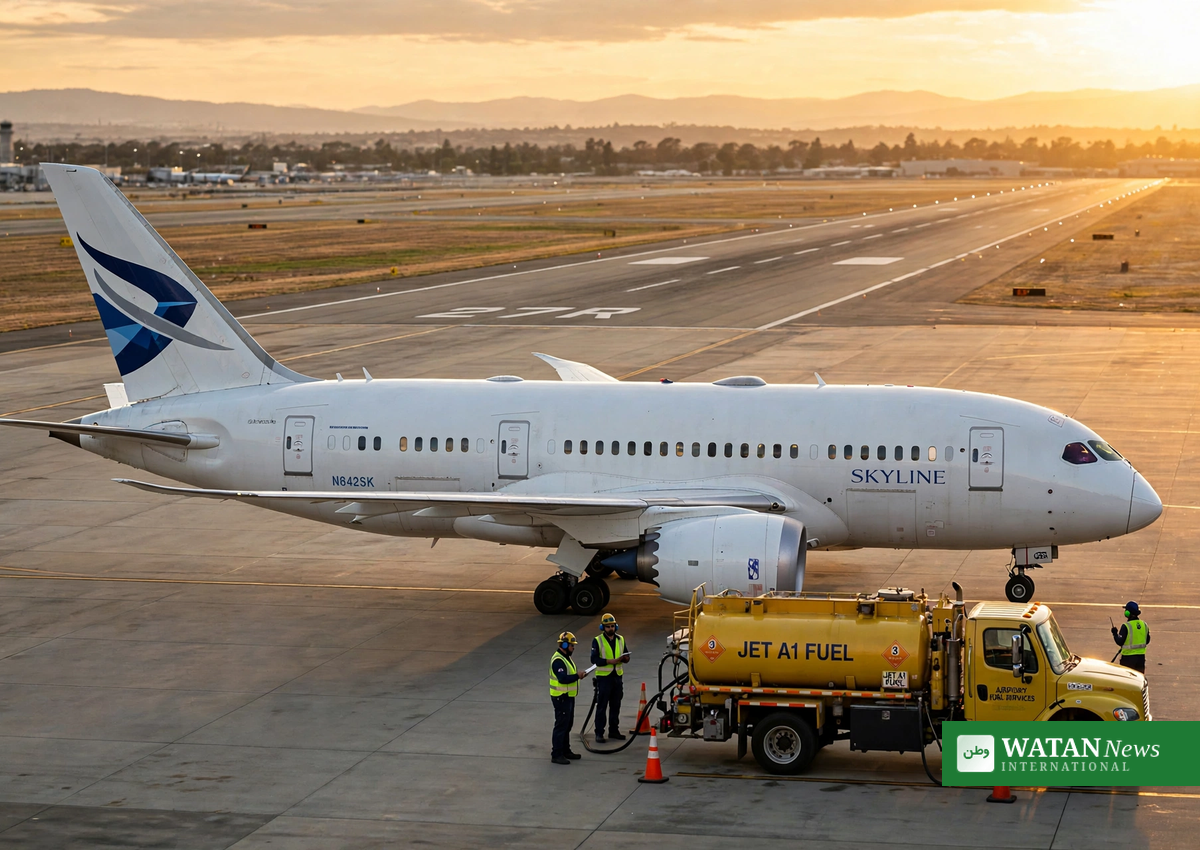
Key facts
- Buyer: Shell Trading Rotterdam B.V., a subsidiary of Shell plc.
- Seller and developer: Green Sky Manara LLC, a subsidiary of Qatar-based Green Sky Capital.
- Volume: about 150,000 tonnes a year of SAF or an equivalent volume of HVO, plus bionaphtha and biopropane, on an exclusive basis.
- Location: a planned hydroprocessed esters and fatty acids (HEFA) facility at Port Nador, Morocco.
- Planned start-up: October 2028. The plant is not yet operating, so the deal covers future supply, not fuel being produced today.
- Feedstocks: lipid-based inputs including used cooking oil, animal fats and vegetable oils.
- Financing context: the European Bank for Reconstruction and Development is considering a loan of up to 135 million dollars for the project, whose estimated cost is about 239 million dollars.
The Port Nador plant
The facility is planned for the Port Nador complex, also known as Nador West Med, on Morocco’s Mediterranean coast. It will use the HEFA pathway, which hydroprocesses lipid-based feedstocks into fuels that can be used in existing aircraft and fuel systems.
The project description published by the European Bank for Reconstruction and Development puts the plant’s potential capacity at up to 200,000 tonnes a year of renewable transport fuels. That figure is larger than Shell’s contracted volume: the agreement covers about 150,000 tonnes a year of SAF or an equivalent volume of HVO, plus the smaller co-products bionaphtha and biopropane.
The project is described as one of the first commercial-scale facilities of its kind in Morocco and North Africa. Its production process is based on waste-derived feedstocks and licensed Axens technology, and it is designed to produce fuel meeting European sustainability requirements. The development also includes a skills programme and a feedstock-sourcing initiative involving women-led cooperatives and aggregators.
What the fuel is made from
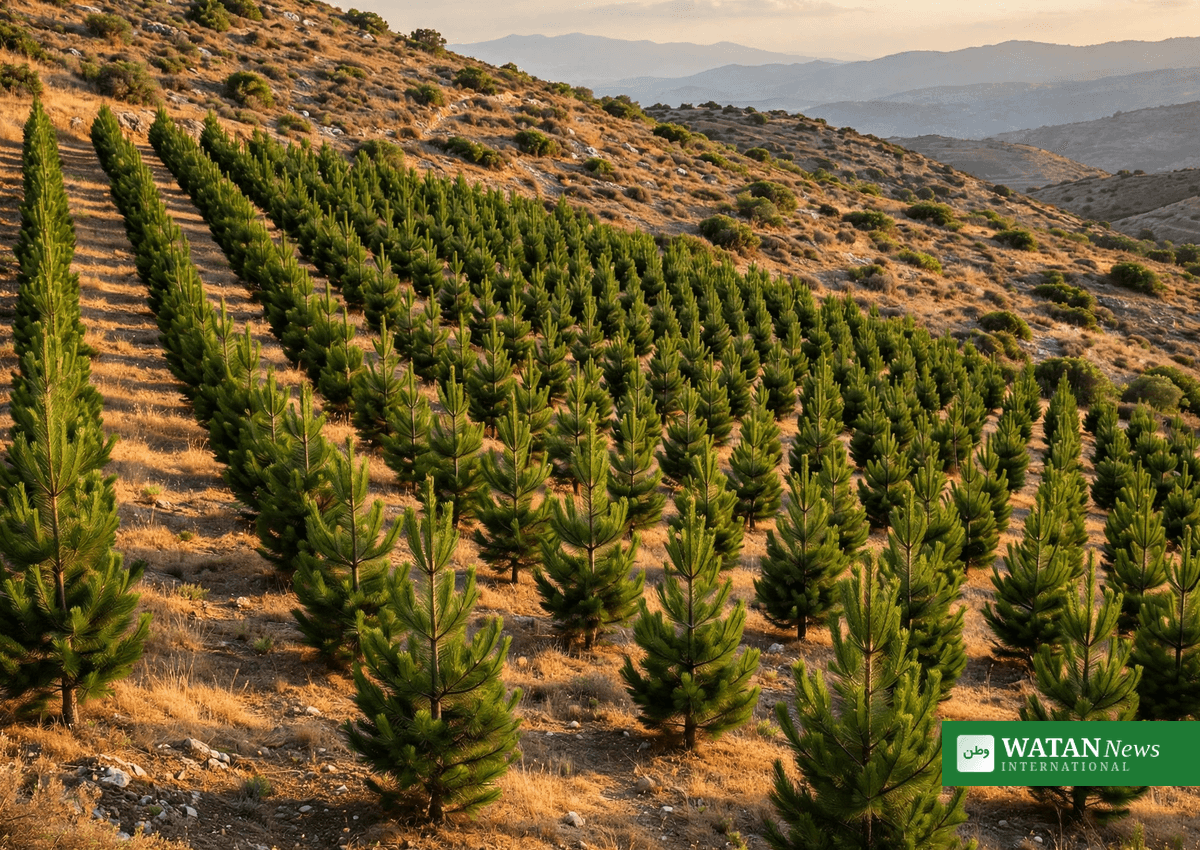
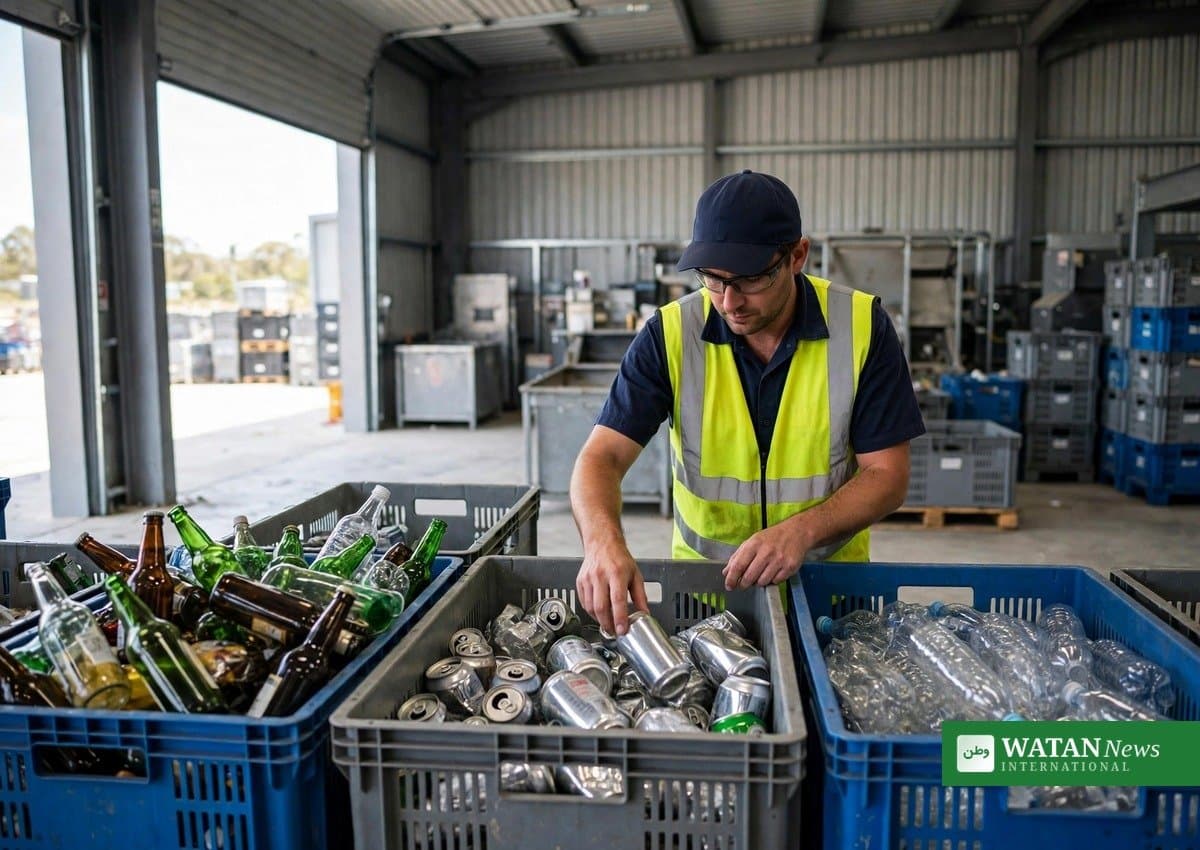
The plant is designed to convert lipid-based feedstocks — used cooking oil, animal fats and vegetable oils — together with food-processing waste and refinery by-products, into aviation fuel and renewable diesel. The HEFA route is one of the most established ways of making SAF today, because it uses existing refining technology and feedstocks that are already collected in many countries.
Using waste oils and fats rather than purpose-grown crops is central to the project’s sustainability case, since it avoids new farmland demand. Even so, no lifecycle emissions figure has been announced for the Port Nador project itself, so the exact carbon saving of its fuel cannot yet be stated. The agreement’s price, duration and take-or-pay terms have also not been disclosed.
Why it matters for greener flying
Aviation remains one of the hardest sectors to decarbonise, because batteries cannot yet power long-haul flights. SAF is therefore treated by airlines and fuel suppliers as the main near-term tool for cutting flying emissions, even though global production remains small compared with total jet fuel demand.
Richard Jory, Shell’s Executive Vice President of Products Trading, said the agreement supports the company’s efforts to improve customer access to lower-carbon fuels while developing commercially viable and resilient supply chains. Shell already offers SAF at more than 80 airports in 18 countries, according to the company.
The Morocco agreement follows an earlier long-term arrangement between Shell and Green Sky Capital linked to a planned HEFA facility in Egypt, which is expected to deliver up to 145,000 tonnes of SAF a year from the end of 2027. Together with offtake arrangements in Pakistan, Malaysia, Thailand and the United States, the deals build a portfolio of planned supply that airlines can draw on as SAF mandates and demand grow.
What is still to come
Several steps remain before any fuel flows. The plant must be built and commissioned, the European Bank for Reconstruction and Development’s loan remains under consideration rather than approved, and the October 2028 start-up date is a plan, not an operating reality. Travellers will therefore not see this fuel on their flights in the near term.
If the project proceeds on schedule, however, it would give Morocco a foothold in a new green industry, create demand for waste-oil collection across the region, and add a significant new source of SAF for airlines serving Europe, Africa and beyond. More climate news is available in our climate section.