WUFT reporter Rose Schnabel has been named a recipient of the 2026 Waldo Proffitt Award for Outstanding Environmental Journalism — one of Florida’s premier environmental reporting honours — for a body of rural coverage that judges said “exposed significant inequities that resulted in public action.” The announcement was made on October 2, 2026, by the University of Florida College of Journalism and Communications.
FAKTA
- Award: 2026 Waldo Proffitt Award for Outstanding Environmental Journalism
- Recipient: Rose Schnabel, WUFT reporter and Report for America corps member covering Florida’s environment and agriculture desk
- Announced: October 2, 2026, by the University of Florida College of Journalism and Communications
- Shared with: the Miami Herald’s “Built on Sand” investigative series
- Administered by: the University of South Florida’s Zimmerman School of Advertising and Mass Communications
- Prize: $1,000, recognizing distinguished reporting and commentary on environmental issues in Florida
- Presentation: October 20, hosted by the Zimmerman School
- Sources: University of Florida College of Journalism and Communications; Society of Environmental Journalists
Rural environmental journalism that “resulted in public action”
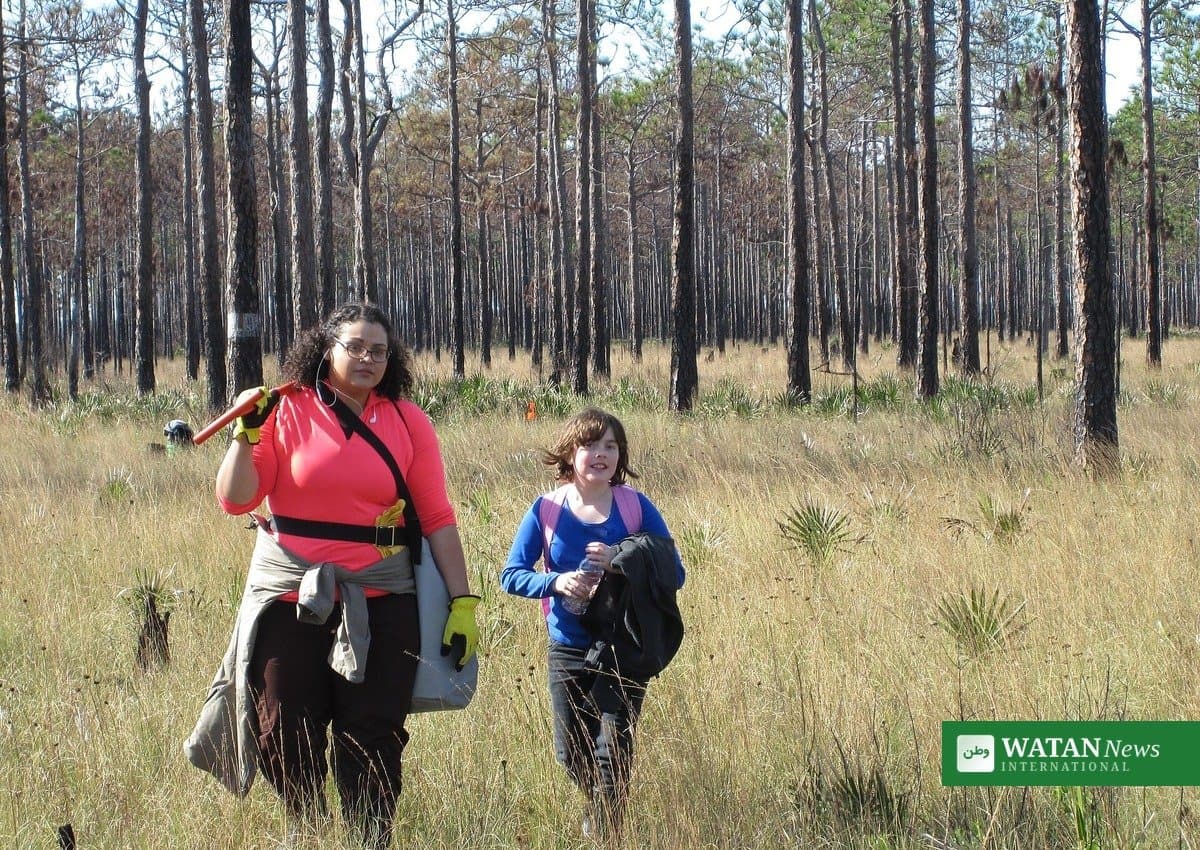
Judges selected Schnabel’s body of work for its focus on rural environmental coverage and its reporting on inequities affecting communities in North Central Florida. “WUFT’s Rural Environmental Coverage by Rose Schnabel also shows environmental reporting at its best,” one judge wrote, praising “exquisite writing across a collection of stories about pine-straw harvesting, a threatened native plant population, and a landfill affecting a low-income community.”
The award-winning reporting collection
The collection that earned the award covered Florida’s pine straw industry, challenges facing the timber sector, the environmental impacts of pine straw harvesting, threats to a rare native plant species from a proposed toll road, and odour complaints connected to a landfill serving a rapidly growing region. According to the judges, the reporting exposed significant inequities — and led to public action.
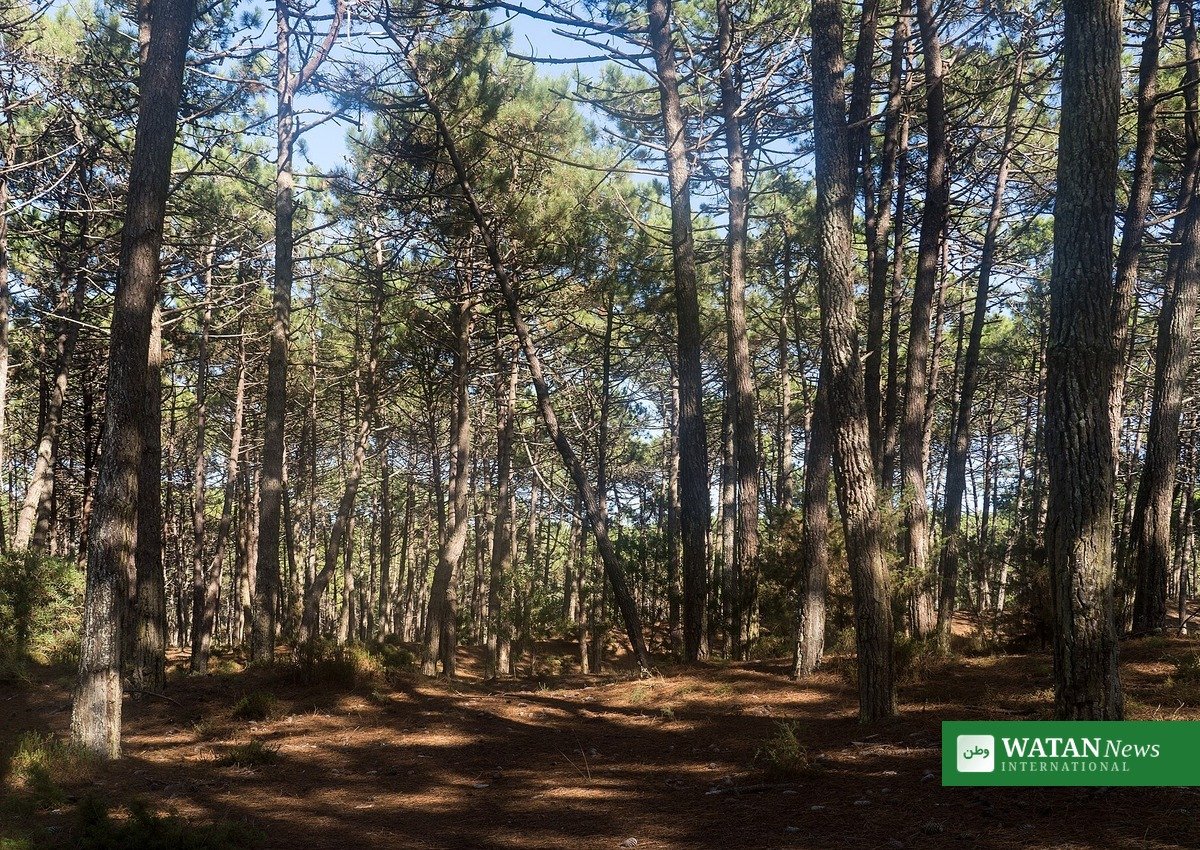
A pine forest floor covered in pine straw — the pine-straw industry and the timber sector were at the heart of the rural environmental reporting that earned the 2026 Waldo Proffitt Award.
An award rooted in Florida journalism history
The Waldo Proffitt Award honours journalism that advances public understanding of environmental issues and reflects the legacy of the late Florida journalist and editor Waldo Proffitt. Established in 1998 by Proffitt’s friends, the award is administered each year by the Zimmerman School of Advertising and Mass Communications at the University of South Florida, which recognizes distinguished examples of reporting and commentary about environmental issues in Florida.
Schnabel joined WUFT’s Florida Environment and Agriculture Desk in 2024 as a Report for America corps member, reporting on agriculture, water and the environment for the public media station housed at the University of Florida. Report for America places early-career journalists in local newsrooms to strengthen community coverage.
A strong year for environmental journalism
The honour comes during a landmark year for climate and environmental reporting. On September 17, the Covering Climate Now Journalism Awards named 49 winners selected from more than 1,200 entries submitted by journalists across dozens of countries, judged by a panel of 120 journalists from more than 30 countries. Among the honours: the Earth Journalism Network’s cross-border investigation “Dark Side of the Boom” — which brought together 14 newsrooms across 11 countries to investigate the environmental consequences of Asia’s expanding digital economy — won in the Large Projects and Collaborations category, and the programme’s second Lifetime Achievement award went to Fiona Harvey.
Together, the awards underline a profession under pressure but producing consequential work: reporting that connects environmental change to public accountability, economic decisions and people’s daily lives.
More climate stories: Watan News climate coverage. Read this story on Watan News. Sources: University of Florida College of Journalism and Communications; Society of Environmental Journalists.