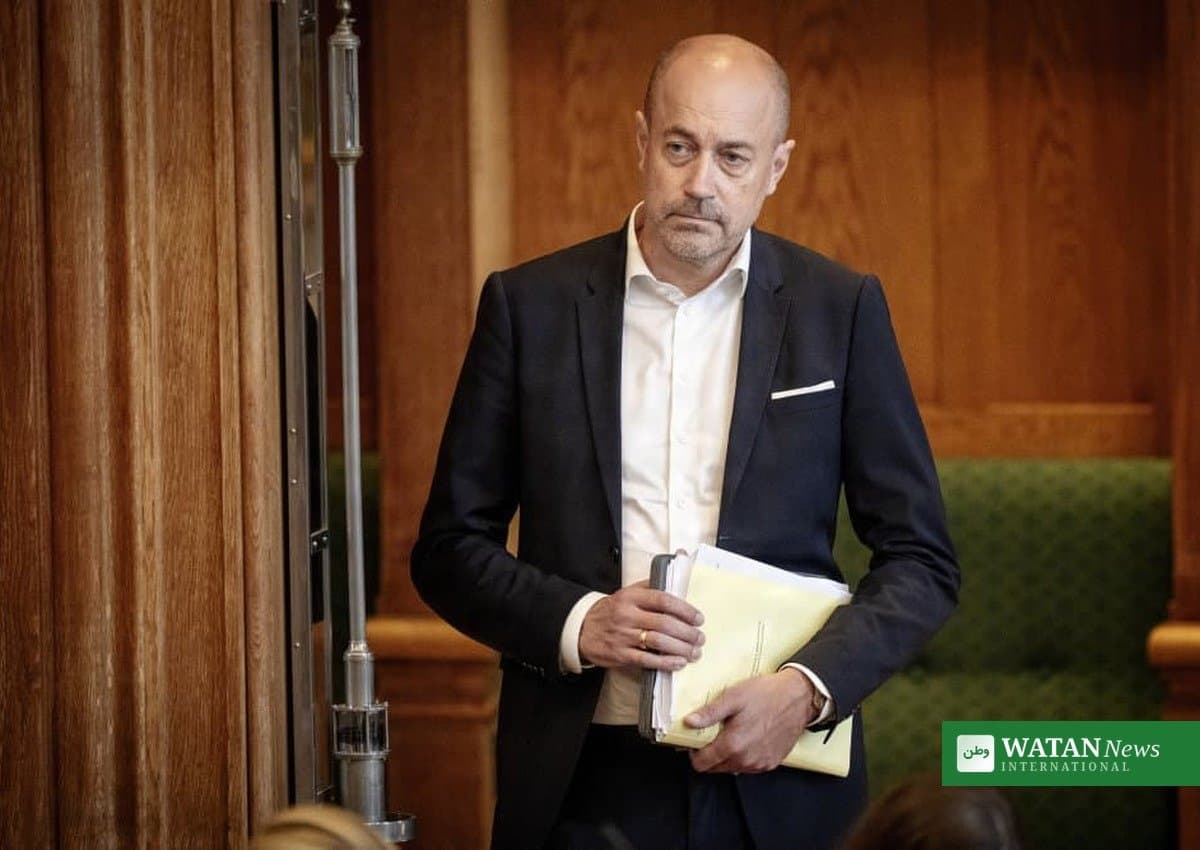
Denmark’s Justice Minister Nicolai Wammen wants public prosecutors held to the same neutrality rules as judges, a move that would amount to a ban on prosecutors wearing religious symbols and political symbols in Danish courtrooms. The proposal on a prosecutors religious symbols ban was reported by TV 2 on Thursday and follows the case of Zahra Sediqi, a prosecutor in Viborg who revealed she is Denmark’s first headscarf-wearing prosecutor. No new prohibition has entered into force yet, but the minister has asked his ministry to prepare proposals.
Key Facts
- Justice Minister Nicolai Wammen publicly backed extending courtroom neutrality rules to prosecutors; his position was reported by TV 2 on Thursday, 1 October 2026.
- The trigger was a LinkedIn post by Zahra Sediqi of the State Prosecutor in Viborg, who realised she is Denmark’s first prosecutor to wear a headscarf.
- Danish judges have been banned from appearing in court in a way that signals religious or political affiliation since July 2009, under Section 56 of the Administration of Justice Act.
- A Folketing parliamentary answer on 11 September 2026 confirmed the Danish Prosecution Service has no internal guidelines stopping prosecutors from wearing a hijab in court.
- The Association of Public Prosecutors (FOAN) defended Sediqi, saying she complied with all existing rules and that the debate should not target an individual civil servant.
- Wammen wants prosecutors subject to the same rules as judges on visible religious and political symbols; no draft law has been presented yet.
The Trigger: Denmark’s First Headscarf-Wearing Prosecutor
The debate began with a personal milestone shared publicly. Zahra Sediqi, a prosecutor at the State Prosecutor’s office in Viborg (Statsadvokaten i Viborg), wrote in a LinkedIn post that she had realised she was the first prosecutor in Denmark to wear a headscarf. She described herself as both proud and humbled by the milestone and said representation matters.
Her post quickly attracted political attention. Dennis Flydtkjær of the Denmark Democrats argued that wearing a headscarf does not necessarily mean a prosecutor is biased, but said there should be no doubt about objectivity in a courtroom. Mikkel Bjørn of the Danish People’s Party questioned why prosecutors and judges are currently subject to different rules.
What a Ban on Prosecutors’ Religious Symbols Would Cover
Wammen’s proposal is narrowly targeted at appearance in court, not at belief. The ban on prosecutors’ religious symbols would cover visible religious and political symbols worn during court hearings — mirroring the standard judges already live under. Prosecutors are currently allowed to wear a hijab while working in court, and the minister’s stated aim is to protect public confidence that proceedings in Danish courtrooms are objective.
As Wammen put it in a statement reported by Berlingske and Ekstra Bladet: “Jeg vil have, at anklagere skal være underlagt de samme regler som dommere, når det gælder synlige religiøse og politiske symboler i retssalen” — “I want prosecutors to be subject to the same rules as judges when it comes to visible religious and political symbols in the courtroom.”
The 2009 Precedent: Judges and the Neutrality Rule
Denmark introduced specific rules on judges’ courtroom appearance in 2009. Under Section 56 of the Administration of Justice Act (Retsplejeloven), a judge may not appear during court hearings in a way that can reasonably be perceived as expressing religious or political affiliation or views. The provision also applies to certain other judicial officials and entered into force in July 2009.
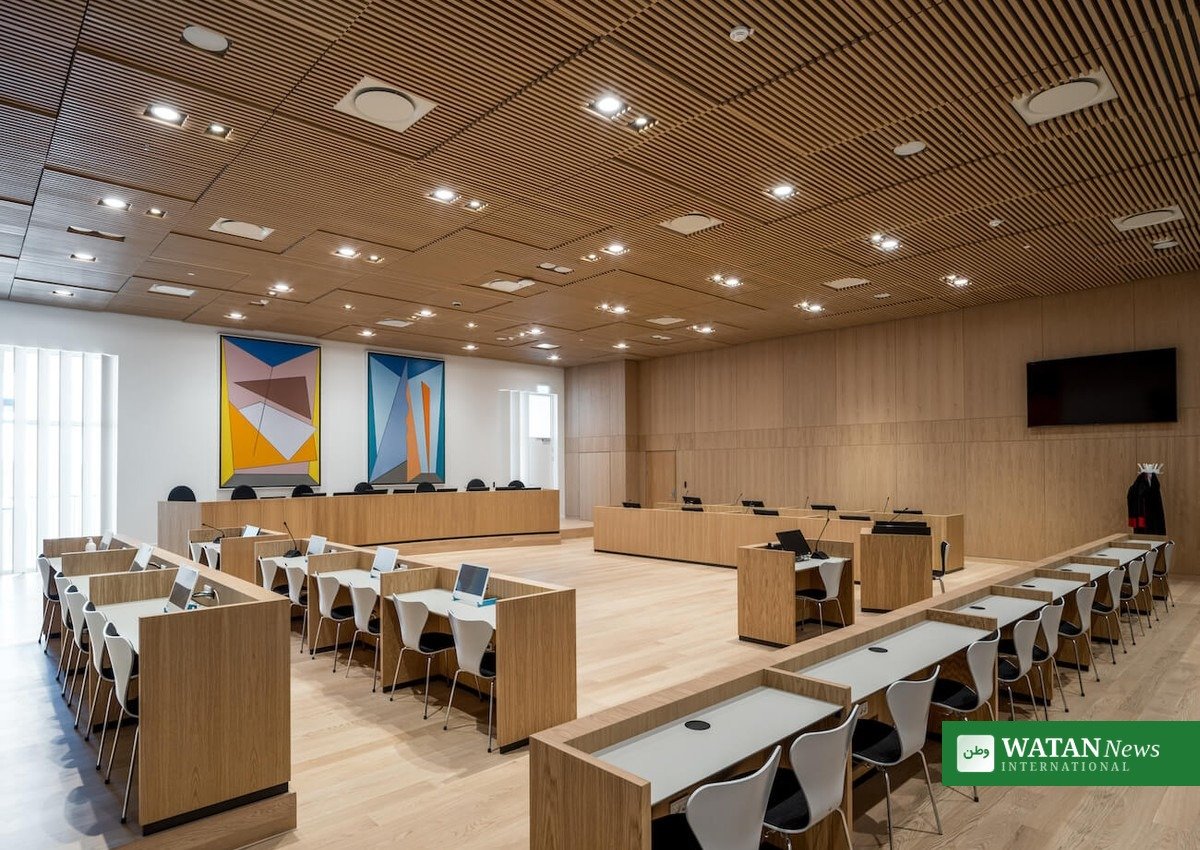
The rule does not currently extend to public prosecutors. That difference was confirmed in a parliamentary answer published on 11 September: the Danish Prosecution Service has no internal guidelines preventing prosecutors or trainee prosecutors from wearing a hijab at work, including while appearing in court. A further parliamentary question submitted on 14 September specifically asked whether prosecutors should be subject to the same neutrality rules as judges — and it was still formally unanswered when Wammen publicly stated his position.
| Rule | Judges | Prosecutors |
|---|---|---|
| Legal basis | Section 56, Administration of Justice Act | None yet; minister has asked for proposals |
| In force since | July 2009 | Not in force |
| Religious or political symbols in court | Banned if reasonably perceived as expressing affiliation | Currently allowed; no internal ban |
| Habitual courtroom headwear | Not permitted for judges | Permitted; hijab currently allowed |
| Scope | Judges and certain judicial officials | Public prosecutors and trainees (proposed) |
Political Reactions and the Road Ahead
The debate touches on prosecutors’ professional duties rather than their competence. The Danish Prosecution Service (Anklagemyndigheden) states that prosecutors represent the state in criminal proceedings but must consider both evidence supporting a defendant’s guilt and evidence pointing towards innocence; objectivity, independence and integrity are among the service’s stated core principles. The controversy is about outward appearance, not those existing obligations.
The Association of Public Prosecutors (Foreningen af Offentlige Anklagere, FOAN) defended Sediqi after the controversy began, stressing she had complied with all existing rules. In its statement, the association said a wider political debate about prosecutors’ appearance could be legitimate, but argued it should not focus on an individual civil servant who had simply followed the rules.
Wammen’s intervention moves that wider debate towards a possible rule change. For now, however, no new prohibition for prosecutors has entered into force. Watch the ministry’s forthcoming draft and whether the coalition agrees on the scope of the change.
Conclusion
Denmark is heading for a principled fight over who must look neutral in its courtrooms. A 2009 law already binds judges; prosecutors have so far been exempt, and Justice Minister Nicolai Wammen now wants that gap closed after the case of the country’s first headscarf-wearing prosecutor. Whether his ministry’s draft wins a parliamentary majority will decide if the neutrality rule extends to the prosecution table. More Danish political coverage is available in our Denmark section.