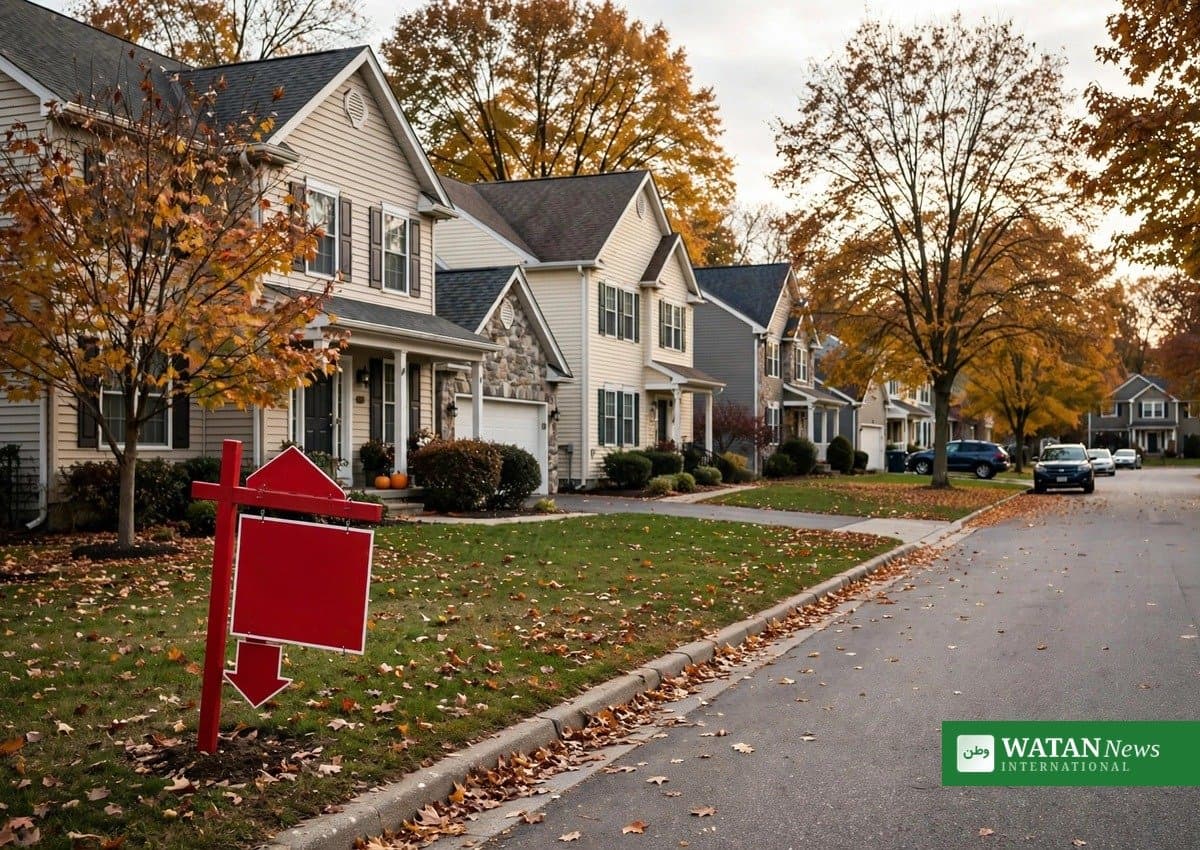

US mortgage rates have climbed to their highest level in nearly three years, with Freddie Mac reporting that the average 30-year fixed-rate mortgage reached 7.28% in the week ending October 1, 2026. The jump of 25 basis points from the previous week cooled buyer demand, pushed mortgage applications down 6% and left a record share of sellers cutting asking prices. A softer-than-expected September jobs report on October 2 offered only slight relief, nudging daily rates lower but leaving borrowing costs firmly elevated.
Key Facts
- Freddie Mac’s weekly survey put the 30-year fixed rate at 7.28% for the week ending October 1, 2026 — up from 7.03% a week earlier and 6.34% a year ago, the highest in nearly three years.
- The 15-year fixed-rate mortgage averaged 6.60%, up from 6.42% the prior week and 5.55% a year ago.
- The Mortgage Bankers Association reported total mortgage applications fell 6.0% week over week for the week ending September 25, with purchase and refinance activity both down.
- Realtor.com’s September data showed 20.8% of active listings carried price cuts — the highest September share since 2018.
- The September jobs report showed only 29,000 jobs added; Mortgage News Daily’s daily index fell 0.05 points to 7.49% on October 2 after the report.
Mortgage Rates Climb: The October Readings
Freddie Mac’s Primary Mortgage Market Survey showed the 30-year fixed rate averaging 7.28% for the week ending October 1, a 25-basis-point jump in a single week and the highest weekly average in nearly three years. Chief Economist Sam Khater said that “with mortgage rates on their current trajectory, the housing market continues to be supported by favorable economic conditions.”
Daily pricing told a similar story. Mortgage News Daily’s index showed daily rates briefly touching about 7.6% on September 30 before easing after the October 2 jobs report to 7.49% — still up 1.13 percentage points from a year ago. The 10-year Treasury yield eased to about 5.18% after the report.

How the Mortgage Rate Measures Compare
Different gauges of borrowing costs all point in the same direction this autumn. The table below compares the latest available readings.
| Measure | Latest reading | Previous |
|---|---|---|
| Freddie Mac 30-year fixed (weekly, Oct 1) | 7.28% | 7.03% (prior week); 6.34% (year ago) |
| Freddie Mac 15-year fixed (weekly, Oct 1) | 6.60% | 6.42% (prior week); 5.55% (year ago) |
| Mortgage News Daily 30-year index (daily, Oct 2) | 7.49% | 7.54% (Oct 1); briefly touched ~7.6% on Sept 30 |
| MBA contract rate (week ending Sept 25) | 7.30% | Also at its 52-week high |
Demand Cools as Mortgage Rates Bite
The speed of the move has rattled buyers. The Mortgage Bankers Association reported that total mortgage applications fell 6.0% week over week for the week ending September 25, with both purchase and refinance activity declining as rates surged.
Sellers are responding. Realtor.com’s September monthly trends showed the share of active listings with price cuts rising to 20.8% — described as the highest September since 2018 and the highest for any month since October 2022. Builders have also brought back incentives to keep deals alive.
Weak Jobs Report Offers Slight Relief
Mortgage rates edged down on Friday after the September jobs report showed employers added only 29,000 jobs — a much weaker reading than expected. The soft report supports expectations that the Federal Reserve may hold rates at its October 27-28 meeting, which helped bond markets.
The move was small, however. Inflation and energy prices continue to keep yields high, and mortgage rates remain far above last year’s levels. Lenders also reprice with a lag, so the effect of Friday’s bond rally may not yet be fully reflected in quotes. The next Freddie Mac weekly average is due on Thursday, October 8.
Analysts on the real estate desk say the market has settled into a standoff: supply is at its healthiest level in more than a decade, but borrowing costs near multi-year highs are keeping buyers on the sidelines.
Conclusion
The 7.28% Freddie Mac reading marks the clearest signal yet that the autumn of 2026 is a high-rate housing market. Whether the soft jobs data pulls rates meaningfully lower — or merely pauses the climb — will become clearer when lenders digest Friday’s numbers and the next weekly survey lands on October 8.