Greece has handed over the remains identified as those of the medieval Bulgarian ruler Tsar Samuel to Bulgaria, ending more than six decades of efforts to bring the tsar home. The Tsar Samuel remains were formally transferred at a ceremony on Saturday, October 3, 2026, at the Museum of Byzantine Culture in Thessaloniki, in the presence of Greek Prime Minister Kyriakos Mitsotakis and Bulgarian Prime Minister Rumen Radev. Under the accord signed days earlier by the two countries’ culture ministers, Bulgaria will in return hand over 48 church relics taken from northern Greece during the First World War. (This story’s full version on the Watan News main site.)
Key Facts
- What: The remains identified as those of Tsar Samuel of Bulgaria (r. 997–1014) returned to Bulgaria.
- When: Saturday, October 3, 2026 — the accord was signed on September 29, 2026.
- Where: Handover ceremony at the Museum of Byzantine Culture in Thessaloniki; welcome ceremony in Sofia.
- Who attended: Greek PM Kyriakos Mitsotakis, Bulgarian PM Rumen Radev, and the two culture ministers, who signed and exchanged handover protocols.
- Exchange: Bulgaria will return 48 ecclesiastical treasures taken from Greek churches and monasteries during WWI.
- Discovery: Found in 1965 by Prof. Nikolaos Moutsopoulos at the Basilica of St Achillios on Small Prespa Lake, Greece.
- Resting place: A special sarcophagus in the Church of St Sophia, Sofia.
A Historic Handover in Thessaloniki
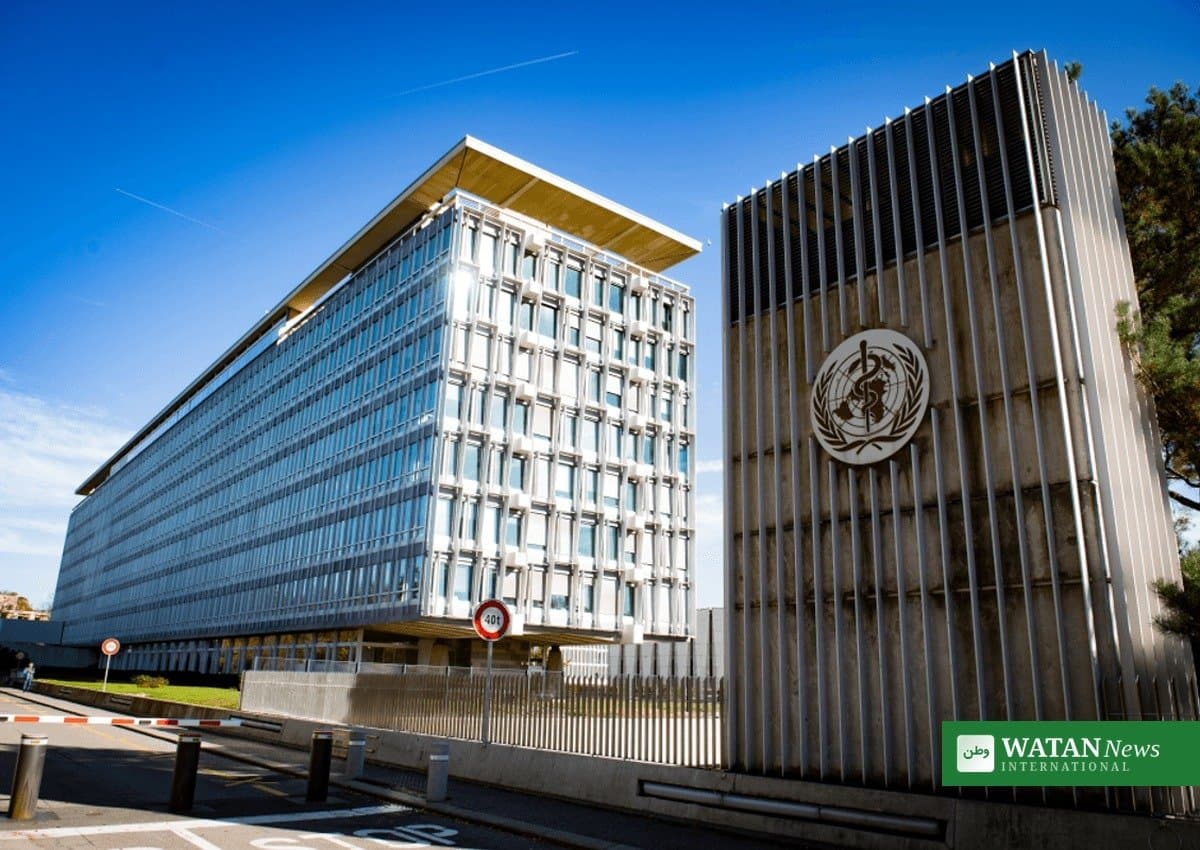
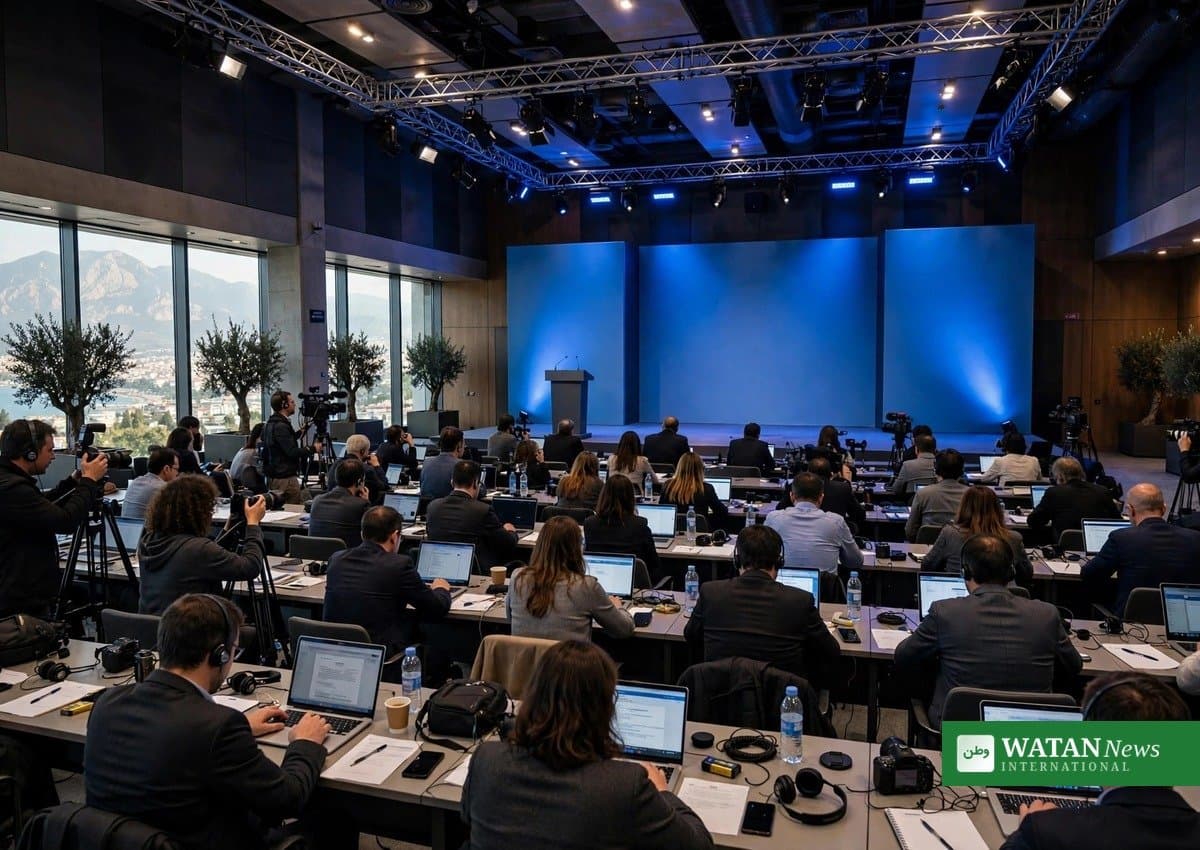
The official ceremony for the handover of Samuel’s remains was hosted at the Museum of Byzantine Culture in Thessaloniki, where the bones had been stored in recent years. Greek Prime Minister Kyriakos Mitsotakis and Greek Culture Minister Lina Mendoni attended, alongside the Bulgarian delegation led by Prime Minister Rumen Radev, Deputy Prime Minister Ivo Hristov and Culture Minister Evtim Miloshev.
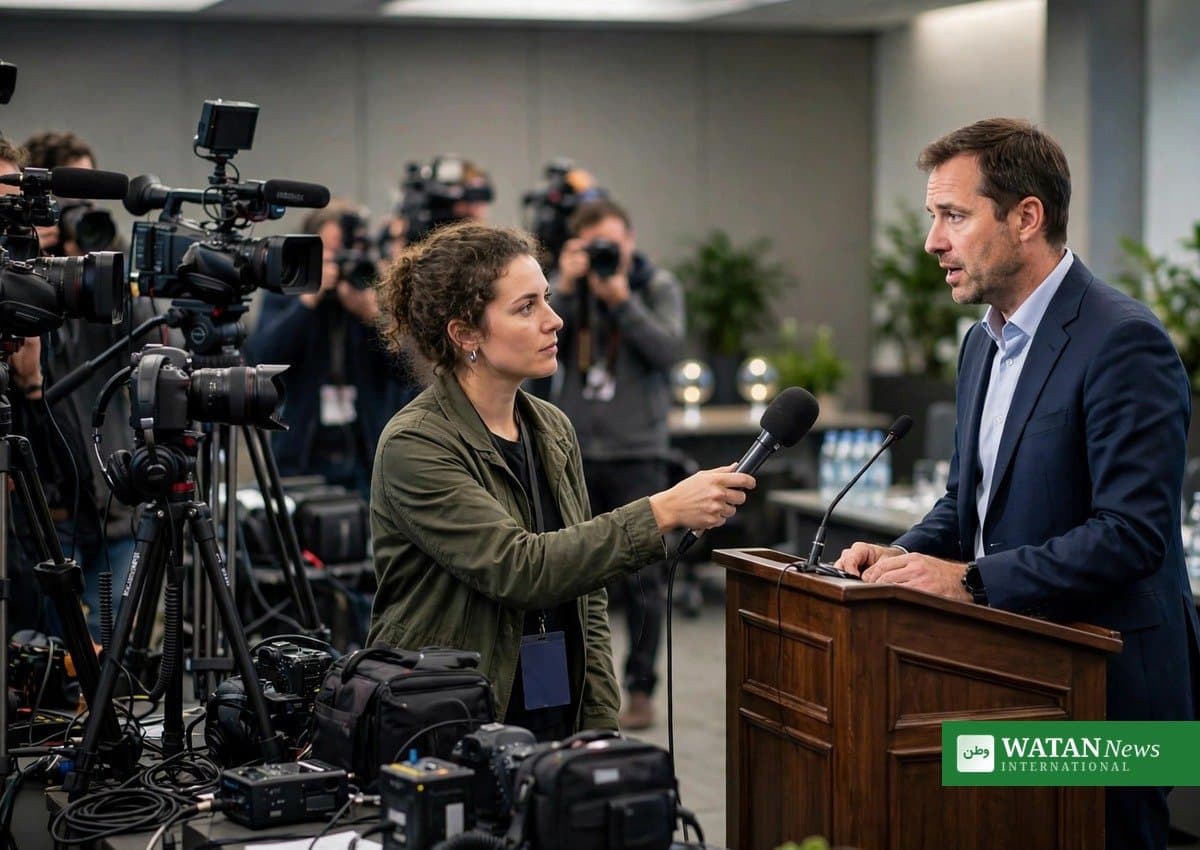
The two culture ministers signed and exchanged handover protocols, formally transferring the remains to the Bulgarian state. At the ceremony, Radev said the image of Tsar Samuel is one of the deepest historical archetypes for Bulgarians. “And if in the past Tsar Samuel divided us, I can say that today he unites us,” he stated, adding that the tsar now makes the two countries’ strategic partnership even stronger.
Mitsotakis said Athens was fulfilling its historic duty by returning the remains to Sofia, and expressed hope that the event would lead to even closer cooperation so that, in his words, “other relics may also be returned to Bulgaria and Greece.”
What the Tsar Samuel Remains Exchange Gives Back to Greece
In return for the tsar’s remains, Bulgaria will hand over 48 church relics of enormous spiritual and emotional significance to Greece — icons, crosses, church vessels and even an episcopal throne, taken during the First World War from the Metropolis of Serres and Nigrita, the Monastery of St John the Baptist and the Monastery of Panagia Eikosifoinissa.
The 48 treasures will be exhibited at the museum in Thessaloniki until November 5, 2026, allowing the public to view them before they are returned to their places of origin. Alongside Samuel’s remains, Greece also handed over the anthropological material from two other sarcophagi discovered in the same church, believed to belong to Tsar Gavril Radomir and other members of the royal family.
A Hero’s Welcome in Sofia
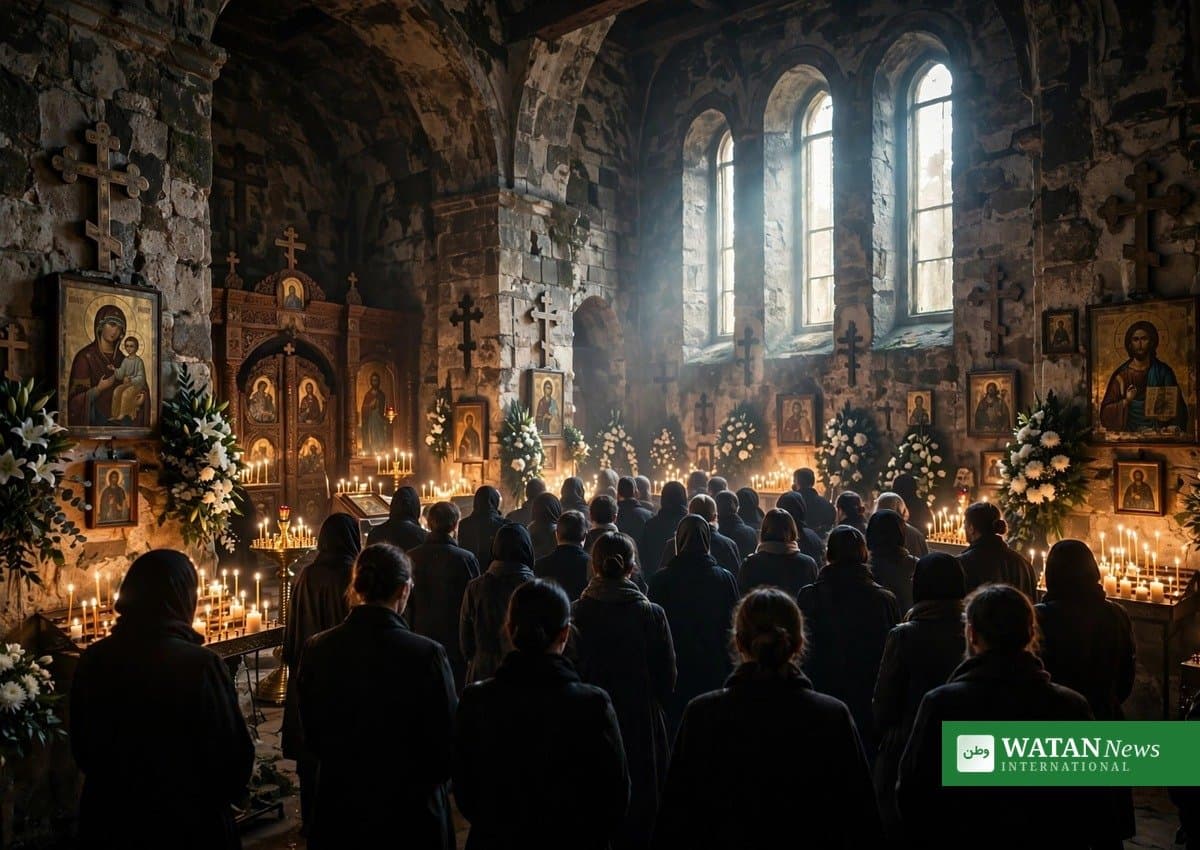
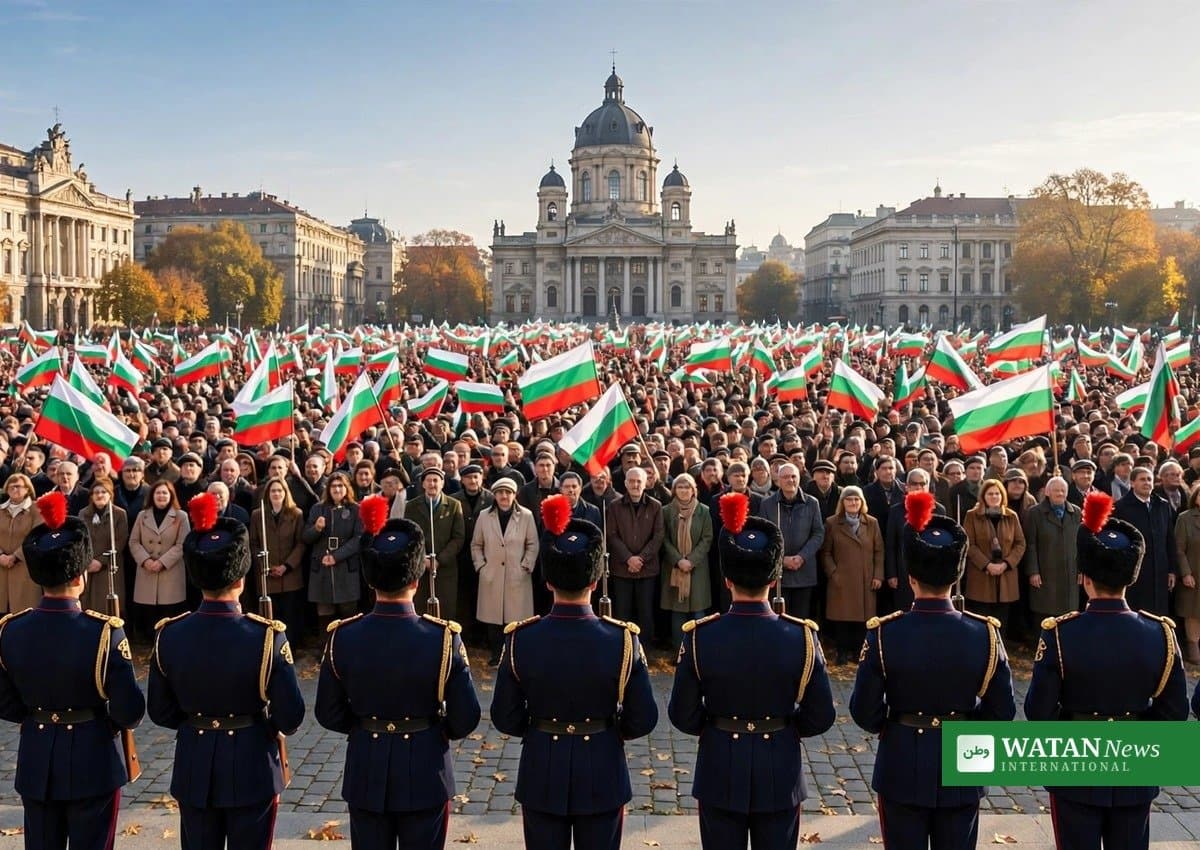
After the handover, the remains were flown to Sofia aboard a Spartan military aircraft. At Vasil Levski Airport they were received by a guard of honour and carried by members of the Bulgarian Armed Forces. A military formation flew over Prince Alexander I Square, greeted by cheers and applause from the crowd.
Thousands of Bulgarians gathered in the square at 12:30 p.m. to welcome the tsar’s remains, which were placed on a platform to the sound of the Guards Brass Band. Addressing the crowd, Radev recalled that Samuel bore the heavy burden of defending his homeland for decades, and that his final chapter — dying in 1014 upon seeing his blinded soldiers — was worthy of a biblical tragedy.
From the square, the remains proceeded in a solemn procession to the Church of St Sophia, where they will rest in a special sarcophagus. Radev noted that it was in this church that the future tsar attended services as a child and was introduced to Christianity.
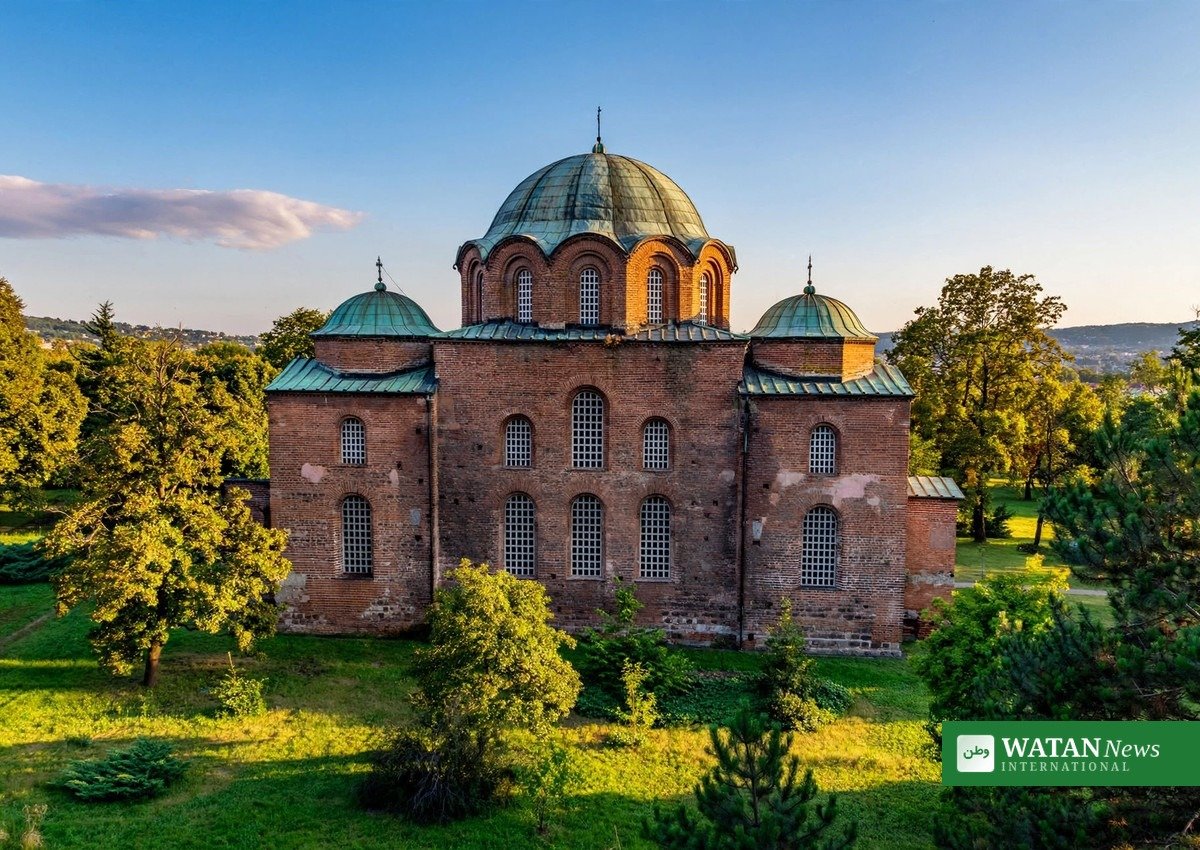
Who Was Tsar Samuel?
Tsar Samuel — Samuil in Bulgarian — ruled Bulgaria from 997 to 1014, during the final decades of the First Bulgarian Empire. He is revered as a national hero who struggled for nearly four decades to preserve his country’s independence against the neighbouring, Greek-speaking Byzantine Empire of Emperor Basil II.
Following the Byzantine victory at the Battle of Kleidion (Klyuch) on July 29, 1014, Samuel died on October 6, 1014, in Prespa, reportedly of grief upon seeing his blinded soldiers. Bulgaria fell to Byzantium in 1018, but Samuel’s resistance secured his lasting place in Bulgarian historical memory as a symbol of national identity.
Six Decades of Efforts
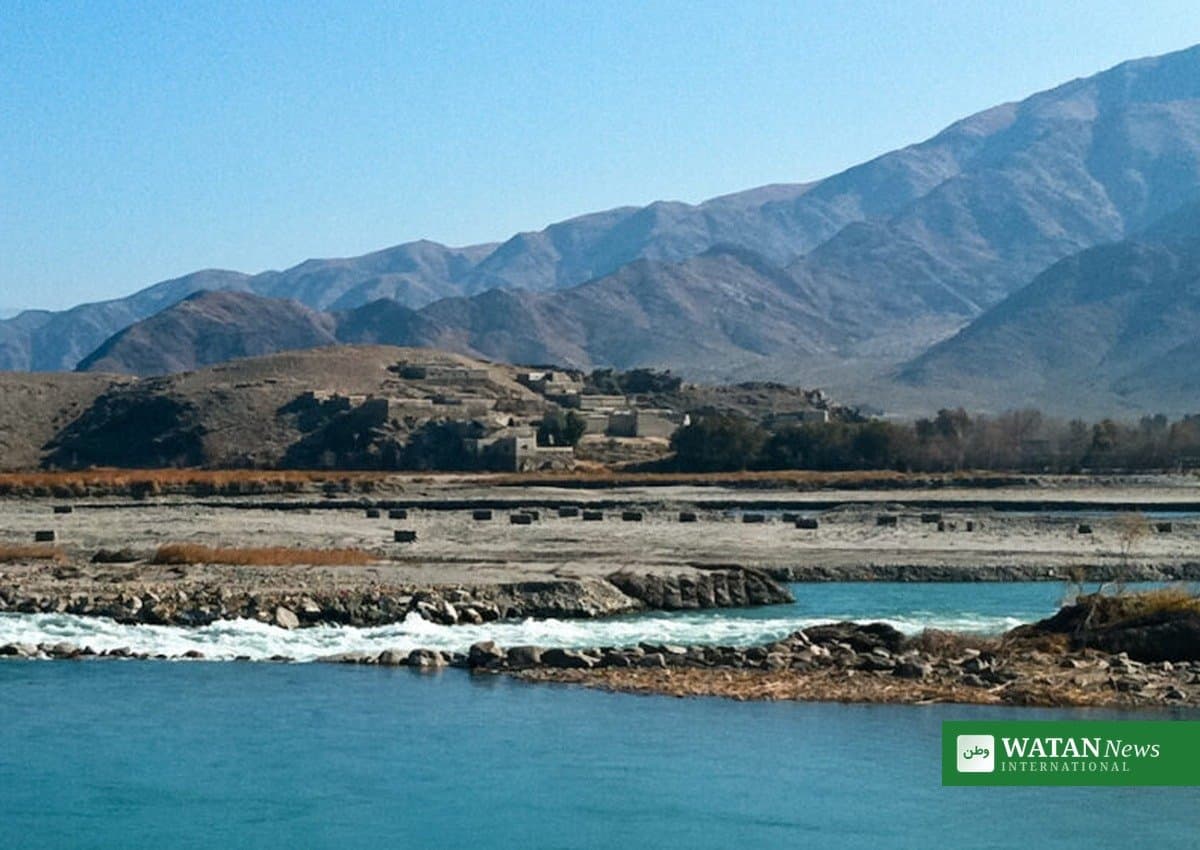
The remains were discovered in 1965 by Greek archaeologist Prof. Nikolaos Moutsopoulos during excavations at the Basilica of St Achillios on an island in Small Prespa Lake in northern Greece — a basilica built by Samuel himself in the late 10th century. Bulgaria’s efforts to have them returned date back to the 1970s, and the issue was raised again in 2022 during talks on energy and infrastructure between the two neighbours.
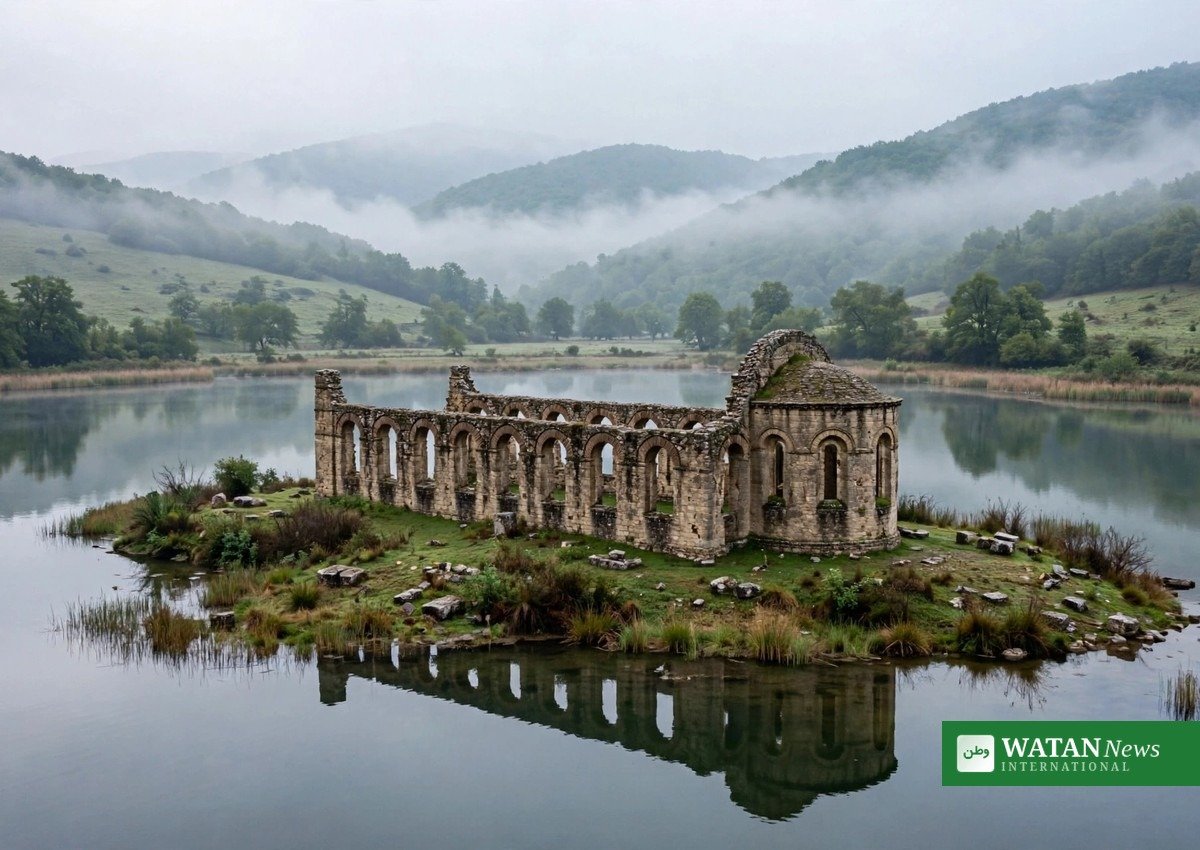
The breakthrough came this year: a memorandum of understanding was signed on September 29, 2026, by the Greek and Bulgarian culture ministers, providing for the reciprocal transfer of the remains and the historic church treasures. “We have reached a historic agreement on the return of the remains of Tsar Samuil,” Radev said when announcing it — the culmination of six decades of diplomacy.
See also our latest world news for more international stories from Watan News.