As Azerbaijan digests its year as COP29 host, reporters from Baku and other Eastern Partnership countries are turning summit-era media capacity into longer climate investigations on energy, forests and climate justice — work backed by a cross-border programme that pairs EaP newsrooms with EU colleagues.
The Berlin-based journalism network n-ost, with support from Journalismfund Europe’s Earth Investigations programme, ran “Digging more deeply: Climate investigations in EaP countries” — an intensive on-site training and support programme for climate journalists from Eastern Partnership (EaP) countries and the European Union.
FAKTA
- COP29 in Baku (11–22 November 2024) put Azerbaijani media under intense international spotlight and spurred media-capacity building on mitigation, adaptation and finance.
- The programme “Digging more deeply: Climate investigations in EaP countries” was run by Berlin-based network n-ost with support from Journalismfund Europe’s Earth Investigations programme.
- It targeted freelance journalists with 2–3 years of experience in climate reporting from Armenia, Belarus, Georgia, Ukraine, Azerbaijan, Moldova and selected EU countries.
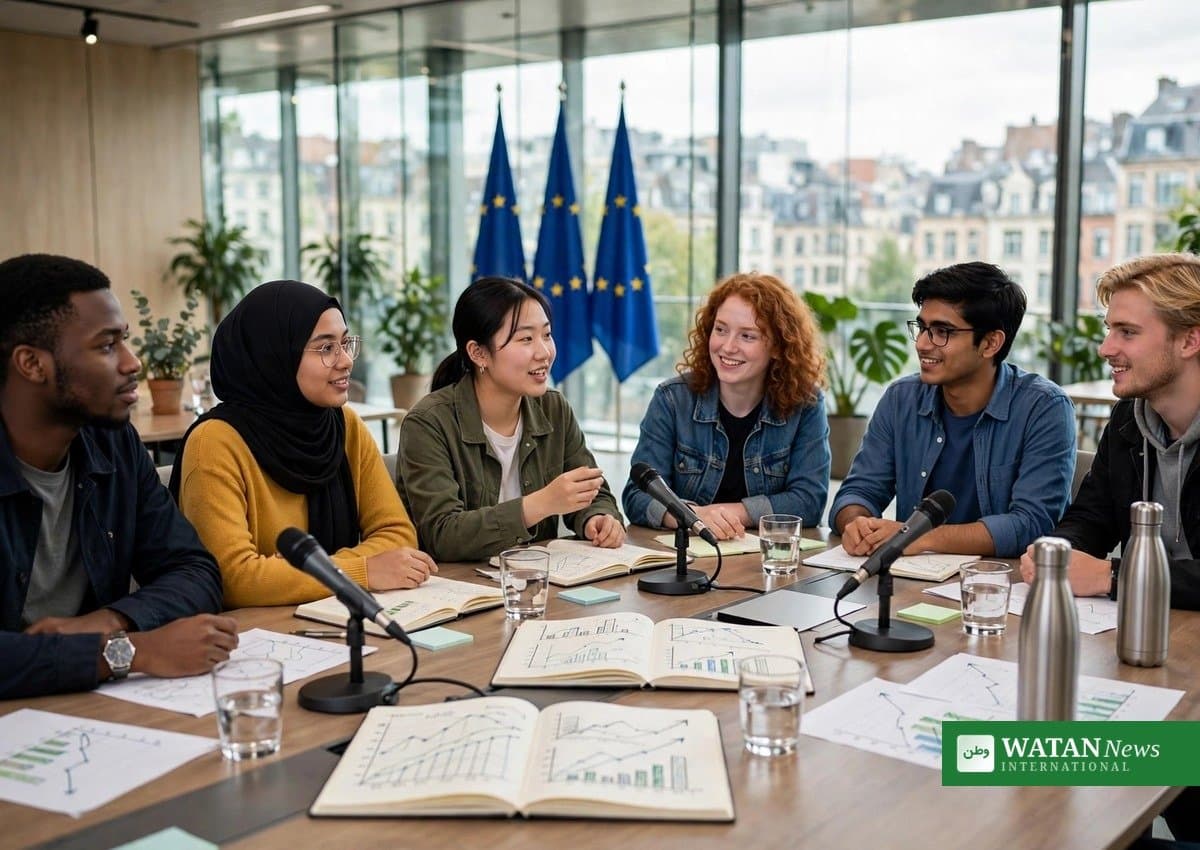
- The key element was a workshop in Chisinau, Moldova, held 7–11 September 2025 for 15–16 selected journalists, equipping them for pre-investigative and exploratory research on climate and energy.
- After the workshop, participants could apply for funding of up to €800 to support story development and identify leads, trends and actors.
- 16 participants were selected (11 from EaP countries, 5 from EU countries); a publication call followed, with 8 publication proposals selected — 2 cross-border team projects and 4 individual projects.
- Topics include energy independence, forest protection, green transition and climate justice.
From summit coverage to investigative follow-through
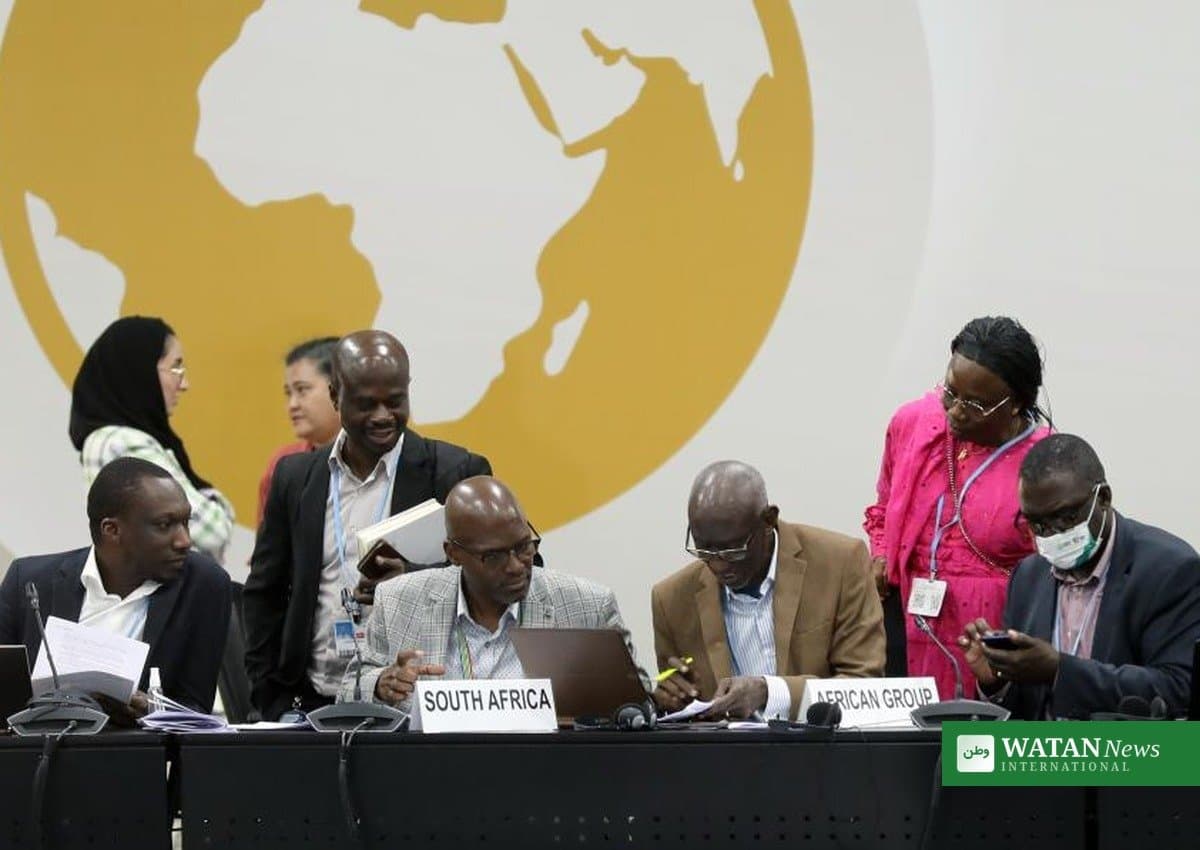
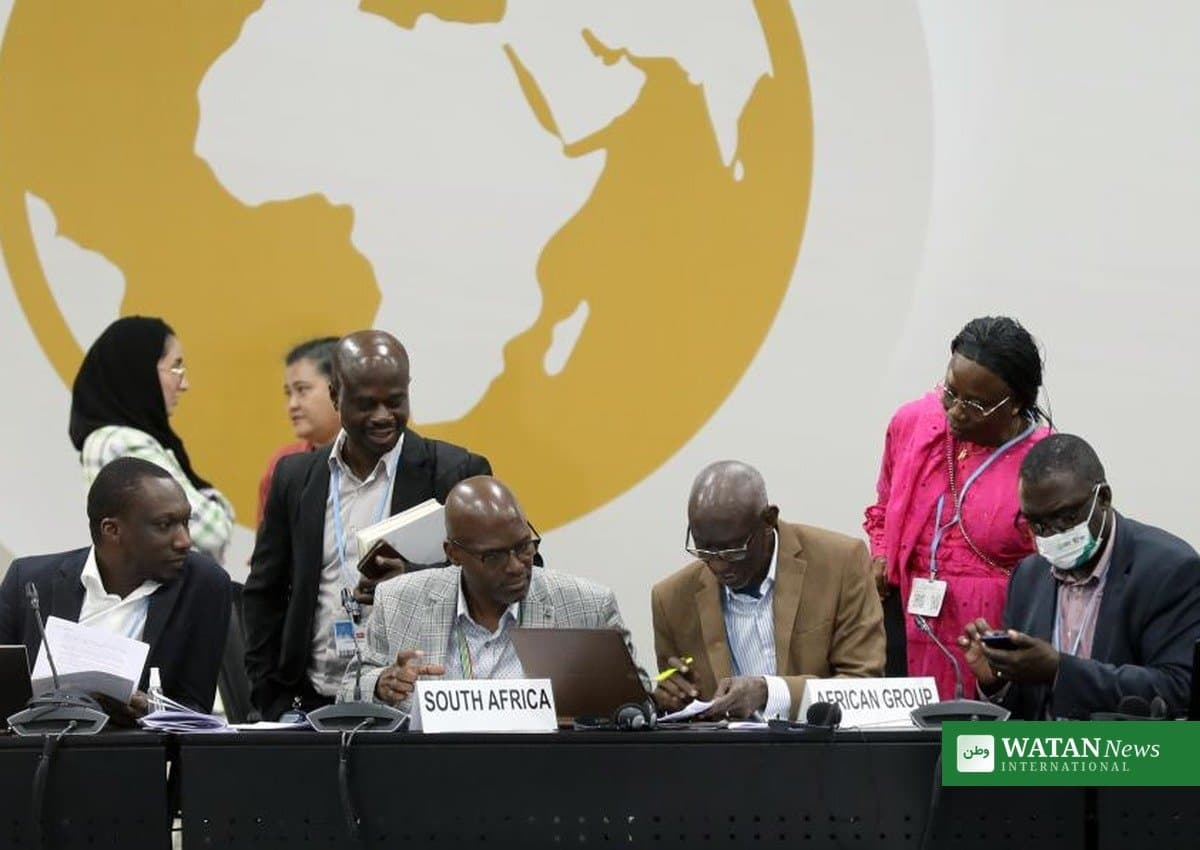
In the run-up to COP29, the COP29 Presidency and UN partners ran workshops in Baku on communication strategies, accreditation and Blue/Green Zone media facilities so local outlets could cover mitigation, adaptation and finance debates with more precision. That summit moment did not end climate reporting needs: in 2025–2026, the n-ost programme carried the momentum into deeper work for reporters who often operate with limited access to data.
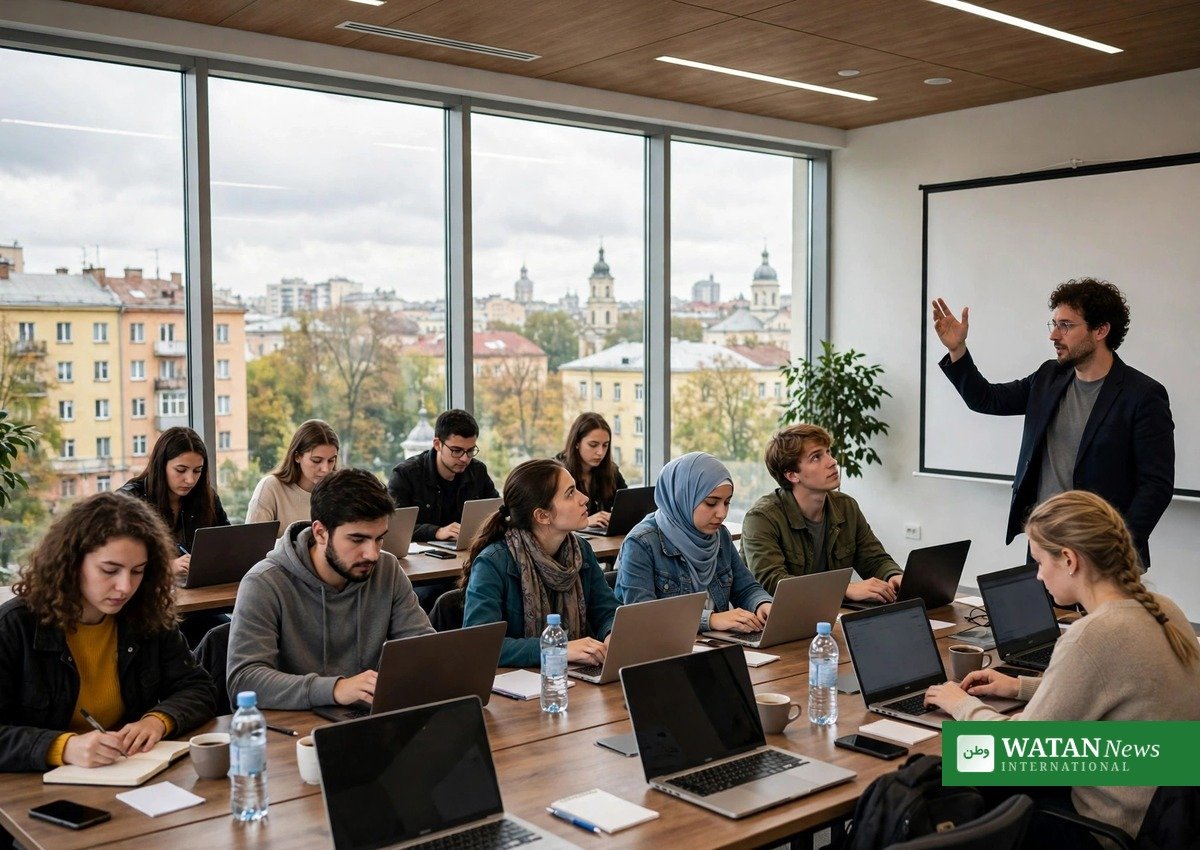
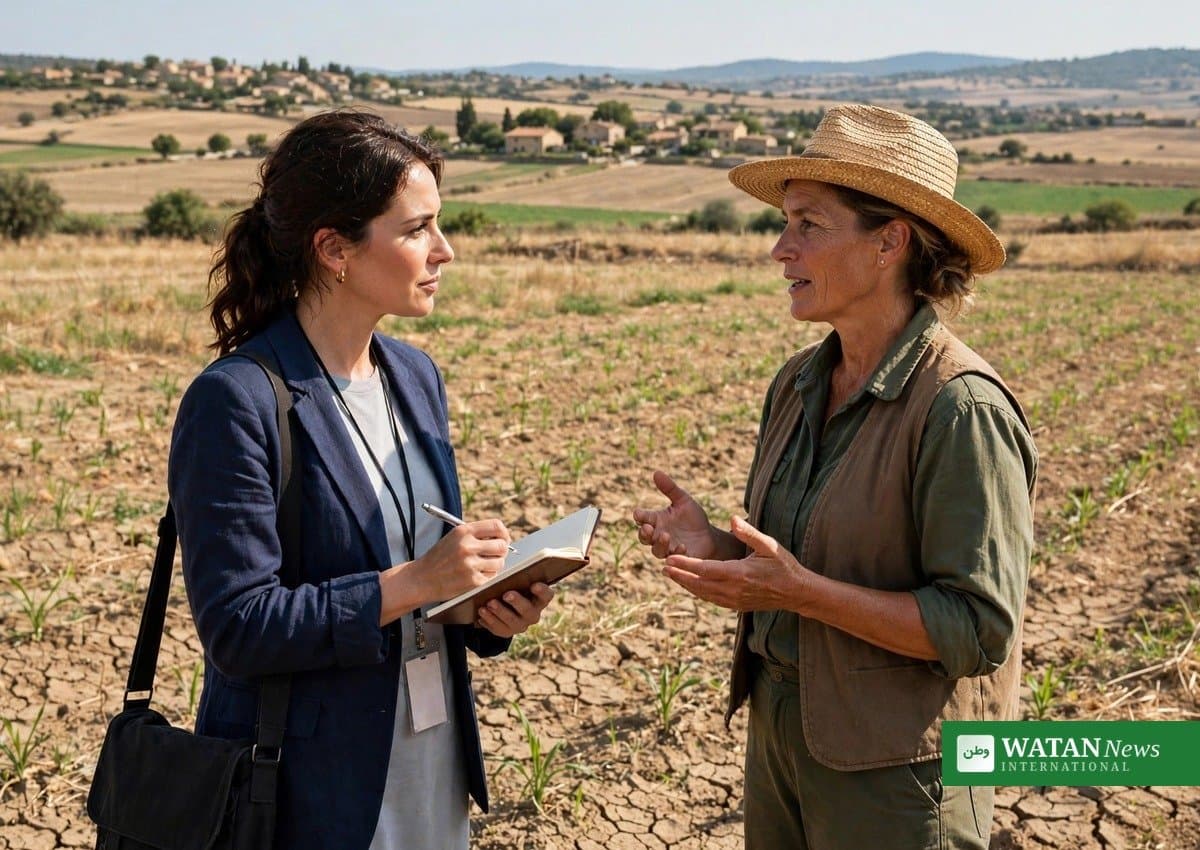
Many participants were stepping into investigative journalism for the first time, especially in challenging environments with limited access to data. The programme is designed to foster investigative and solutions-oriented journalism on pressing climate topics such as energy independence, forest protection, green transition and climate justice.
Climate investigations: what the programme delivered
Following the workshop, an internal jury reviewed submissions and selected eight publication proposals — two cross-border team projects and four individual projects — with all produced materials published in the project’s featured articles section. The work connects Eastern Partnership reporters with EU peers for training, mentoring and a publication track.
The full story is also available on Watan News International’s main site.