Nairobi, Kenya — Kenya has launched a five-year, US$200 million watershed and landscape restoration programme covering 12 counties, in a major push to rehabilitate degraded land, secure water supplies and strengthen communities against climate change. The Kenya Watershed Services Improvement Project, known as KEWASIP, was launched at an event in Nairobi on 2 November 2026 by Environment, Climate Change and Forestry Cabinet Secretary Dr Deborah Barasa.
The programme is financed by the World Bank through its International Development Association arm, with funding worth about 26 billion Kenyan shillings. It aims to restore 200,000 hectares of degraded ecosystems and benefit around 750,000 people directly and indirectly over its five-year implementation period.
What the programme will do
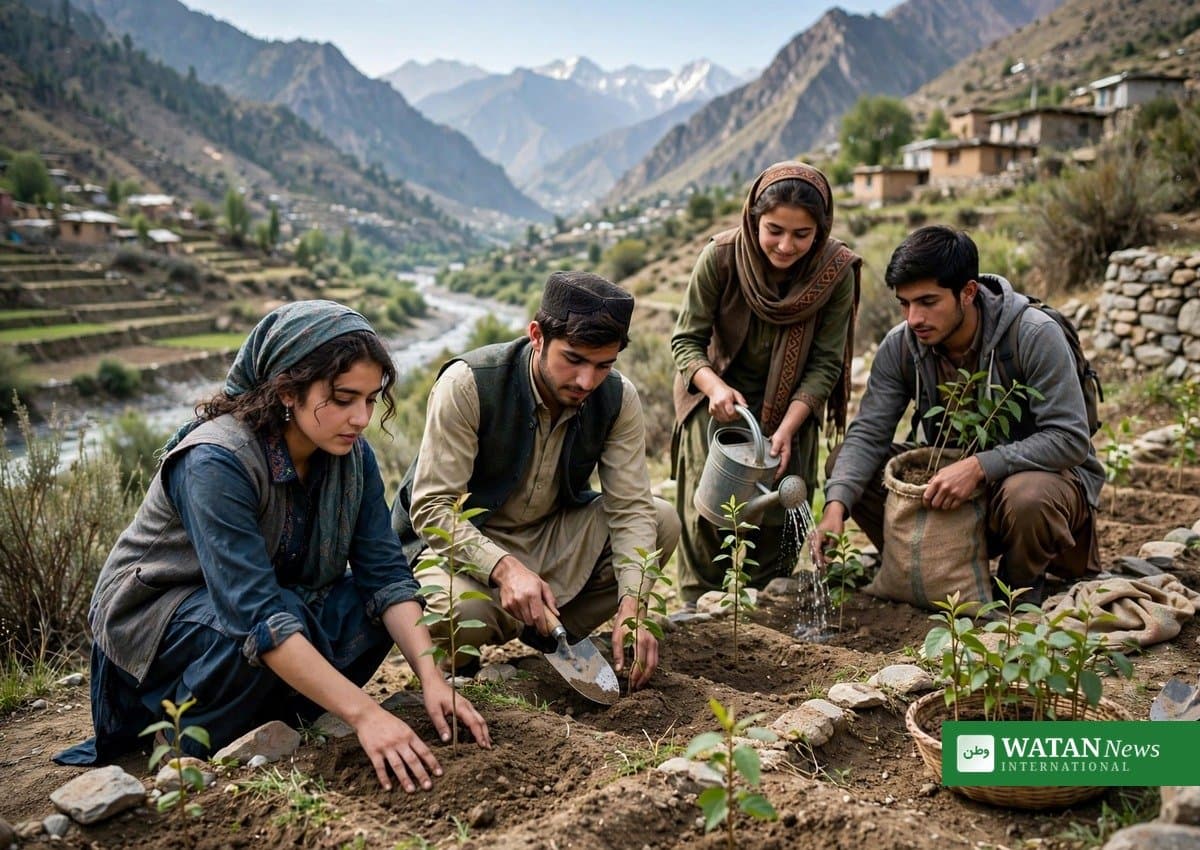
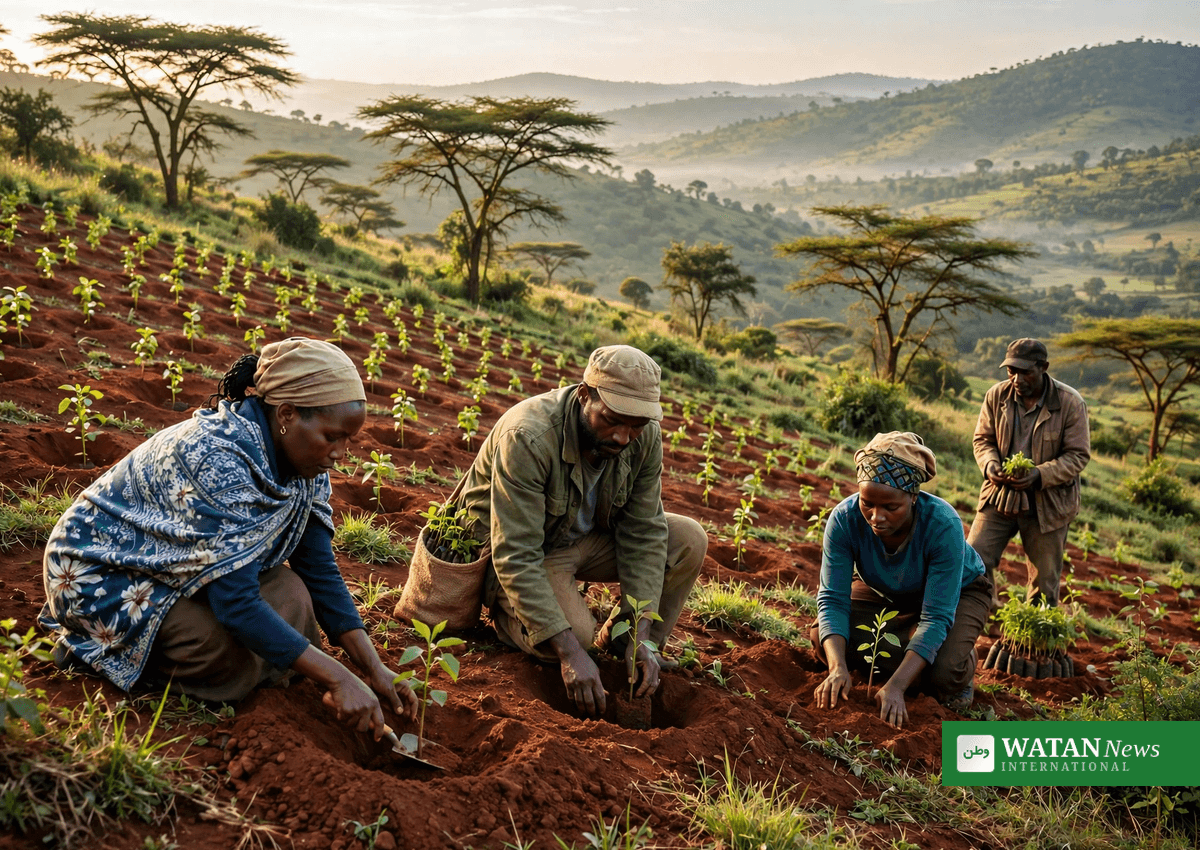
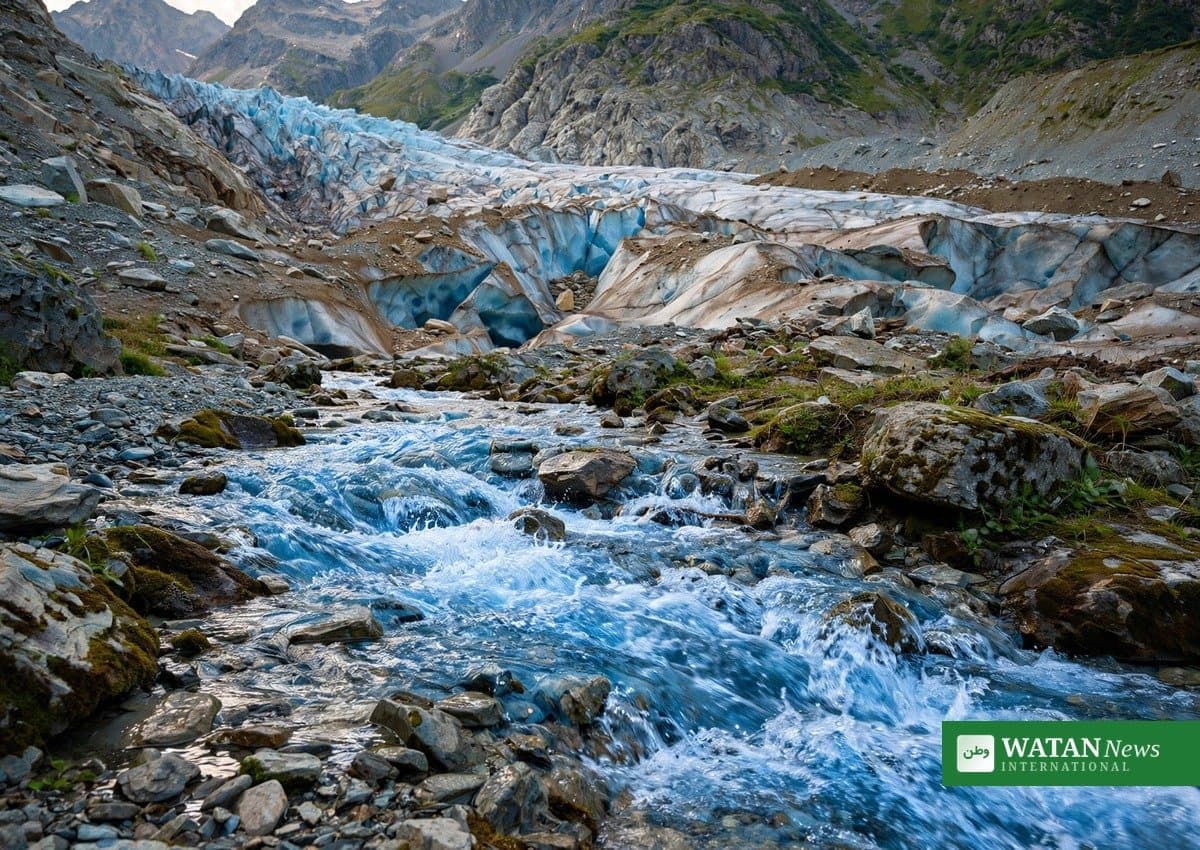
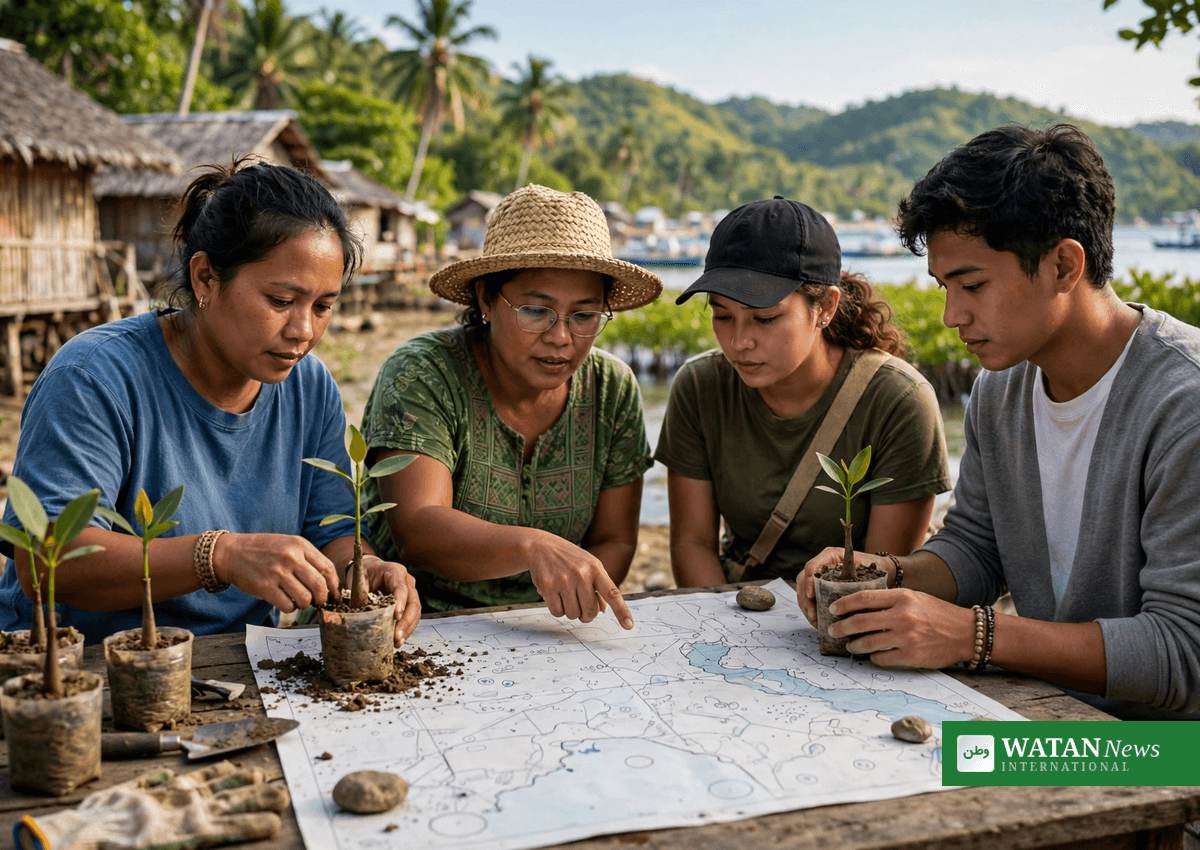
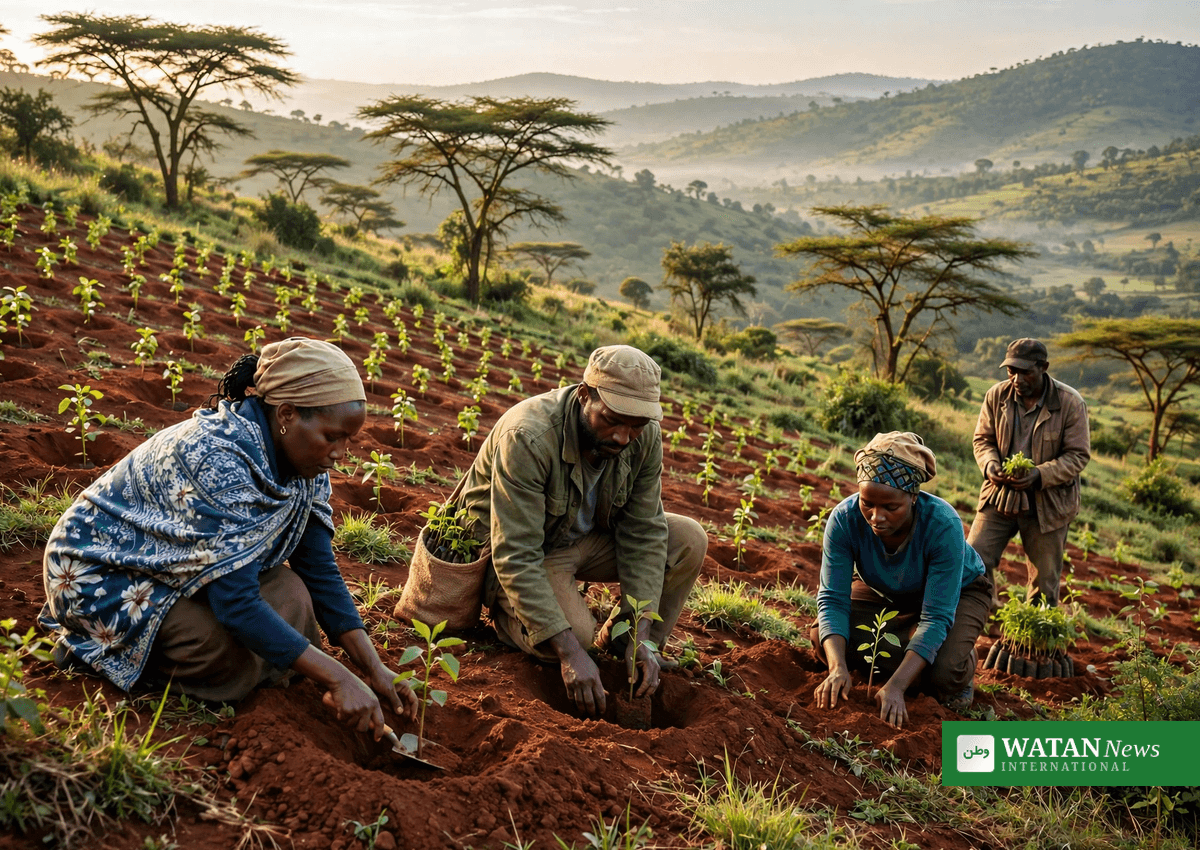
KEWASIP focuses on sustainable land and watershed management: restoring degraded forests and rangelands, protecting the water catchments that farms and towns depend on, and supporting community groups involved in natural resource management and nature-based enterprises. Particular attention is given to vulnerable and marginalised communities whose livelihoods depend most directly on healthy land and water.
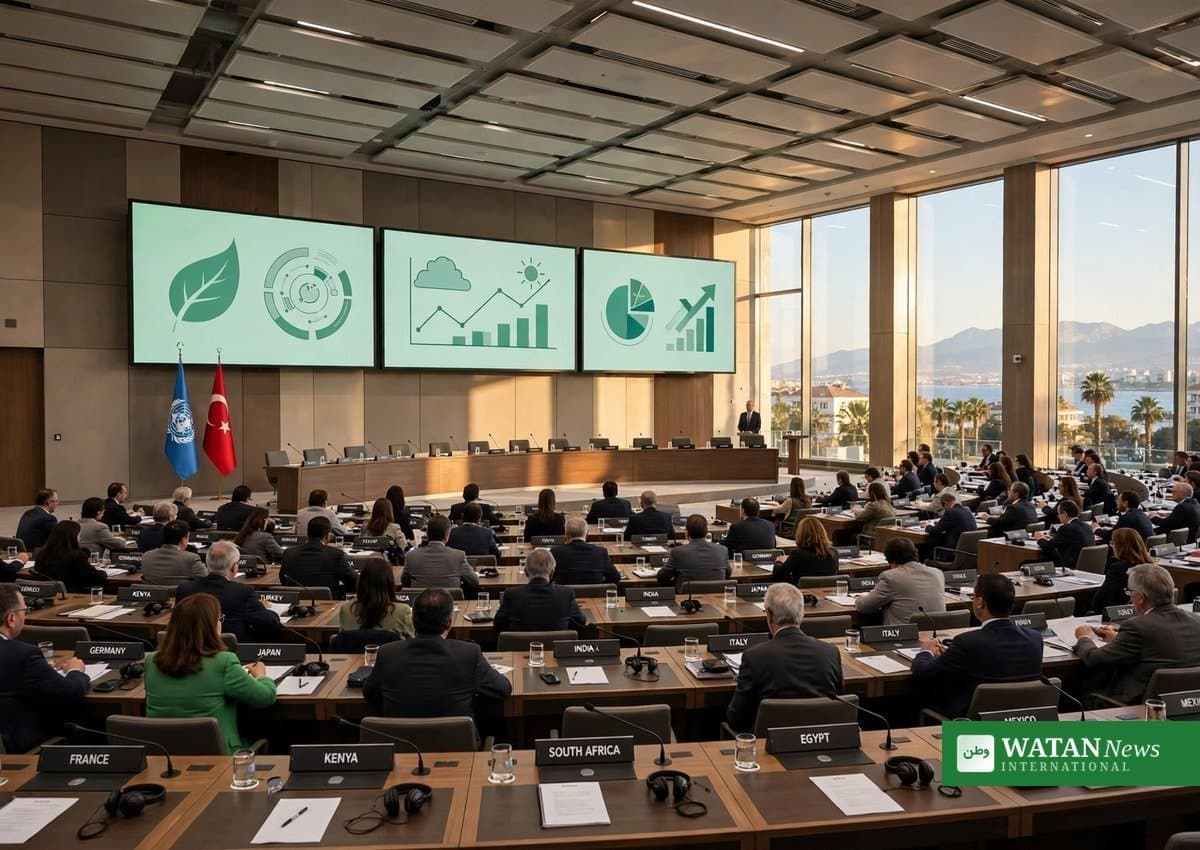
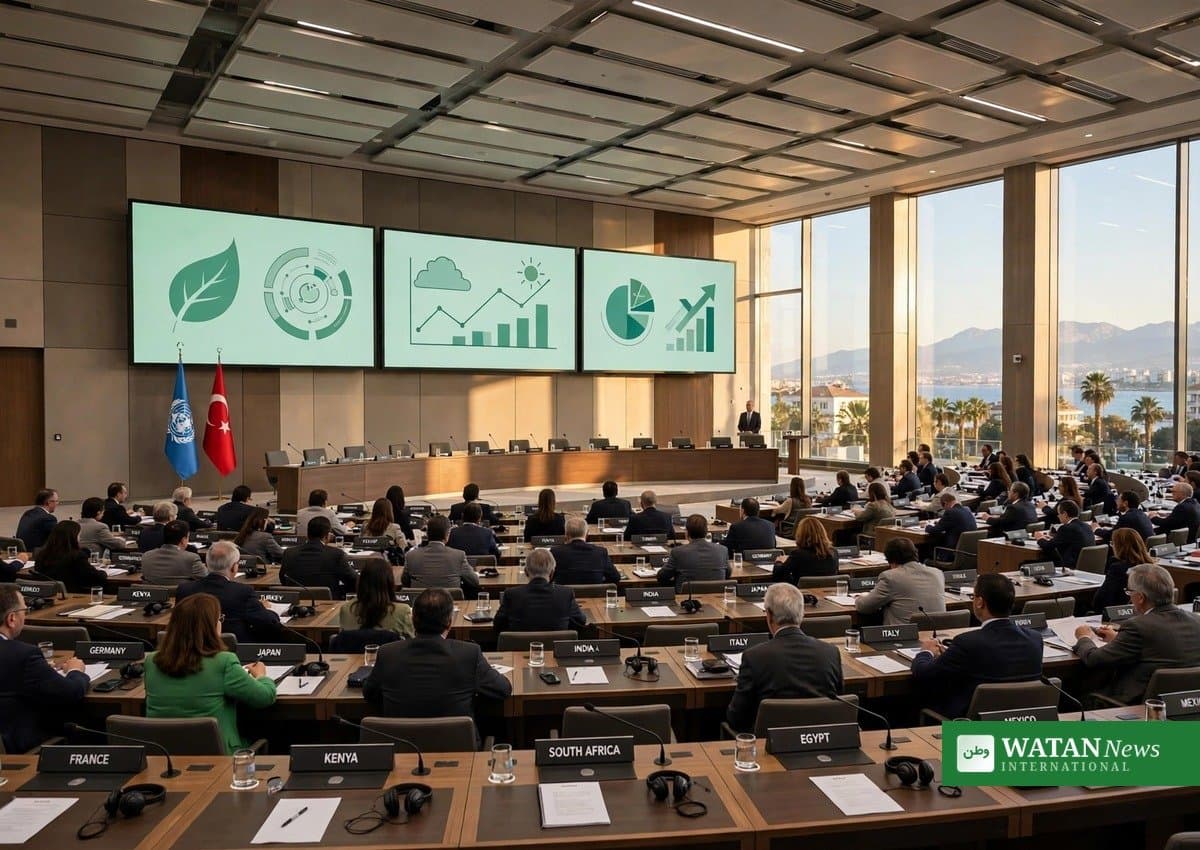
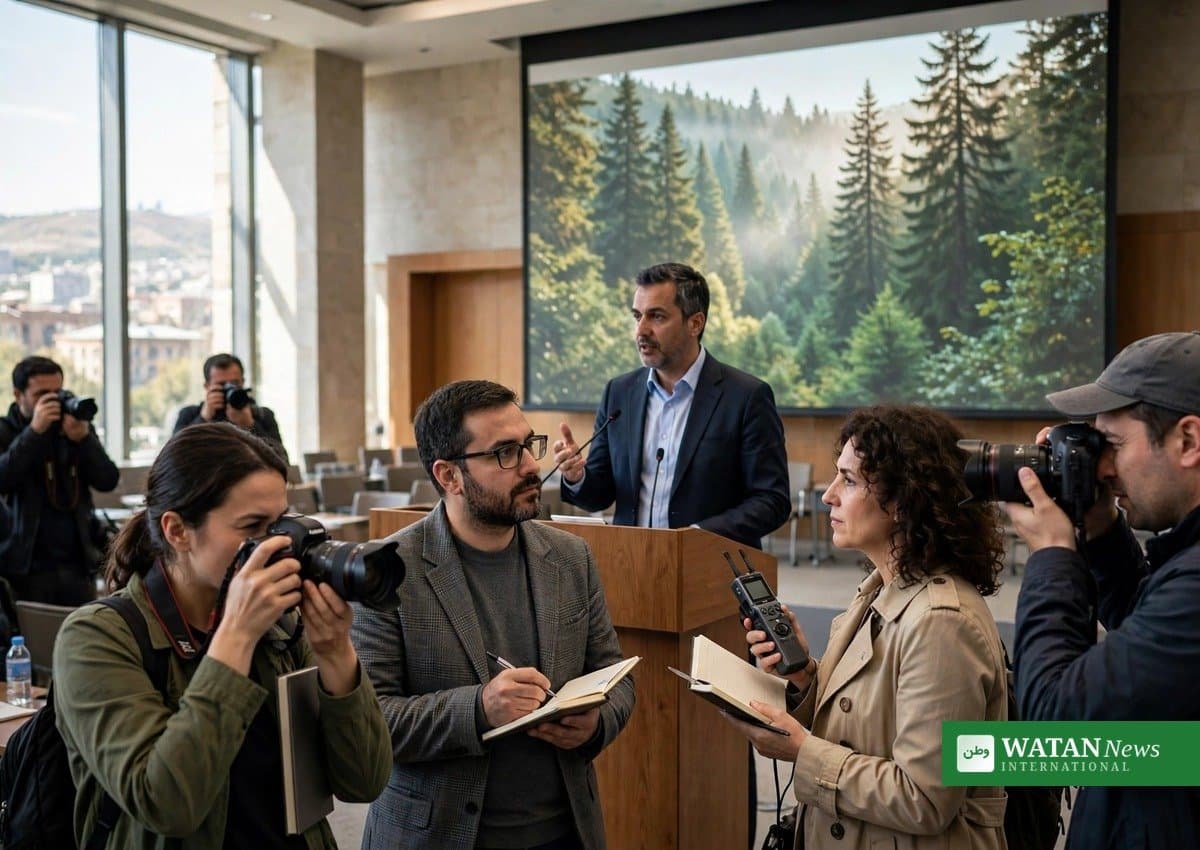
The launch brought together representatives of the 12 implementing counties, the Council of Governors, national implementing agencies, the World Bank and other stakeholders in environmental conservation. Cabinet Secretary Barasa urged implementing agencies to accelerate work, noting that the project became effective on 23 December 2025 and that important groundwork had already been undertaken.
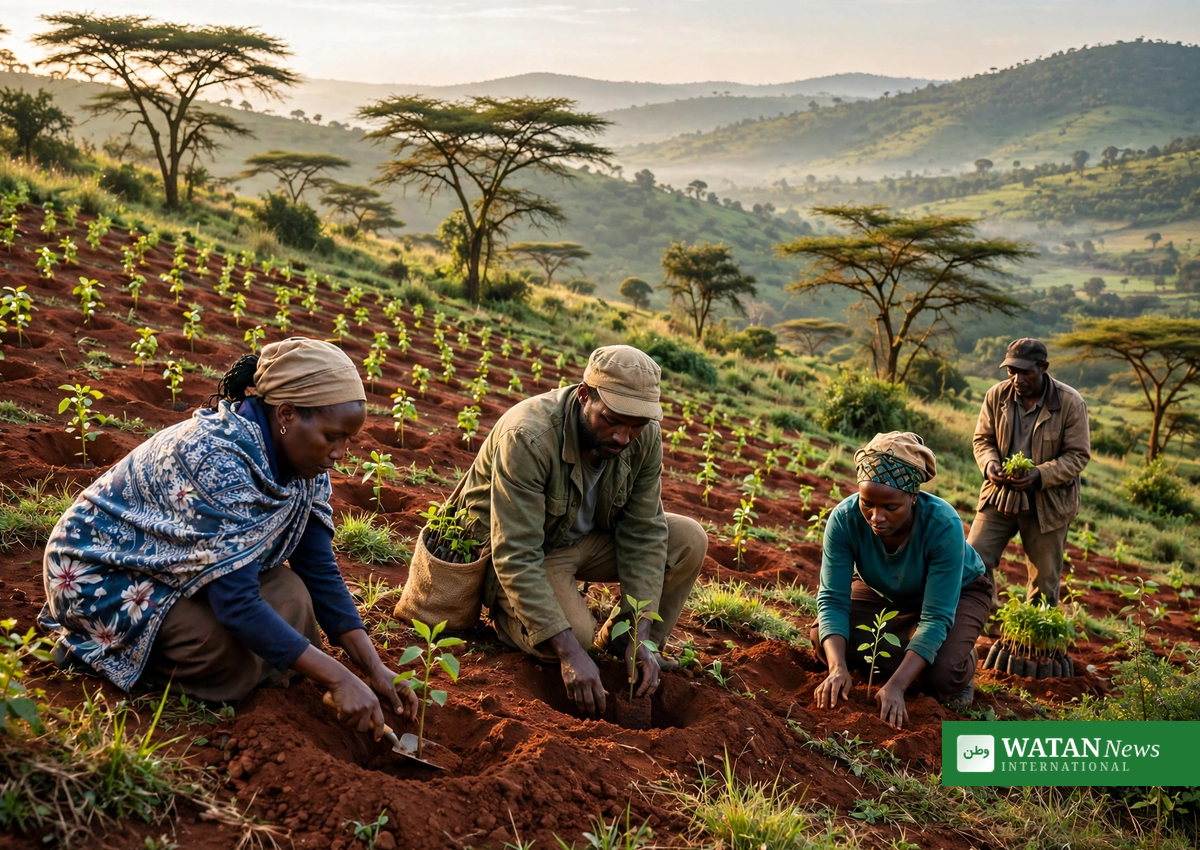
Kenya watershed restoration: five landscapes, 12 counties
The programme targets five priority landscapes:
- Marsabit Hills
- Marmanet Hills
- Nyambene Hills
- Chyulu Hills
- Shimba Hills
These landscapes span 12 counties: Marsabit, Isiolo, Meru, Tharaka Nithi, Laikipia, Samburu, Baringo, Makueni, Kitui, Garissa, Tana River and Kwale — a geography stretching from the semi-arid north to the coastal hinterland, encompassing some of Kenya’s most ecologically stressed terrain.
Why survival matters more than planting numbers
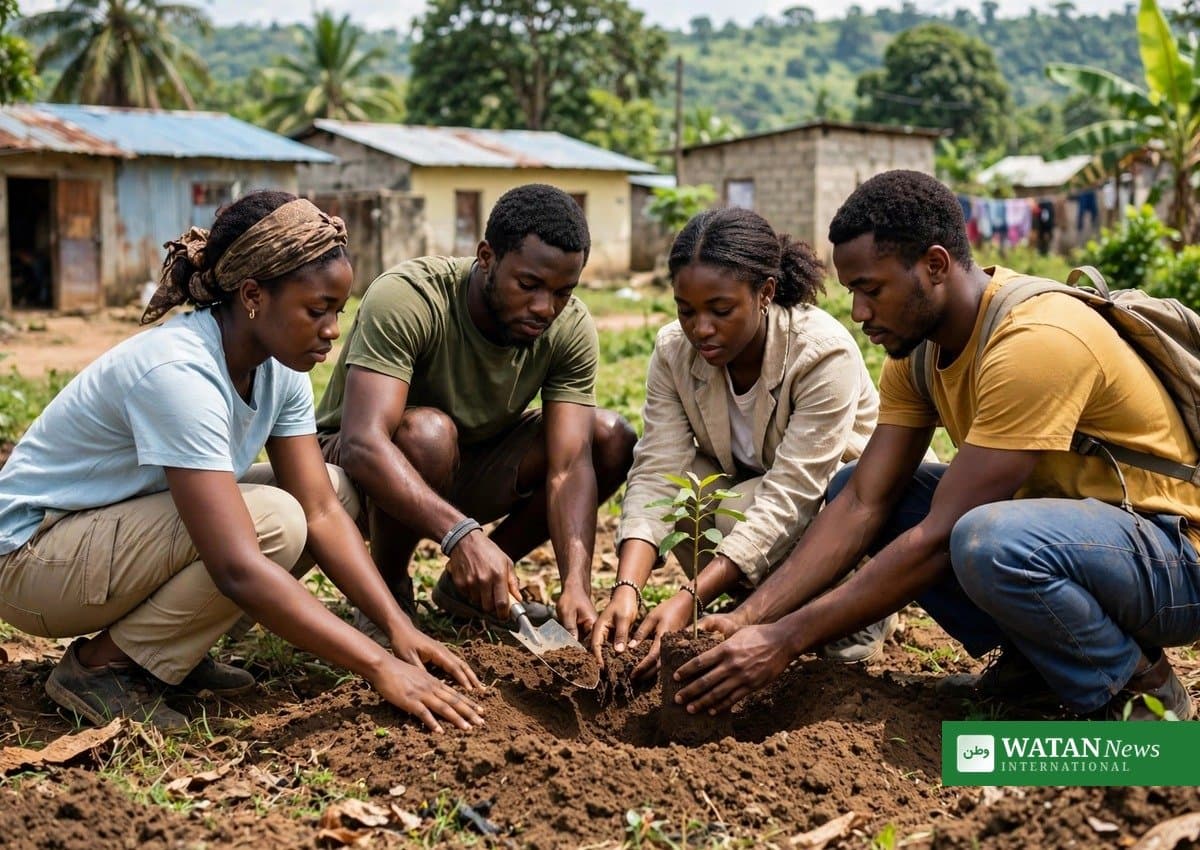
At the launch, Barasa cautioned against judging restoration only by the number of trees planted. According to reports of her remarks, what matters is whether trees survive, whether watersheds recover, whether biodiversity is protected and whether communities see meaningful improvements in their livelihoods. Planting without addressing the causes of environmental destruction, she said, would undermine long-term conservation goals.
That distinction matters for a plantation-focused programme. Reports of the launch note that plantation forests account for about five per cent of Kenya’s forests, while indigenous forests make up the remaining 95 per cent: plantation forests are generally harvested for timber and other products when mature, while indigenous forests are preserved mainly for conservation and the protection of natural ecosystems. KEWASIP’s integrated approach links forests, rangelands and farming systems rather than treating tree planting alone as the measure of success.
Part of a bigger national goal
KEWASIP sits within Kenya’s wider restoration drive. The country aims to restore 10.6 million hectares of degraded landscapes by 2032 under its National Landscape and Ecosystem Restoration Strategy, and to raise national tree cover to 30 per cent by 2032 under the Presidential 15 Billion Tree Growing Programme. Programme reporting also notes that about 88.6 per cent of Kenya’s land is at risk of degradation, threatening food security, poverty reduction and climate resilience.
One report of the launch said the programme is expected to create 25,000 jobs; that figure is reported, not confirmed in the other launch accounts, and is presented here as such. What is consistent across the launch reporting is the scale of the ambition: 200,000 hectares restored, 750,000 people benefiting, and five watersheds managed as connected landscapes rather than isolated projects.
Key facts
- Programme: Kenya Watershed Services Improvement Project (KEWASIP), five years
- Financing: US$200 million (about KSh26 billion) from the World Bank
- Launch event: Nairobi, 2 November 2026, led by Cabinet Secretary Dr Deborah Barasa
- Target: 200,000 hectares of degraded ecosystems restored; about 750,000 people to benefit
- Coverage: five landscapes — Marsabit, Marmanet, Nyambene, Chyulu and Shimba Hills — across 12 counties
- National context: 10.6 million hectares to be restored by 2032; 30 per cent tree cover target by 2032
Read more of Watan News International’s climate coverage.