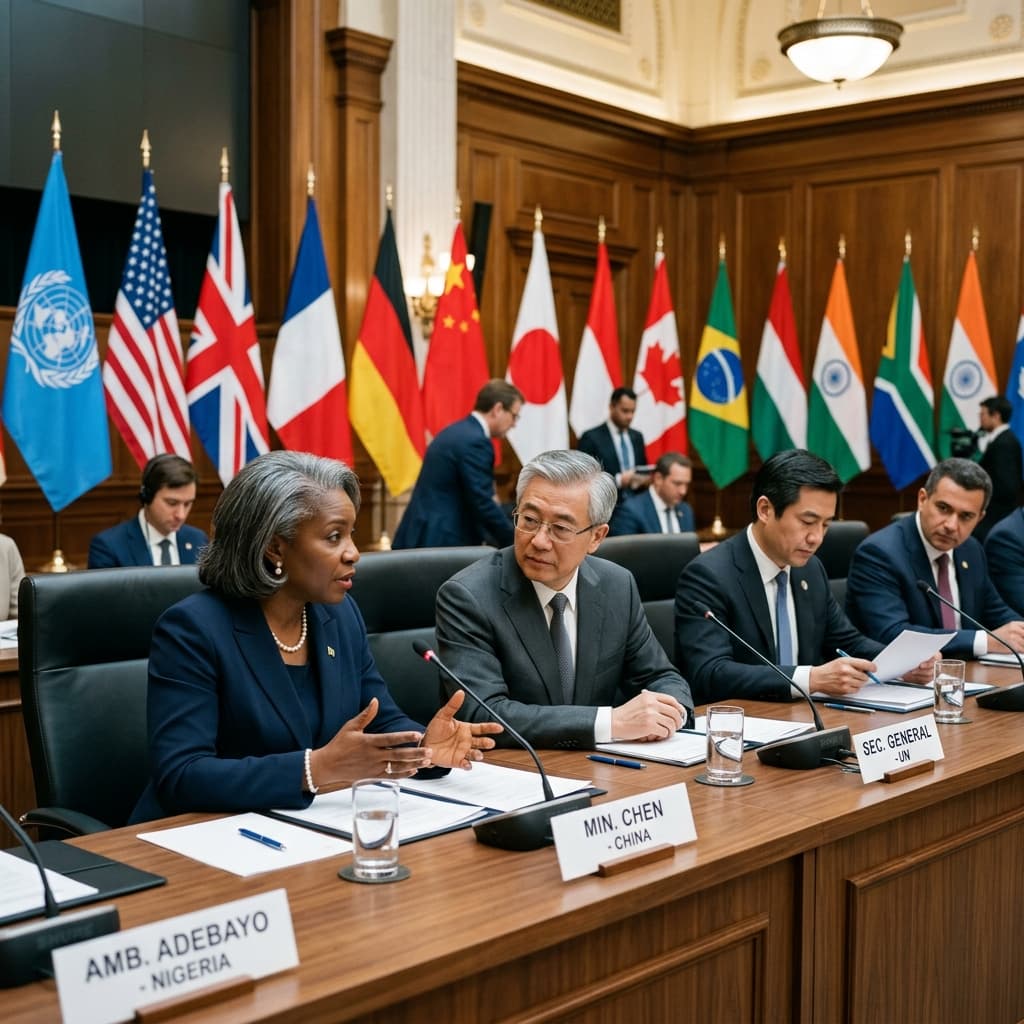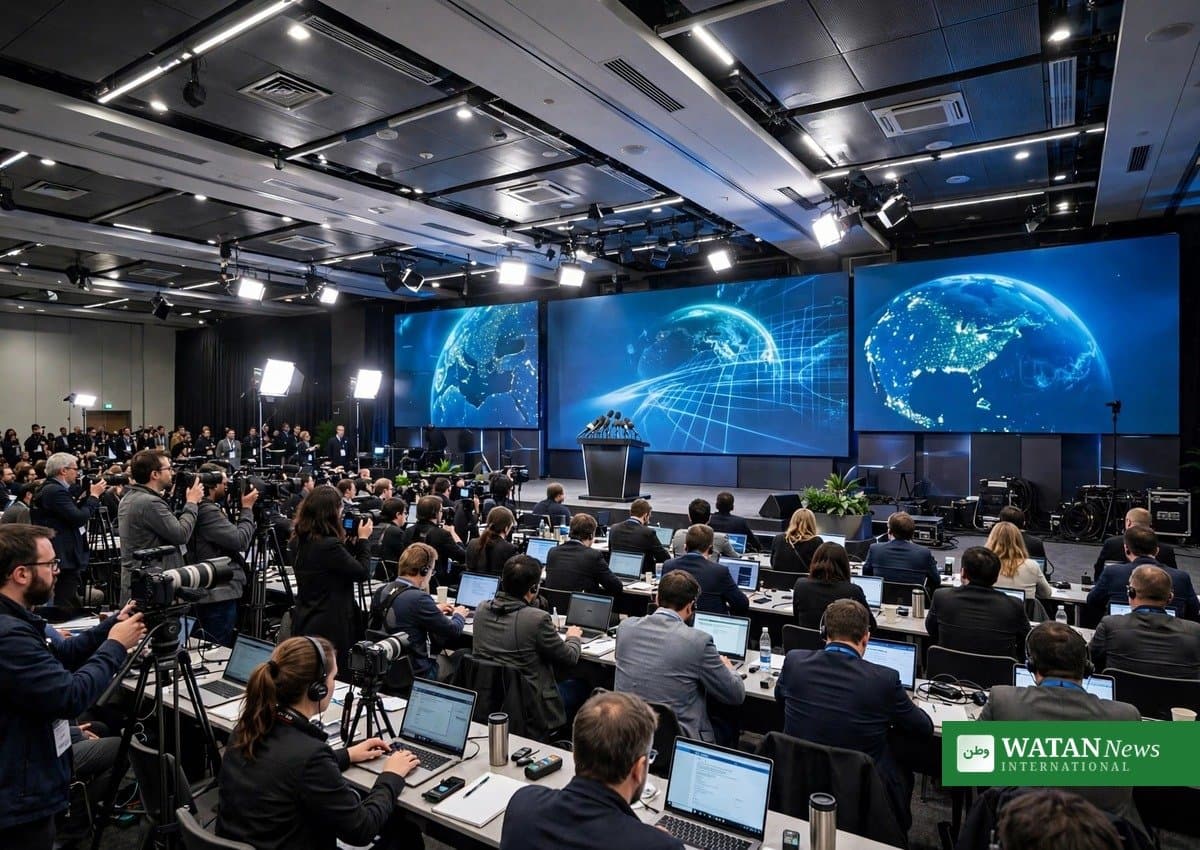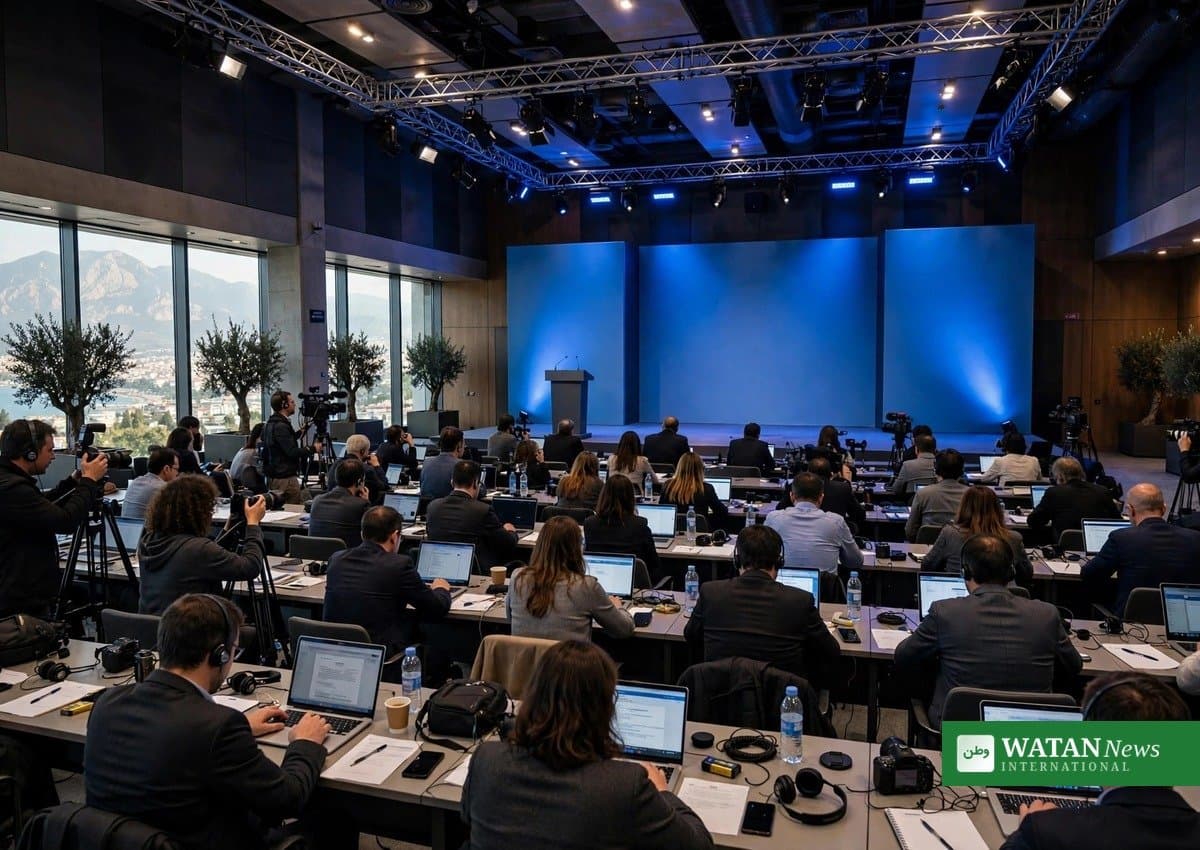
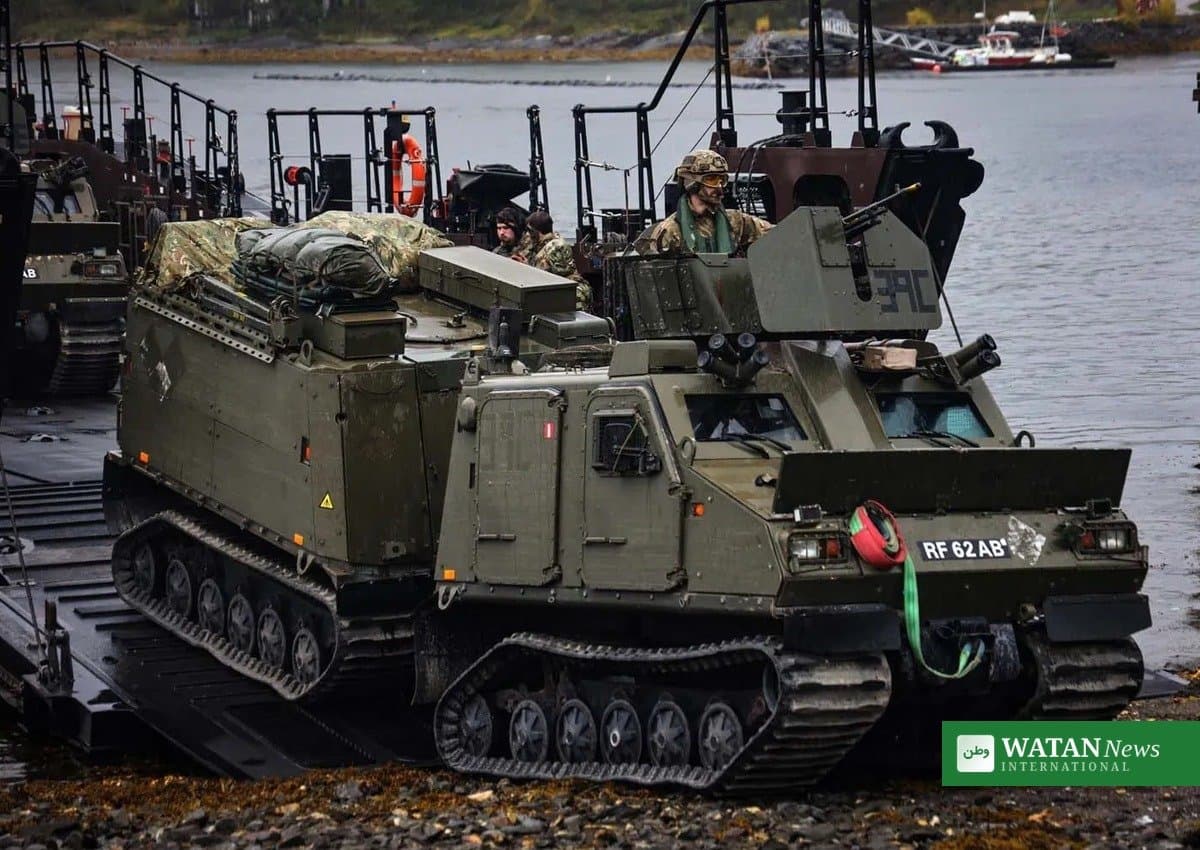
JEF defence ministers met at Keflavik Air Base in Iceland on 2 October 2026 and issued a joint statement committing the UK-led force to deeper support for Ukraine and to advancing Canada’s application to join the alliance. The meeting, the first in-person gathering of JEF defence ministers this year, set out three priorities: the JEF-Ukraine Enhanced Partnership, the defence of the Arctic, High North, North Atlantic and Baltic Sea, and stronger peacetime deterrence against Russian hybrid threats.
The ministers met under guidance from the JEF Leaders’ Summit in Helsinki in March, as the force’s flagship Exercise Lion Protector 26 continued across Iceland and Norway. Canada’s defence minister attended the summit for the first time, while Ukraine’s defence minister joined the discussions virtually.
Key Facts
- Defence ministers of the ten JEF nations met at Keflavik Air Base, Iceland, on 2 October 2026.
- The JEF is UK-led and brings together Denmark, Estonia, Finland, Iceland, Latvia, Lithuania, the Netherlands, Norway and Sweden.
- Ministers agreed to deepen the JEF-Ukraine Enhanced Partnership after Ukraine’s first participation in Exercise Lion Protector.
- Canada has officially applied to join the JEF; ministers advanced work towards a shared recommendation to JEF leaders on membership.
- Exercise Lion Protector 26 includes amphibious landings on the Faroe Islands, the first such exercise there since the Second World War.
- Iceland will host the next JEF Leaders’ Summit in Reykjavik next spring.
What the JEF defence ministers agreed in Iceland
The joint statement issued at Keflavik sets out three agreed lines of action. First, ministers committed to ambitious delivery of the JEF-Ukraine Enhanced Partnership, established in 2025 to deepen cooperation and strengthen collective security. Ukrainian Defence Minister Khamara joined his counterparts virtually to mark the partnership’s progress, including Ukraine’s first participation in the flagship Lion Protector exercise, with Ukrainian mine countermeasure vessels operating alongside JEF forces. The ministers agreed to deepen Ukraine’s involvement in JEF activities, saying the force benefits from Ukraine’s operational experience of modern warfare.
Second, the ministers reaffirmed that the Baltic Sea region, the High North and the North Atlantic remain the JEF’s core and interconnected area of strategic interest. Joined by Canadian Defence Minister David J. McGuinty, they discussed deepening cooperation between the JEF and Canada, noted Canada’s application to join the framework, and advanced work towards a shared recommendation to JEF leaders on Canadian membership. They also agreed the JEF’s overarching policy direction and a common framework for structuring engagement with partners.
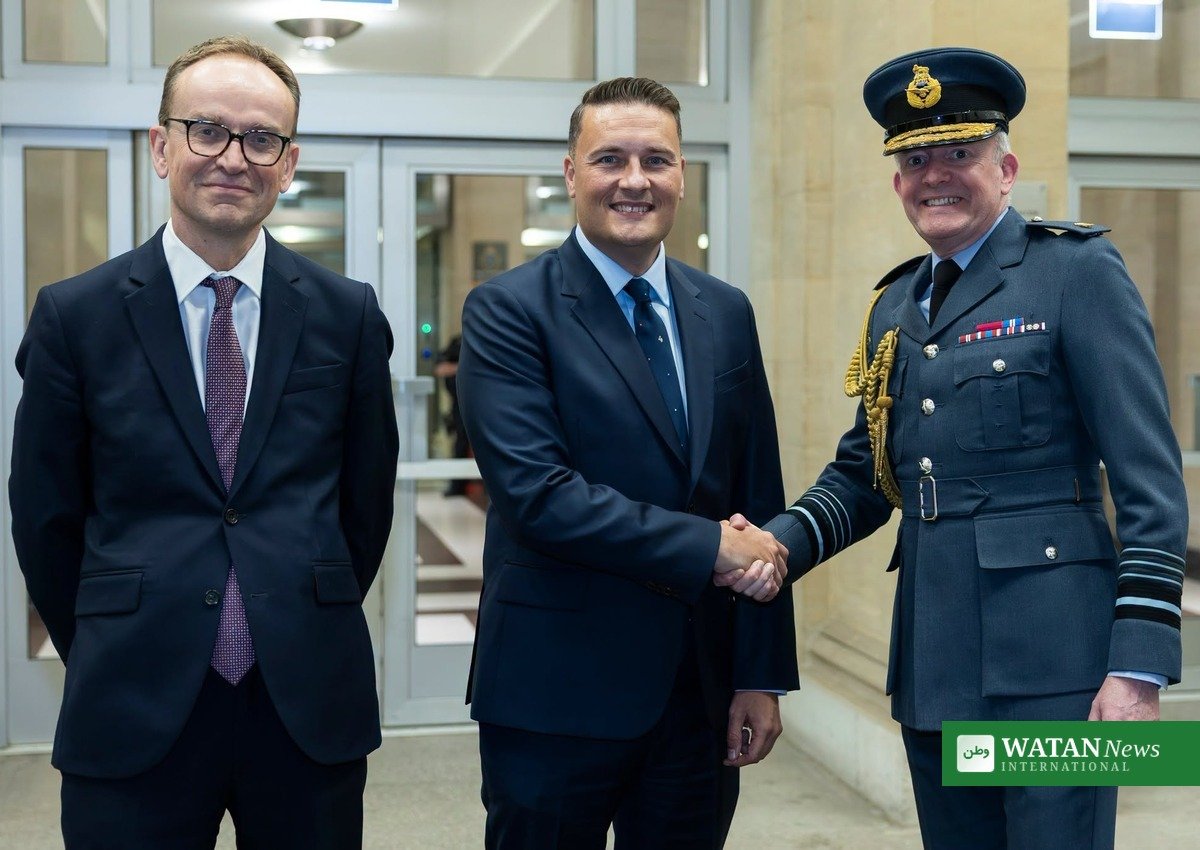
Third, ministers agreed to increase the JEF’s deterrence and peacetime activity. They received an update on the Lion Protector series, conducted across Iceland and Norway this autumn and synchronised with the UK’s Carrier Strike Group, and reviewed the JEF’s five-year programme of activity. They also discussed Russia’s hybrid activity and sabotage against JEF nations, agreeing to continue developing common approaches and stating they “will not be deterred from supporting Ukraine”. The statement adds that JEF nations do not seek confrontation and pose no threat to Russia, but that Russia “should be in no doubt that we will defend ourselves”.
Joint statement priorities
| Priority | What the JEF defence ministers agreed |
|---|---|
| Support for Ukraine | Ambitious delivery of the JEF-Ukraine Enhanced Partnership; deepen Ukraine’s involvement after its first participation in Exercise Lion Protector |
| Northern flank security | Reaffirm the Baltic Sea, High North and North Atlantic as the JEF’s core strategic interest; advance Canada’s membership application towards a leaders’ recommendation |
| Deterrence and activity | Continue the Lion Protector exercise series; align JEF response options with NATO regional plans; develop common approaches against hybrid threats |
Exercise Lion Protector 26 and the Faroe Islands
The ministerial meeting took place against the backdrop of Exercise Lion Protector 26, the JEF’s flagship exercise, which launched in August with a multinational maritime escort operation stretching the length of the Baltic Sea. Warships and aircraft from Denmark, Latvia, Sweden and the UK escorted a Danish vessel carrying military equipment to Latvia, testing the JEF’s ability to coordinate across sea, land, air, cyber and space.
Part of the exercise saw Royal Marines from the UK’s Special Operations Maritime Task Group conduct amphibious landings on the Faroe Islands alongside Danish forces — the first exercise on the Faroes since the Second World War, when the islands hosted a key Royal Marines deployment. The marines carried out maritime interdictions, amphibious landings and vertical ascent training. The UK’s Standing Joint Force Headquarters coordinated activity across the High North and Baltic Sea region, deploying north of the Arctic Circle in Norway.
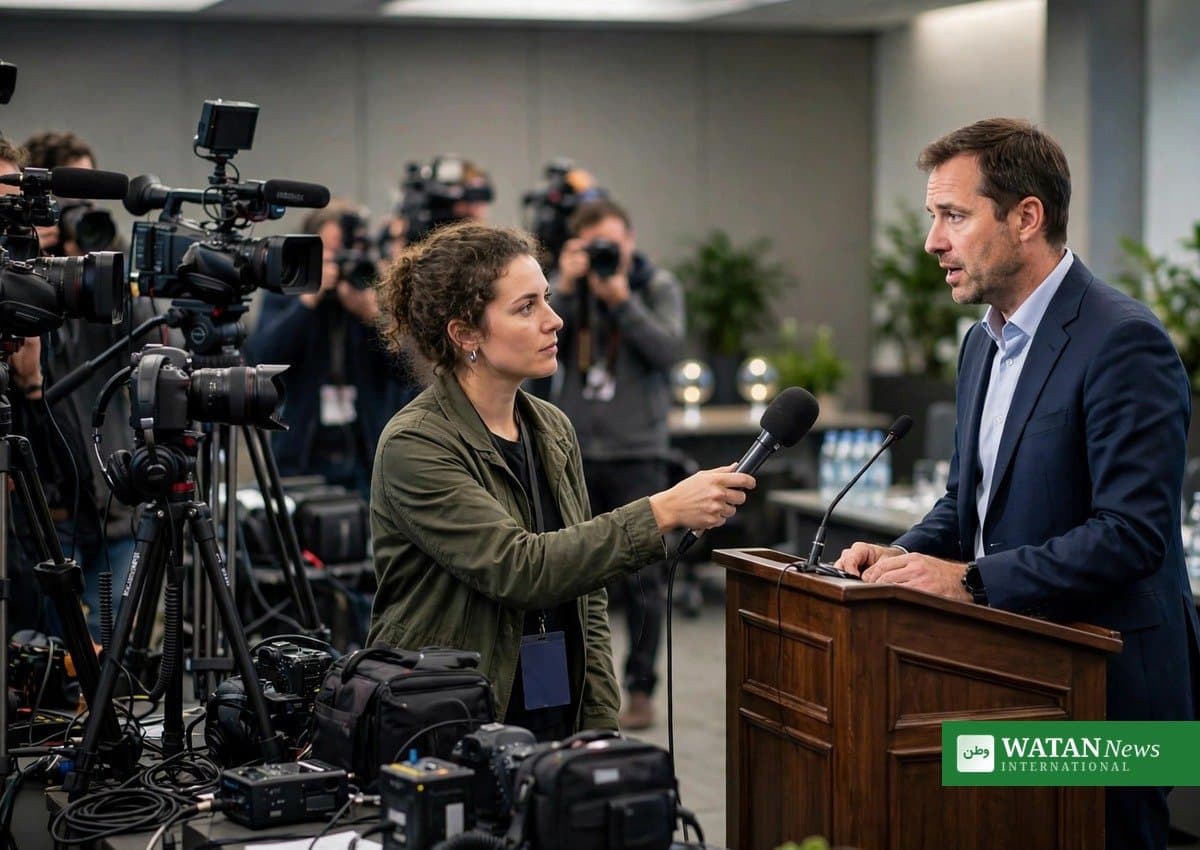
“The North Atlantic, High North, and Baltic are the frontline of the UK’s security, which is why British leadership of the Joint Expeditionary Force is so vital to our defence,” UK Defence Secretary Wes Streeting said. He added that recent JEF exercises show how Britain is working with its allies to enhance NATO’s defence of the region in the face of rising Russian threats. Read more of Watan News’ European defence and security coverage at Watan News Europe.
Canada moves closer; Ukraine deepens role
Canada’s presence at Keflavik was a central part of the summit. Defence Minister David J. McGuinty held bilateral discussions with his counterparts from Iceland, the United Kingdom, Sweden and Norway, and engaged with the ministers from Denmark, Finland, Estonia, Latvia, Lithuania and the Netherlands. Canada has officially applied to join the JEF and is deepening defence cooperation with participating nations through exercises and planning activities, including Exercise Tarassis in Latvia and Estonia in 2025, which involved Canadian CF-188 fighter aircraft.
Ministers also reviewed progress on defence industrial cooperation following two meetings of JEF National Armaments Directors, welcoming work to identify practical opportunities for collaboration and stressing the importance of delivering tangible outcomes ahead of their next meeting.
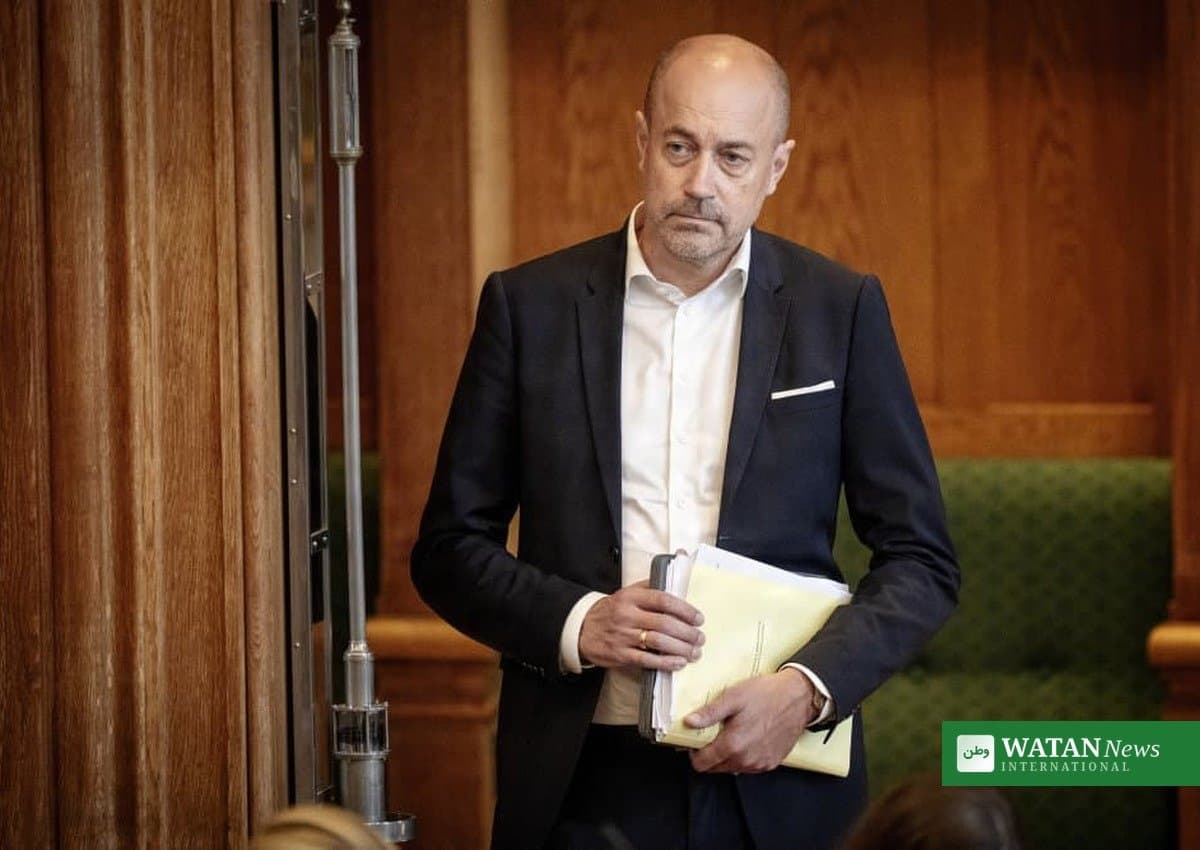
One seat at the table was empty: Finland’s Defence Minister Antti Häkkänen cancelled his planned participation because of a confidence vote in Parliament, which he and the government survived. Ministers thanked Iceland for hosting, and confirmed that the next JEF Leaders’ Summit will take place in Reykjavik next spring.
Conclusion
The Keflavik statement positions the JEF as an increasingly central pillar of European and Euro-Atlantic security below the threshold of NATO’s Article V — agile, regionally focused, and growing. With Ukraine deepening its operational role and Canada moving towards membership, the next test will be the Reykjavik leaders’ summit, where the recommendations ministers advanced on Canadian membership and industrial cooperation will land on the leaders’ agenda.