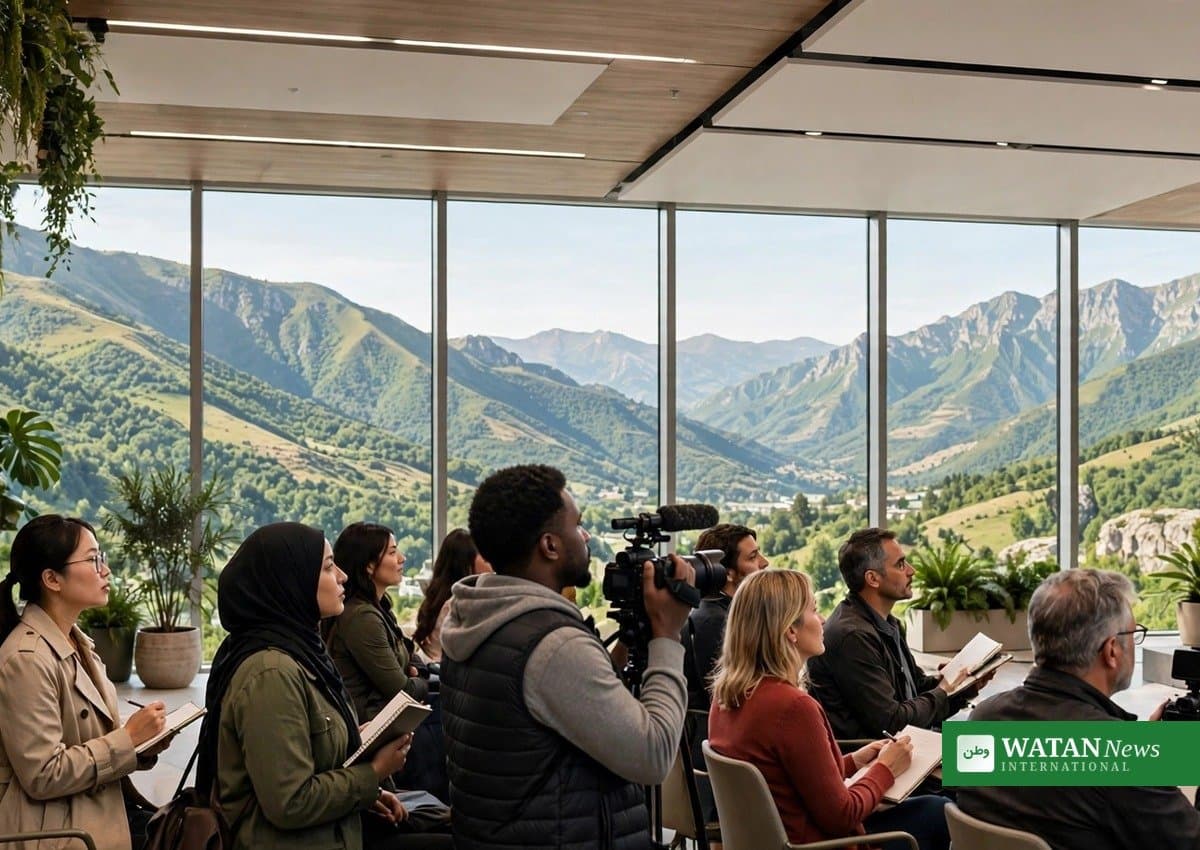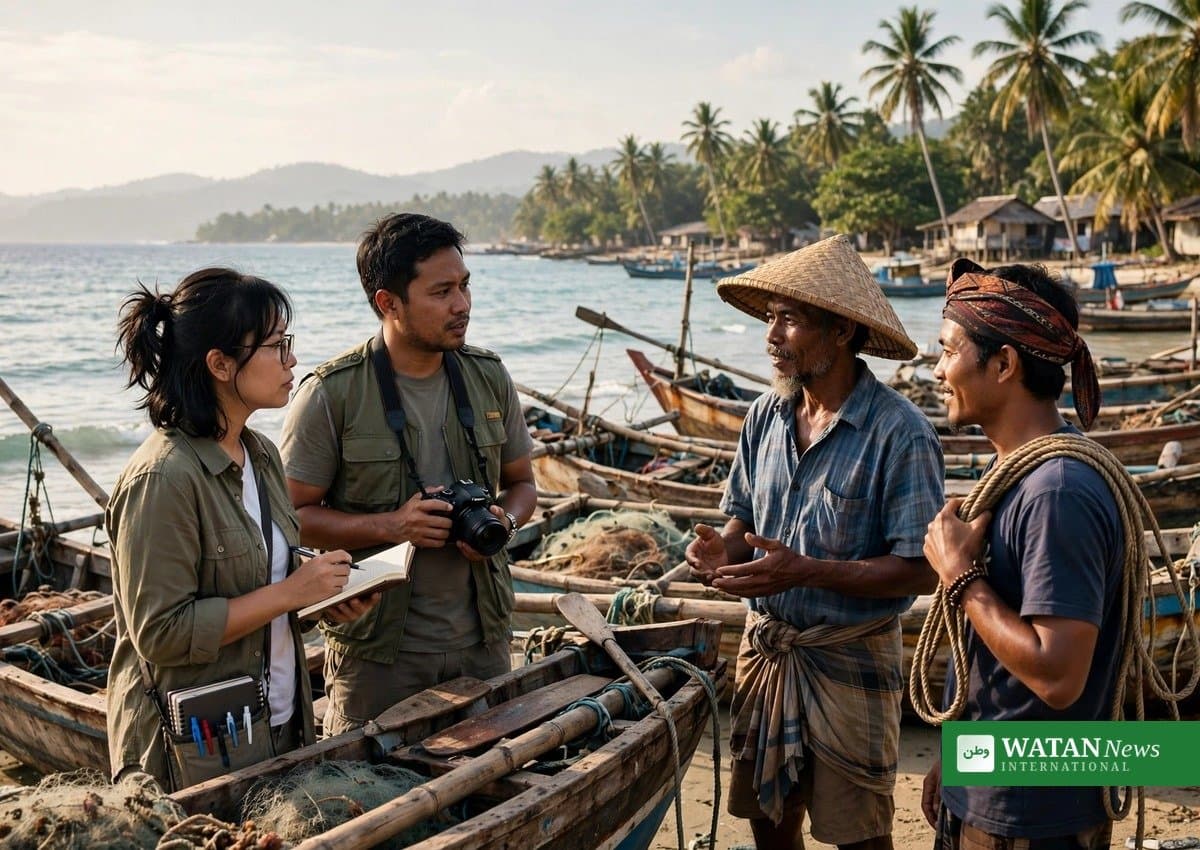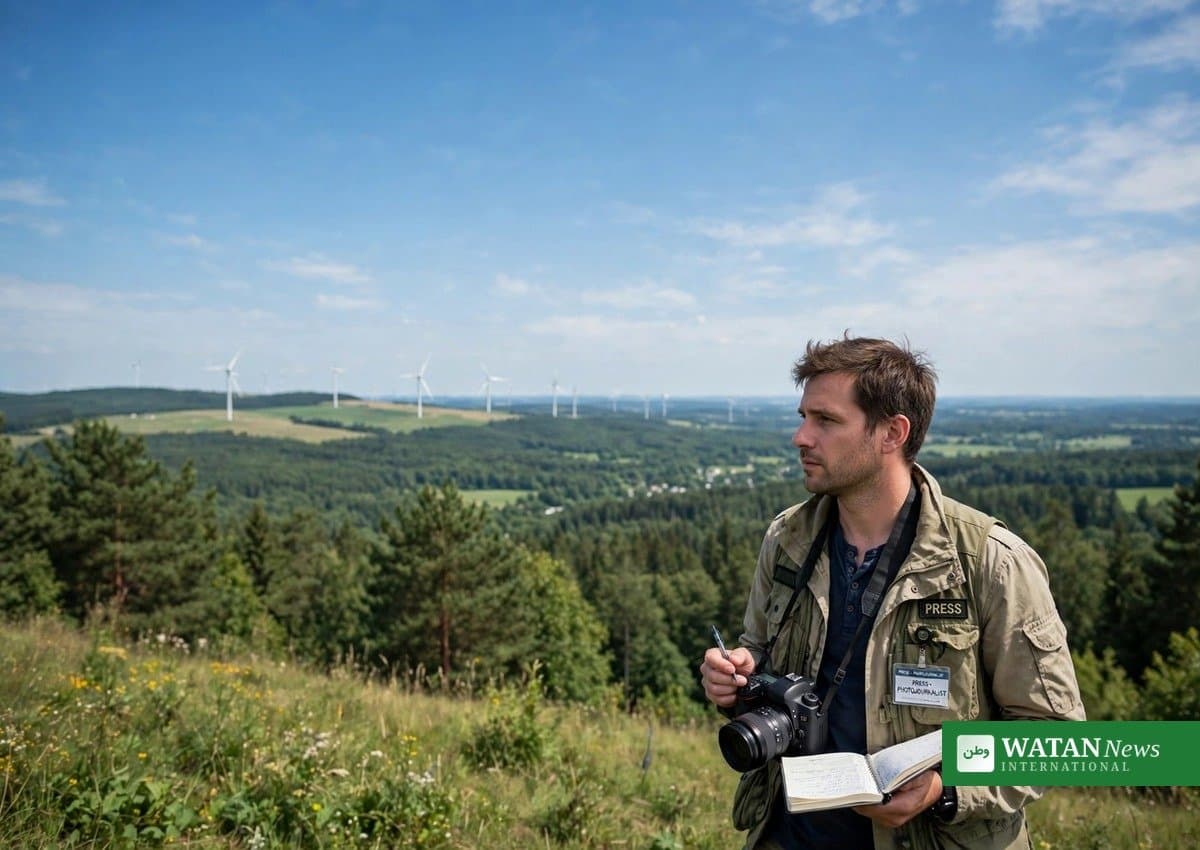
Internews’ Earth Journalism Network (EJN) has brought 16 journalists from low- and middle-income countries to Yerevan, Armenia, to report on the United Nations biodiversity conference COP17, which runs from 19 to 30 October 2026. The EJN COP17 journalism fellowship was awarded after more than 140 applications from around the world, and its fellows are covering the first global review of the Kunming-Montreal Global Biodiversity Framework.
The fellowship matters because COP17 is the halfway checkpoint between the framework’s adoption in 2022 and its 2030 deadline. According to the Convention on Biological Diversity, nearly 90 per cent of parties have set national targets and more than 70 per cent have submitted national reports, but fewer than half of the national targets assessed by parties are on track. The fellows’ job is to make those findings, and the negotiations behind them, understandable far beyond the conference halls.
What the EJN COP17 journalism fellowship covers
According to EJN, the fellows attend the full duration of COP17 and report on progress towards the framework’s 23 targets, which cover sustainable use of biodiversity, species extinction, ecosystem health, benefit sharing and finance, all to be achieved by 2030. The framework also carries the “30×30” goal of protecting 30 per cent of the world’s land and seas by 2030.
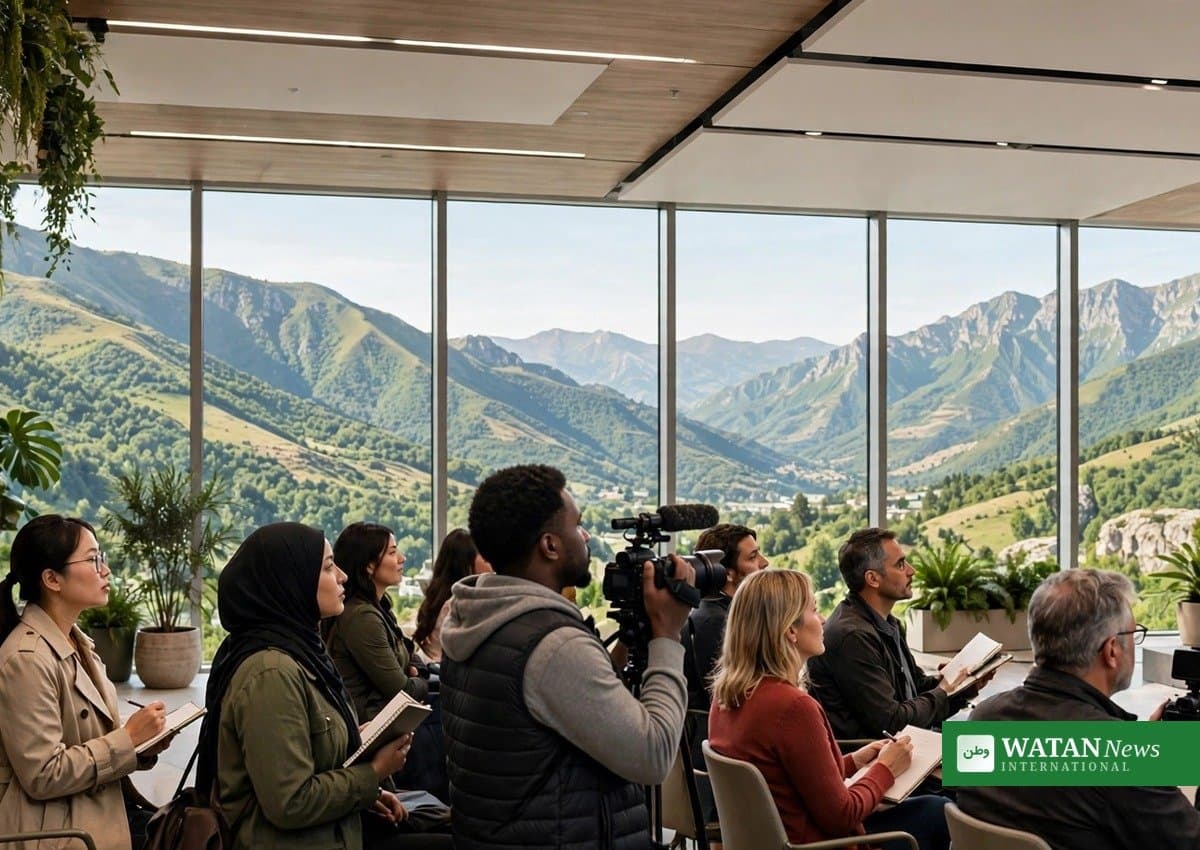
The fellowship is supported by EJN’s SYMBIOTIC Project and Biodiversity Media Initiative, in partnership with NABU and GSCC. Before the conference, fellows received informational resources and technical support, including a pre-COP virtual workshop. In Yerevan, they take part in an orientation session with biodiversity experts, daily briefings and interviews with high-level officials, and they are mentored by EJN trainers who are senior journalists experienced in covering United Nations summits.
The 16 fellows and where they report from
The 16 fellows, as announced by EJN, are Yangyel Lhaden of Bhutan (Kuensel Corporation Limited); Daniel Bisset Desalegn of Ethiopia (Ethiopian Broadcasting Corporation); Haritha John of India (The News Minute and News Laundry) and Chiranjeevi Kulkarni of India (Deccan Herald); Iim Fathimah Timorria of Indonesia (Bisnis Indonesia), Ramadhan of Indonesia (Narasi TV) and Muhibar Sobary Ardan of Indonesia (Mongabay Indonesia); Fatuma Mussa Bugu of Kenya (NTV Kenya), Irene Nasimiyu of Kenya (Lubao FM Radio) and Victor Kwabe of Kenya (Climate Lens News); Eleanora Kulenbekova of Kyrgyzstan (BBC Kyrgyz Service) and Syrdybaeva Kunduz of Kyrgyzstan (Radio Free Europe/Radio Liberty); Raveloaritiana Mamisoa Isabelle of Madagascar (Global Voices); Mariana Grilli of Brazil (My News); Verónica Santamaría of Mexico (Animal Político); and María Mónica Monsalve of Colombia (América Futura in El País).
The spread matters: three fellows each come from Indonesia and Kenya, two each from India and Kyrgyzstan, and the rest from Bhutan, Ethiopia, Madagascar, Brazil, Mexico and Colombia. EJN says the programme gives journalists from low- and middle-income countries the chance to cover COP17 negotiations and to make crucial findings and decisions accessible to audiences beyond the conference walls.
Why this COP17 review is a critical moment
EJN media trainer Stella Paul, a veteran journalist from India who is supporting the fellows’ reporting in Yerevan, said COP17 comes at a critical moment for global biodiversity action. She said early signals suggest countries will need to accelerate efforts to meet their targets, and that the findings expected during the summit are likely to spark discussion on biodiversity finance, subsidy reform, business accountability and inclusive governance.
That warning fits the backdrop EJN itself cites: more than 49,500 species are threatened with extinction, climate change is altering the environment faster than ecosystems can adapt, and biodiversity loss remains one of the most severe long-term risks facing the planet. Reporting that tracks decisions, holds decision-makers accountable and explains what is at stake is therefore central to the conference, not an add-on to it.
Readers following the Yerevan talks can also read Watan News’ earlier coverage of the conference opening here: COP17 Opens in Yerevan With Call to Turn Biodiversity Promises Into Action.
FAKTA
- Programme: EJN COP17 journalism fellowship, run by Internews’ Earth Journalism Network.
- Fellows: 16 journalists from low- and middle-income countries, chosen from more than 140 applications.
- Event: CBD COP17, Yerevan, Armenia, 19–30 October 2026.
- What is reviewed: The Kunming-Montreal Global Biodiversity Framework’s 23 targets for 2030, including the 30×30 goal.
- Support: SYMBIOTIC Project and Biodiversity Media Initiative, in partnership with NABU and GSCC; expert orientation, daily briefings and senior-journalist mentoring.
Conclusion
The fellowship is separate from EJN’s COP31 climate fellowship for Antalya, and it answers a different gap: biodiversity negotiations rarely draw the crowds of climate talks, yet their outcomes shape nature, livelihoods and climate resilience in the fellows’ home countries. By placing reporters from the most affected countries inside the room, the programme aims to ensure that the Yerevan review is reported where its decisions will be felt most.