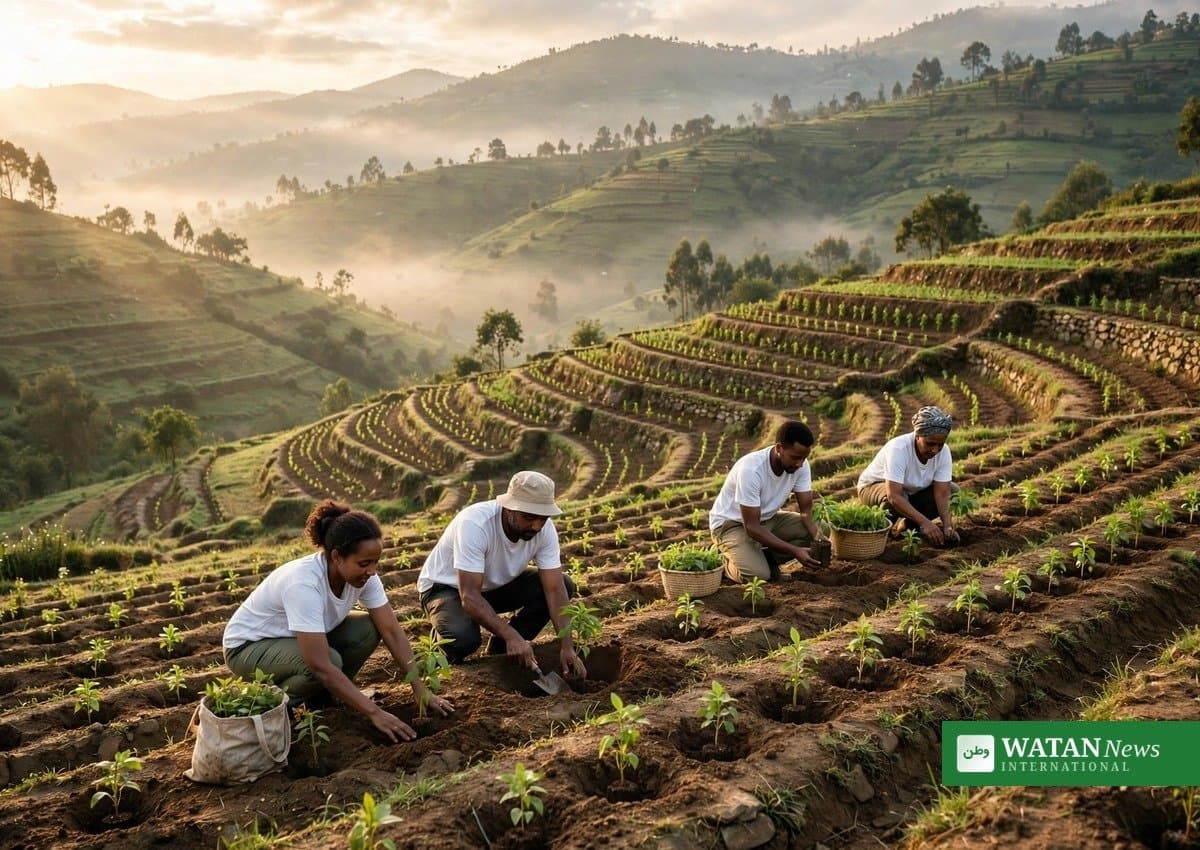
Ethiopia Green Legacy tree planting has now passed 47 billion seedlings since 2019, putting one of the largest restoration campaigns ever attempted within reach of its target of 50 billion seedlings by 2030. Renewed reporting on the campaign in October 2026 has brought fresh attention to a central question: planting billions of seedlings is one achievement, but keeping them alive long enough to become forests is another.
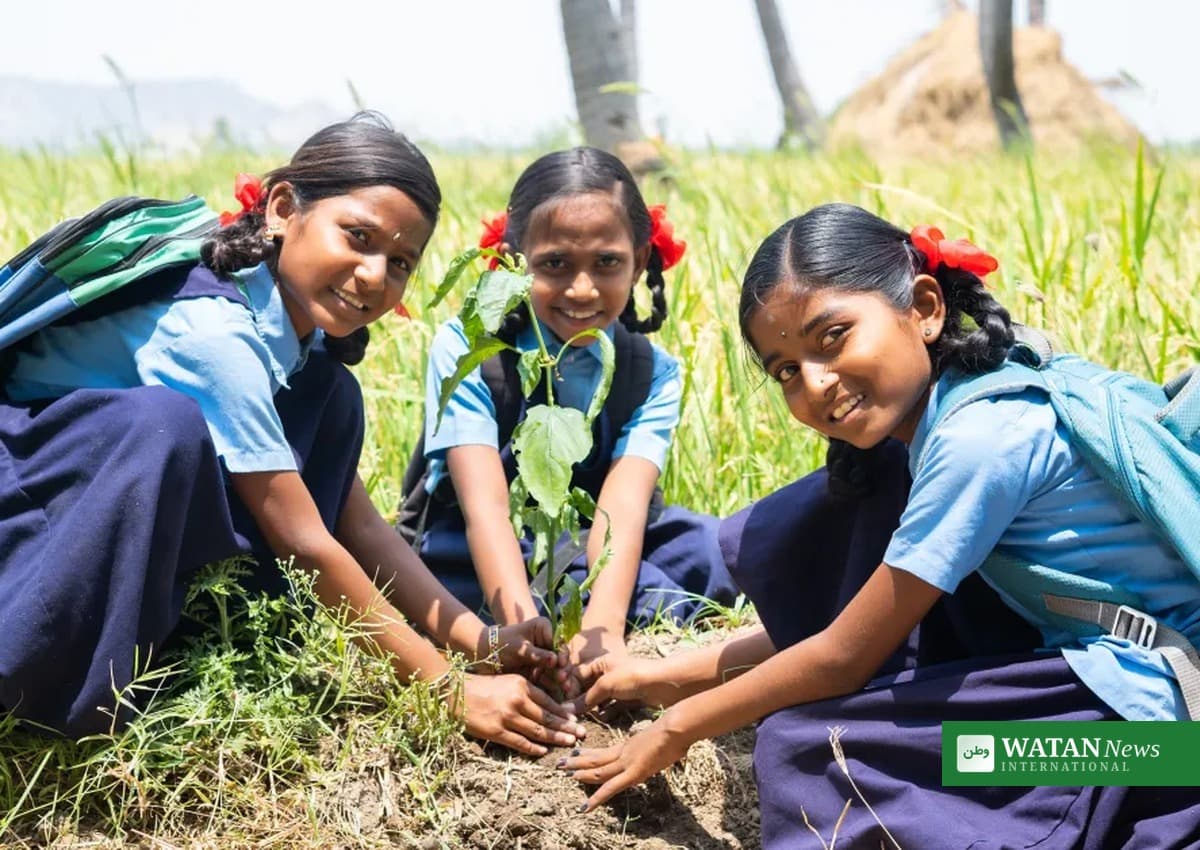
The campaign, known as the Green Legacy Initiative, was launched in 2019 and has mobilised tens of millions of Ethiopians, including farmers, public servants, schoolchildren and religious organisations, with free seedlings distributed across the country. In August 2026, according to government figures, 26.6 million people planted 800 million seedlings in a single day, beating the previous year’s tally of 714.7 million.
A campaign built on a century of forest loss
Ethiopia’s forests covered an estimated 35 to 40 percent of the country in the early 20th century. As land was cleared for farming, grazing, fuel and construction, that cover collapsed to less than 3 percent by 1989, and the highlands were losing around 1 billion metric tons of topsoil every year.
After the droughts and famines of the 1970s and 1980s, the government and international donors invested heavily in soil and water conservation, terracing and tree planting. The Green Legacy Initiative supercharged that work in 2019. In 2024, the government created the Green Legacy and Landscape Restoration Special Fund, committing 0.5 to 1 percent of the annual federal budget, roughly 73 million to 145 million dollars, to restoring landscapes.
Land degradation still costs Ethiopia an estimated 4.3 billion dollars a year through smaller harvests and lost income, and more than 100 million Ethiopians depend on agriculture for their livelihoods.
Ethiopia Green Legacy tree planting shows early signs of recovery
The government reports that national forest cover rose from 17.2 percent in 2019 to 23.6 percent in 2023, while studies of restored areas have found substantial reductions in soil erosion. Between 2013 and 2023, the annual deforestation rate fell from more than 350 square miles to around 100 square miles.
Wildlife is returning in places where restoration has taken hold. In Abijata-Shalla National Park, replanted areas, terraces and contour bunds helped more water soak into the ground, lake levels began to rise, and fish, cormorants, African darters, Grant’s gazelles and wild dogs expanded into areas where they had been scarce, according to the director-general of the Ethiopian Wildlife Conservation Authority.
For farmers, the change is personal. Niku Argane, a 32-year-old farmer in the Gurage Zone whose hillside land had been cut by gullies, has planted grasses, fodder and trees along his field edges since 2019. His barley harvest has risen from about 1,800 pounds per acre to roughly 3,200 pounds per acre. “Restoring degraded land isn’t just about protecting the environment,” he said. “It’s also about making life better for my family and community.”
Planting is not the same as a forest
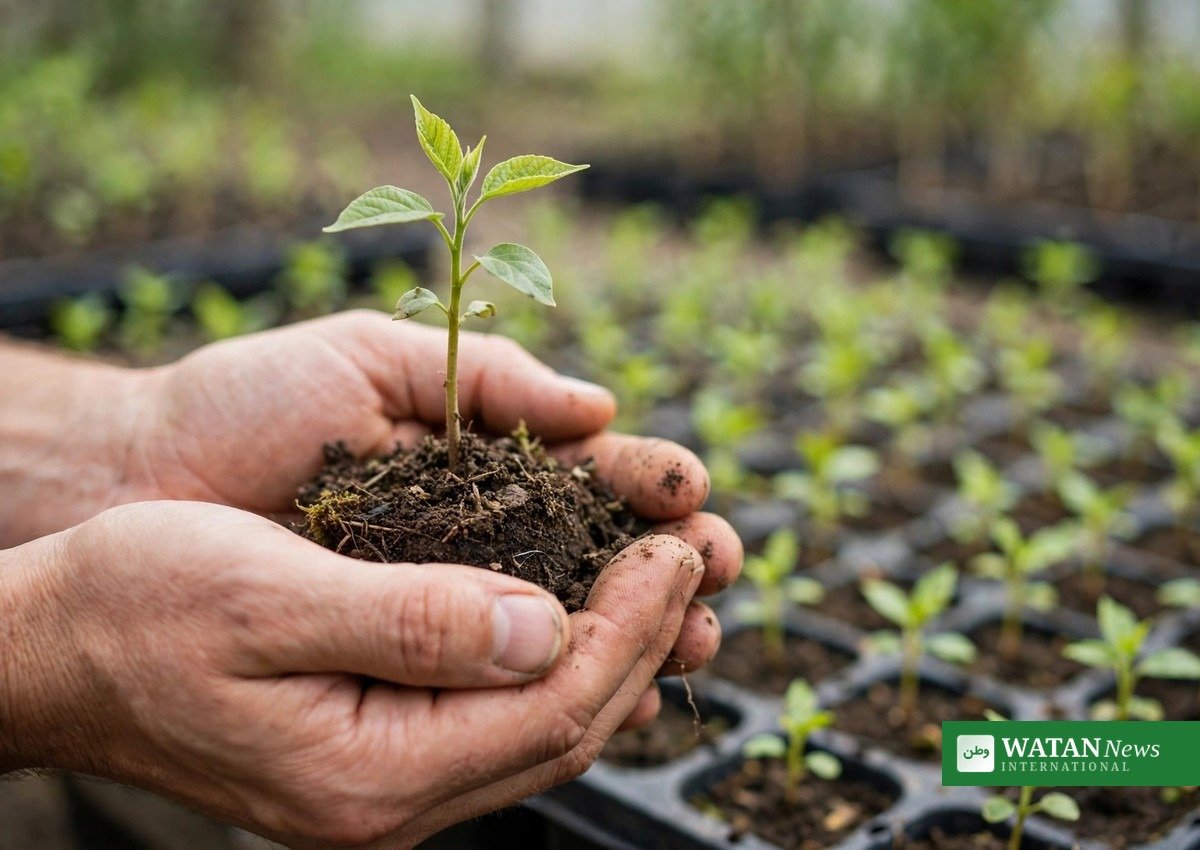
Researchers urge caution about headline totals. A 2022 study of 176 reforestation projects in Asia found that around half of planted trees did not live five years. Trees alone do not make a forest: grasses and other vegetation must regenerate, soils and water must be conserved, and local communities must manage the land.
“Reforestation is one of the most difficult things you can imagine,” said Aad Kessler, a researcher at Wageningen University in the Netherlands. “It almost always fails, but this is so big that even if 30 percent of the trees survive, it’s still huge.”
Some Ethiopian researchers say the campaign’s scale has outpaced the systems needed to care for seedlings on the ground. Others in the programme dispute that, saying government forestry and farming experts visit farms to advise smallholders on planting depth, soil conservation structures such as bunds, and protecting trees rather than cutting them down.
A 2026 study of more than 44,500 seedlings planted in southern Ethiopia in 2023 found that about 80 percent had survived, with higher survival among older seedlings, wet-season plantings and seedlings planted by people trained in planting practices. In Humbo and Boloso Sore districts, tree planting has been layered onto check dams and half-moon ditches that trap water and let it soak into the soil.
FAKTA
- More than 47 billion seedlings have been planted in Ethiopia since 2019, against a target of 50 billion by 2030.
- In August 2026, 26.6 million people planted 800 million seedlings in a single day, according to government figures.
- Government figures put forest cover at 23.6 percent in 2023, up from 17.2 percent in 2019.
- A 2026 study of more than 44,500 seedlings found about 80 percent survival, higher with training and wet-season planting.
- Land degradation costs Ethiopia an estimated 4.3 billion dollars a year.
A changing climate raises the bar
Even as Ethiopia rebuilds its forests and soils, climate change is altering the conditions those landscapes must withstand. The Intergovernmental Panel on Climate Change projects more frequent and intense rainfall in East Africa as global temperatures rise. In July 2024, exceptionally heavy rainfall triggered two landslides in Geze Gofa district that killed at least 257 people.
Delayed rains have already disrupted planting in parts of the country. Belayneh Mamo, a 65-year-old farmer in the drought-prone Amhara region, was unable to plant any crop until August, when the season’s first rains arrived. In the arid Afar and Somali regions, the initiative focuses on drought-tolerant species, but it is unclear whether trees planted today will withstand the conditions they face decades from now.
Ethiopia’s experience carries a lesson for every large planting drive, including the tree-planting campaigns reported across Africa and Asia this year: numbers planted make headlines, but training, water, soil care and follow-up decide whether a seedling becomes a forest. Readers following other planting campaigns can compare notes with an earlier tree-planting story here: Kenya’s Kiambu tree-planting drive.
Conclusion
Ethiopia’s Green Legacy Initiative has already changed the country’s landscape and the lives of farmers like Niku Argane. Its final test will not be counted on a single planting day, but in the survival of its seedlings through droughts, downpours and the decades ahead.