Ghana has launched a United Nations-backed project to build affordable homes from local, low-carbon materials, in a direct answer to a housing shortfall of about 1.83 million homes and to the climate cost of how homes are built. The project was unveiled in Accra this week at a launch and stakeholder validation workshop, and it puts sustainable living at the centre of housing policy: the materials in a home, the minister behind the launch argued, will shape the country’s emissions for generations.
The initiative is called Transforming Ghana’s Built Environment Through Sustainable Materials Demonstration Project. It is a partnership between Ghana’s Ministry of Works, Housing and Water Resources and three United Nations bodies: the United Nations Environment Programme (UNEP), the United Nations Office for Project Services (UNOPS) and UN-Habitat. It is funded by the German Federal Ministry for Economic Cooperation and Development.
What was launched in Accra
At the launch, Minister of Works, Housing and Water Resources Ahmed Ibrahim said Ghana’s housing shortage was both a major development challenge and an opportunity to change construction practice. He warned that choices made about building materials would affect the country’s carbon emissions for generations, because buildings can remain in use for 100 years or more.
“With much of Africa’s future building stock yet to be constructed, choosing low-carbon materials is essential to reducing emissions for generations to come,” he said. “We cannot continue to use the same approach of yesterday to achieve the results we need tomorrow.”
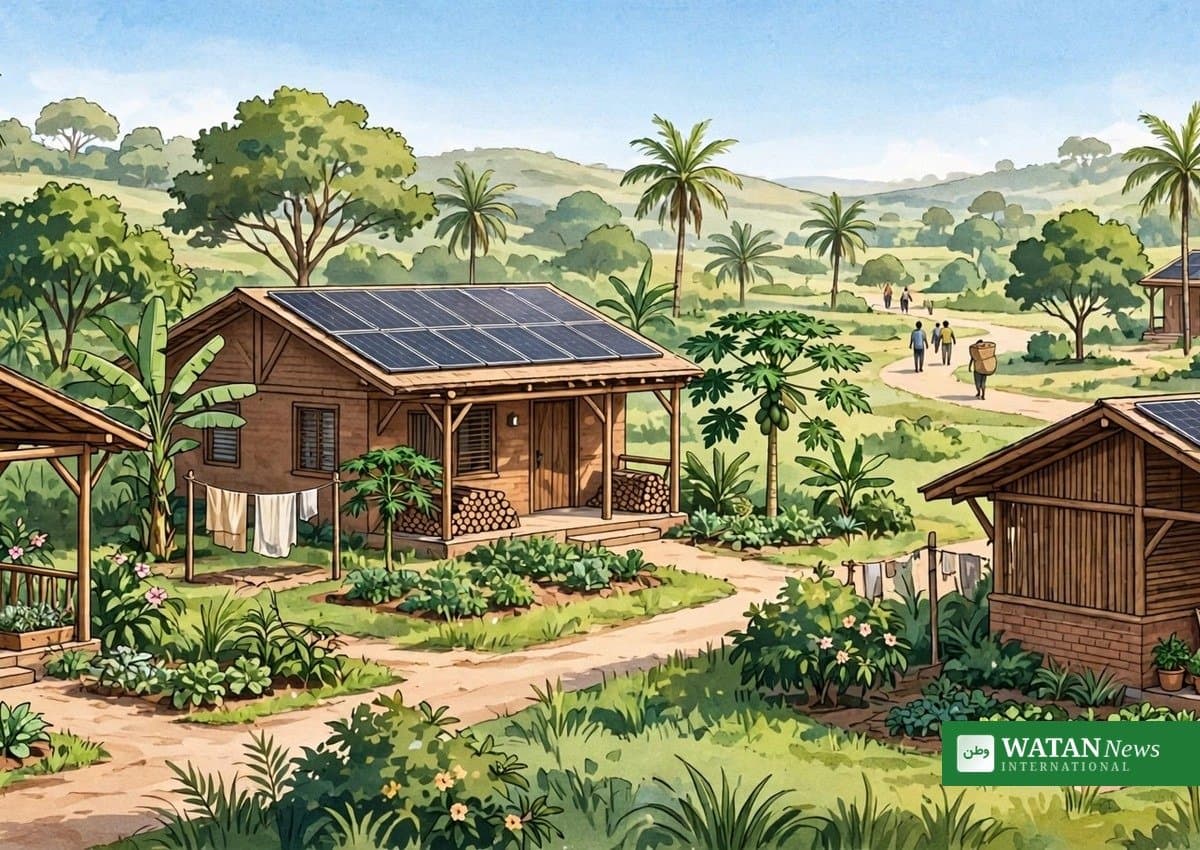
The project will promote locally available, low-carbon materials, strengthen domestic construction value chains and support affordable, climate-resilient homes. It will encourage environmentally friendly materials available locally, including bio-based products and alternatives to conventional cement and steel where technically suitable.
Why the materials in a home matter
Conventional construction relies heavily on imported, energy-intensive materials. The minister said that dependence has driven up housing and rent costs in Ghana. Replacing those materials with low-carbon local alternatives is therefore presented as both a climate measure and an affordability measure: local materials can lower construction costs and make housing more affordable.
The project follows an “Avoid, Shift and Improve” approach: reducing unnecessary construction, supporting more sustainable building methods, and improving the environmental performance of materials and processes. It will also establish a framework for the responsible sourcing of materials and the development of sustainable construction tools.
Linda Agbesi, Head of Office of the UNOPS Ghana Country Office, said the initiative showed Ghana addressing housing needs while responding to climate change. She said it would use a whole-life-cycle approach, looking at the environmental and economic effects of buildings from construction through to the end of their use, rather than judging projects only by their initial cost.
Homes, jobs and the district housing programme
The demonstration project will be tested through the district housing programme, to show scalable, locally appropriate solutions. A techno-economic feasibility study is examining low-carbon model houses for the programme, including their technical and financial viability, compliance with regulations and potential to be expanded. The study is aligned with Legislative Instrument 2411.
Thomas Kankam-Adjei, National Projects Coordinator and Country Advisor for UNEP, said Ghana needed to accelerate its move towards low-carbon and circular construction. The project includes research, stakeholder engagement, pilot initiatives and technical analysis to advance circularity.
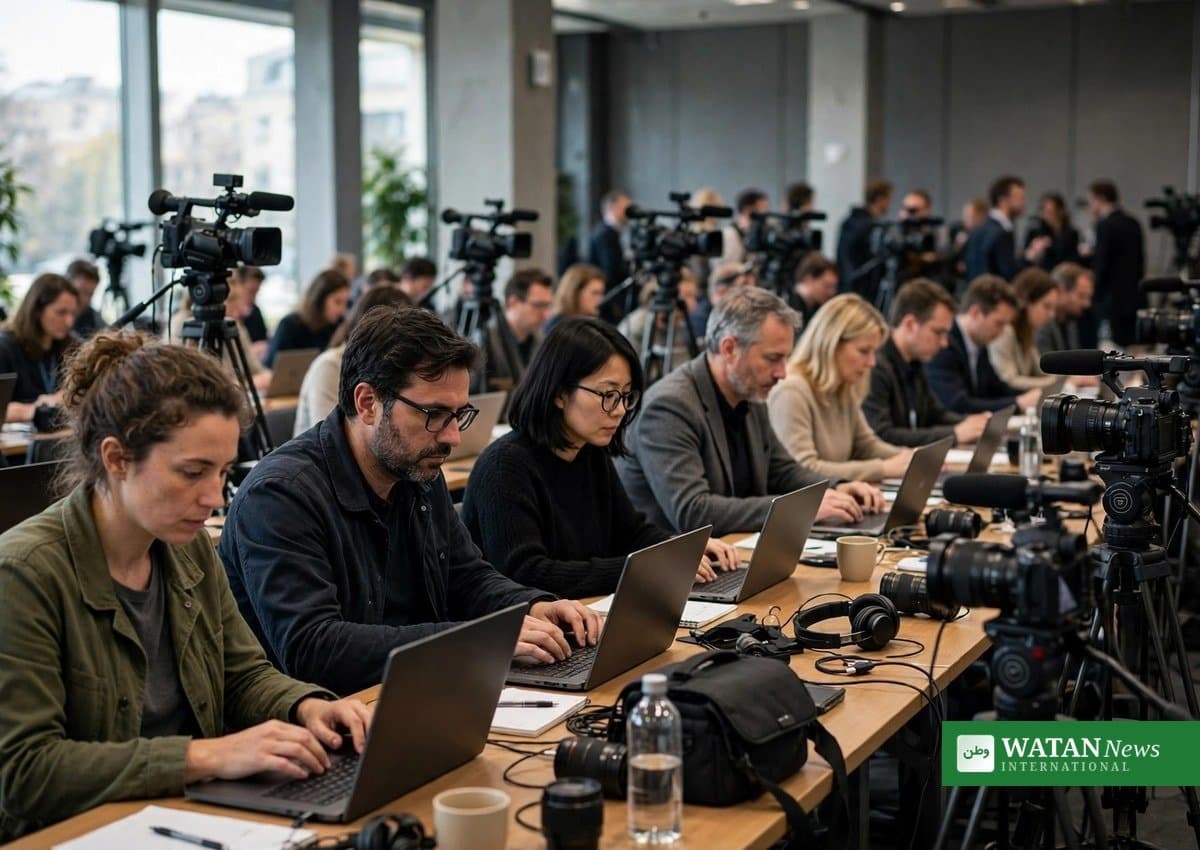
The minister said the project was also expected to stimulate local industries and create green jobs for masons, carpenters and tilers, helping to tackle youth unemployment, keep investment within communities and improve spatial planning. Stakeholders at the workshop examined findings on sustainable materials, including feasibility studies, financial analysis and a draft compendium of low-carbon local building materials prepared by Blue Alliance. Their feedback will be used to strengthen the case for wider adoption before the documents are finally adopted.
The launch had originally been scheduled for June 2026 but was postponed after severe flooding in Ghana and neighbouring countries, an episode the minister said underlined the urgency of climate action. The minister added that the programme supported Ghana’s wider climate objectives and international commitments, including the Paris Agreement and the United Nations’ 2030 Agenda for Sustainable Development.
What sustainable living means in practice
Ghana’s project is about housing, but its logic applies to everyday sustainable living everywhere: the most climate-friendly home is often the one built from materials close at hand, designed to stay cool and comfortable without heavy energy use, and built to last. For households, the same principles point to practical steps: choose durable, repairable products over disposable ones, reduce waste, save water and energy at home, and favour local, low-impact materials when renovating.
None of that replaces government action. Ghana’s example shows the other half of sustainable living: systems that make the greener choice the affordable one. When local materials, skilled local workers and clear standards come together, a family does not have to choose between a home they can afford and a home that is kind to the climate.
Readers interested in how households judge green claims can also read Watan News coverage of trust in eco-labels and sustainable products.
Key facts
- Ghana’s housing deficit is estimated at about 1.83 million homes.
- The project is a partnership between Ghana’s housing ministry, UNEP, UNOPS and UN-Habitat, funded by Germany’s development ministry.
- It promotes local, low-carbon materials, including bio-based products and alternatives to cement and steel where suitable.
- Its approach is “Avoid, Shift and Improve”, with a whole-life-cycle view of a building’s costs and impacts.
- Low-carbon model houses are being studied for Ghana’s district housing programme, under Legislative Instrument 2411.