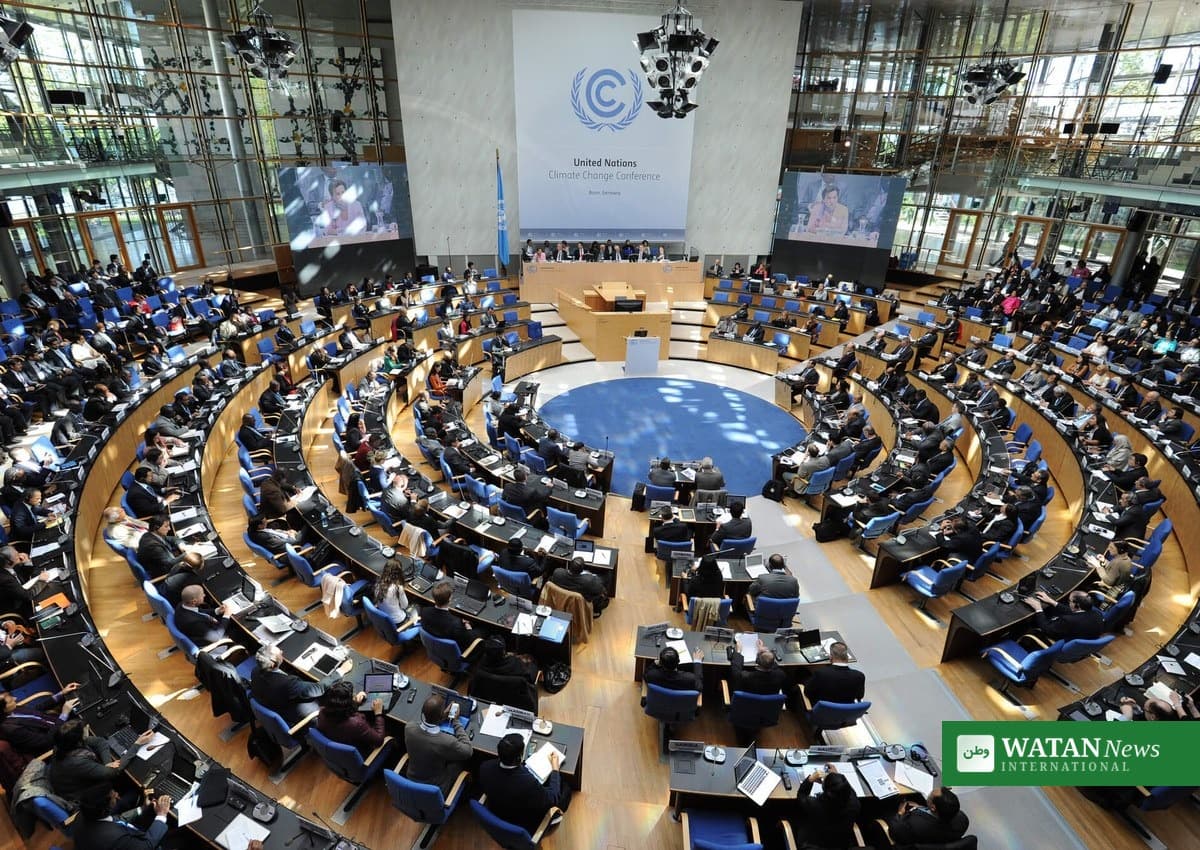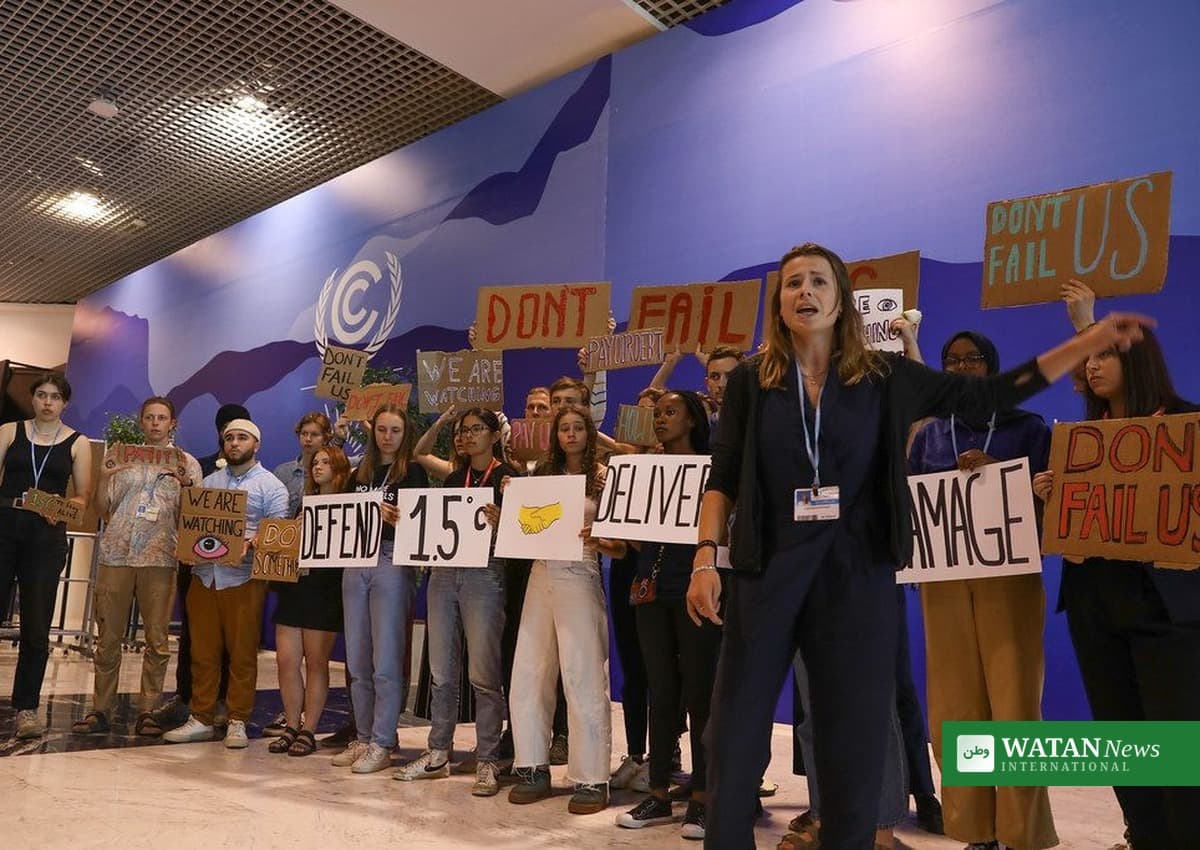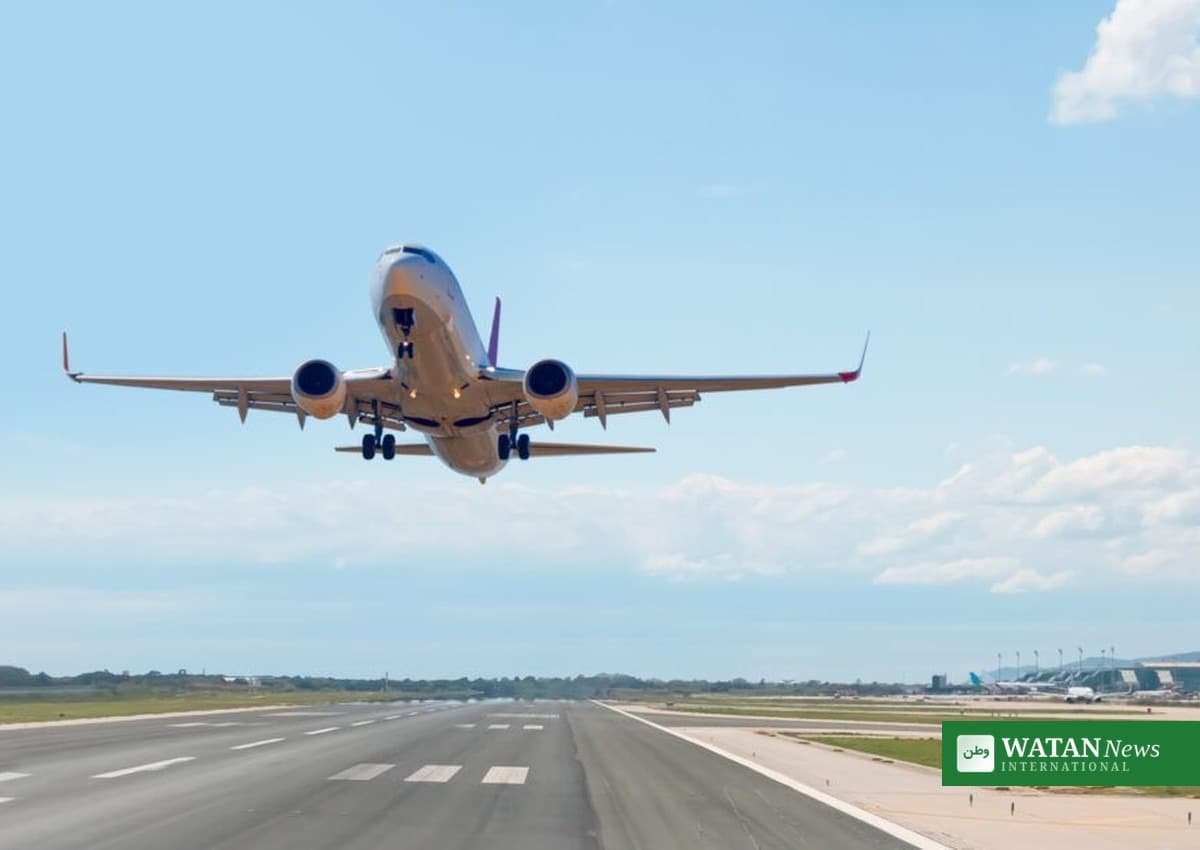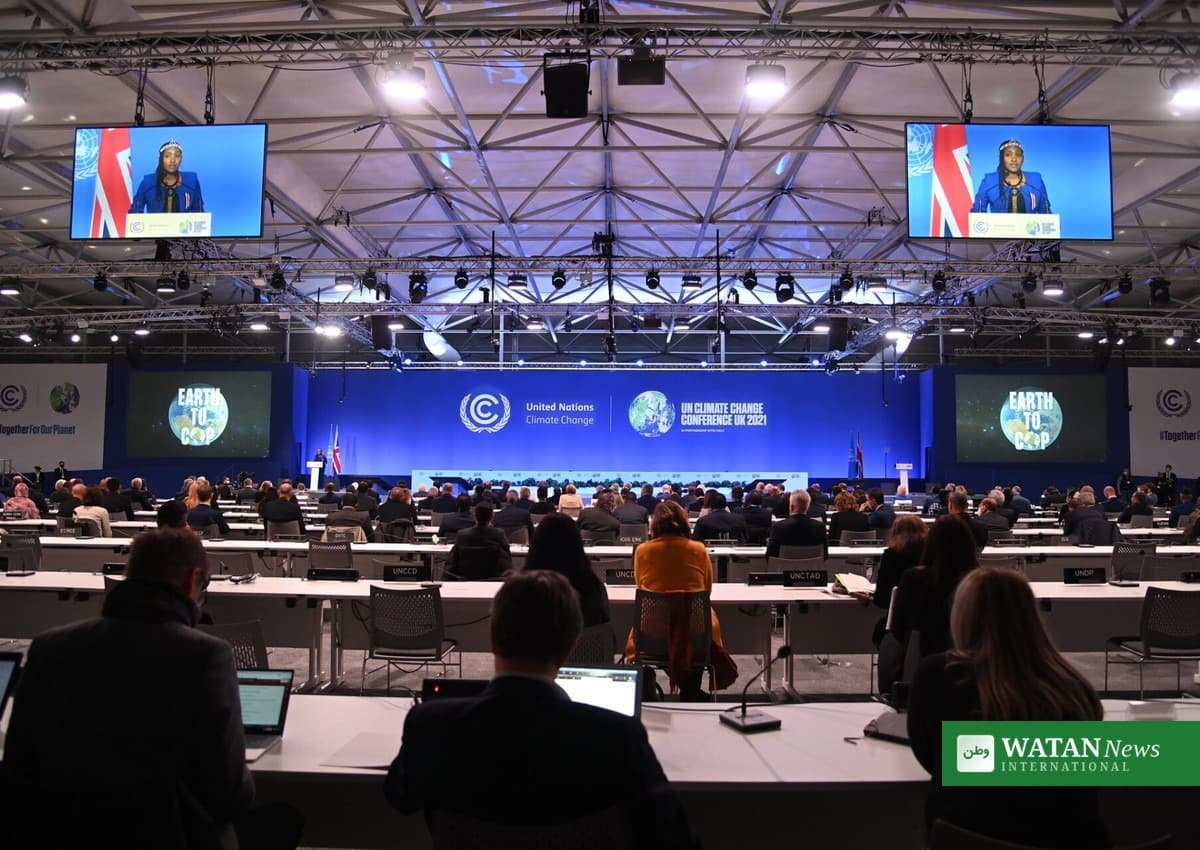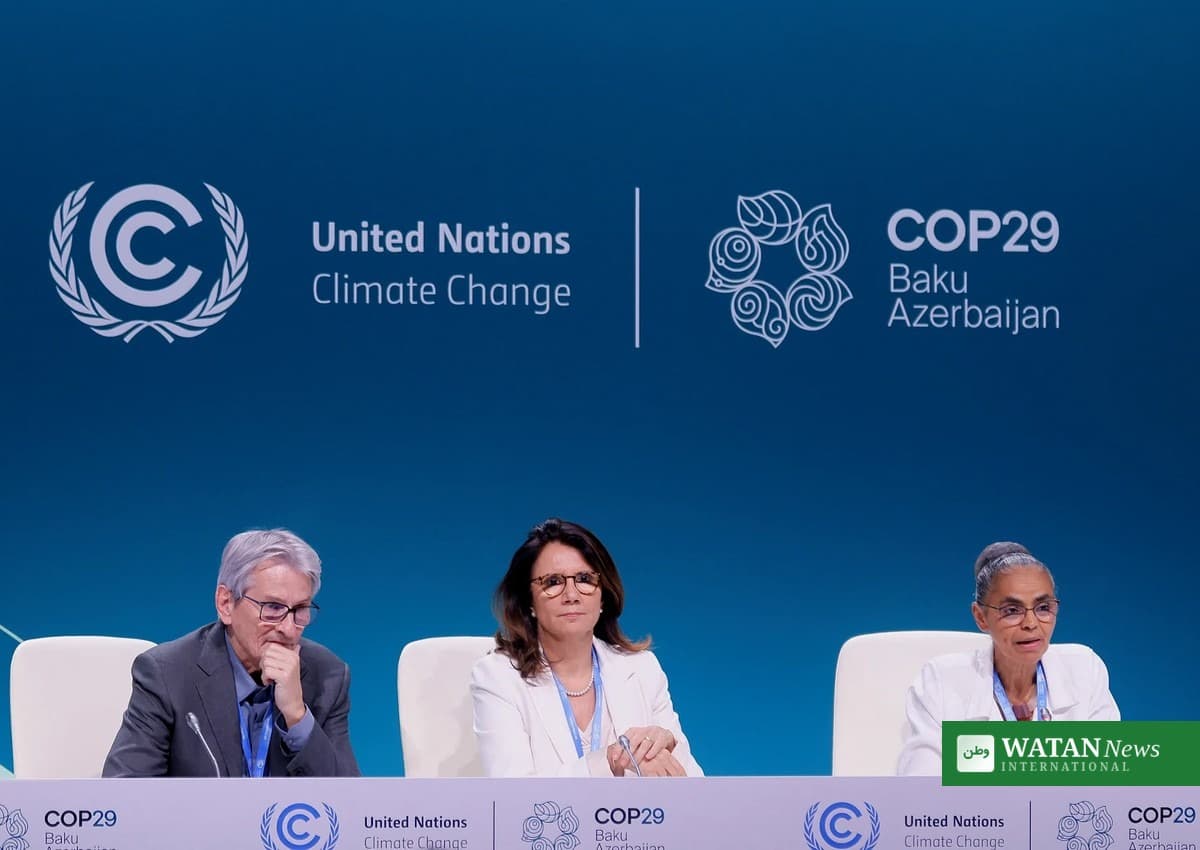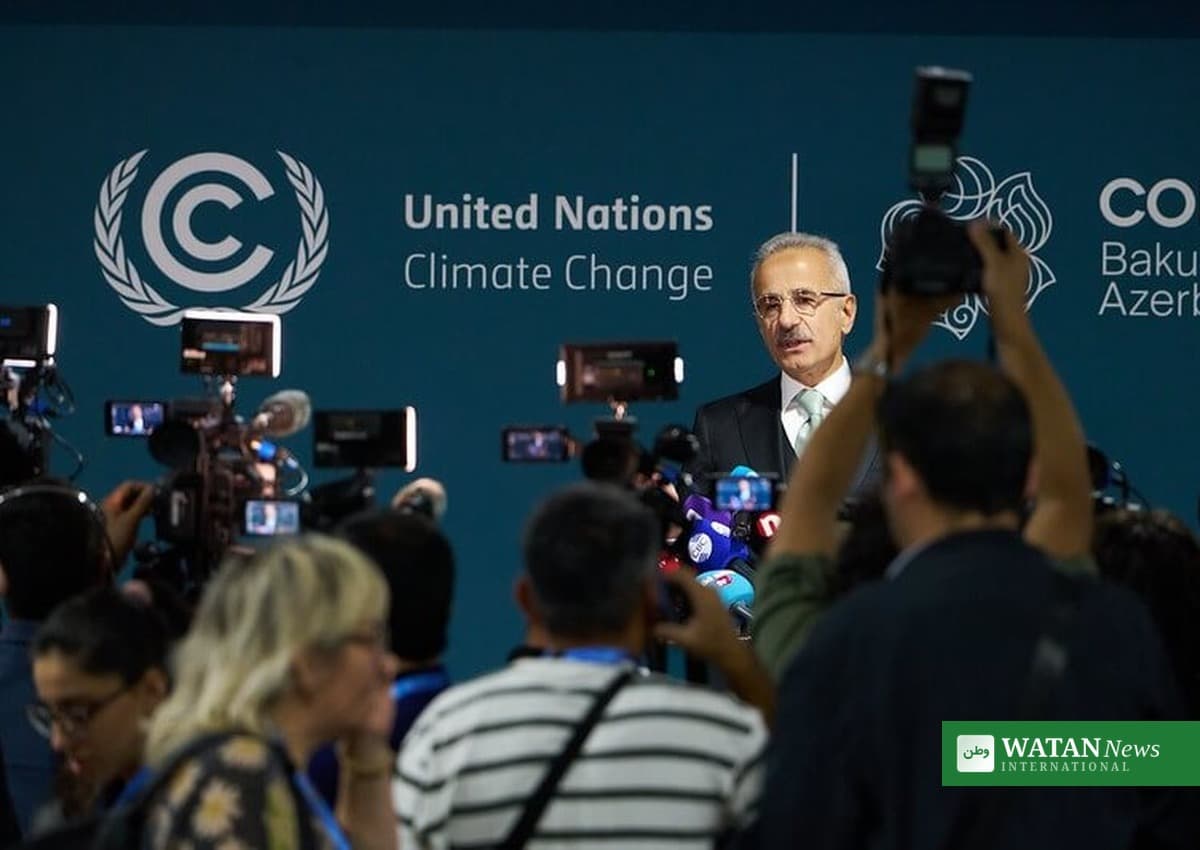
ANTALYA: Airlines may struggle to settle their offset bills when the first global scheme to make them pay for their planet-warming emissions takes effect, because there are not enough carbon credits to go around. That is the warning from industry figures and analysts at COP31 in Antalya, where transport was the focus of discussions on Tuesday, and where the question of who pays for aviation’s climate damage has become one of the sharpest tests of the conference’s promise to turn pledges into delivery.
The scheme is CORSIA — the Carbon Offsetting and Reduction Scheme for International Aviation, run by the UN’s International Civil Aviation Organization. Around 130 countries have signed up to its broad first phase, which runs from January 2024 until the end of this year, according to Reuters, reporting from Antalya on 10 November. Airlines under the jurisdiction of the signatory countries will have to buy credits by the end of January 2028 or face penalties.
The first phase is expected to create demand for credits to cover up to 200 million metric tons of carbon, according to Chris Leeds, head of carbon market development at Standard Chartered. But data from ICAO and more than two dozen people with knowledge of the sector who spoke to Reuters estimated that the amount of credits available for the first phase would supply a quarter of demand at most — and that only 11 countries were in a position to supply credits to CORSIA at all.
A scheme years in the making
Aviation is not the biggest overall emitter of greenhouse gases, but it is one of the fastest growing sources of emissions, and sustainable fuel has yet to have any significant impact on curbing them. Making the sector contribute more could be vital, especially for poorer nations, when finding cash for adaptation is likely to be one of the most intense debates at COP31, which runs in Antalya until 20 November.
For well over a decade, airlines flying in European airspace have had to pay to pollute under the European Union’s Emissions Trading System. But under CORSIA, the global scheme, they have so far only reported on a voluntary basis. The first phase changes that: airlines must now hold enough eligible credits to cover their emissions growth above a baseline, and buy them on the market if they do not have them.
“This is going to be a true test of if we could make real progress,” Walton Webson, Antigua and Barbuda’s ambassador to the UN, told Reuters. Next year, he said, would be “a litmus test” of whether the aviation credits scheme can make a difference.
Why credits are running short
The shortage has several causes. Following scandals over fraudulent schemes, CORSIA has strict rules on what qualifies as a legitimate carbon offset, and that has added to the problem of meeting growing demand. Hannah Hauman at trading house Trafigura said only around 5 per cent of historic credit inventories were eligible for schemes such as CORSIA that governments have made mandatory.
Eligible credits need to be authorised by ICAO’s technical advisory body and by national governments that have agreed to the scheme. The host government has to agree the permits can be used internationally and ensure there is no double counting of emissions, to guarantee compliance with the national UN emissions goal. Some developing countries have said they are reluctant to allow too many credits to be sold too quickly in case they need them to meet their own UN climate targets.
Brazil, whose rainforest could make it a major supplier of credits, told Reuters it had yet to begin authorising CORSIA projects and was finalising its rules. Major buyer Japan said administrative capacity constraints were slowing approvals in some countries that could sell credits, and its civil aviation bureau said airlines could face a fine for non-compliance, without giving details.
At project level, one of Africa’s first potential CORSIA schemes is among those struggling to deliver. After ICAO’s advisory body raised technical concerns, CORSIA has yet to accept credits from Cicada, a Zimbabwe-based cookstove developer that said it had buyers lined up for around 1 million credits. Some potential buyers were no longer willing to buy the credits, meaning Cicada would have to sell on the voluntary market, where prices are lower. “We’ve had to restructure the whole operation,” said Karen Jiri, Cicada’s commercial director, adding that many households that should have received cleaner stoves are still waiting.

What it could cost
Carbon credits for the scheme currently sell for around $12 to $13 a ton, but analysts said they are likely to become more expensive as the uncertainties that have made airlines hesitate to buy them are resolved. “There is a risk that if you wait too long that you have to pay up,” said Marijn van Diessen, chief executive at environmental commodity trader STX Group.
Assuming prices of $20 to $50 for each credit, consultancy Roland Berger said compliance could cost airlines $3.6 to $9 billion, equivalent to around 5 to 12 per cent of projected industry profits for 2026. Britain has proposed a penalty of £100 ($134) for every ton of carbon that does not comply and is seeking views; other countries are also developing their rules.
A Reuters analysis of filings and sustainability reports from 10 leading airline groups found most did not disclose how many CORSIA credits they expected to need or how many they have secured. United Airlines said only that the availability of eligible offsets was constrained, while American Airlines cited uncertainty over their supply and price. Singapore Airlines said it had started securing eligible units, without disclosing the volume, and Air France-KLM said it had not yet purchased credits.
An ICAO spokesperson said via email that implementation of CORSIA by member states is on track and that ICAO will continue to support governments to accelerate the availability of credits. The organisation does not comment on speculative scenarios, the spokesperson said.
Why it matters at COP31
The credit crunch lands at a conference that has put transport at the centre of its action agenda. Transport accounts for 16.3 per cent of global greenhouse gas emissions, the second-largest share of any sector, and fossil fuels still provide 95.4 per cent of the energy used in transport, according to the SLOCAT partnership. COP31’s presidency has set a target to raise electricity’s share of global final energy consumption from roughly 20 per cent today to 35 per cent by 2035 — a goal that cannot be reached without sustainable transport.
Transport themes are also on the programme today, 12 November, which is COP31’s Resilient Cities Day, covering public and freight transport, walking and cycling, and resilient urban mobility. And days before the conference, more than 30 business leaders from the Energy Transitions Commission urged COP31 President Murat Kurum and President of Negotiations Chris Bowen to put the hard-to-electrify sectors — including aviation and shipping — at the centre of the summit’s outcome, arguing that carbon prices of $200 to $300 per ton would be needed to decarbonise them. Their analysis found current policies leave the world on course for 2.6°C of warming.
“Carbon markets will be ever more important in the future,” Juan Carlos Navarro, Panama’s environment minister, told Reuters. For the airlines, the test comes first: by the end of January 2028, they must hold the credits — or pay the price. Read our earlier report on COP31’s green freight corridors.
Key facts
- Around 130 countries have signed up to the first phase of CORSIA, the global aviation offsetting scheme, and airlines must buy credits by the end of January 2028 or face penalties.
- The first phase is expected to create demand for credits covering up to 200 million metric tons of carbon — but available credits would supply a quarter of demand at most.
- Only 11 countries are in a position to supply credits to CORSIA, according to ICAO data and sector sources cited by Reuters.
- Credits sell for around $12 to $13 a ton now; compliance could cost airlines $3.6 to $9 billion at $20 to $50 per credit.
- Only around 5 per cent of historic credit inventories are eligible for mandatory schemes such as CORSIA.
- Transport accounts for 16.3 per cent of global greenhouse gas emissions, and fossil fuels provide 95.4 per cent of transport energy.