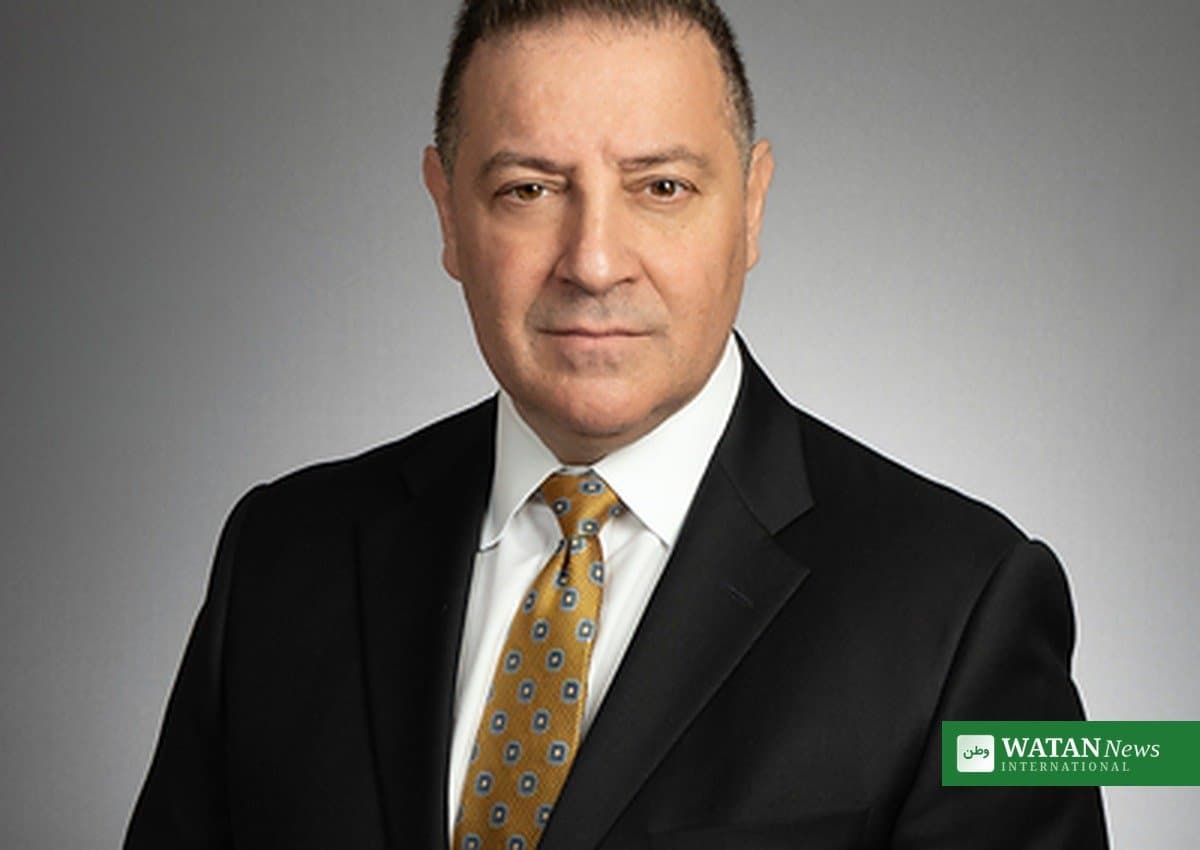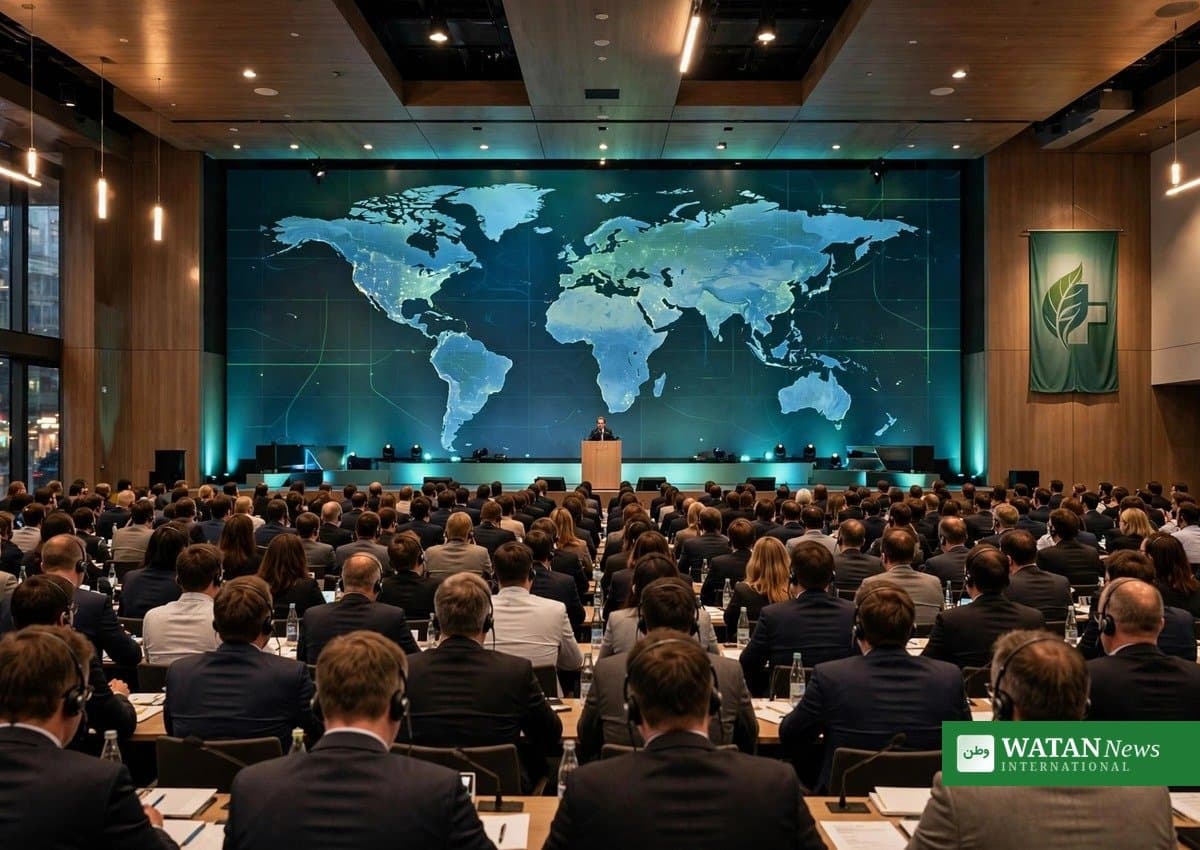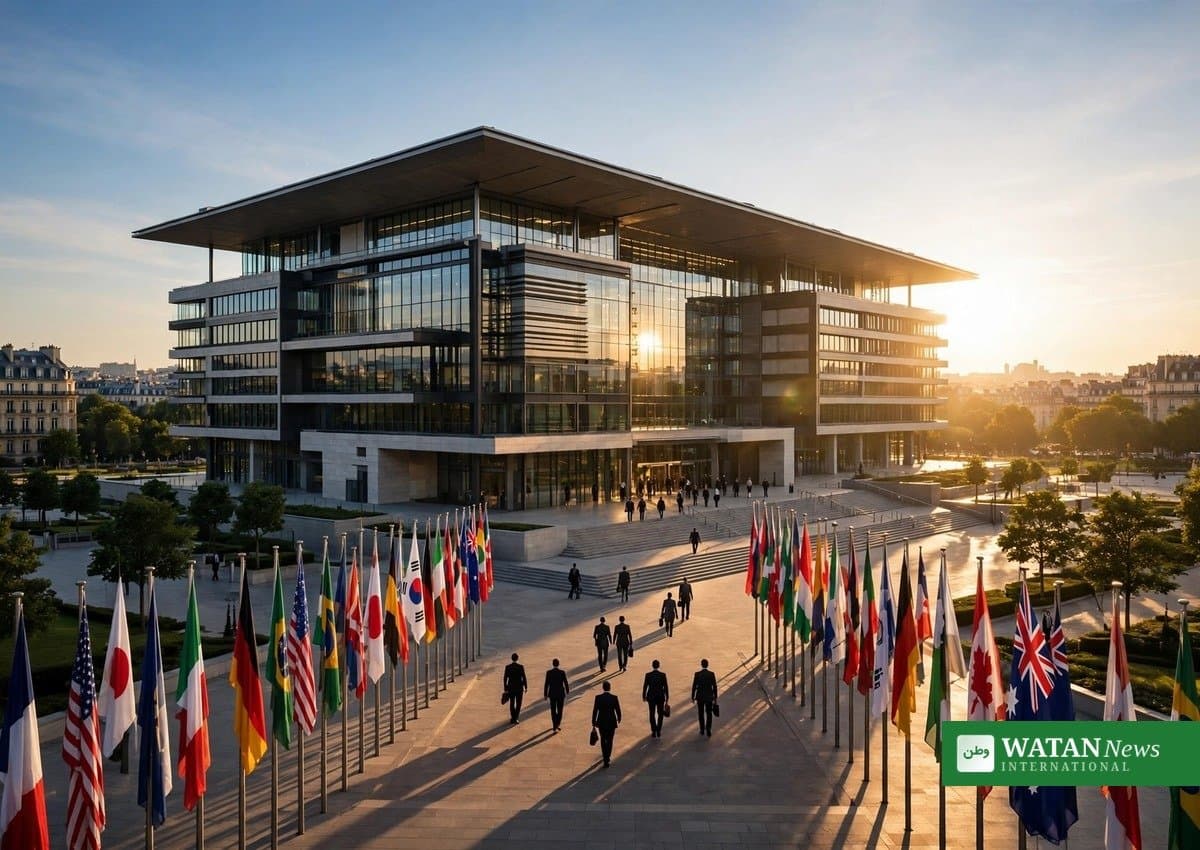
PARIS — The COP31 OECD partnership became official on Thursday, 17 September 2026, when COP31 President-Designate Murat Kurum announced a strategic partnership between Türkiye’s COP31 presidency and the Organisation for Economic Co-operation and Development at the organisation’s Paris headquarters. The presidency describes the arrangement as a bridge from climate plans to bankable projects, marrying OECD economic expertise, comparable data and policy tools with an implementation-focused COP31 Action Agenda.
FAKTA
- The COP31 OECD partnership was announced on 17 September 2026 at OECD headquarters in Paris, at an OECD Council meeting and a dedicated strategic partnership event.
- OECD Secretary-General Mathias Cormann attended alongside ambassadors and permanent representatives of OECD member countries.
- Cormann: “As a Strategic Partner to the Presidency, the OECD will bring our economic policy expertise to help turn ambition into action – supporting policies that cut exposure to energy shocks while strengthening competitiveness and driving growth.”
- Kurum: “Türkiye prioritises turning climate commitments into concrete policies, investments and measurable outcomes – making COP31 in Antalya an Implementation COP.”
- Priority areas include Zero Waste, clean energy transition and electrification, resilient cities and green industrialisation.
- COP31 takes place in Antalya, Türkiye, from 9 to 20 November 2026, with the World Leaders Summit planned for 11–12 November; Australia leads the negotiations under Chris Bowen.
Why the COP31 OECD partnership matters
Climate diplomacy has no shortage of targets; the presidency argues it has a shortage of delivery. Kurum used the Paris event to press a case that reliable data can identify needs, narrow unequal access to finance and stretch limited resources for higher climate impact, according to Türkiye’s Environment, Urbanization and Climate Change Ministry. “We now have to talk not only about which targets we will reach, but also how we will reach them,” he said, calling for concrete plans on policy, investment mechanisms, financing strategies and how results will be measured.
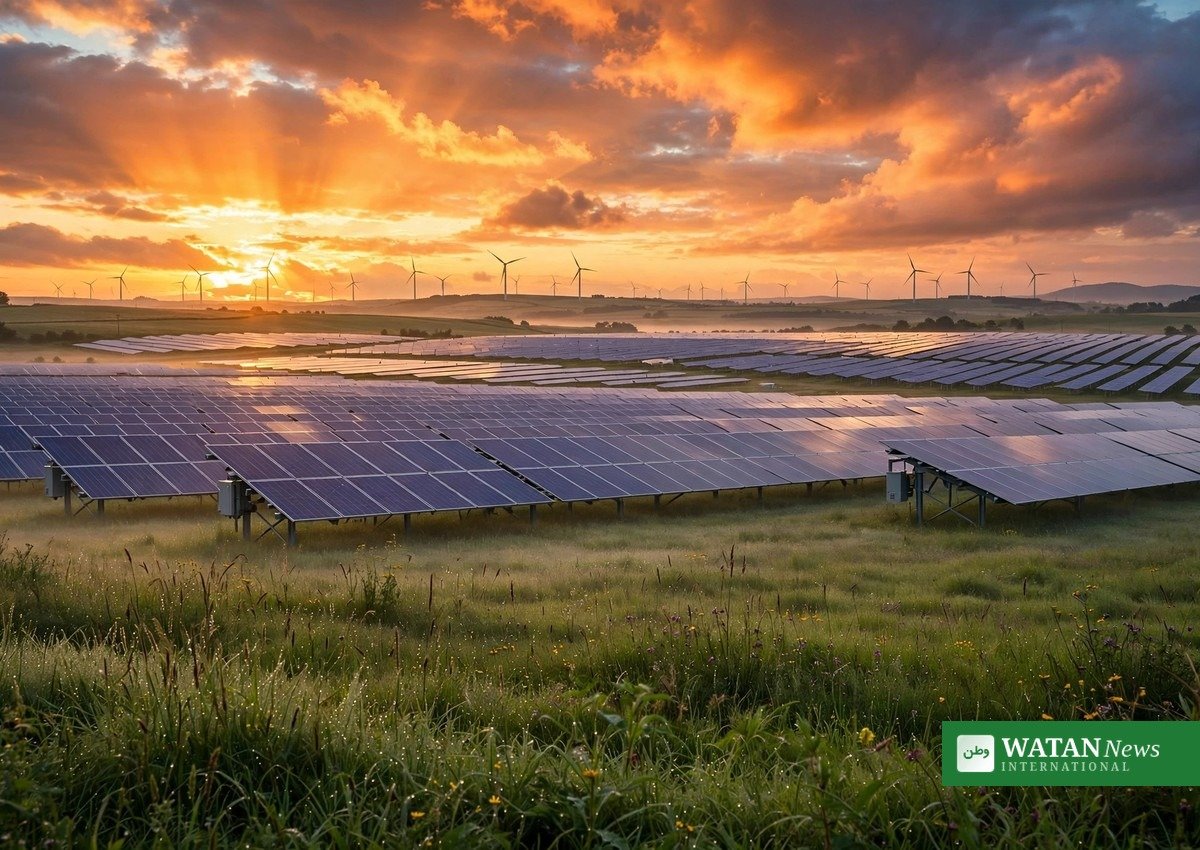
The OECD’s side of the bargain is economic credibility: comparable datasets, international benchmarking and policy analysis to support what works at country level. The partnership will support implementation, clean energy transition and electrification — unlocking finance for clean energy supply, transmission grid expansion and industrial decarbonisation, with reducing investment risks and mobilising private capital in emerging markets and developing economies as stated priorities, as the OECD announcement sets out.
The road to Antalya
Türkiye is hosting COP31 in Antalya while Australia chairs the negotiations — an unusual dual arrangement after neither country conceded its hosting bid. Kurum summarised the presidency approach as dialogue, consensus and action, and the Action Agenda spans ten themes including clean energy, Zero Waste and methane reduction, climate-resilient cities, green industrialisation and food security, as his address to the WMO outlines.
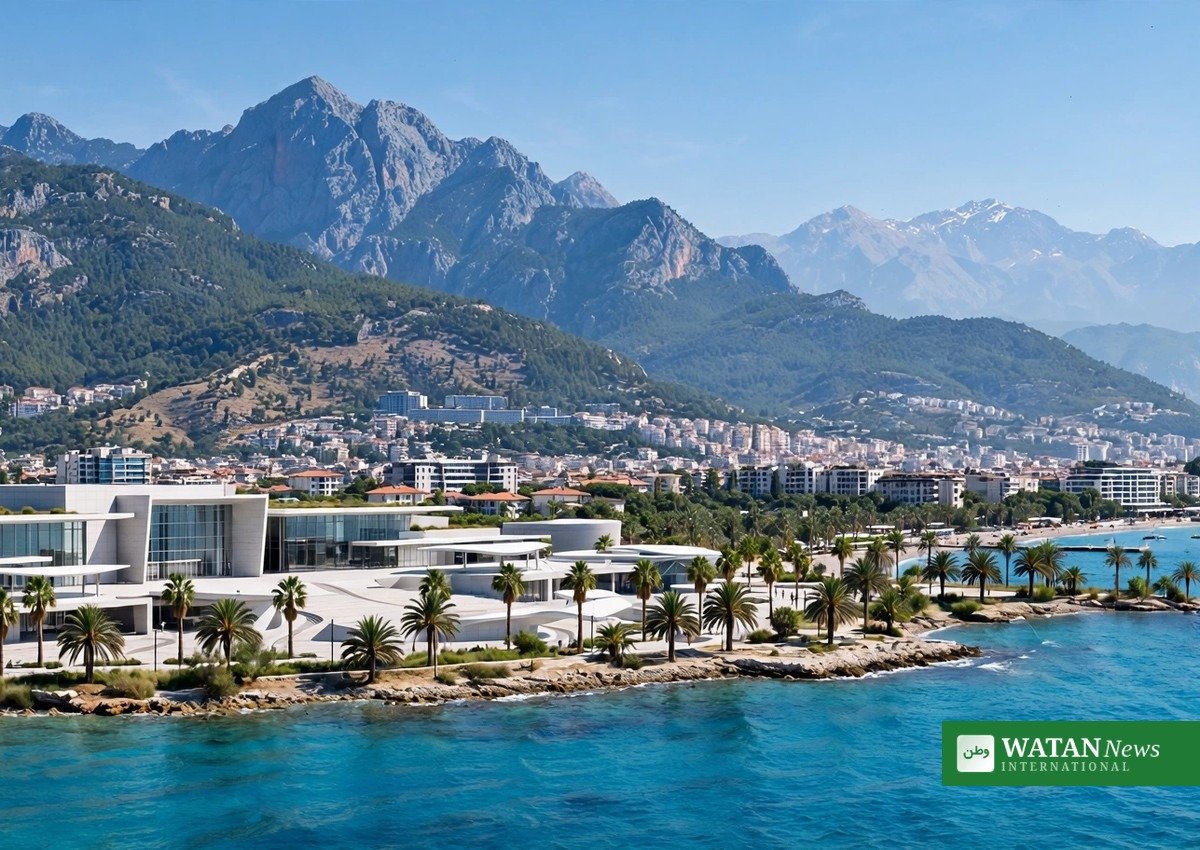
The Paris announcement also closes with an invitation: Kurum asked ambassadors and permanent representatives to come to Antalya, pointing to further consultations at Climate Week New York and the Pre-COP in Fiji from 5 to 8 October. Whether the partnership produces concrete outputs before the summit will be the first real test of the Implementation COP promise.
Related on Watan News: COP31 presidency and OECD announce Paris partnership on climate finance and delivery.