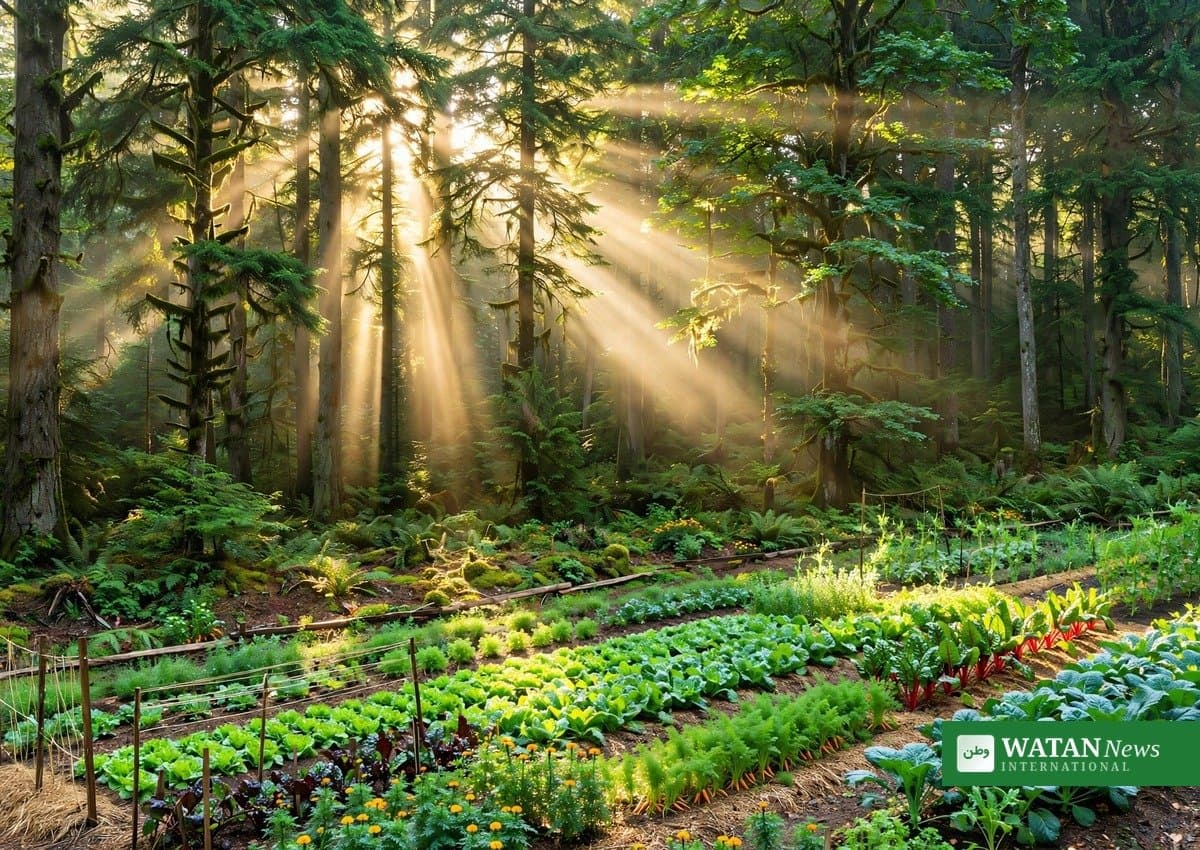
Tuesday, 29 September 2026 marked the seventh International Day of Awareness of Food Loss and Waste, a UN observance that this year put forests at the centre of the debate. Under the theme “The transformative potential of reducing Food Loss and Waste — Relevance for the Forestry Sector”, the day linked wasted food to deforestation, land pressure and greenhouse gas emissions.
Co-convened by the UN Environment Programme (UNEP) and the Food and Agriculture Organization (FAO), the main event ran from 12:30 to 14:00 CEST at the Sheikh Zayed Centre at FAO Headquarters in Rome, in person and online — during the 28th session of the FAO Committee on Forestry and World Forest Week.
FAKTA
- Observed: 29 September 2026 — the seventh International Day of Awareness of Food Loss and Waste.
- Theme: “The transformative potential of reducing Food Loss and Waste — Relevance for the Forestry Sector”.
- Conveners: UNEP and FAO; main event at FAO Headquarters, Rome, during COFO28 and World Forest Week.
- Scale: 13.4% of food produced is lost between harvest and retail; 19% of food available to consumers is wasted at retail, in food service and in households.
- Climate cost: Food loss and waste account for around 8–10% of global greenhouse gas emissions; over a billion meals go uneaten every day.
- Forests link: Agricultural expansion is the leading driver of deforestation; reducing waste eases pressure on land and forests.
The triple win
FAO describes cutting food loss and waste as a triple win: stronger food security and nutrition, less pressure on natural resources and emissions, and higher productivity and growth. Around 1.4 billion hectares of land are used to produce food that is ultimately never consumed — and agricultural expansion remains the leading driver of deforestation globally.
“Using the food we already produce more efficiently can reduce pressure on land and forests and help feed more people,” said Michael Muratha, a Programme Manager at UNEP, speaking from its headquarters in Nairobi. Healthy forests, in turn, support food production by protecting soils and regulating rainfall.
Methane, money and meals
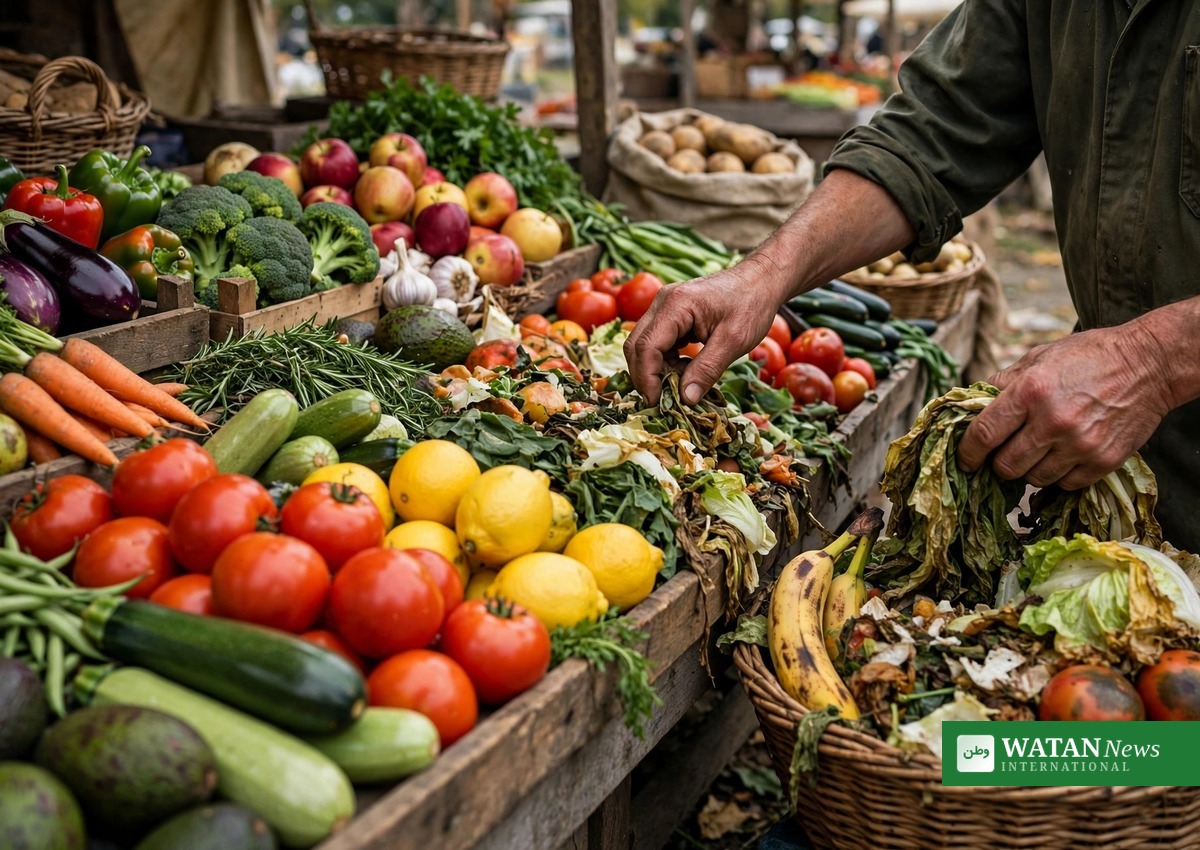
When lost or wasted food decomposes — particularly under anaerobic conditions in landfills — it generates methane, a potent short-lived greenhouse gas. Throwing out lunchtime leftovers or spoiled crops only adds to the mountain of discarded food decomposing in landfills. And saving food from being lost or wasted also saves nutrients, natural resources and money, FAO Director-General QU Dongyu told the Rome event.
Fruits and vegetables experience the highest rates of food loss, and despite international commitments, the world has made no apparent progress in reducing food losses since 2015.
Why forests this year
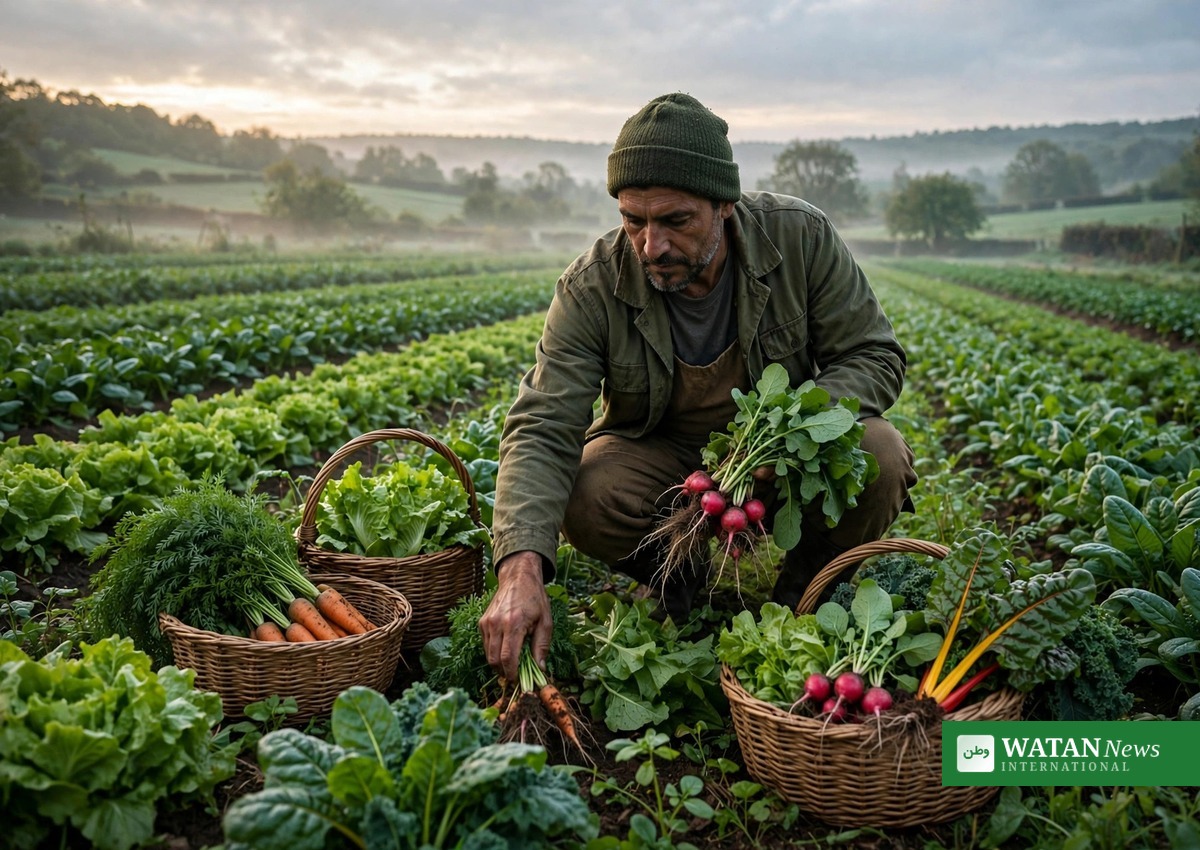
Holding the observance during the FAO Committee on Forestry and World Forest Week was a deliberate systems move: it brought forestry perspectives into a conversation usually confined to food policy, underlining that wasting less food means clearing less forest.
The observance aims to accelerate progress toward Sustainable Development Goal 12.3 — halving per-capita global food waste at the consumer level by 2030 and reducing losses along production and supply chains. The day was established by UN General Assembly Resolution 74/209 in December 2019.