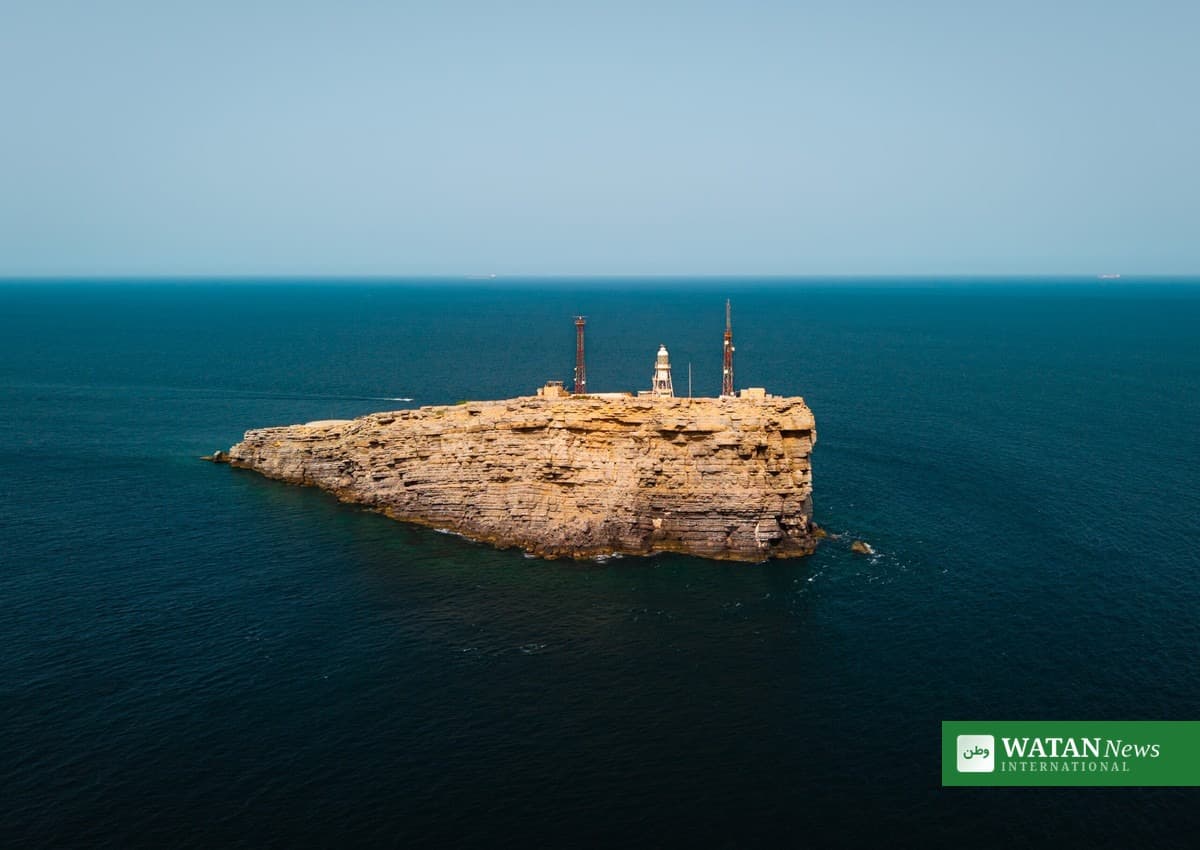
Iran has attacked ship navigation systems on Didamar, a small Omani island in the Strait of Hormuz, three sources with knowledge of the matter told Reuters, in a new escalation of the nine-month battle for control of the world’s most important oil waterway. The Didamar Island strike was first claimed by Tehran on Tuesday, and Reuters said it had confirmed smoke rising from the island in video footage.
FAKTA
- What happened: Iran attacked navigation systems on Didamar Island, an Omani island in the Strait of Hormuz, according to three sources who spoke to Reuters.
- When: Tehran first claimed the strikes on Tuesday 10 November; Reuters reported the confirmation on Wednesday 11 November.
- The island: Didamar, also known as Little Quoin Island, is a small uninhabited rocky island off Oman’s Musandam Peninsula, with a lighthouse built in 1914 and radar and radio equipment used to guide shipping through the strait.
- Damage: No damage assessment has been provided, and Reuters said it could not independently determine whether any navigation systems were destroyed. Oman confirmed that an explosion was detected on the island.
- Wider context: The attack comes in the ninth month of the US-Israeli war on Iran, which began in late February, and a day after Iran said the strait would stay shut until the United States met seven conditions.
Didamar Island strike: what the sources say
Reuters reported on Wednesday that three sources had confirmed the attack on the island’s navigation systems, saying it showed Tehran’s ability to target infrastructure used to restore Gulf oil flows. The sources did not provide a damage assessment, and Reuters said it could not determine independently whether any navigation systems were destroyed in the attacks that Tehran had claimed on Tuesday.
Iranian state media said on Tuesday that the Islamic Revolutionary Guard Corps had carried out strikes destroying “enemy navigation systems” on Didamar. Iranian state television claimed the equipment on the island was “helping the flow of oil smuggling by the enemy”, according to the Wall Street Journal.
Omani officials confirmed that a loud explosion was detected at the base on the island. An Omani coast guard official told the Wall Street Journal that an explosion had struck the island but did not elaborate, and Oman’s Maritime Security Center, which oversees security incidents in Omani waters, declined to comment. The US military’s Central Command and Oman’s media ministry did not immediately respond to Reuters’ requests for comment.
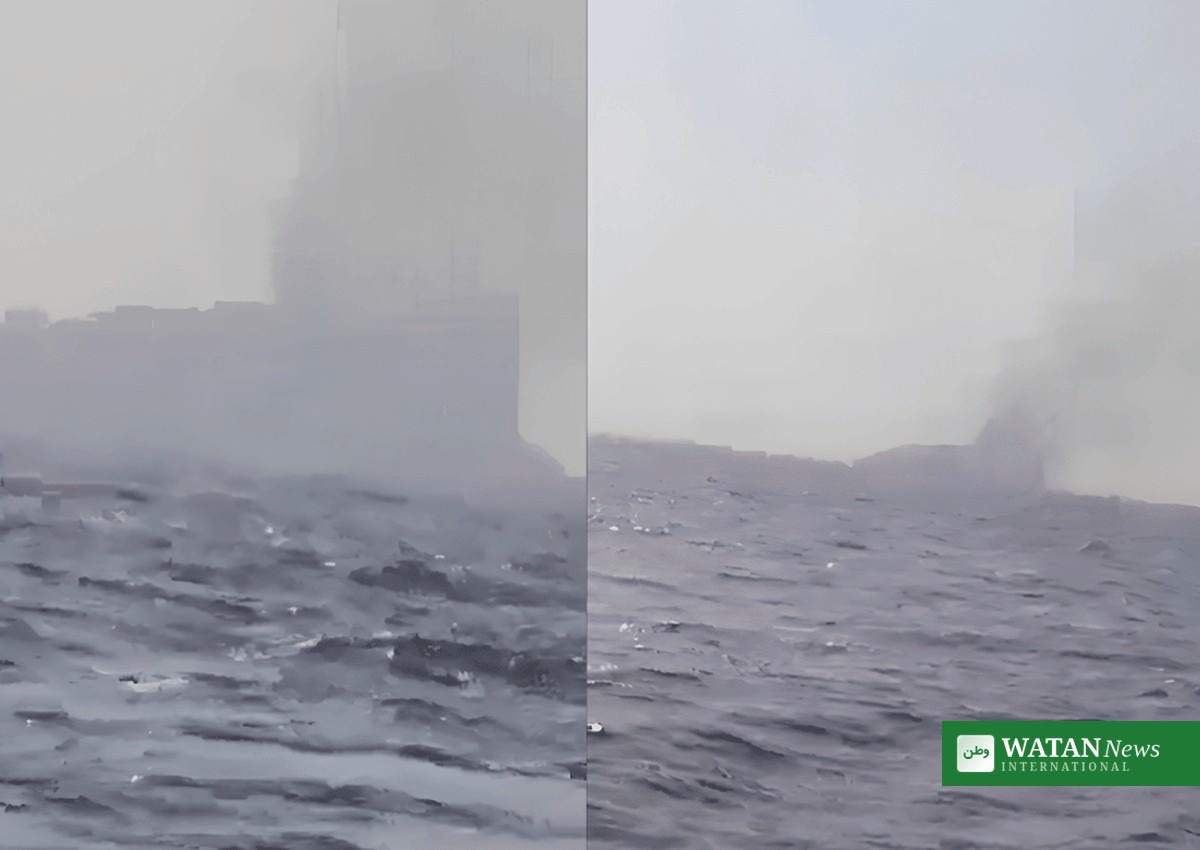
Reuters said it had confirmed smoke rising from the island in video footage, although it was unclear what was burning, and that an image from the European Union’s Copernicus satellite programme also showed thermal activity.
Why Didamar matters for shipping
Didamar, also known as Little Quoin Island, sits off Oman’s Musandam Peninsula next to the southern shipping corridor through the Strait of Hormuz. Its lighthouse was established in 1914, and shore radar and radio equipment on the island is used to track vessels and coordinate traffic through the waterway, through which about a fifth of the world’s seaborne oil and liquefied natural gas passes in peacetime.
Iran treats ships using the southern corridor near the Omani coast as unauthorised, and has been attacking tankers that cross the strait without its permission. Shipping sources told Reuters the attacks on Didamar would likely have limited impact on commercial shipping in the strait, because other navigation systems were in place elsewhere.
Gulf exporters have increasingly used workarounds to keep oil flowing, including ship-to-ship transfers off the coasts of Oman and the United Arab Emirates, and the US military has been aiding commercial vessels transiting the strait since Iranian attacks disrupted traffic. Reuters reported that Gulf oil exports had recovered to more than 80 percent of pre-war levels in September and October, helped by US military-assisted flows and higher Saudi exports through the Red Sea port of Yanbu.
Damage still disputed
Whether the strike actually damaged the island’s navigational aids remains disputed. The Maritime Executive reported that a senior Omani official said the aids had not been struck, and that satellite imagery from the morning of 10 November showed no obvious damage to the lighthouse or the radio and radar masts, although damage to the masts might be difficult to detect at the available resolution.
Satellite imagery from 8 November had earlier shown scorch marks near the radar and radio equipment on the island, although the imagery did not show what caused the damage or which systems were affected.
A wider battle for the strait
The strike on Didamar follows American strikes on Iran’s Qeshm Island, where the Revolutionary Guard has missile and drone launchers that threaten the strait. The United States struck Qeshm on 2 November, according to reports citing US officials, who described those strikes as limited.
Attacks on shipping in the strait have continued throughout the war. Iran’s Revolutionary Guard Navy said two oil tankers caught fire after hitting mines on 8 November on what it called an unauthorised route, and the International Maritime Organization has recorded at least 130 incidents in the waters since the war began, with at least 25 seafarers killed.
Diplomacy remains stalled. US President Donald Trump said on Monday that the war was effectively over after meeting the Qatari prime minister, who is mediating between the two sides, although negotiators are nowhere near a peace deal. Trump had already rejected Tehran’s seven-point proposal for reopening the strait, and Iran said on Tuesday that the strait would stay shut until the United States met seven conditions.
The Didamar strike shows that, even as Gulf oil flows recover, Tehran is still able to reach the navigation infrastructure on which the southern shipping corridor depends, and that the battle for the strait is far from settled.