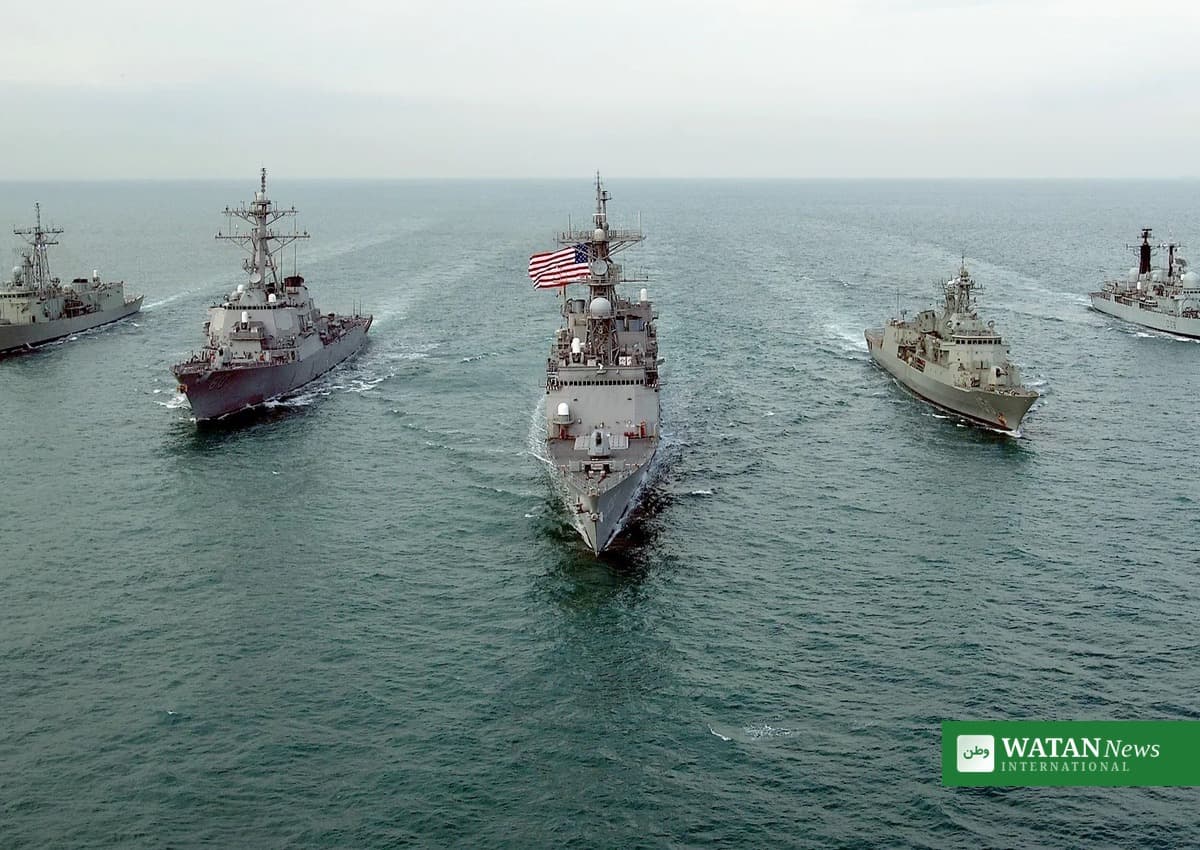
Iran’s Islamic Revolutionary Guard Corps said early on Friday that its Aerospace Force had targeted and destroyed a US military early-warning radar in Bahrain, in what it described as retaliation for an air attack on a telecommunications tower in southern Iran. The claim, the first of an attack on American military assets in a Gulf country since early September, could not be independently verified, and there was no immediate comment from the United States or Bahrain.
FAKTA
- What happened: Iran’s Revolutionary Guards say their Aerospace Force targeted and destroyed a US early-warning radar in Bahrain.
- When: Early on Friday, 13 November 2026.
- Why, according to Iran: Retaliation for what the Guards called an “enemy” air attack on a telecommunications tower in Sirik, in Hormozgan province on the Strait of Hormuz.
- Status: The claim could not be independently verified. The Guards gave no details of the weapons used or of any damage. There was no immediate comment from the US military or the Bahraini authorities.
- Context: Bahrain hosts the headquarters of the US Navy’s Fifth Fleet. It is the first such claim against US military assets in a Gulf country since early September.
Iran Strikes US Radar in Bahrain in Retaliation Claim
The statement was carried by the Guards-affiliated Fars news agency and by the semi-official Tasnim news agency. “In response to the enemy’s aerial aggression against a telecommunications tower in Sirik, IRGC Aerospace Force fighters targeted and destroyed the American aggressors’ early-warning radar on the island of Bahrain a few hours ago,” the statement said, according to a translation by Iran International.
The Guards called the operation “a serious warning” to end “aerial provocations and oil smuggling in the Strait of Hormuz.” They said the Aerospace Force was on full alert for “an unrestricted response” if attacks were repeated.
Iran’s state news agency IRNA reported on Thursday, citing official sources, that Sirik, a county in Hormozgan province on the Strait of Hormuz, had been hit in an enemy attack. It did not say who carried out the strike, what was hit or whether anyone was hurt. Sirik is home to the Revolutionary Guards’ Shahid Rahbari navy base.
No Confirmation from Washington or Manama
There was no immediate comment from the US military or the Bahraini authorities, and the Guards gave no details of the weapons used or of any damage. The claim could not be independently verified.
Hours before the claim, Jamal Shakerami, an adviser at the Guards’ Imam Ali Security Headquarters, said all US bases had become “accessible targets” for Iran’s armed forces, IRNA reported.
Why Bahrain Matters
Bahrain hosts the headquarters of the US Navy’s Fifth Fleet, and the Guards have repeatedly claimed strikes on US radar and air defence systems in the kingdom during the war, including in July. In June, they said they had hit the air base used in an earlier attack on a communications tower in Sirik.
For continuing coverage of the Gulf and the wider region, see our World news section.
A Fragile Lull Under Strain
The conflict between Iran and the United States began with US and Israeli strikes on Iran on 28 February, and has since spread across the region. Iran launched missile and drone attacks on US bases in Gulf states and sought to restrict shipping through the Strait of Hormuz, a vital route for global oil and gas supplies. Washington, in turn, imposed a naval blockade on Iranian ports.
The claim came a day after President Donald Trump said the United States did not need a deal with Iran and directed Vice President JD Vance, who had been leading negotiations with Tehran, to focus on domestic issues instead. Mr Trump also said on Thursday that Gulf allies had urged him to hold off on further strikes on Iran.
The Times reported that the US last struck Iran a week ago, destroying an anti-aircraft system on Qeshm Island, also in the Strait of Hormuz. The Wall Street Journal reported that Brent crude rose 3.3 per cent to $95.82 a barrel on Thursday after Mr Trump’s remarks, as traders priced in renewed risk to Gulf oil supplies.