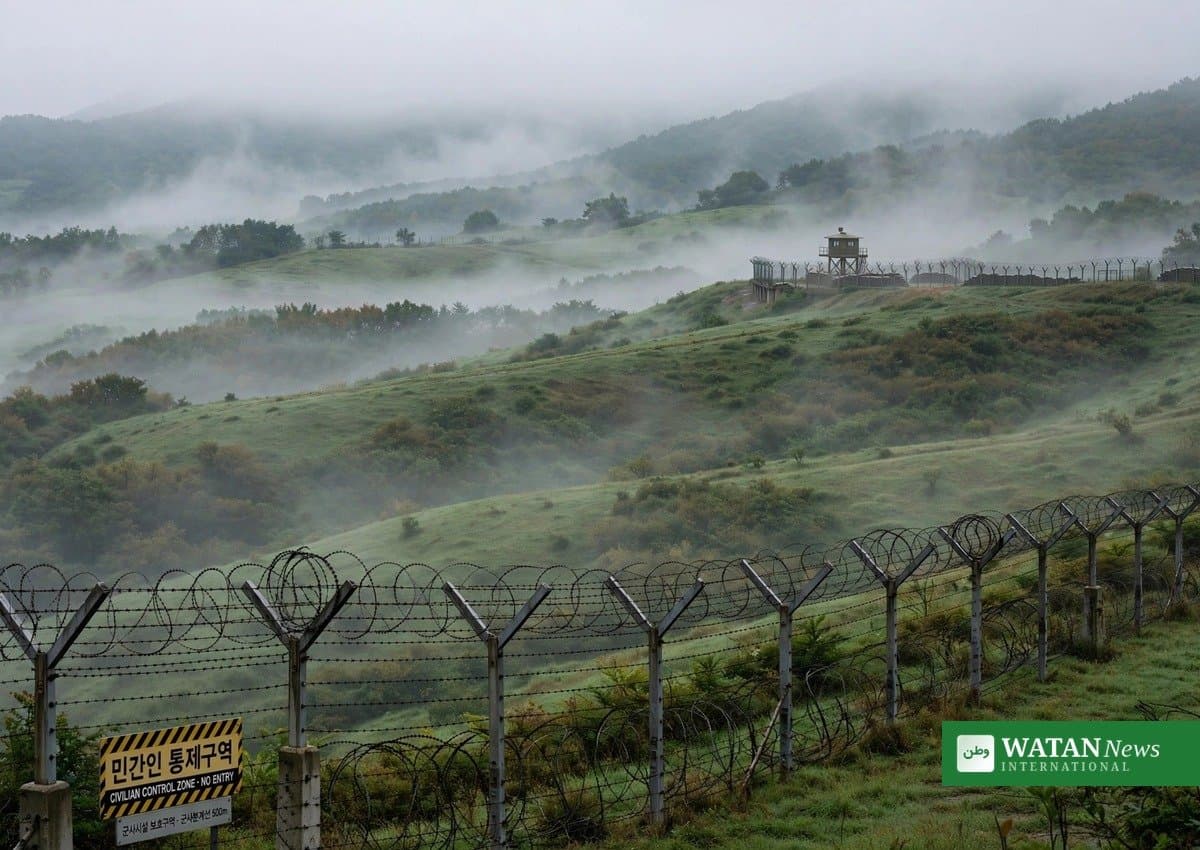
South Korea’s military estimates that North Korea has planted about 960,000 landmines along the inter-Korean border since 2024, a figure that shows how heavily the world’s most fortified frontier has been reinforced in just two years. The estimate was reported by Yonhap news agency on Friday, citing military data presented to lawmakers in Seoul. North Korea DMZ landmines now account for nearly half of all mines believed to be buried in the border zone.
Experts put the total number of mines in the Demilitarised Zone (DMZ) at around two million, including mines laid by South Korea’s own forces. The DMZ is a roughly four-kilometre-wide buffer strip separating the two Koreas, which have technically remained at war since the 1950-53 Korean War ended in an armistice rather than a peace treaty. For more international coverage, visit Watan News International.
FAKTA: North Korea DMZ landmines at a glance
- 960,000 mines: South Korean military estimate of mines planted by North Korea since 2024.
- 2 million mines: estimated total in the DMZ, including South Korean mines.
- Since April 2024: North Korea’s border fortification work stepped up sharply.
- 21 September: a mine blast injured three South Korean soldiers.
North Korea DMZ landmines: a border turned into a fortress
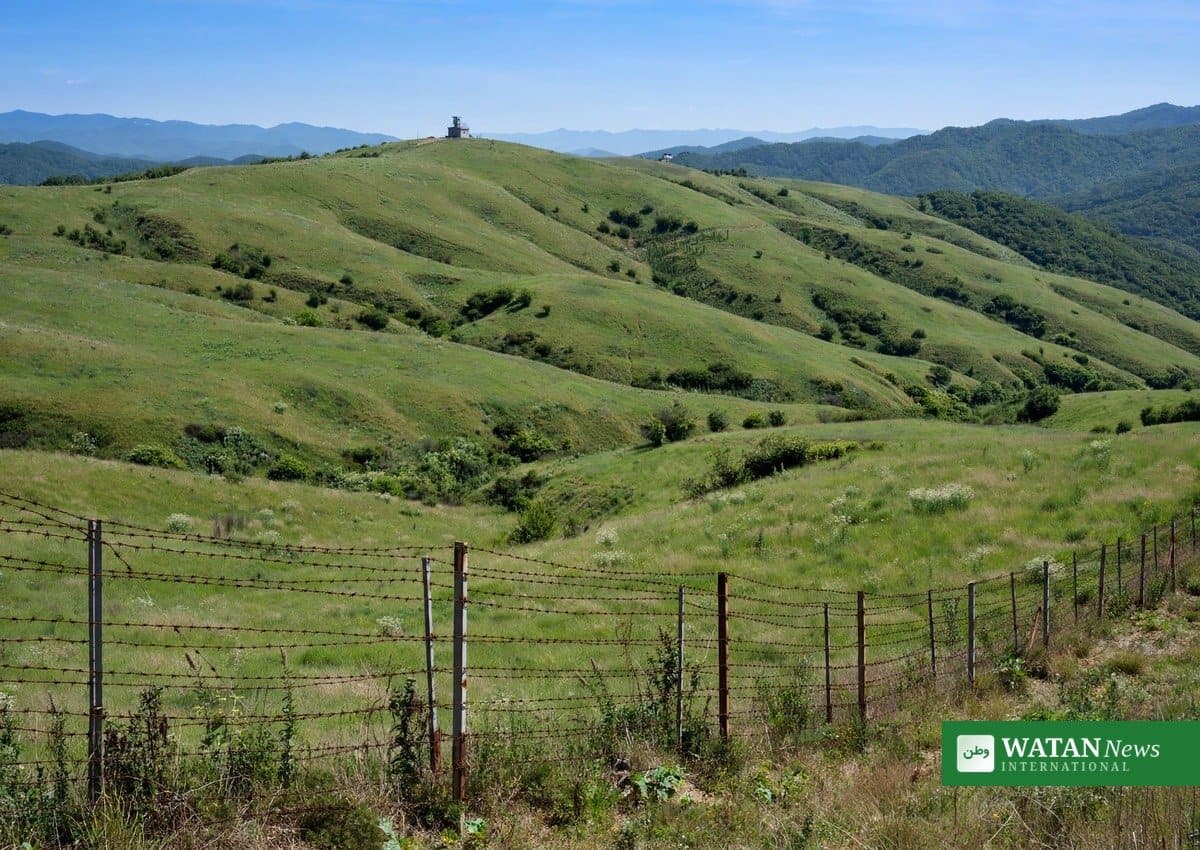
The mine-laying forms part of a wider fortification programme. Since April 2024, North Korean troops have cleared vegetation, built barriers and tactical roads, put up extra barbed-wire fencing and blocked former cross-border road and rail links that once symbolised hopes of reconciliation. In late 2023, leader Kim Jong Un abandoned the long-standing goal of reunification and declared South Korea a hostile state.
Seoul says the work has repeatedly pushed North Korean soldiers across the Military Demarcation Line running through the DMZ, prompting warning broadcasts and warning shots from the South. Disagreement over the line’s exact position adds to the danger, as many marker posts installed under the 1953 armistice have deteriorated or disappeared.
The September blast that sharpened the warning
Tensions rose sharply after a mine exploded on 21 September and injured three South Korean soldiers. A joint investigation by South Korea’s military and the United Nations Command concluded that an active North Korean anti-personnel mine had been found on the southern side of the border line. Seoul urged Pyongyang to apologise and accept responsibility, but North Korea rejected the findings and warned of retaliation against South Korean actions affecting its border work.
Seoul presses for talks as risks grow
South Korea has again called for military talks with the North. Deputy Defence Minister Kim Hong Cheol said the two sides should confirm the exact border line, restore military communication channels and agree on steps to prevent accidental clashes. Seoul has also said it would accept three-way talks involving the United Nations Command.
For now, there is no sign that Pyongyang will accept. Mine clearance in the DMZ is slow, dangerous and costly, and the mines already laid will remain a hazard long after current tensions ease.