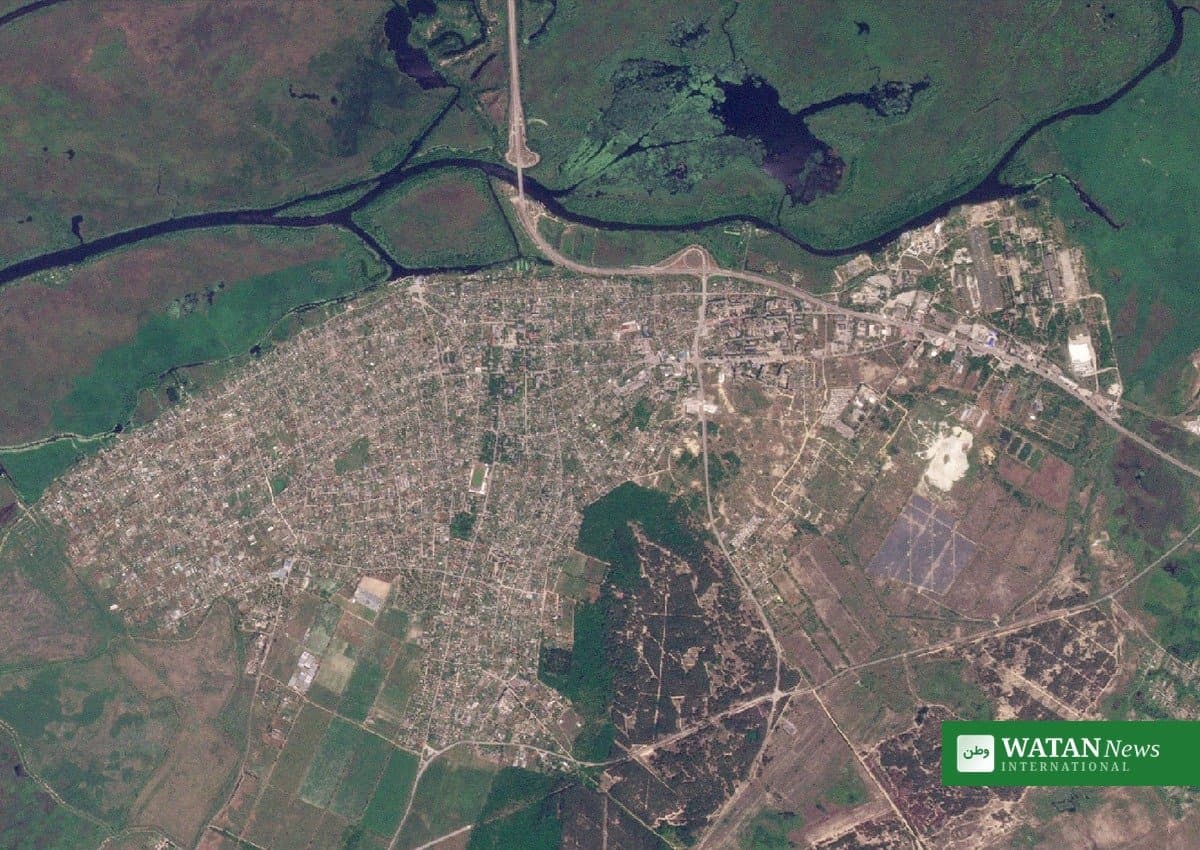
Russia and Ukraine have agreed to a localized ceasefire in the front-line city of Oleshky to allow humanitarian aid in and civilians out, the White House said on Friday. The Oleshky ceasefire, secured with US First Lady Melania Trump acting as intermediary, is limited to the single city and is not a wider halt to the war.
FAKTA: Oleshky ceasefire for humanitarian aid and evacuation
- What was agreed: Both nations agreed to temporarily stop all military action in Oleshky so humanitarian aid can enter and civilians can evacuate through a designated safe passageway, according to the White House.
- When it begins: The White House said the localized ceasefire will begin on October 29, 2026, while CNN reported that Russia’s Ministry of Defence said it would implement the ceasefire in the region from 4 a.m. Moscow time on October 27. The Kremlin said the two militaries were still working to determine the implementation dates.
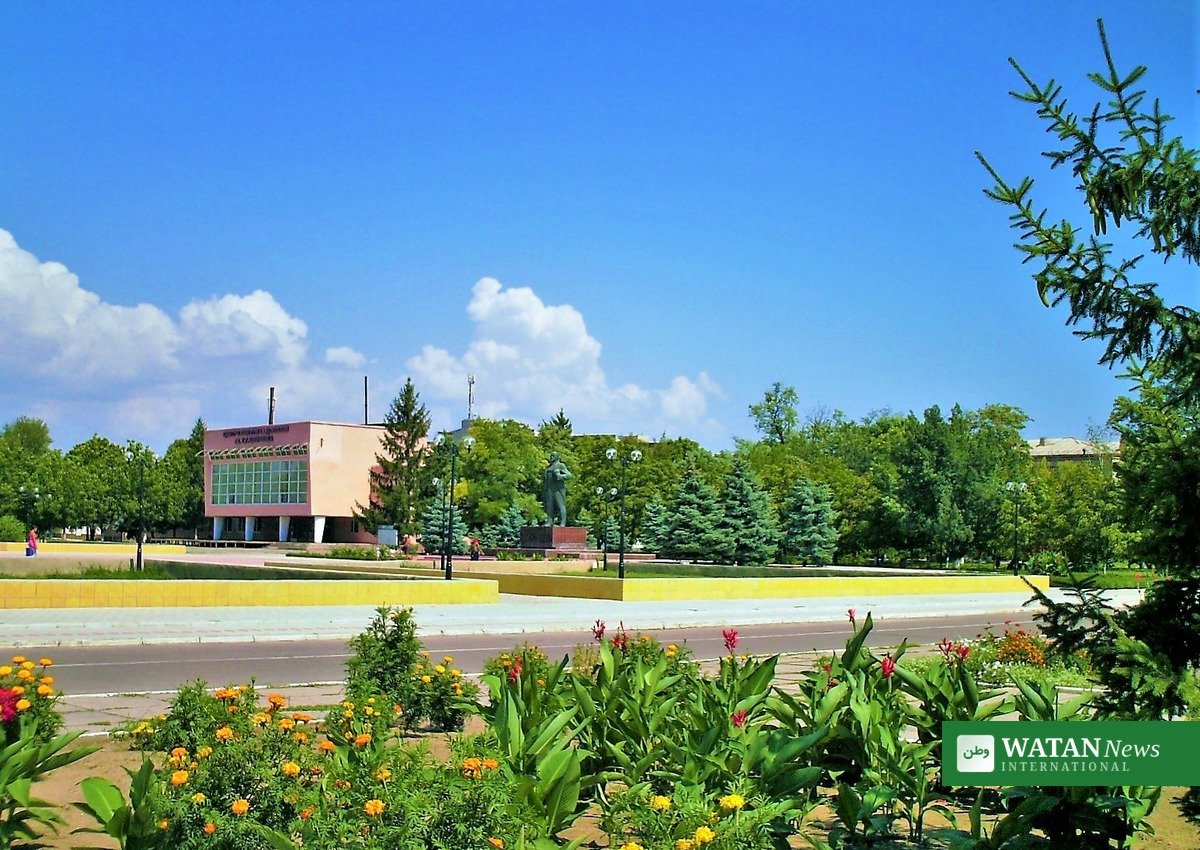
- Where: Oleshky, a city in Ukraine’s southern Kherson region on the left bank of the Dnipro River, which has been under Russian control since February 2022, according to Reuters.
- Who is affected: The remaining population is made up primarily of elderly residents who urgently need medical attention, medicine, food and clean water, the First Lady’s office said. The Times has reported that between 1,700 and 2,000 mostly elderly residents remain in the city.
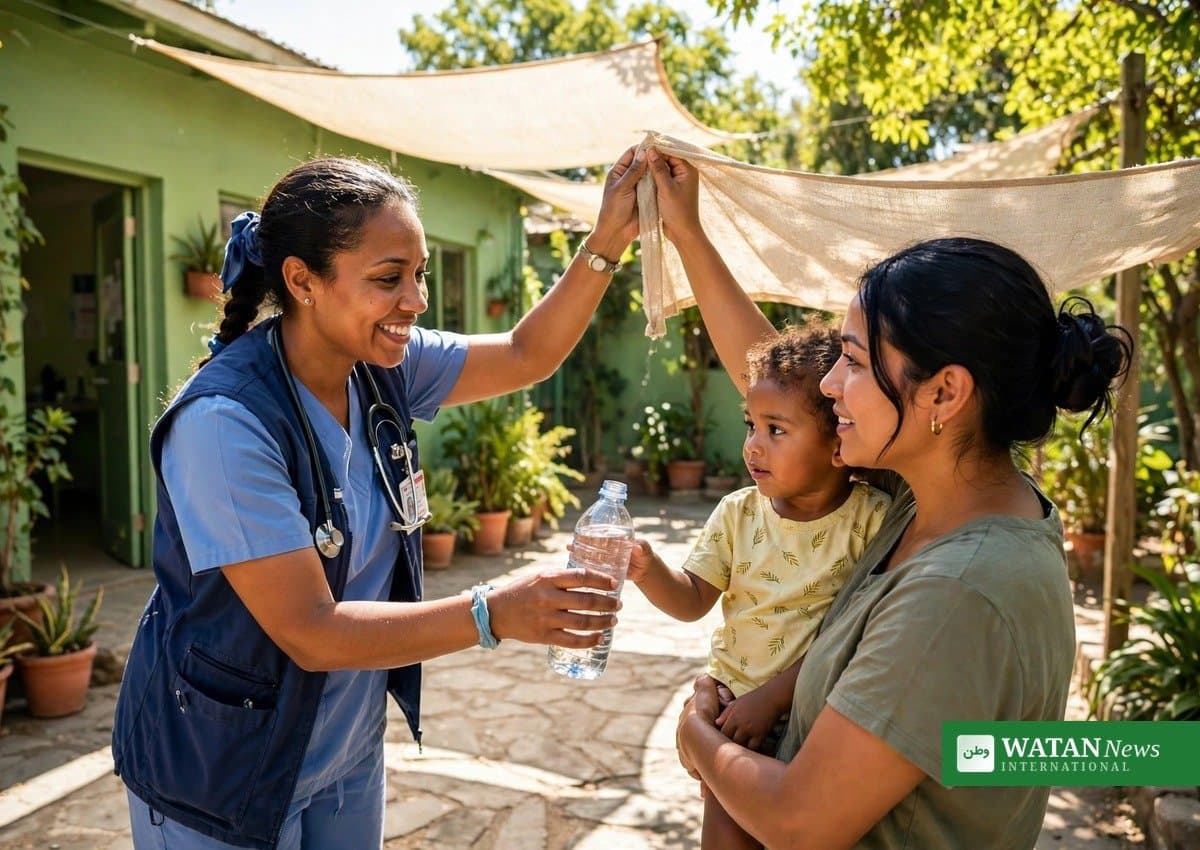
- How evacuation will work: Non-military, civilian leaders from both countries will visit residents in their homes and assess the help they need, and residents who wish to leave will receive coordinated support and transport to their preferred destination, in Russia or in Ukraine.
Oleshky ceasefire announced by the White House
The White House said on Friday that First Lady Melania Trump had secured the agreement after working directly with Russian and Ukrainian leadership. Her office described her role as that of an “exclusive intermediary” and said she initiated the discussions and aligned both sides on the agreement’s objectives, procedures and timing.
“Oleshky is a front-line war city on the brink of disaster. Oleshky’s remaining population is comprised primarily of elderly residents who urgently need medical attention, medicine, food, and clean water,” Trump said in a statement issued by her office.
“The people of Oleshky have limited electricity, live amid mined roads, and endure regular military attacks. It was abundantly clear that without my intervention, the possibility to bring humanitarian aid into the city and to evacuate the elderly would be impossible,” she said.
Kremlin confirms the agreement as timing details are worked out
The Kremlin confirmed on Friday that a US-brokered local ceasefire agreement had been struck for Oleshky, Reuters reported. Kremlin spokesperson Dmitry Peskov said all civilians wishing to leave the city would be allowed to do so, and that the evacuation operation itself was expected to take at least several days.
“We welcome the efforts of the First Lady of the United States, Mrs Melania Trump, who has made a significant contribution to the coordination of the humanitarian operation,” Peskov said. He said the subject had been discussed in a recent phone call between Russian President Vladimir Putin and US President Donald Trump.
Peskov declined to give specifics on evacuation routes or how long the ceasefire would last, saying only that the operation would “certainly take at least a few days.” CNN reported that both Russian and Ukrainian officials confirmed the limited ceasefire on Friday, and that Russia’s Ministry of Defence said it would implement the ceasefire in the region from 4 a.m. Moscow time on October 27, two days before the White House’s stated start date of October 29.
Ukrainian officials involved in the negotiations also confirmed the plan. Dmytro Lubinets, the Ukrainian Parliament’s commissioner for human rights and a leader in the negotiations, said the “operation will take place gradually; it is extremely complex to carry out.” Davyd Arakhamia, a member of Ukraine’s parliament who took part in the negotiations, said an operation to lift the blockade of the town and surrounding areas would begin shortly, with the goal of establishing permanent humanitarian corridors for safe evacuation and aid delivery.
Why Oleshky’s civilians need the pause
Residents of Oleshky have reported a deepening food crisis, Reuters reported, and the city has had almost no access to food or humanitarian supplies for months. The First Lady’s office said the circumstances of Oleshky came to her attention during a private discussion at the 81st United Nations General Assembly in New York, and that she had already been involved in work to reunite children separated from their families by the war.
Trump said an impartial American media organisation would accompany and document the Russian and Ukrainian teams on the ground throughout the process. CNN reported that the network Newsmax subsequently said it had been granted exclusive television access to accompany a delegation of Russian and Ukrainian observers entering Oleshky on October 29.
US President Donald Trump praised his wife’s efforts on Friday, saying “they contacted both sides, and both sides wanted to do it.” The agreement covers only Oleshky: it does not stop the wider war, which began when Russia invaded Ukraine in February 2022, and the exact start of the local pause remains subject to the final military coordination described by the Kremlin.
For more coverage from the region, see Watan News’ Europe news.