LIVE
BREAKING
Twelve Migrants Found Dead on Boat Off Crete as Rescuers Save Dozens MoreSeven Dead, 112 Injured as Two Trains Collide South of CairoFourteen Killed in Taiyuan Apartment Fire in Northern ChinaCOP31 Events Calendar: Twelve Thematic Days in Antalya, from Food and Health to Final NegotiationsTrump and Qatar’s Prime Minister to Hold White House Talks on IranOusted PM Sheikh Hasina Seeks New Passport to Return to Bangladesh in DecemberCOP31 Turns to Art: ‘Still Possible’ Brings the Climate Crisis to Life in AntalyaChildren and Youth Pavilion Returns at COP31 with Ten Young SpokespersonsDrone Strike Halts Khor Mor Gas Field, Cuts Power to Over 70% of Iraqi KurdistanElectric Shuttles, Free Light Rail and Special Air Fares: How COP31 Plans to Move 100,000 People GreenerWorld Leaders to Plant Trees in COP31 ‘Forest of Peace’ as Forest Finance Tops Antalya AgendaCOP31 Puts Zero Waste at the Centre with a 2035 Target to Halve Waste GrowthCOP31 Opens Today in Antalya as Calls Grow to Reform Climate Consensus RulesPower Restored to Zaporizhzhia Nuclear Plant After Sunday BlackoutUS Widens Iran Blockade to Land Routes as Hormuz Tensions EscalateUS Home Prices Fall for a Third Straight Week as Mortgage Rates EaseSix Killed in Kraków Main Square Shooting as Poland Points to Far-Right ViewsHormuz Oil Shock: Tanker Attacks Push Brent Near $100 as Shipping StallsEurope to Join US-Brokered Ukraine Talks in Abu Dhabi Despite Kremlin ObjectionsBragg Gaming Names Morten Tonnesen Interim CEO as Matevž Mazij Steps DownTwelve Migrants Found Dead on Boat Off Crete as Rescuers Save Dozens MoreSeven Dead, 112 Injured as Two Trains Collide South of CairoFourteen Killed in Taiyuan Apartment Fire in Northern ChinaCOP31 Events Calendar: Twelve Thematic Days in Antalya, from Food and Health to Final NegotiationsTrump and Qatar’s Prime Minister to Hold White House Talks on IranOusted PM Sheikh Hasina Seeks New Passport to Return to Bangladesh in DecemberCOP31 Turns to Art: ‘Still Possible’ Brings the Climate Crisis to Life in AntalyaChildren and Youth Pavilion Returns at COP31 with Ten Young SpokespersonsDrone Strike Halts Khor Mor Gas Field, Cuts Power to Over 70% of Iraqi KurdistanElectric Shuttles, Free Light Rail and Special Air Fares: How COP31 Plans to Move 100,000 People GreenerWorld Leaders to Plant Trees in COP31 ‘Forest of Peace’ as Forest Finance Tops Antalya AgendaCOP31 Puts Zero Waste at the Centre with a 2035 Target to Halve Waste GrowthCOP31 Opens Today in Antalya as Calls Grow to Reform Climate Consensus RulesPower Restored to Zaporizhzhia Nuclear Plant After Sunday BlackoutUS Widens Iran Blockade to Land Routes as Hormuz Tensions EscalateUS Home Prices Fall for a Third Straight Week as Mortgage Rates EaseSix Killed in Kraków Main Square Shooting as Poland Points to Far-Right ViewsHormuz Oil Shock: Tanker Attacks Push Brent Near $100 as Shipping StallsEurope to Join US-Brokered Ukraine Talks in Abu Dhabi Despite Kremlin ObjectionsBragg Gaming Names Morten Tonnesen Interim CEO as Matevž Mazij Steps Down
Climate

Plastic chemicals and health: new evidence dashboard sharpens zero-waste stakes ahead of COP31

News Desk 5Published September 18, 2026
Plastic chemicals and health: new evidence dashboard sharpens zero-waste stakes ahead of COP31
Share this story

GENEVA — Scientists have launched an open-access, interactive dashboard tracking the health effects of plastic chemicals, in what researchers call the most systematic evidence review yet of how plastics harm the human body. PlasticHealthAware, presented at a side event to the INC-5.2 plastics-treaty negotiations in Geneva, synthesises thousands of studies on the chemical families used in plastics and their links to disease.

The dashboard is hosted by the Global Observatory on Planetary Health at Boston College, directed by Philip Landrigan, and funded by the Minderoo Foundation. It uses umbrella-review methodology developed with the JBI centre at the University of Adelaide, distilling the existing peer-reviewed systematic reviews into a single interactive tool.

FAKTA

  • PlasticHealthAware launched on 9 August 2025 at a Geneva side event to the INC-5.2 negotiations; the founding paper appeared in the Annals of Global Health (source: Annals of Global Health).
  • The dashboard tracks five chemical classes used in plastics: bisphenols (including BPA), phthalates, polychlorinated biphenyls (PCBs), polybrominated diphenyl ethers (PBDEs), and per- and polyfluoroalkyl substances (PFAS).
  • It found significant associations between these chemicals and reproductive, endocrine, neurodevelopmental, nutritional, circulatory, respiratory and dermatological outcomes, as well as cancer; children are especially vulnerable.
  • More than 16,000 chemicals are used in plastics, according to the PlastChem report cited by the researchers.
  • Minderoo and Lancet research estimates plastic-related health costs at roughly US$1.5 trillion per year; microplastics have been detected in blood, lungs, placentas, breast milk and the brain (source: Minderoo Foundation).
  • The first dashboard update, covering literature through August 2025, added flame retardants, plasticizers, bisphenols and PFAS.

What the plastic chemicals evidence shows

The umbrella review pulls together existing systematic reviews on five chemical families — bisphenols, phthalates, PCBs, PBDEs and PFAS — and the diseases tied to them. The associations are strongest for reproductive and endocrine outcomes, neurodevelopmental effects in children, and cancer, though the evidence base varies in strength across chemicals and outcomes. The findings have been presented as input to the global plastics-treaty talks, where negotiators are weighing whether to address plastic production and hazardous chemicals, not just waste.
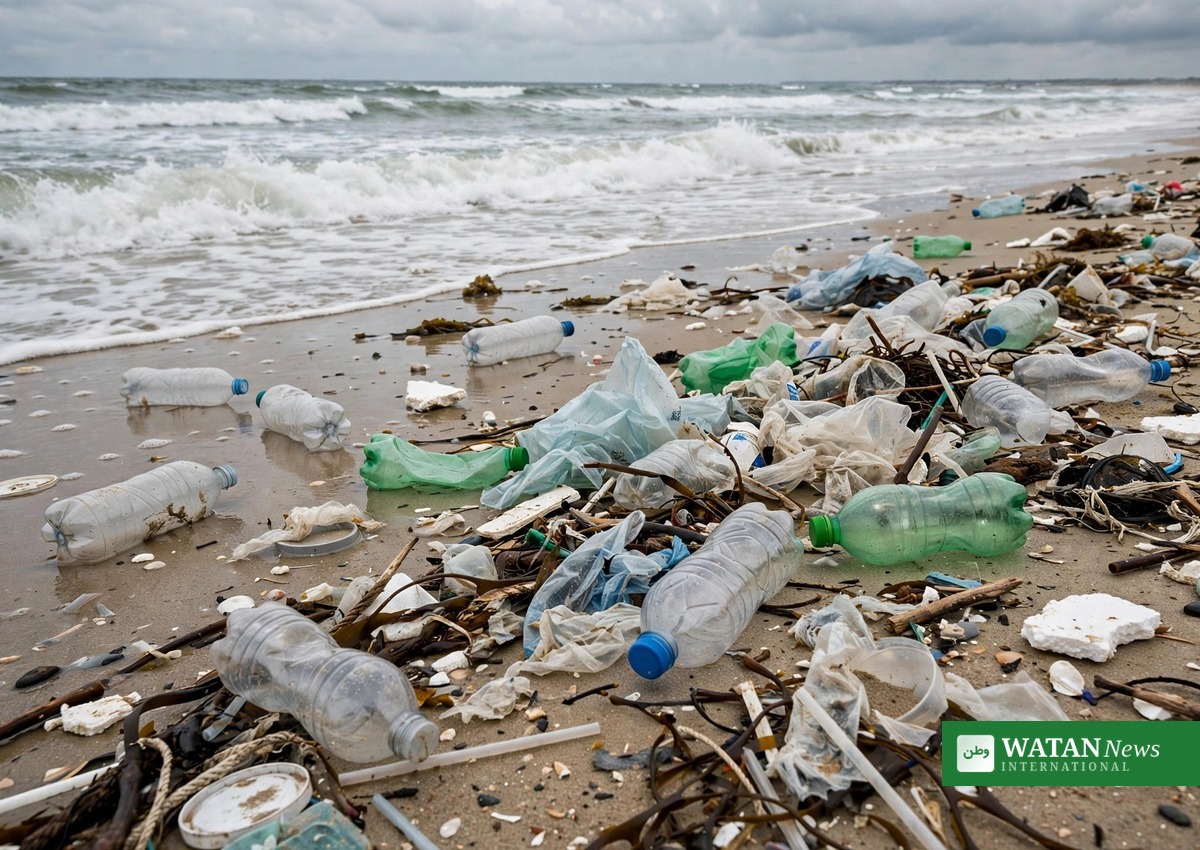
Single-use plastic waste washed up on a beach, the source of plastic chemicals entering the environment
Plastic waste on a shoreline. More than 16,000 chemicals are used in plastics, according to the PlastChem report.

Why an open dashboard matters

By making the evidence interactive and freely available, the researchers say PlasticHealthAware gives policymakers, journalists and the public a way to check what the science actually says about specific plastic chemicals — at a moment when treaty negotiations and national regulations hinge on exactly those questions. The dashboard’s first update, covering literature through August 2025, added flame retardants, plasticizers, bisphenols and PFAS to its scope.
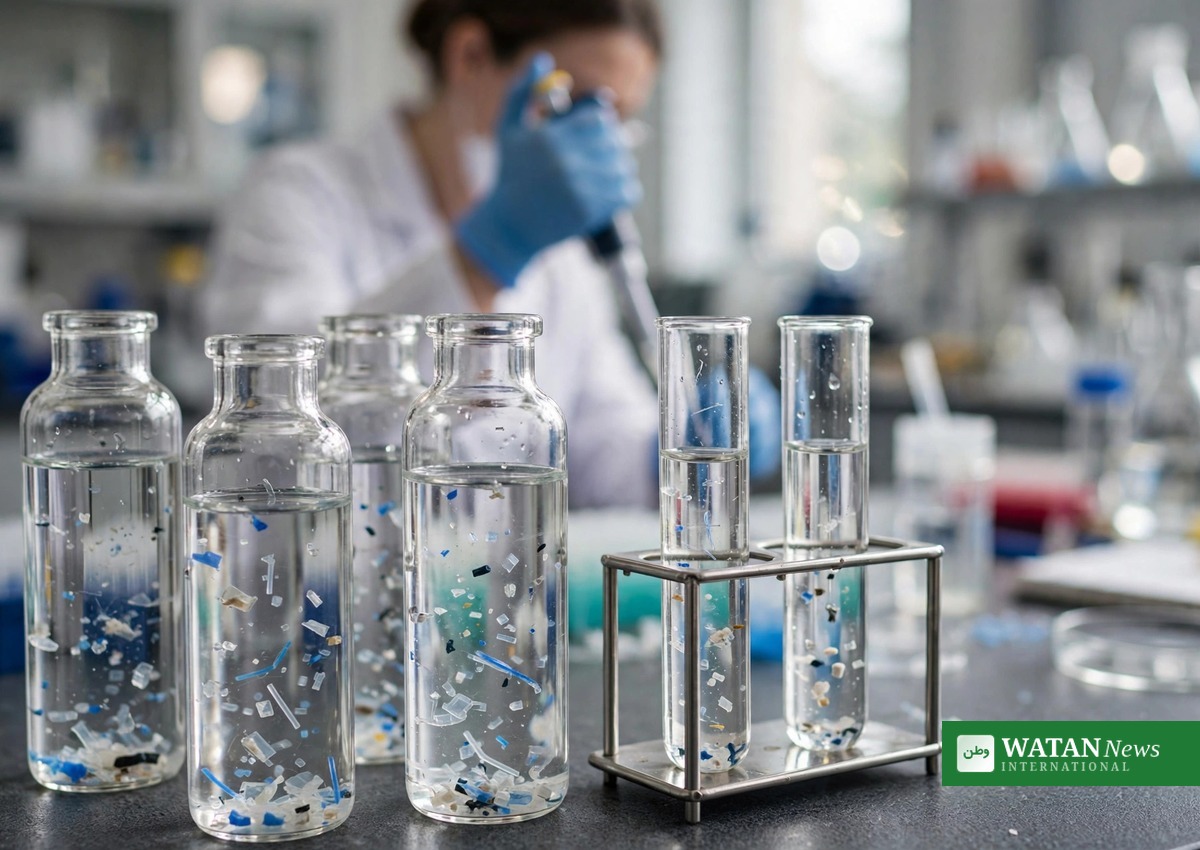
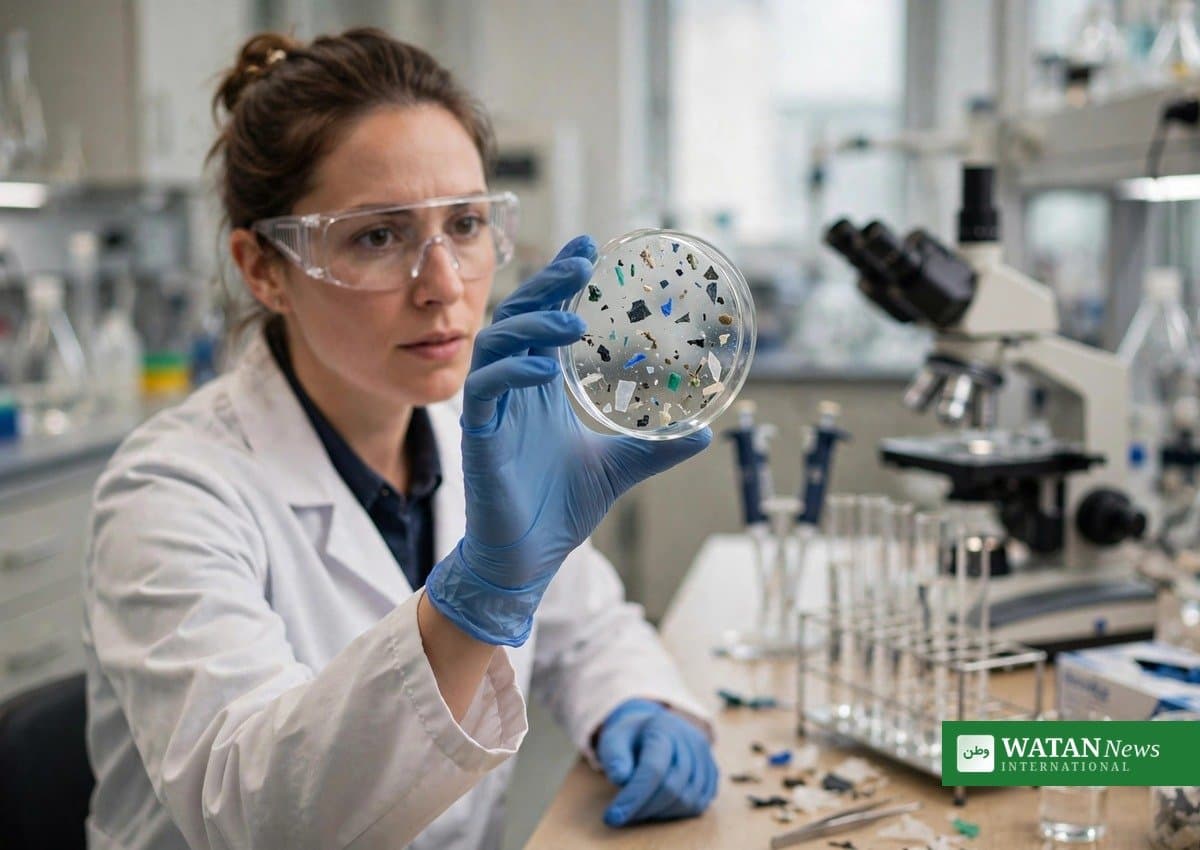
Laboratory vials and test tubes containing water samples with visible microplastic particles under analysis
Water samples with visible microplastic particles under analysis. Microplastics have been detected in human blood, lungs, placentas, breast milk and the brain.

Conclusion

The launch of PlasticHealthAware shifts the plastics debate from counting tonnes of waste to tracing chemicals through the human body. As the global treaty talks continue, its compilers argue that decisions on production, chemicals and substitutes should be judged against the accumulating health evidence — and that the evidence is now, for the first time, searchable in one place. More on plastics and health on the main Watan News site.

Frequently Asked Questions

Related Stories

Planet & environment

Climate & Sustainability

News, stories and solutions driving change towards a greener and more sustainable planet for future generations.

COP31 Events Calendar: Twelve Thematic Days in Antalya, from Food and Health to Final Negotiations
Featured story

COP31 Events Calendar: Twelve Thematic Days in Antalya, from Food and Health to Final Negotiations

COP31 opens in Antalya with twelve themed days from 9 to 20 November 2026 — food, agriculture and health today, the Leaders’ Summit on 11–12 November, and final negotiations on 20 November.

Read full story

GREEN JOURNALISM

Every Action Counts

Small steps today, big impact tomorrow.

Explore more stories