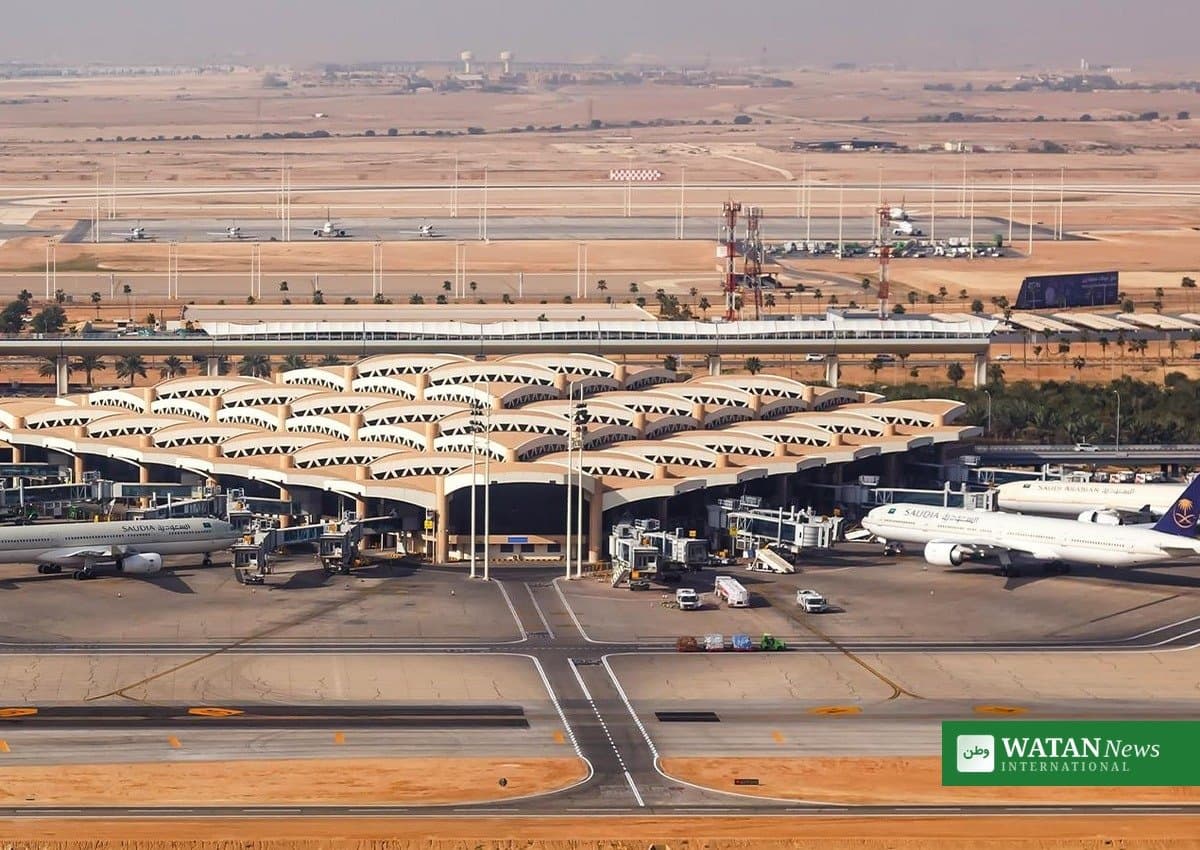
RIYADH, Saudi Arabia — Three people were killed and 36 injured in Houthi attacks on two international airports in Saudi Arabia — King Khalid International Airport in Riyadh and Abha International Airport in the south of the kingdom — the Saudi General Authority of Civil Aviation (GACA) confirmed on Wednesday. The Saudi-led military coalition has since struck back, destroying dozens of Houthi military targets inside Yemen and vowing that the attacks “will not go unpunished.”
FAKTA
- Three killed, 36 injured: GACA confirmed that airports in Riyadh and Abha were attacked on October 6 and 7.
- At Abha: two women residents were killed and 28 people were injured, with injuries ranging from minor to serious.
- At Riyadh: a Sudanese resident was killed and eight others were injured, including five Saudi citizens, two Egyptian residents and a Pakistani national.
- Coalition retaliation: the Saudi-led coalition destroyed 82 Houthi military targets in Saada, Hodeida, Jawf and Marib, including ballistic-missile storage sites and command centres.
- Flight chaos: more than 150 flights were cancelled at Riyadh airport on Thursday as delays and cancellations mounted; airlines including Lufthansa, IndiGo, Air India and Philippine Airlines have suspended Riyadh services into mid-October.
Houthi attacks on Saudi airports: what happened
Saudi Arabia’s civil aviation authority said on Wednesday that Abha International Airport and King Khalid International Airport came under attack on Tuesday and Wednesday. At Abha International Airport, in the south of the kingdom, two women residents were killed and 28 others sustained injuries ranging from minor to serious. Those injured included Saudi citizens and residents from Bangladesh and the Philippines.
In Riyadh, a Sudanese resident was killed in an attack on King Khalid International Airport, with eight others injured — five Saudi citizens, two Egyptian residents and a Pakistani national. All those injured were taken to hospital for medical treatment, while both attacks caused damage to airport facilities, GACA said.
Emergency response teams were deployed immediately after the incidents, and the authority said it was working with the relevant agencies to assess the damage, verify the safety of the facilities and take measures to protect passengers and civil aviation operations across the kingdom.
The Houthis claimed responsibility for the strikes. Houthi military spokesman Yahya Saree said the group had carried out multiple missile and drone attacks, including on King Khalid International Airport and an Aramco refinery in Rabigh, describing them as retaliation for Saudi airstrikes. Saudi forces said they intercepted a ballistic missile fired toward Riyadh on Wednesday and destroyed the launch platform in the Yemeni capital, Sanaa.
Coalition strikes back: 82 targets destroyed
The Saudi-led coalition responded with heavy strikes against Houthi positions in Yemen. A coalition spokesperson said 82 “legitimate military targets” belonging to the Houthis were destroyed in Saada, Hodeida, Jawf and Marib, including mountain-based ballistic-missile storage sites, command-and-control centres, communication systems and sites where Houthi fighters were gathering.
“The brutal attacks by the terrorist Houthi militia on civilians and civilian objects in the kingdom, most recently targeting the two airports, will not go unpunished,” the coalition said in a statement posted on X.
The coalition had already announced on Wednesday morning that it intercepted a ballistic missile launched by the Houthis north of Riyadh and destroyed the launch site in Sanaa that was being prepared for another strike on Saudi Arabia.
Riyadh airport flight disruptions
The attacks disrupted air traffic at Riyadh’s main airport on Thursday. Flight-tracking platform Flightradar24 showed 114 delayed departures at King Khalid International Airport as of 12:17 p.m. Saudi time on Thursday — representing 29 per cent of scheduled services — with a further 20 flights, or 5 per cent, cancelled, and the average departure delay standing at 35 minutes.
Updated figures later showed that more than 150 flights had been cancelled on Thursday afternoon as airlines struggled with the fallout from the attacks. Thursday’s cancellations and delays affected both domestic and international services.
Airlines suspend Riyadh flights as threats renew
The disruption deepened on Thursday as major international carriers suspended services to the Saudi capital. Lufthansa Group said its airlines would suspend flights to Riyadh through October 16, citing “current developments in the Middle East.” India’s largest airline IndiGo cancelled all flights to and from Riyadh until October 9, while Air India and Akasa Air cancelled theirs until October 10. Air India Express also suspended services until October 10, and Philippine Airlines cancelled its Manila–Riyadh flights until at least October 11. Singapore Airlines postponed the launch of its Riyadh service to March 28.
An Air India flight from Delhi to Riyadh turned back to the Indian capital on Thursday, and the airline said affected passengers would be offered full refunds. India’s embassy in Riyadh issued an advisory for Indian nationals in Saudi Arabia. Aviation analytics firm Cirium said 49.7 per cent of departures from Riyadh airport had been cancelled by mid-afternoon Thursday, with more cancellations expected on Friday; more than a quarter of all flights leaving Saudi Arabia were disrupted on the day.
Smoke was seen rising from a stationary aircraft at Riyadh airport on Thursday, according to a witness and three people briefed on the matter. Houthi military spokesman Yahya Saree claimed on social media that a ballistic missile had struck King Khalid International Airport on Thursday, “causing damage and disrupting air traffic” — a claim Saudi authorities did not immediately confirm. The United Nations, Britain and Arab states condemned the attacks on the Saudi airports.
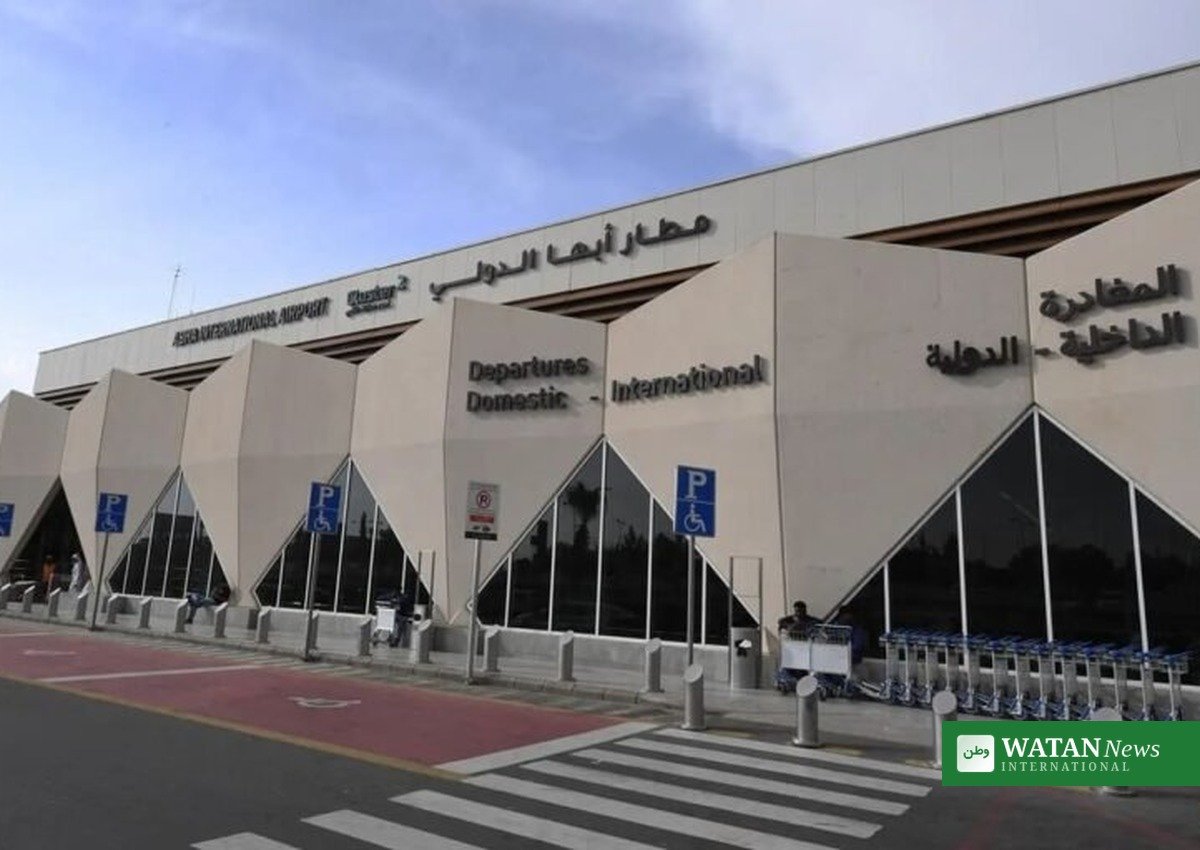
Abha International Airport in southern Saudi Arabia — two women residents were killed and 28 people injured in the attack on the facility.
Widening fallout: GCC, UN and regional alarm
The Gulf Cooperation Council (GCC) called on Wednesday for a “firm and deterrent” international response to the attacks. GCC Secretary-General Jasem Albudaiwi condemned the strikes on Abha and Riyadh airports, saying the targeting of civilian airports and the endangering of passengers, workers and other civilians represented a “dangerous escalation” and a flagrant violation of international laws and norms. He said member states stood “as one” with Saudi Arabia.
The United Nations said on Wednesday that the latest fighting inside Yemen has displaced more than 200,000 people. The attacks underscore how the conflict is increasingly affecting Saudi territory as Riyadh deepens its support for the Yemeni government’s military campaign.
The Yemen conflict flared up in July, shortly after the US–Iran ceasefire unravelled, with Houthi missile attacks on Saudi oil facilities and tankers in an expansion of the Middle East war. Riyadh has responded with airstrikes in support of Yemeni government forces, and Yemen’s internationally recognised government announced a major counter-offensive this week. Pakistan confirmed on Wednesday that its troops are stationed in Saudi Arabia under a newly minted mutual defence treaty signed with Saudi Arabia and Turkey, as the US Mission in Saudi Arabia warned American citizens that the conflict “has the potential to escalate.”
Read more world news on Watan News.