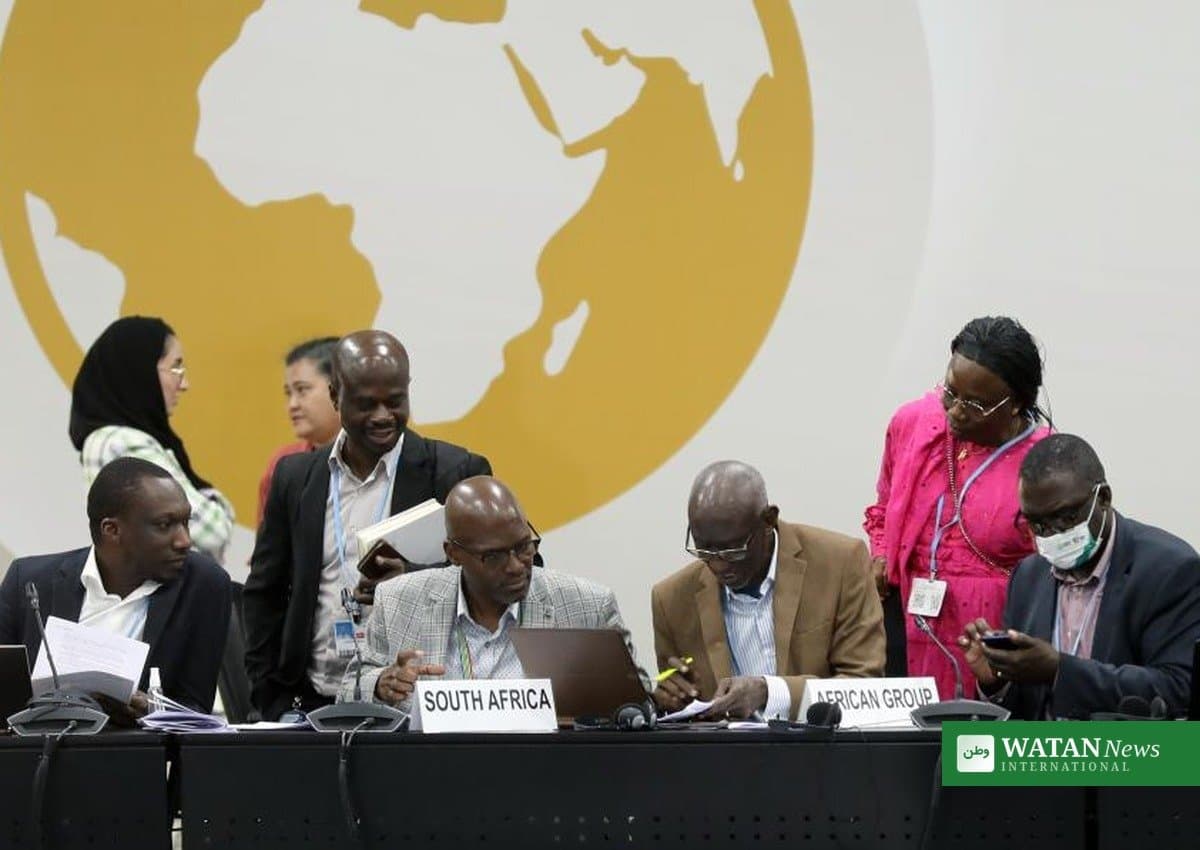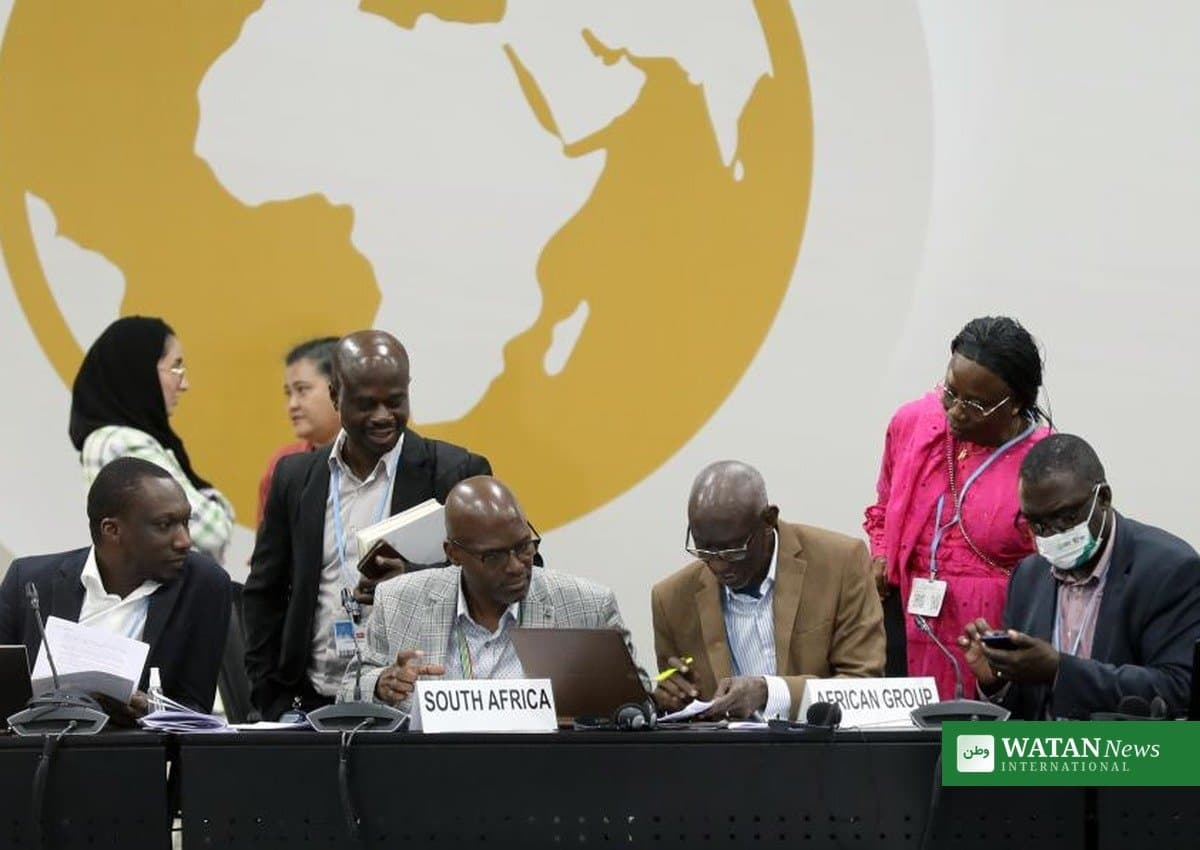
SINGAPORE — Governments, cities and industry leaders announced a package of measures to accelerate sustainable cooling and heat resilience on 17 September 2026 at the Global Cooling Pledge Assembly in Singapore, according to the United Nations Environment Programme (UNEP). The package includes the inaugural Cool Leaders awards, a Global Roadmap on Heat Resilience for a Warming World, and a Nature for Cooling Challenge.
UNEP says global demand for cooling is rising rapidly. The number of air conditioners worldwide is expected to reach 5.6 billion by 2050 — nearly three times today’s levels — making it urgent to protect people from extreme heat without driving a surge in energy demand and greenhouse gas emissions. “The world has never understood the danger of extreme heat better,” said Inger Andersen, Executive Director of UNEP. “The urgent challenge ahead of us is rapidly scaling sustainable cooling solutions that protect people, strengthen resilience and reduce emissions.”
FAKTA
- The Global Cooling Pledge Assembly 2026 was held in Singapore on 17 September 2026, announced by UNEP (source: UNEP press release).
- First Cool Leaders named: Singapore (passive cooling and heat resilience), the United Arab Emirates (district cooling and advancing cooling in global climate and development policy), and Dong Mingzhu, Chairwoman of Gree Electric Appliances (ultra-efficient, low-carbon cooling technologies).
- Brazil, Cambodia and Côte d’Ivoire joined the Nature for Cooling Challenge, led by UNEP and Sustainable Energy for All (SEforALL).
- The challenge is backed by a US$3 million Global Environment Facility (GEF) grant and US$33 million in co-financing, supporting nature-based solutions that can reduce peak summer temperatures by up to 5°C.
- Cooling already accounts for about 20 percent of global electricity use; Singapore’s Minister for Sustainability and the Environment Grace Fu said Asia is warming nearly twice as fast as the global average.
- Singapore announced a S$40 million “Adapting to Heat Impacts” research programme and said more than 300 cooling centres would open islandwide during heatwaves.
Cool Leaders recognised at the Assembly
A highlight of the Assembly was the launch of the inaugural Cool Leaders awards, recognising outstanding leadership in advancing sustainable cooling and protecting people from extreme heat. Singapore was honoured for leadership in passive cooling and heat resilience, the UAE for leadership in district cooling and advancing cooling in global climate and development policy, and Dong Mingzhu of Gree Electric Appliances for spearheading the development of ultra-efficient, low-carbon cooling technologies, including the Zero Carbon Source air-conditioning system.
Host Singapore used the Assembly to call for stronger international cooperation. “At a time of geopolitical tension and shifting global priorities, international cooperation on cooling matters more — not less. Now is the time to turn the Global Cooling Pledge into action,” said Minister for Sustainability and the Environment Grace Fu, according to Xinhua reporting from the event.

Nature for Cooling Challenge: cities harnessing nature against heat
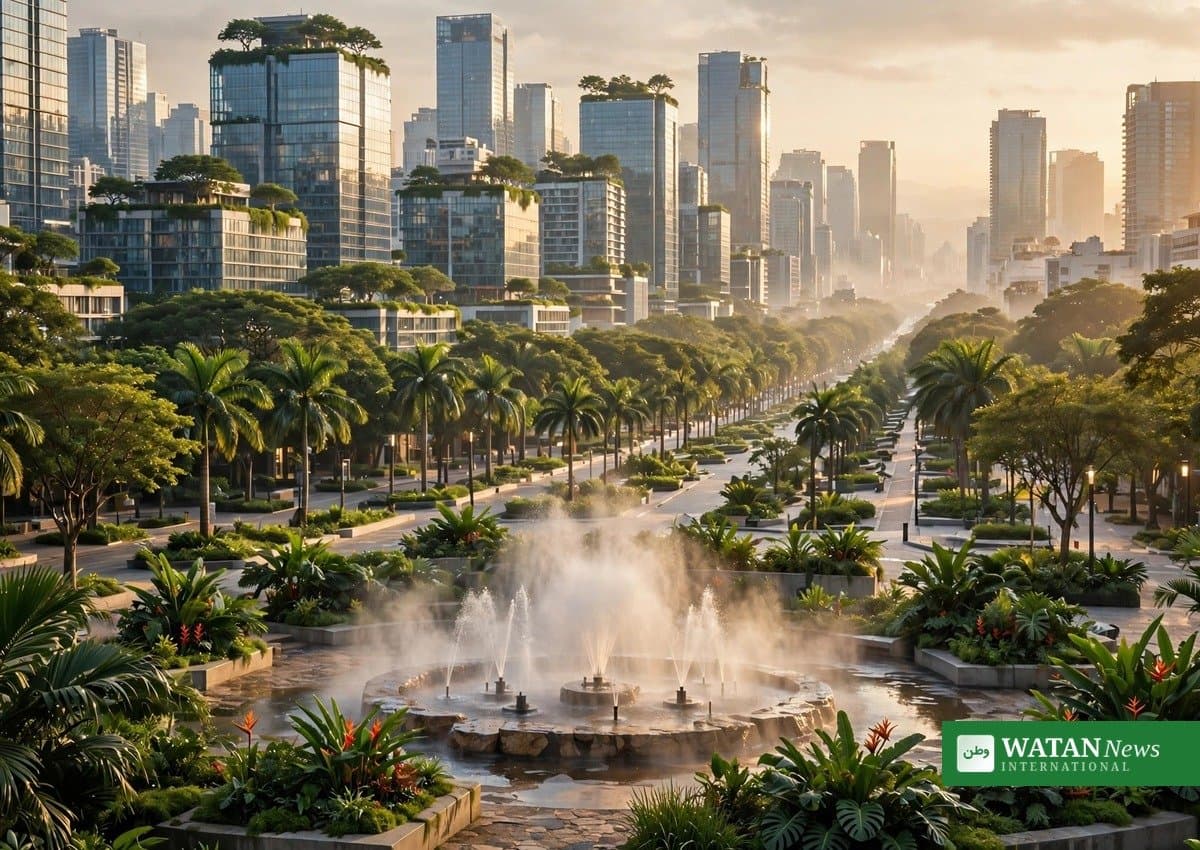
The Nature for Cooling Challenge is an innovative competition that will help cities and developers harness nature to tackle extreme heat. Led by UNEP and SEforALL, it will identify and support promising projects using urban forests, parks, green roofs and other nature-based solutions that can reduce peak summer temperatures by up to 5°C.
The challenge frames cooling as a dual-purpose effort: cooling people while cutting the climate footprint of conventional refrigeration and air conditioning. Backed by a US$3 million GEF grant and US$33 million in co-financing, it connects adaptation for extreme heat with mitigation of the emissions that drive warming.

Global Roadmap on Heat Resilience takes shape
At the Assembly, governments also began shaping the Global Roadmap on Heat Resilience for a Warming World — a flexible framework to help countries build resilience to extreme heat, safeguard essential services, and reduce the climate impact of cooling. The roadmap sets out practical approaches to protect people from extreme heat and strengthen critical systems including schools, hospitals, workplaces and energy infrastructure.
By integrating adaptation, resilience and mitigation objectives into a single framework, the roadmap aims to help countries prepare for rising temperatures while advancing broader climate goals. Read more of our COP31 climate coverage on the main Watan News site.