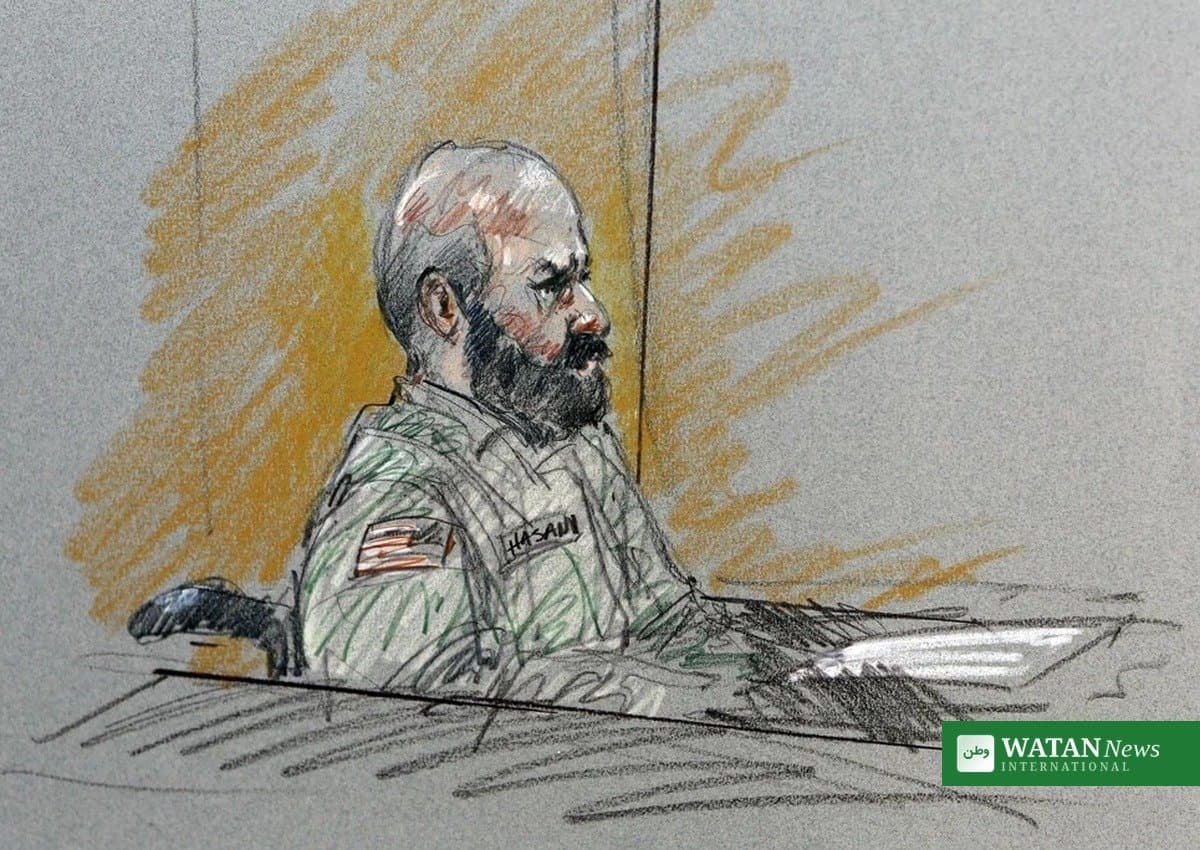
President Donald Trump has approved the execution of Nidal Hasan, the former U.S. Army psychiatrist convicted of killing 13 people in the 2009 mass shooting at Fort Hood in Texas, by military firing squad. The Pentagon announced the decision on Monday, setting up what would be the first U.S. military execution since 1961 — and the first carried out by firing squad since the Second World War.
The announcement came from chief Pentagon spokesperson Sean Parnell, who said Defense Secretary Pete Hegseth had recommended death by U.S. Army firing squad for Hasan, and that President Trump had approved it. Parnell added that the Secretary of the Army would set the time and place of the execution.
FAKTA
- Decision: President Trump approved death by U.S. Army firing squad for Nidal Malik Hasan
- Announced: Monday, October 5, by chief Pentagon spokesperson Sean Parnell
- Recommended by: Defense Secretary Pete Hegseth
- Next step: The Secretary of the Army will set the time and place of the execution
- The crime: November 5, 2009 mass shooting at Fort Hood, Texas — 13 people killed, 32 wounded
- Conviction: 2013 — 13 counts of premeditated murder, 32 counts of attempted premeditated murder
- Historic firsts: First U.S. military execution since 1961; first by firing squad since World War II
The Nidal Hasan firing squad decision
Writing on X, Parnell said Hegseth had recommended death by Army firing squad for Hasan and that the president had approved the recommendation. The Nidal Hasan firing squad decision followed a recommendation from Defense Secretary Pete Hegseth, which the president approved. The acting Army secretary is now expected to fix a date and location for the execution. “Judgement day for Hasan has finally come,” Parnell wrote.
Under the Uniform Code of Military Justice, a death sentence handed down by a court-martial — the military’s equivalent of a criminal trial — cannot be carried out until the sitting president personally approves it. Hasan’s appeals were exhausted last year, clearing the way for the presidential review that has now concluded.
The 2009 Fort Hood shooting
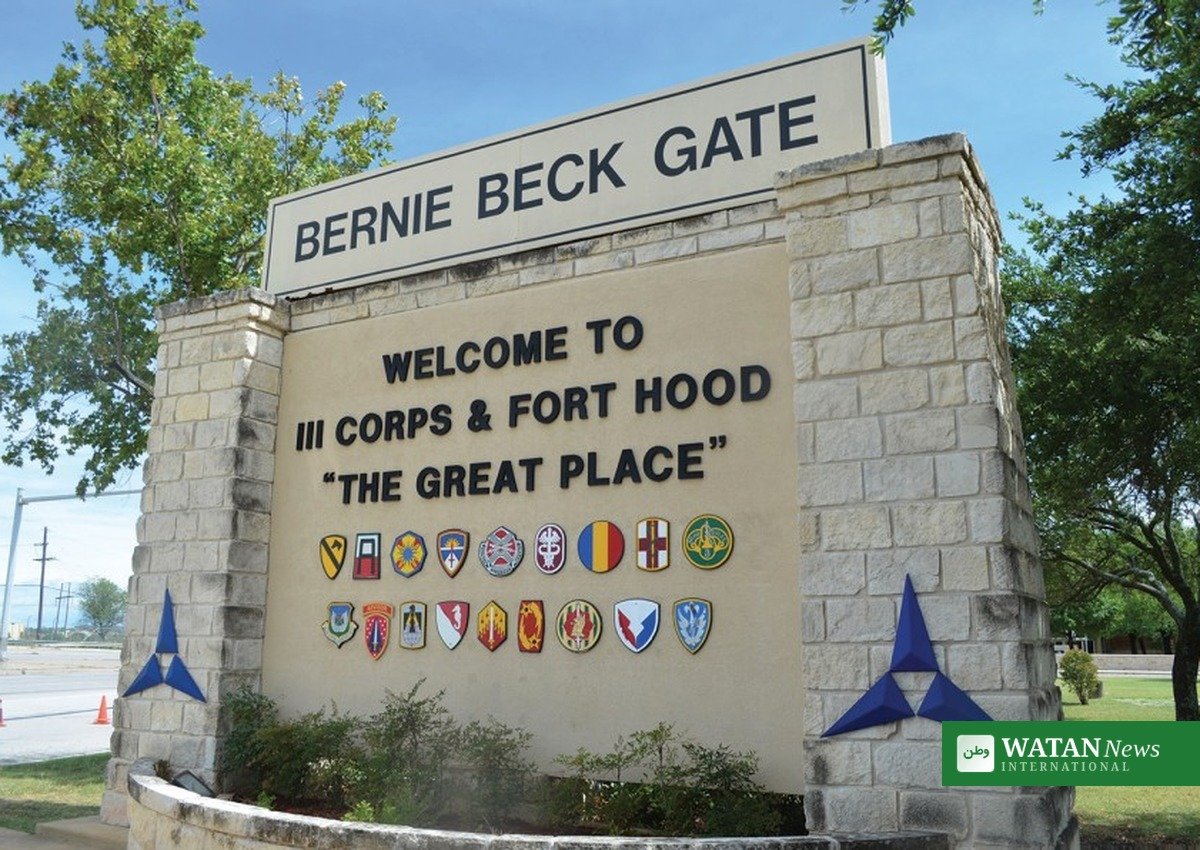
On November 5, 2009, Hasan — then a 39-year-old major and Army psychiatrist — opened fire inside the Soldier Readiness Processing Center at Fort Hood, where troops were lining up ahead of deployment to Iraq and Afghanistan. Thirteen people were killed and 32 others were wounded in the rampage, which remains the deadliest attack ever carried out on an American military base.
The shooting ended when a responding civilian police officer shot Hasan, leaving him partially paralyzed. Investigators later reported that Hasan had spoken online with the radical cleric Anwar al-Awlaki, an al-Qaida propagandist who was subsequently killed in a U.S. drone strike in Yemen.
A historic execution
A military court-martial convicted Hasan in 2013 on thirteen counts of premeditated murder and thirty-two counts of attempted premeditated murder, and a military jury sentenced him to death. He has been held ever since on military death row at the U.S. Disciplinary Barracks at Fort Leavenworth in Kansas.
If carried out, the Nidal Hasan firing squad execution would be the first time the U.S. military has put one of its own to death since 1961. It would also be the first American military execution by firing squad since the end of the Second World War — a method of execution that has returned to public debate in recent years in the United States.
What happens next
No date has yet been announced. The Secretary of the Army will determine when and where the Nidal Hasan firing squad execution is carried out, bringing to a close a case that has spanned nearly seventeen years from the shooting to the execution order.
For more developing coverage of major world events, see Watan News World coverage.