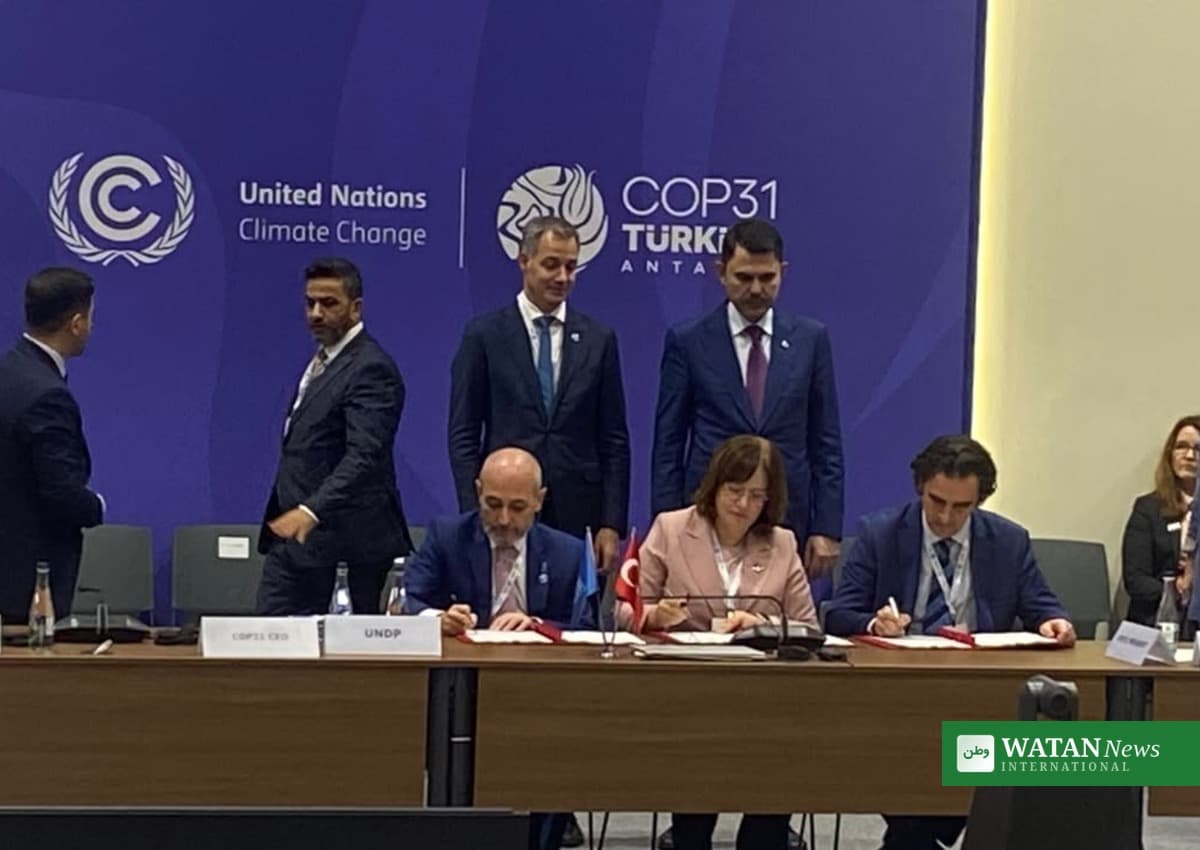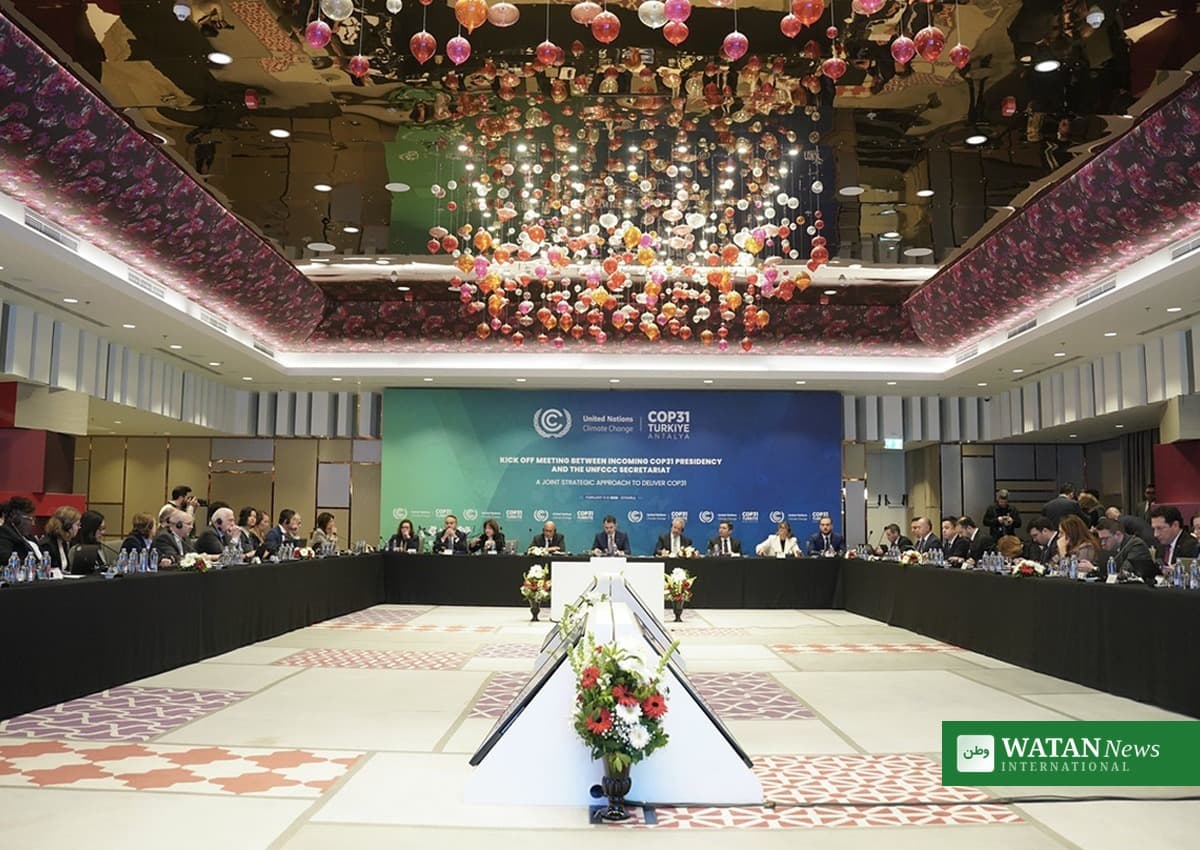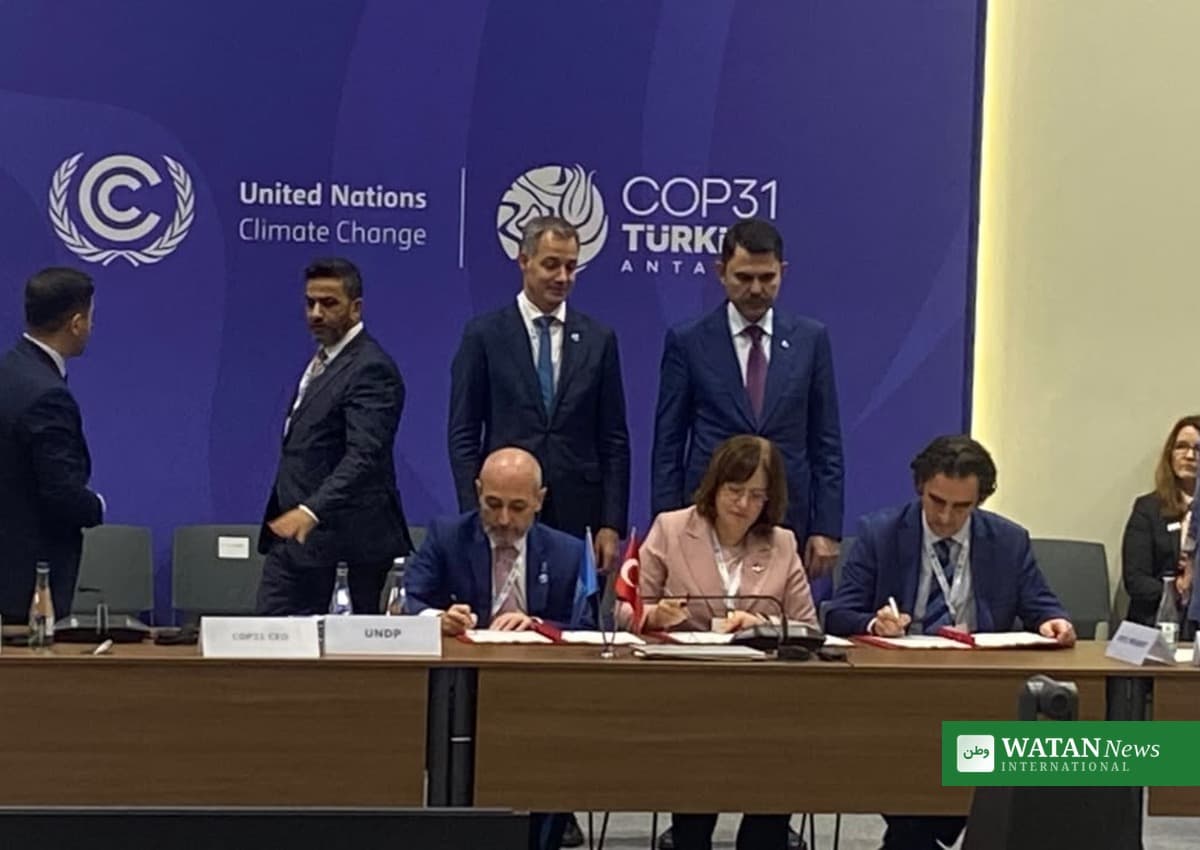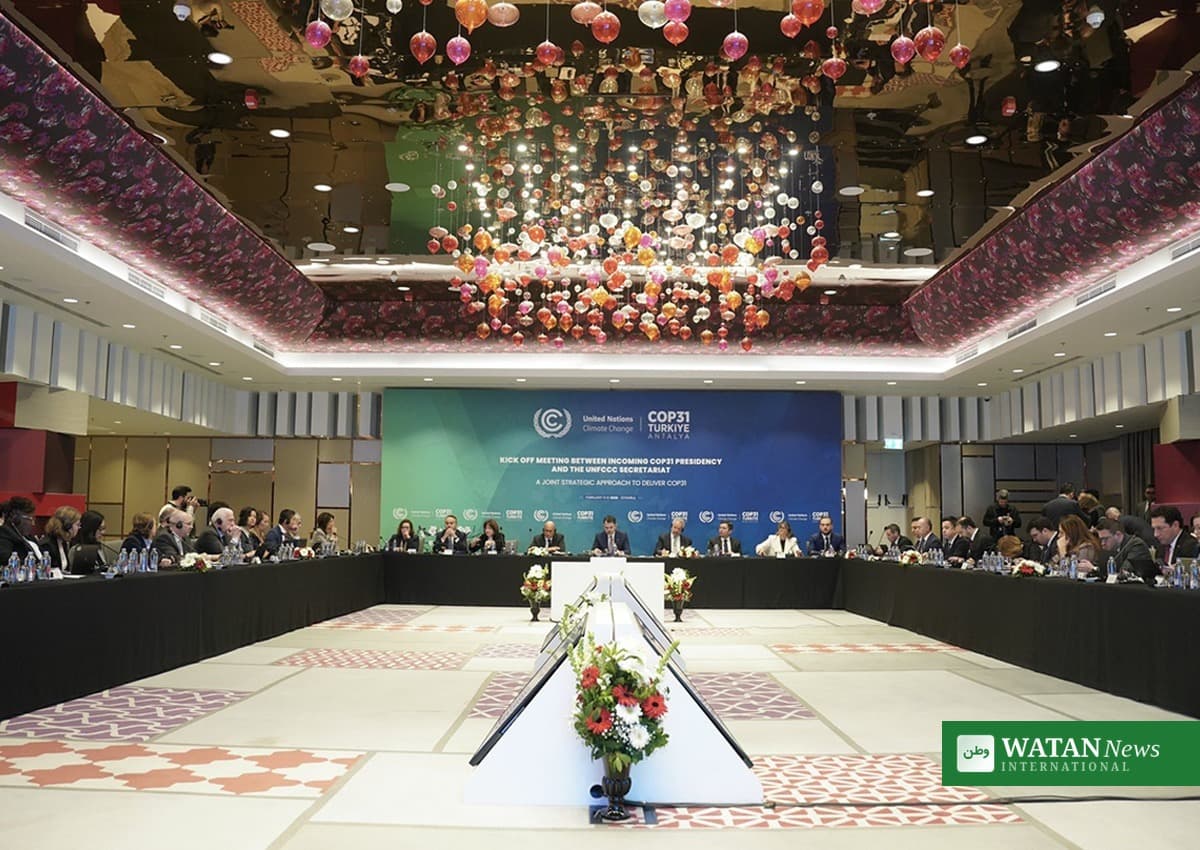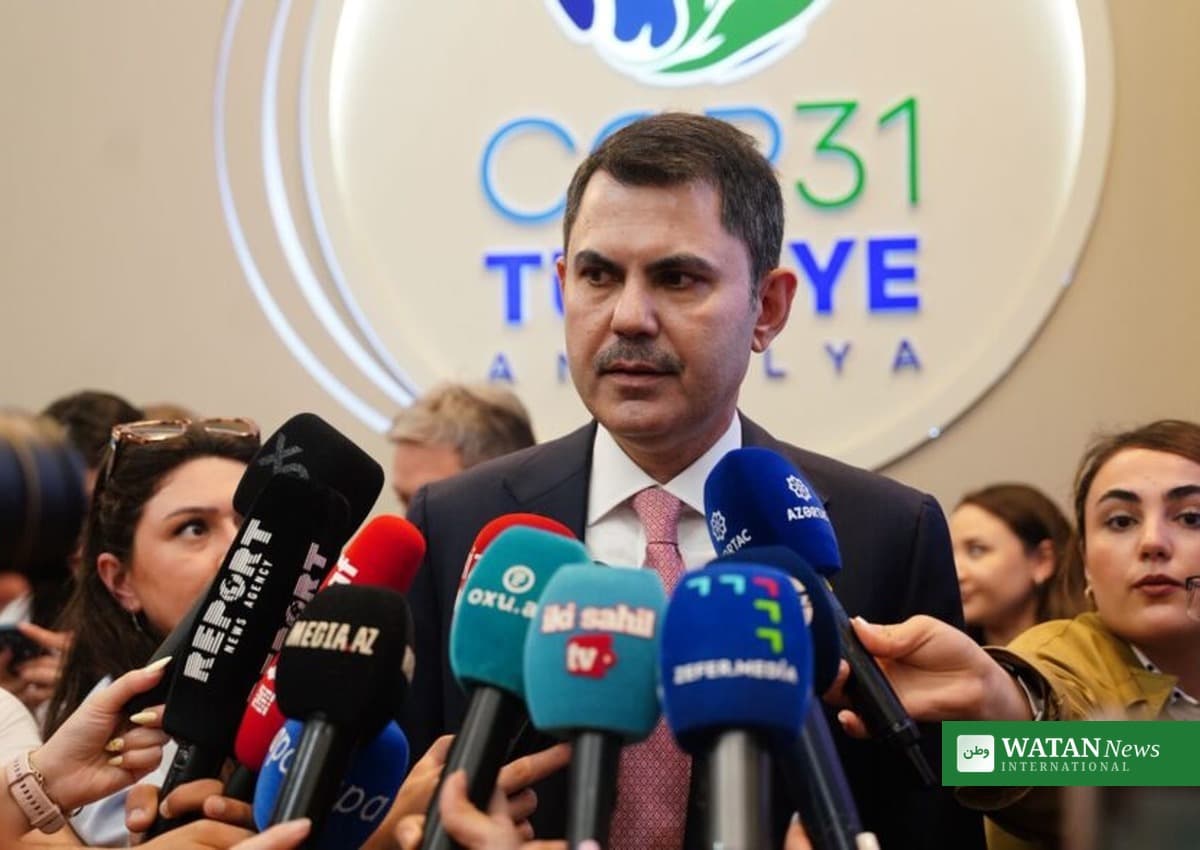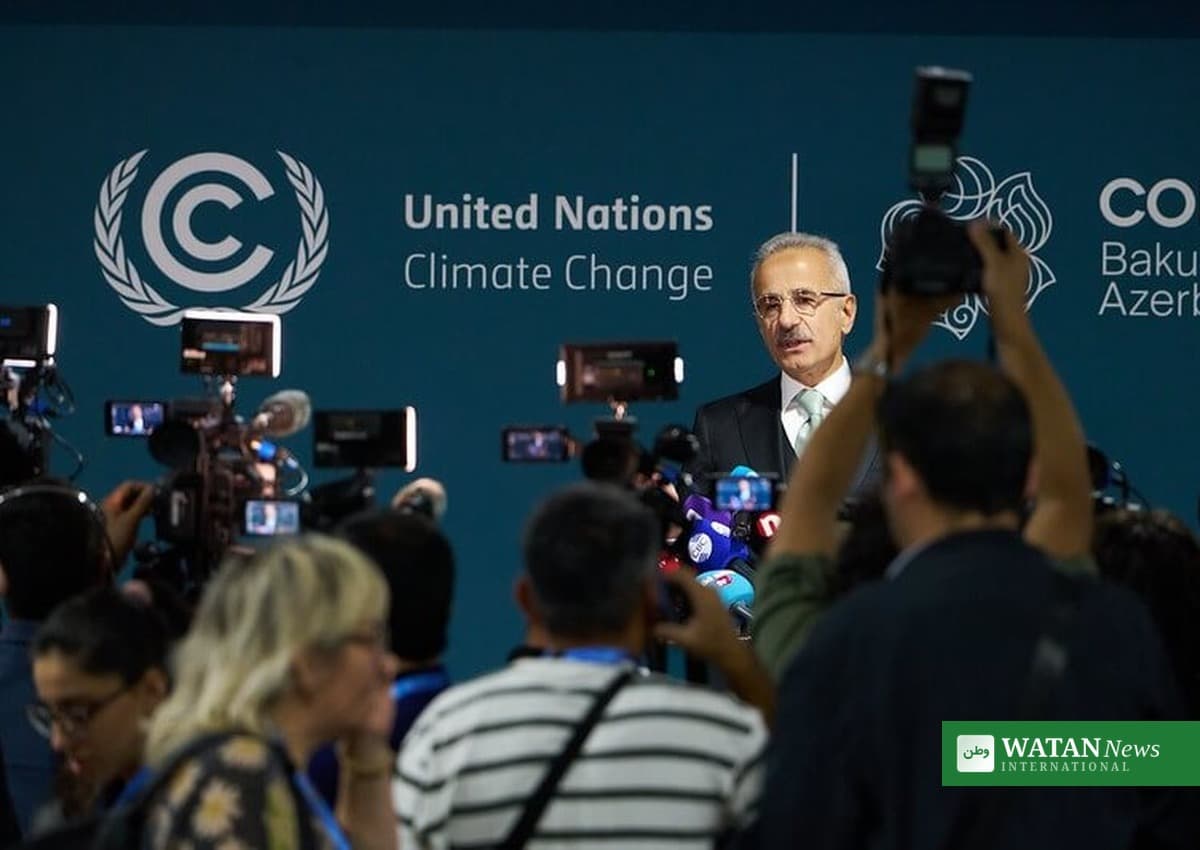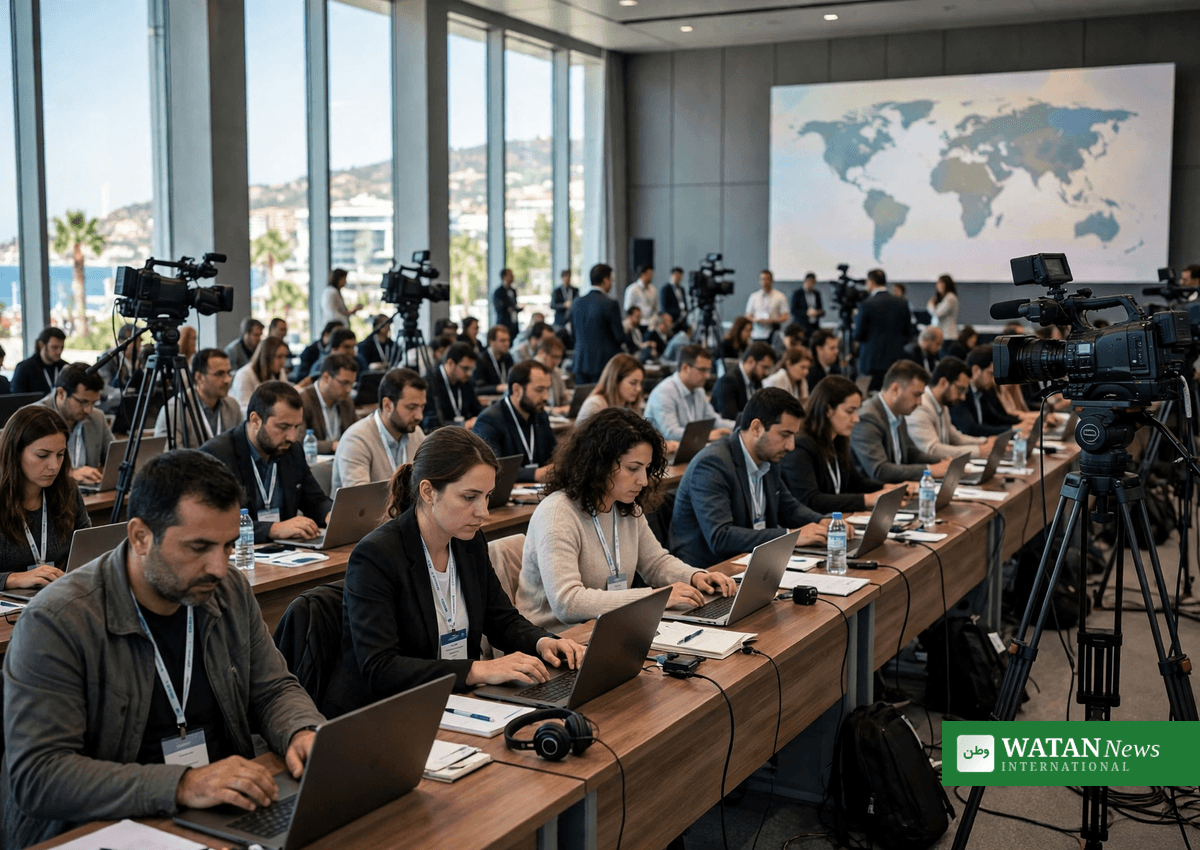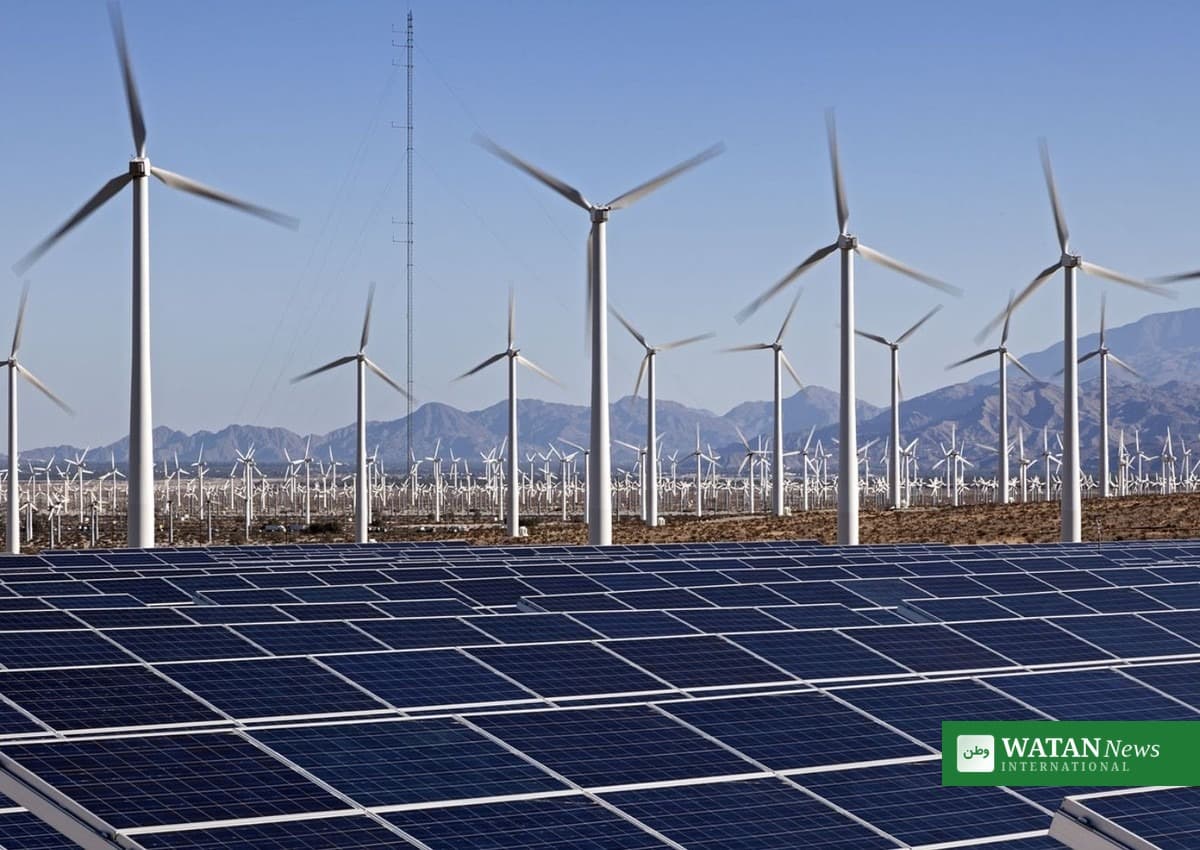
Antalya, Türkiye — Türkiye and China have signed a memorandum of understanding worth about $15 billion for renewable energy and electricity infrastructure, in one of the biggest clean-energy announcements at COP31 so far. The agreement, signed on the sidelines of the United Nations climate talks in Antalya, covers 7 gigawatts (GW) of new solar and wind power, energy storage systems and 4 GW of electricity transmission capacity.
The deal was announced by Türkiye’s Energy and Natural Resources Minister Alparslan Bayraktar, and reported by pv magazine and other energy outlets on 13 November. It was signed between Türkiye’s Ministry of Energy and Natural Resources and China’s National Energy Administration.
What the agreement covers
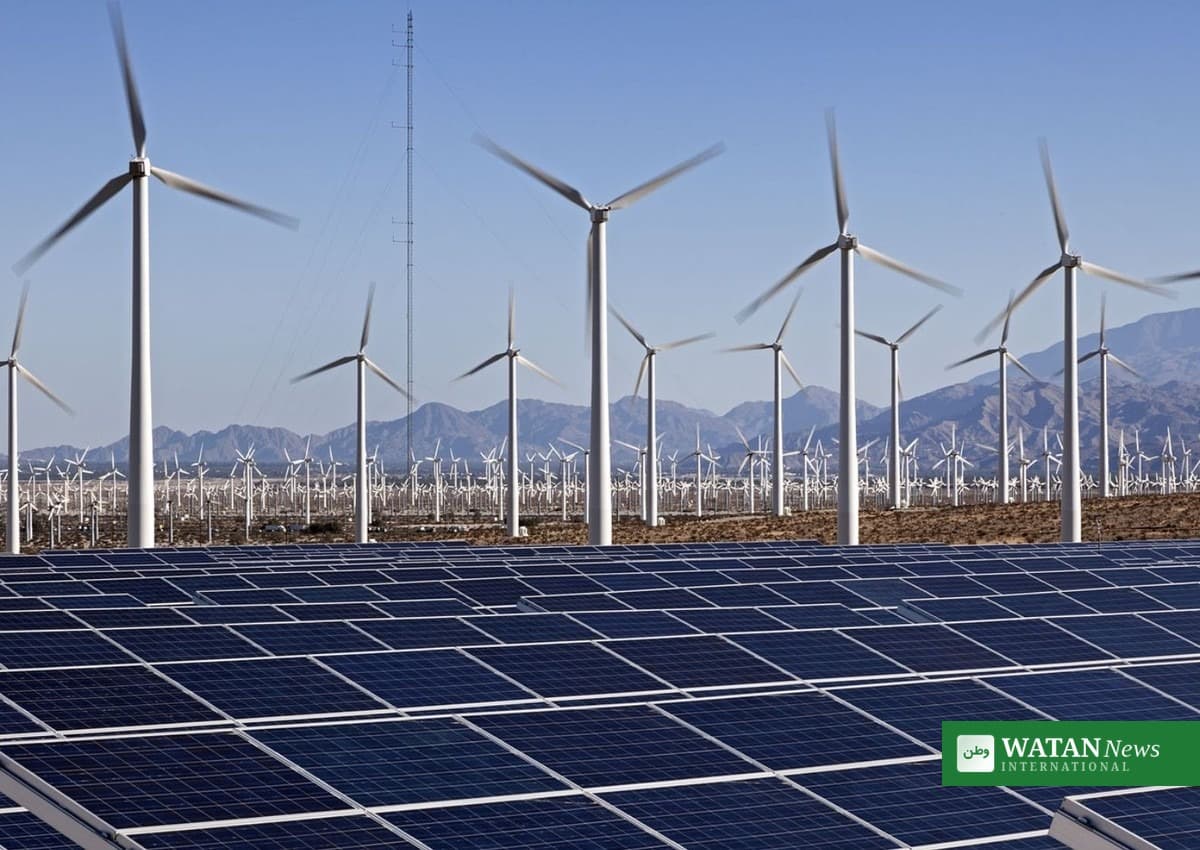
The memorandum sets out plans for 7 GW of new solar and wind generation capacity, alongside new energy storage systems and 4 GW of electricity transmission infrastructure. According to the reports, the cooperation goes beyond building power plants: it includes technology transfer and domestic manufacturing, including the production of wind turbine equipment in Türkiye.
Minister Bayraktar described the agreement as part of Türkiye’s recently announced national energy vision for 2040, which sets a target of deploying 175 GW of solar and wind capacity. Türkiye’s Renewable Energy 2035 strategy targets about 120 GW of installed wind and solar capacity by 2035.
The agreement is a framework understanding, not a set of signed project contracts. Further details on the projects, including a timeline for development, project locations and the companies involved, have not yet been released.
The deal follows the signing of eight financial agreements earlier this week backing the development of 2 GW of solar power in Türkiye, under a cooperation agreement with Saudi Arabia covering a total of 5 GW of new renewables.
Türkiye’s renewable targets and growth
Türkiye’s solar capacity stood at around 26.9 GW by the end of the first half of 2026, after adding 2.1 GW across the first six months of the year and 4.7 GW across 2025. Wind power is growing too: installed wind capacity passed 15 GW by the end of September 2026, and wind supplied more than 12 percent of the country’s electricity generation.
Under the National Energy 2040 plan, Türkiye aims to quadruple its installed wind power capacity by 2040 and develop 6 GW of offshore wind capacity. The country’s first offshore wind tender, for about 1 GW of capacity, is planned for the first quarter of 2027.
Wind industry launches global declaration at COP31
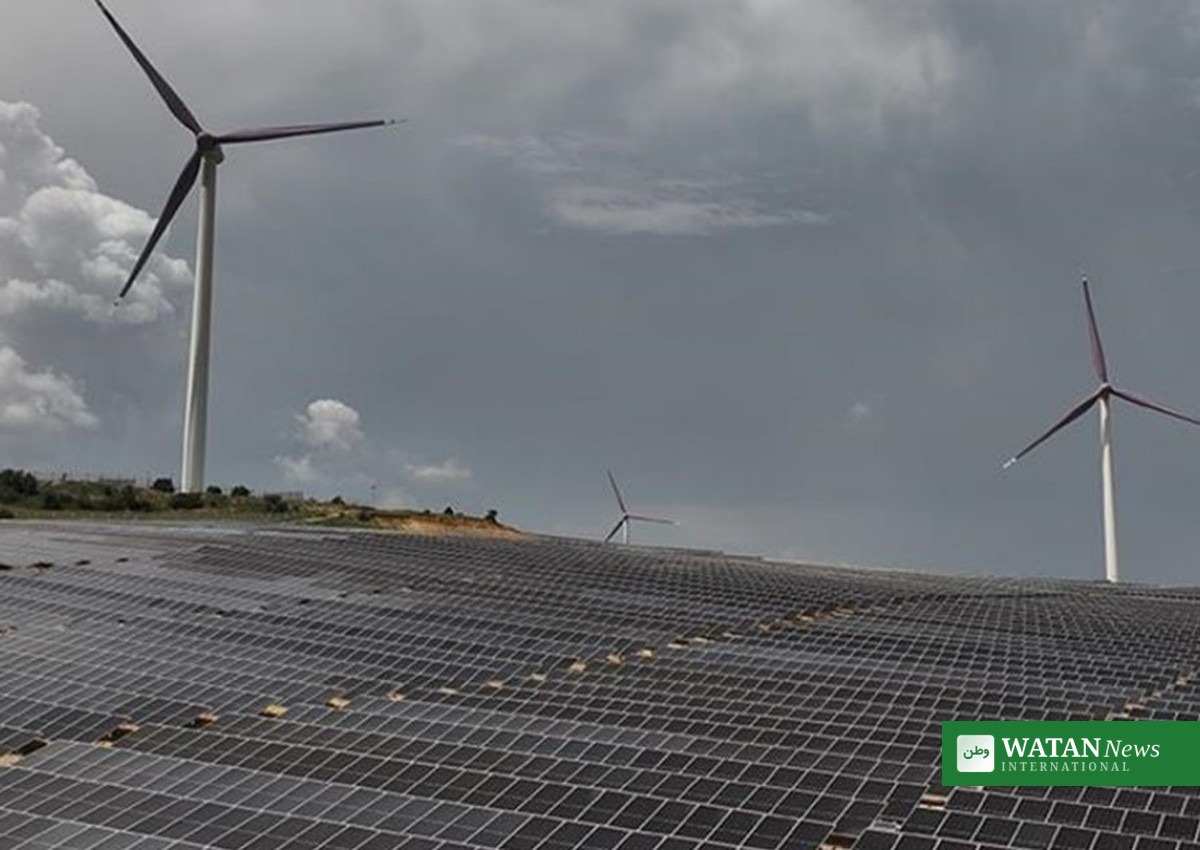
On 13 November, the Global Wind Energy Council (GWEC) and the Turkish Wind Energy Association (TÜREB) launched the Global Wind Declaration for Powering the Future at COP31, during the Wind Day flagship event at the Global Renewables Hub in the Blue Zone in Antalya.
The declaration is a blueprint for scaling wind power over the next decade, combining commitments by the wind industry with recommendations for governments. It sets out five guiding principles for accelerated development, backed by leading wind developers, manufacturers and companies from across the supply chain.
Modelling from GWEC shows the wind power sector is currently on a pathway to reach 2 terawatts (TW) by 2029 and hit 3 TW by 2035. At the COP31 Leaders’ Summit, United Nations Secretary-General António Guterres warned the world is moving “far too slowly” in addressing climate change, and urged a tripling of renewable energy capacity by 2035, based on 2025 levels.
Finance Day brings $10 billion for emerging-market clean energy
On 13 November, the development finance institutions of the UK, Norway and Canada — British International Investment, Norway’s Norfund and FinDev Canada — launched a joint initiative at COP31 to channel $10 billion into climate projects in emerging markets by 2030. According to Reuters, funding will go to renewable energy, transmission and distribution grids, energy storage, sustainable fuels and industrial decarbonisation.
FAKTA
- Türkiye and China signed a renewable energy memorandum of understanding worth about $15 billion at COP31 in Antalya on 13 November 2026.
- The agreement covers 7 GW of new solar and wind power, energy storage systems and 4 GW of electricity transmission capacity.
- It includes technology transfer and domestic manufacturing, including production of wind turbine equipment in Türkiye.
- Türkiye targets about 120 GW of wind and solar capacity by 2035, and 175 GW of solar and wind capacity under its energy vision for 2040.
- Türkiye’s solar capacity stood at about 26.9 GW in mid-2026; wind capacity passed 15 GW in September 2026.
- The Global Wind Declaration says wind power is on a pathway to 2 TW by 2029 and 3 TW by 2035.
- The UK, Norway and Canada launched a $10 billion climate finance initiative for emerging markets by 2030.
What happens next
The next test for the Türkiye–China agreement is detail: project timelines, locations and the companies involved still have to be disclosed, and the memorandum will need to turn into financed projects. Türkiye’s first offshore wind tender, for about 1 GW, is planned for the first quarter of 2027, and COP31 continues in Antalya until 20 November.
Earlier at COP31, countries backed a push to bring rooftop solar to 300 million homes, showing how the summit’s energy agenda is moving from targets to delivery.