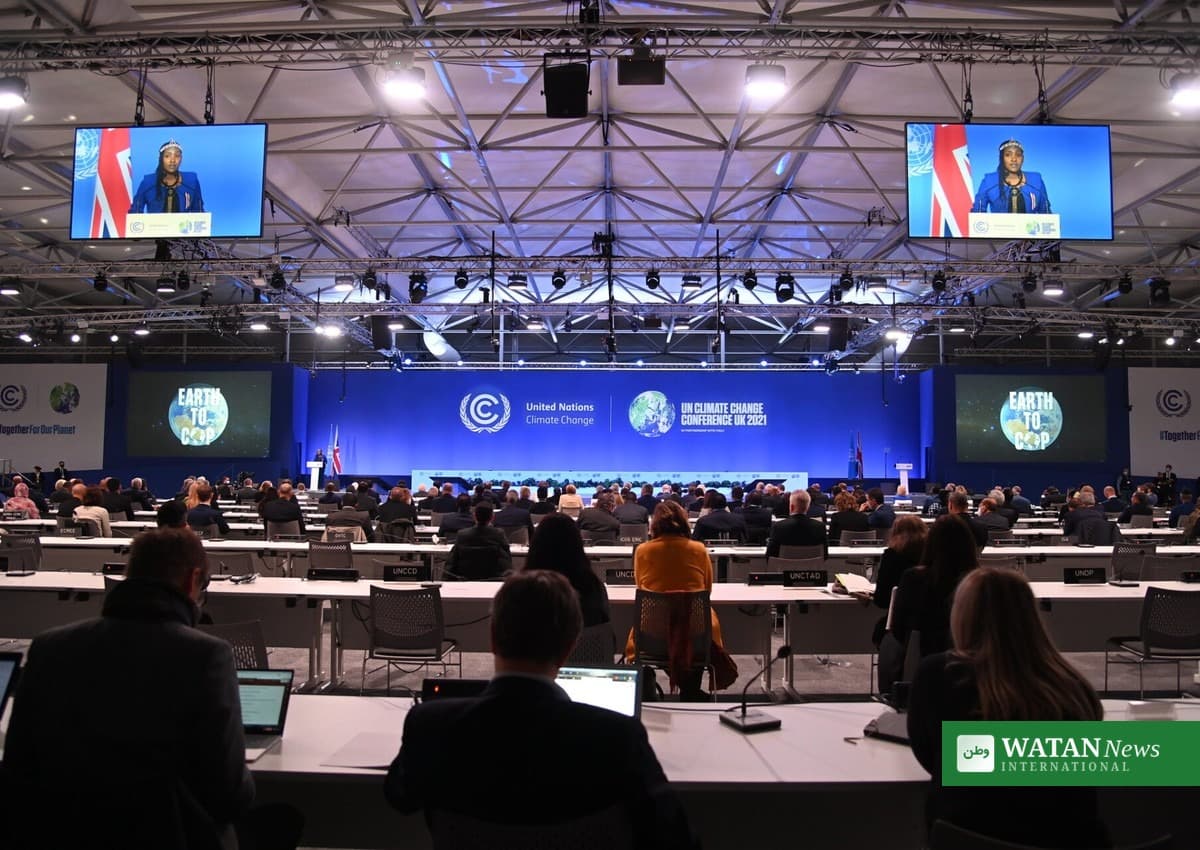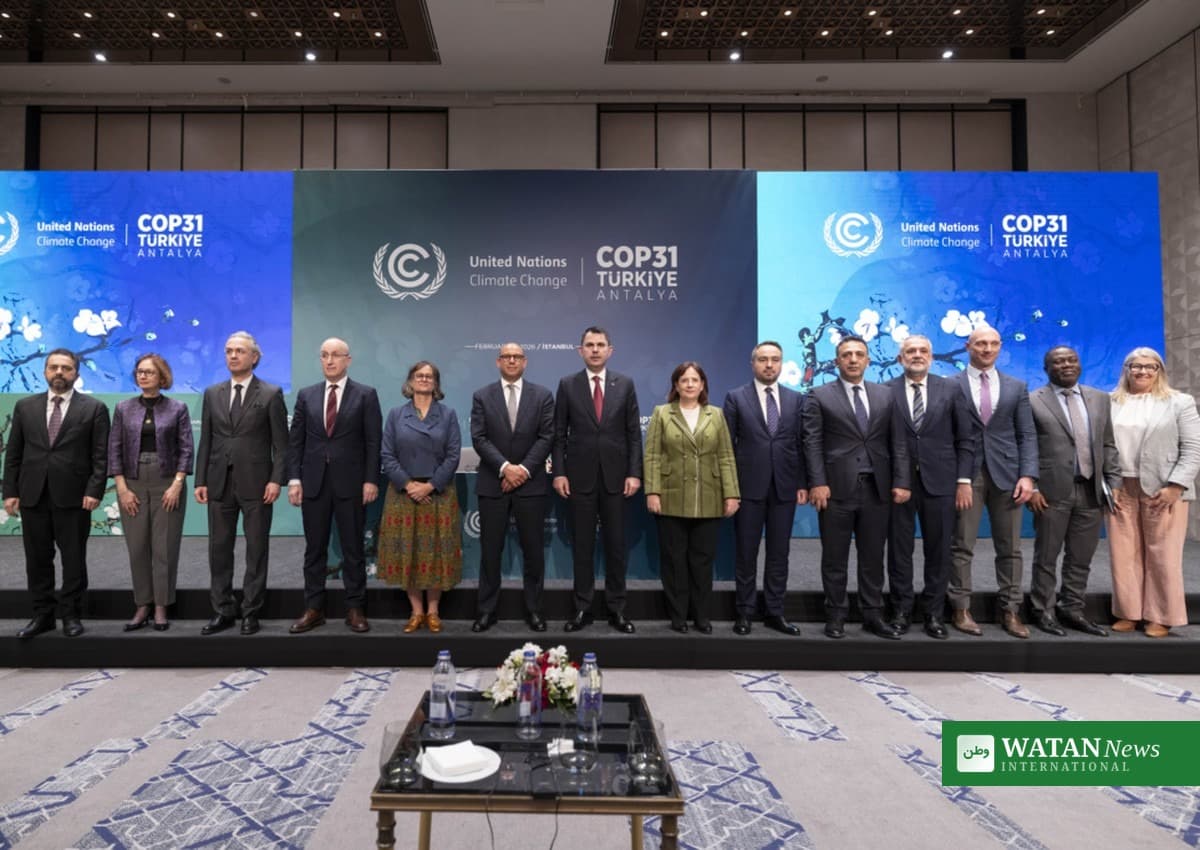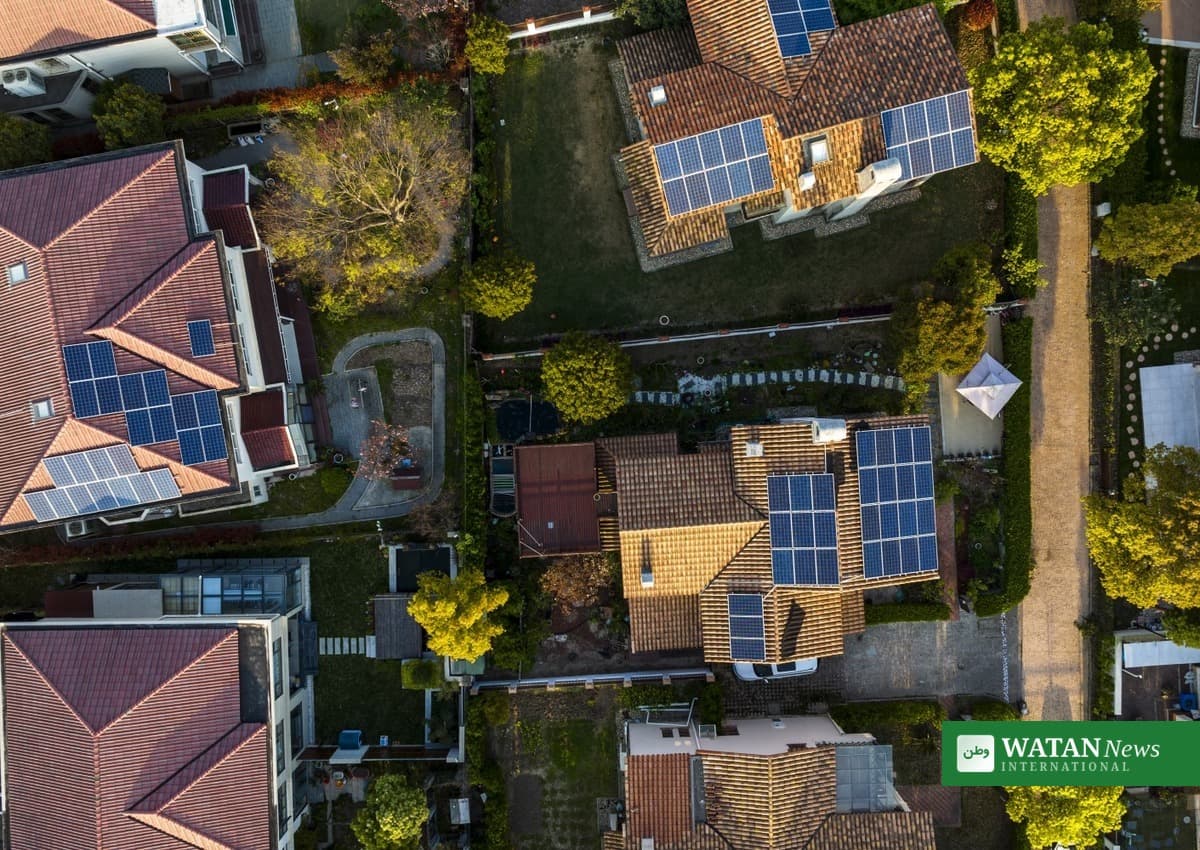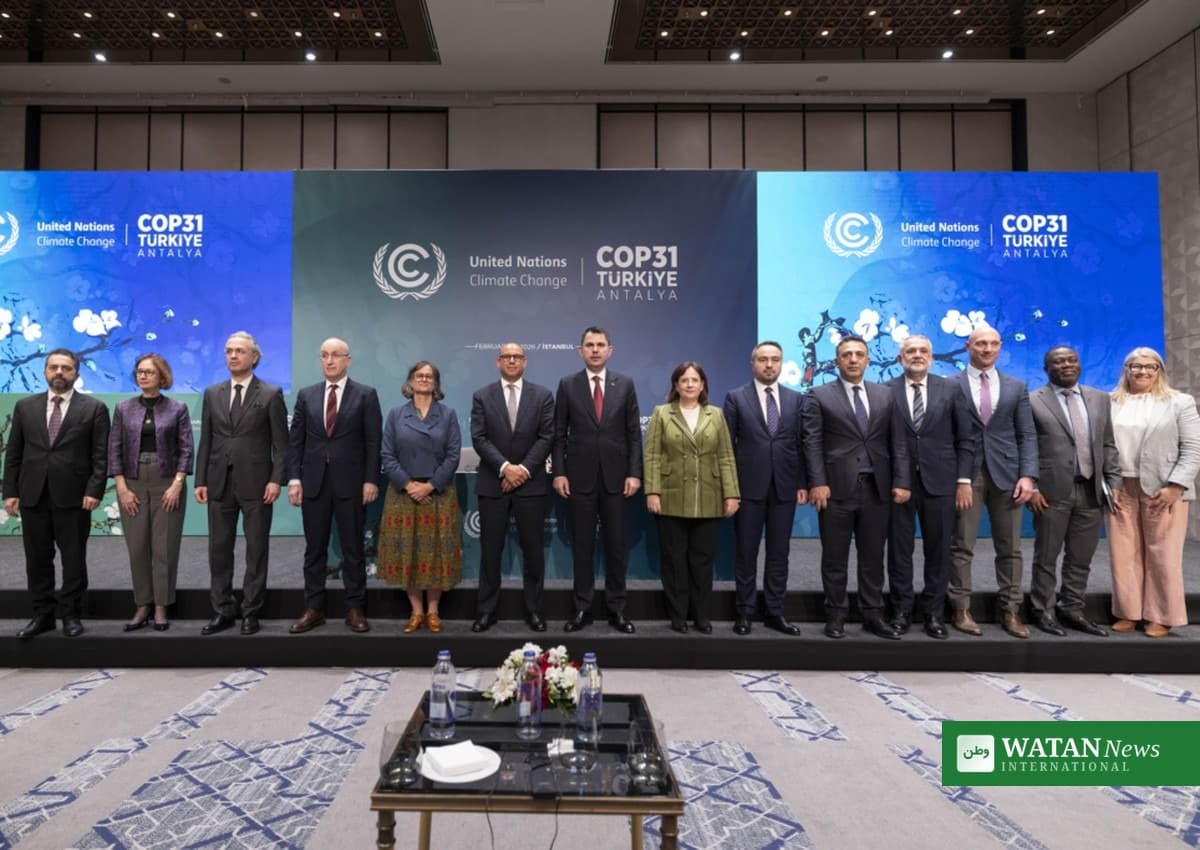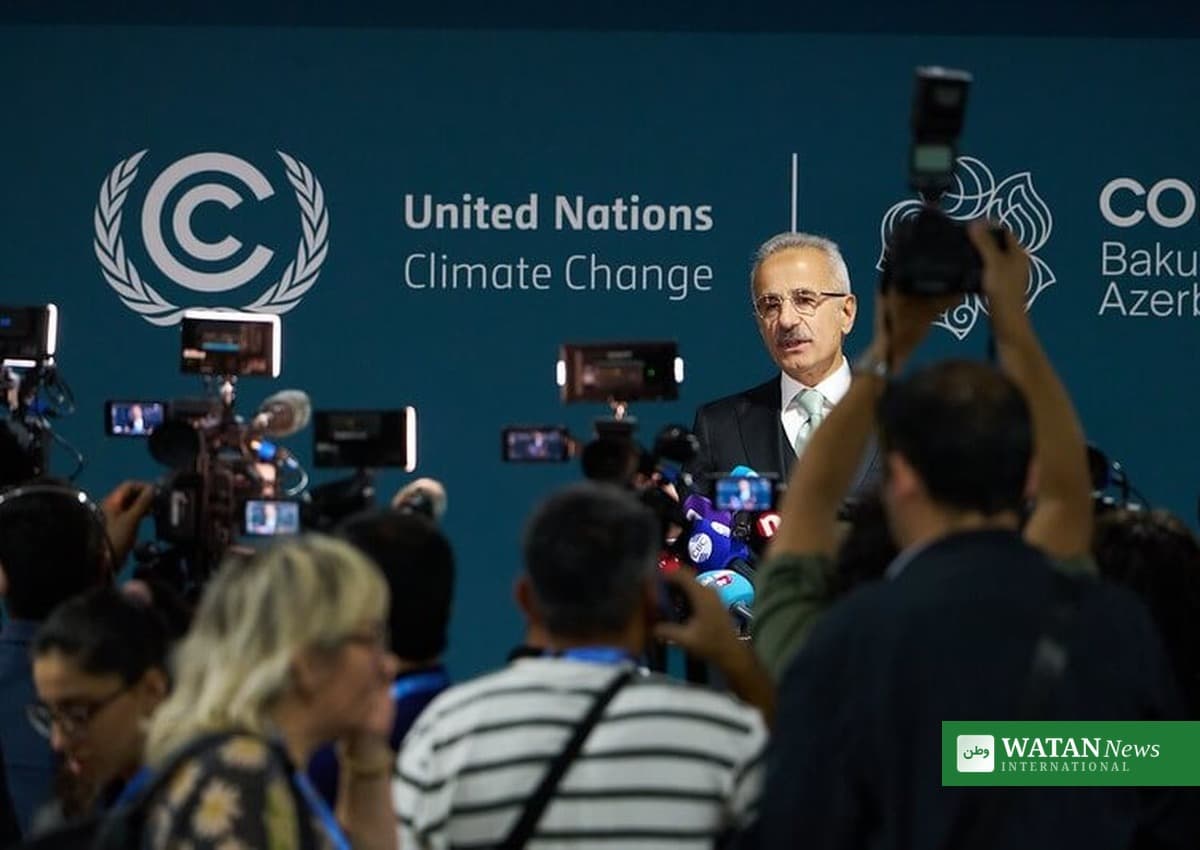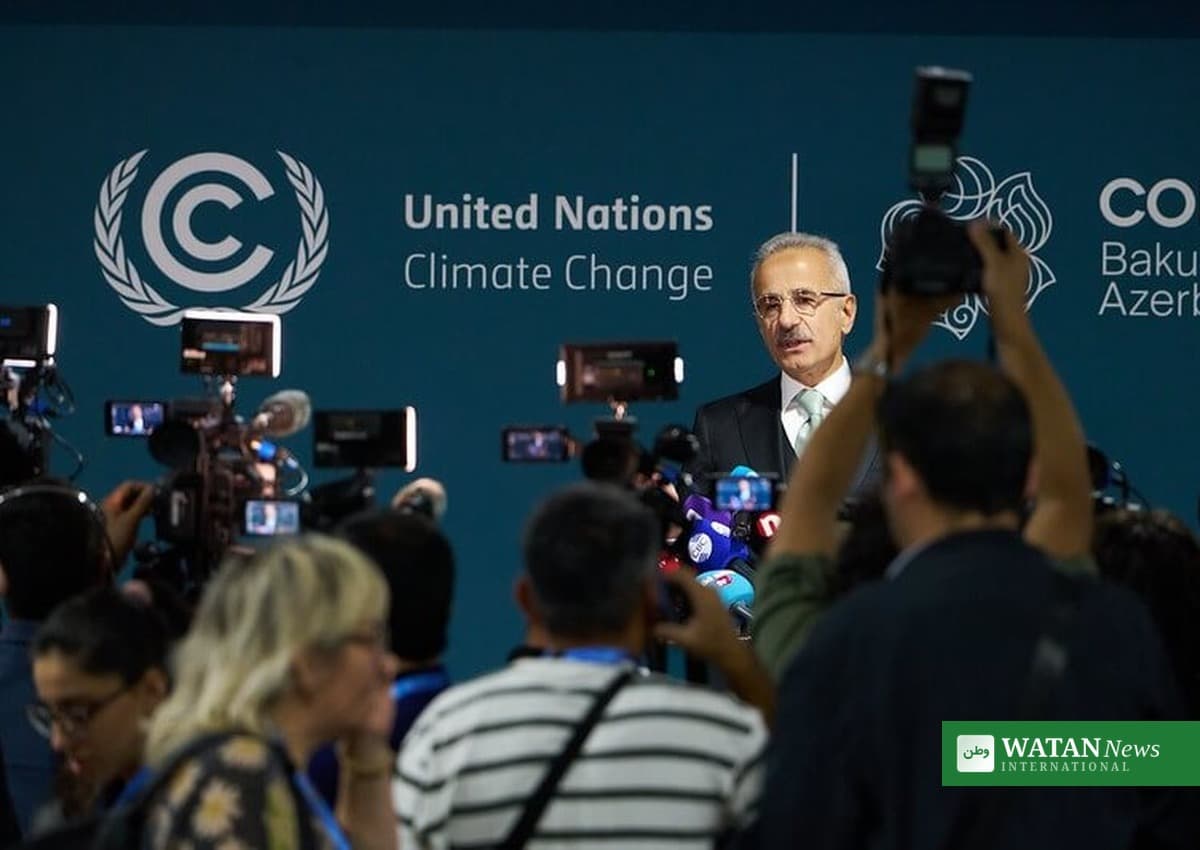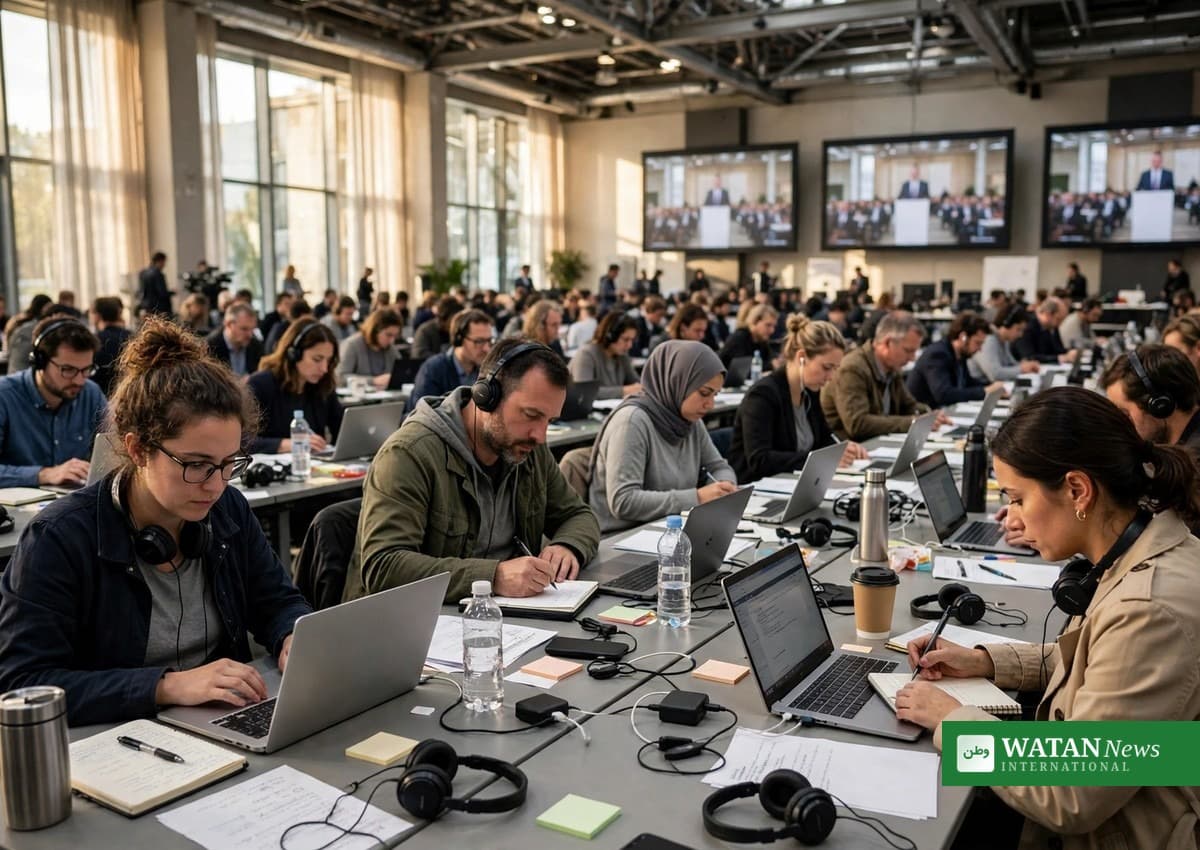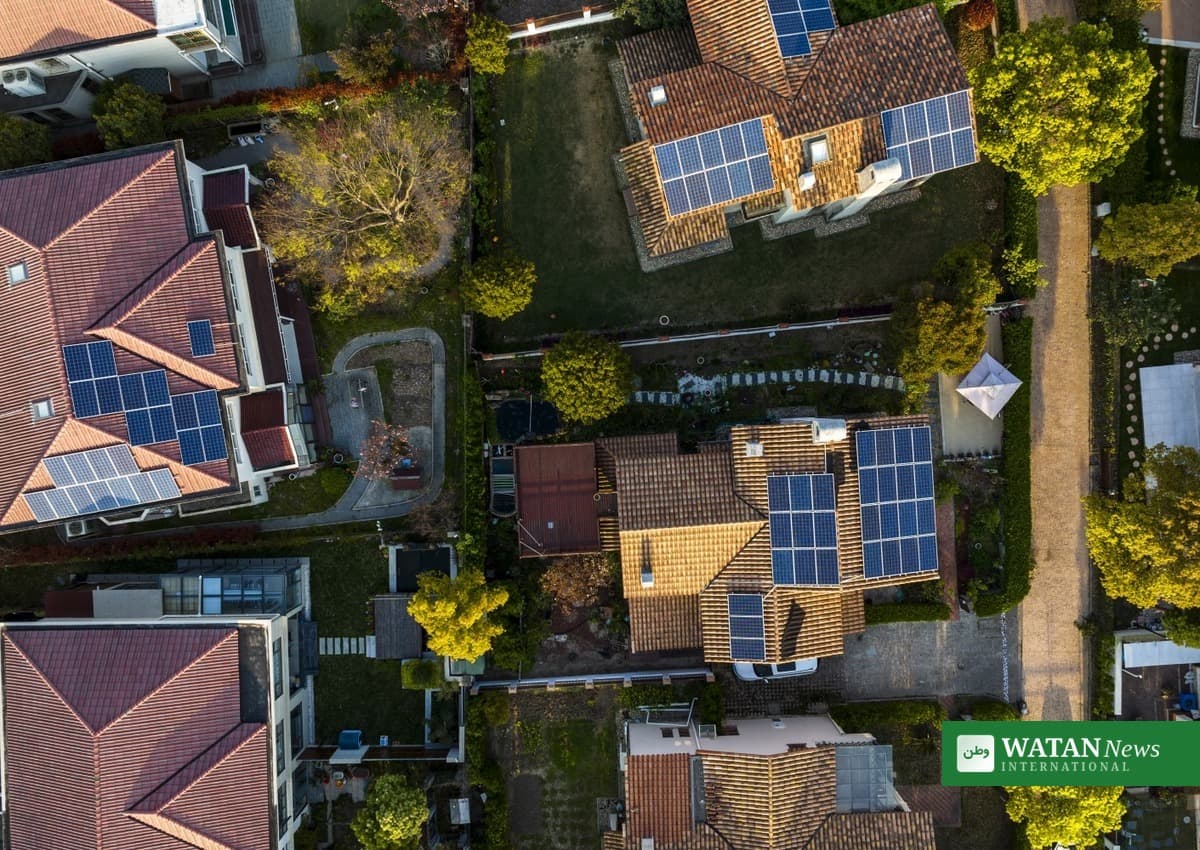
At COP31 in Antalya, six governments have endorsed the Global Rooftop Solar Declaration, a new commitment to put solar panels on 300 million homes by 2030 — doubling the number of households powered by rooftop solar today. The declaration was launched on Energy Day, 10 November 2026, as the COP31 climate summit turned its attention to electrification and practical climate action.
The declaration is voluntary and non-binding, but it gives governments a shared framework for removing the barriers that have slowed rooftop solar: complicated permits, expensive finance, grids that cannot absorb small-scale generation, and a shortage of trained installers. It is coordinated by the Global Solar Council, the Global Covenant of Mayors for Climate & Energy, Solar Citizens and the Climate Parliament.
What the declaration promises
The central promise is simple: at least 300 million households worldwide powered by rooftop solar by 2030, up from around 150 million today. The declaration calls the target a commitment to move faster than business as usual and to make rooftop solar a mainstream national energy priority rather than a niche programme.
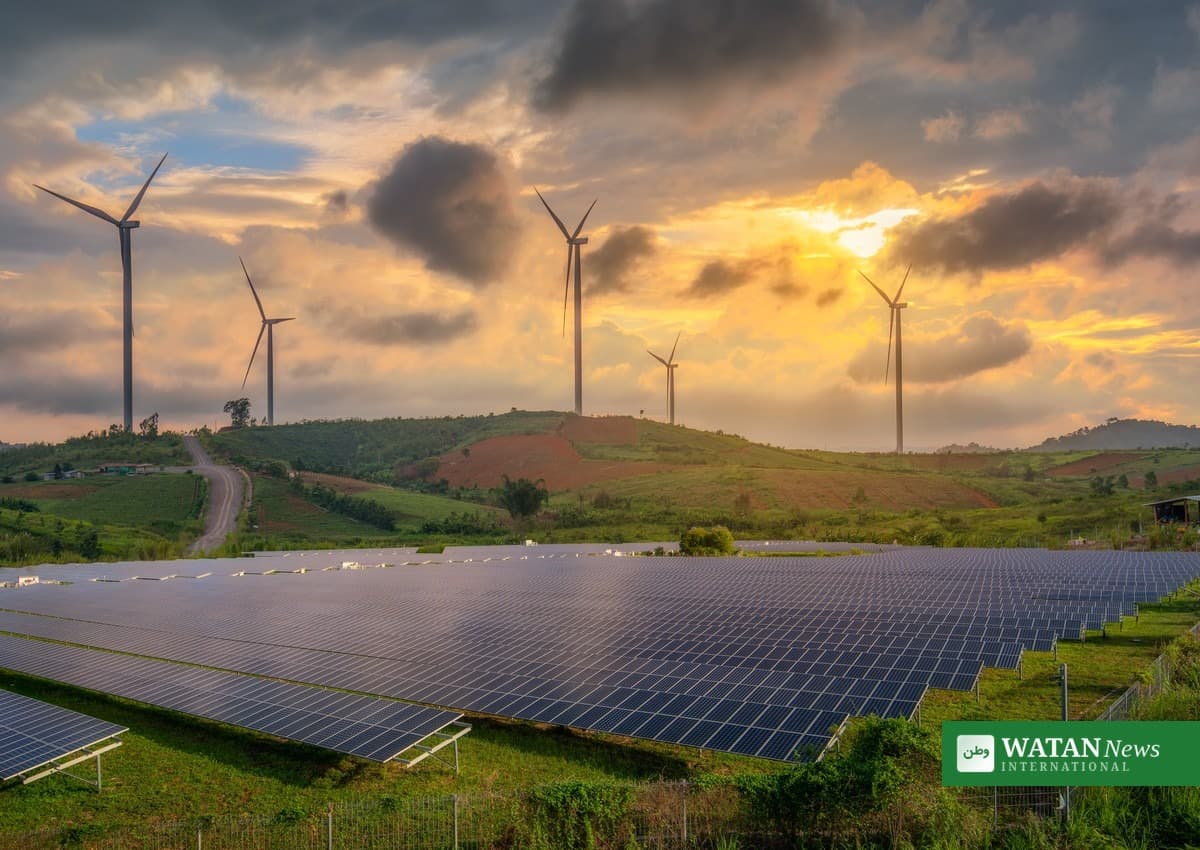
The case for speed is set out in the declaration itself. In 2025, global solar capacity approached 3 terawatts, with more than 600 gigawatts of new capacity installed worldwide during the year. Solar supplied around 12 per cent of global electricity consumption for the first time, and solar panels accounted for more than 75 per cent of all new renewable generation capacity added globally in 2025.
Rooftop solar, the declaration argues, is one of the fastest ways to put the benefits of the clean energy transition directly into people’s lives: it can cut household energy costs, strengthen energy security, reduce emissions, ease pressure on grids and create skilled local jobs.
Who has signed up
Australia was the first government to endorse the declaration, signed by Climate Change and Energy Minister Chris Bowen — who is also COP31 President of Negotiations — at the Pacific Pre-COP meeting in Fiji on 8 October. By the launch in Antalya, five more governments had joined: Bangladesh, Kenya, Nigeria, Palau and Vanuatu.
The declaration has also been endorsed by 34 members of parliament from 21 countries, including the United Kingdom, South Africa and Sri Lanka, and by Indonesia’s state-owned electricity company, PT PLN. It is open to endorsement from all levels of government, including cities, states and regions.
“The Global Rooftop Solar Declaration is about taking Australia’s success to the world with a clear ambition: to bring solar to 300 million rooftops by 2030,” Bowen said. Australia has the highest rooftop solar uptake in the world, with one in three homes equipped with solar panels.
Six steps to 300 million homes
To reach the target, signatories commit to act in six areas. First, they will make rooftop solar easier to install by cutting red tape, with clear permitting rules, faster approvals and fair metering. Second, they will put households at the centre of energy policy, treating distributed solar as core energy infrastructure in national planning and climate strategies.
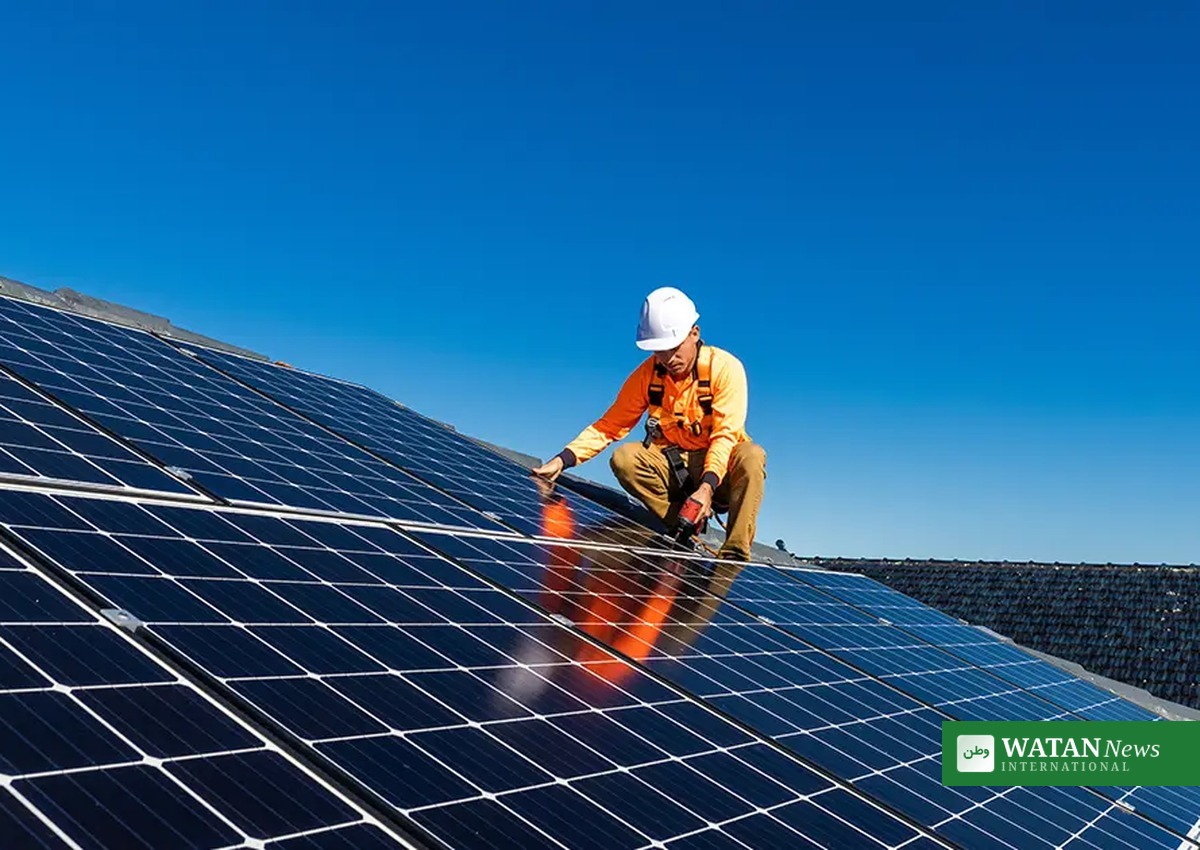
Third, they will unlock finance for families, working with public and private finance institutions to reduce upfront costs through low-interest loans, credit guarantees, rebates and targeted support for households that cannot otherwise afford installation. Fourth, they will modernise grids for distributed power, investing in distribution networks, storage, smart inverters and digital systems so grids can manage high levels of rooftop solar safely.
Fifth, the transition must be fair: programmes should reach low-income households, renters, apartment residents, public housing tenants and households without suitable rooftops, including through community solar and solar on public buildings. Sixth, signatories will build the workforce, expanding training and certification to create skilled local jobs in installation, maintenance and energy management.
Bangladesh sets the most specific target
Bangladesh offered one of the most specific national commitments attached to the declaration. Mirana Mahrukh, secretary of the Power Division at Bangladesh’s Ministry of Power, Energy and Mineral Resources, said the country aimed to install 5,500 megawatts of rooftop solar capacity by 2030, covering about 870,000 rooftops.
Under the proposed financing arrangement, domestic funding would support 20 per cent of the targeted rooftops, or about 174,000, while international cooperation would be needed for the remaining 696,000. The figures show both the scale of the ambition and the finance gap that developing countries face in delivering it.
Nigeria’s representative, Ibrahim A. Shelleng, senior special assistant to the president on climate finance, said investment in solar infrastructure could support economic stability, create jobs and strengthen energy independence. Global Solar Council chief executive Sonia Dunlop urged more governments to support the initiative.
Key facts
- Target: 300 million households powered by rooftop solar by 2030, up from around 150 million today.
- Launched: 10 November 2026, Energy Day at COP31 in Antalya, Türkiye.
- Endorsing governments: Australia, Bangladesh, Kenya, Nigeria, Palau and Vanuatu.
- Also endorsed by: 34 members of parliament from 21 countries and Indonesia’s state utility PT PLN.
- Bangladesh target: 5,500 megawatts of rooftop solar by 2030, covering about 870,000 rooftops.
- Global context: solar capacity approached 3 terawatts in 2025, with more than 600 gigawatts added in the year.
What the declaration does not do
The declaration is honest about its own limits. It is voluntary and non-binding, and the participating governments have not collectively committed a verified investment amount or country-level installation quotas. There is no dedicated international fund attached to the declaration to buy the 150 million additional systems the target implies.
That matters because the barriers it names — upfront costs, permitting, grids and workforce shortages — are real, and they bite hardest in developing countries. Whether the declaration becomes more than a statement of intent will depend on whether governments go home and change permitting rules, open affordable finance and invest in grids and training.
The same test applies to the wider electrification push at COP31. Türkiye and Australia are also championing a pledge to raise electricity to 35 per cent of global final energy demand by 2035, and the summit’s leaders’ dialogue on that goal takes place on 11 November. Read more about that pledge in our earlier report: COP31: Türkiye Launches 35-by-35 Electrification Pledge.
The bigger COP31 picture
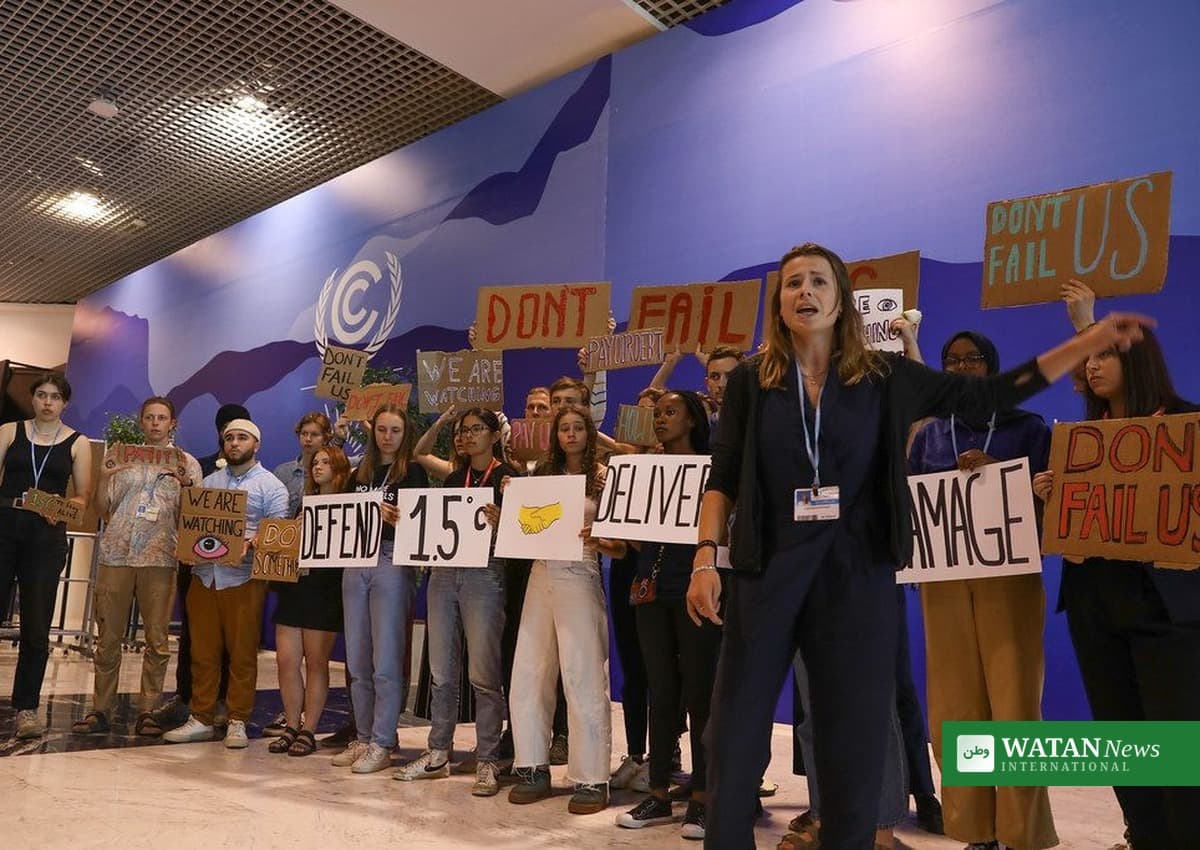
The rooftop solar declaration arrived on the second day of a summit that opened in Antalya on 9 November and runs until 20 November, with around 100,000 participants expected. The World Leaders’ Summit, held on 11 and 12 November, brings heads of state and government together for national statements and high-level dialogues on clean energy, green industry, finance and urban resilience. Read our coverage of the summit opening: COP31 Leaders’ Summit Opens in Antalya.
COP31 is billed by its presidency as an implementation summit: the test is not only what is promised in Antalya, but what gets built afterwards. Rooftop solar is among the most visible tests of that promise — a panel on a roof is something a family can see, and a bill that falls is something a family can feel.