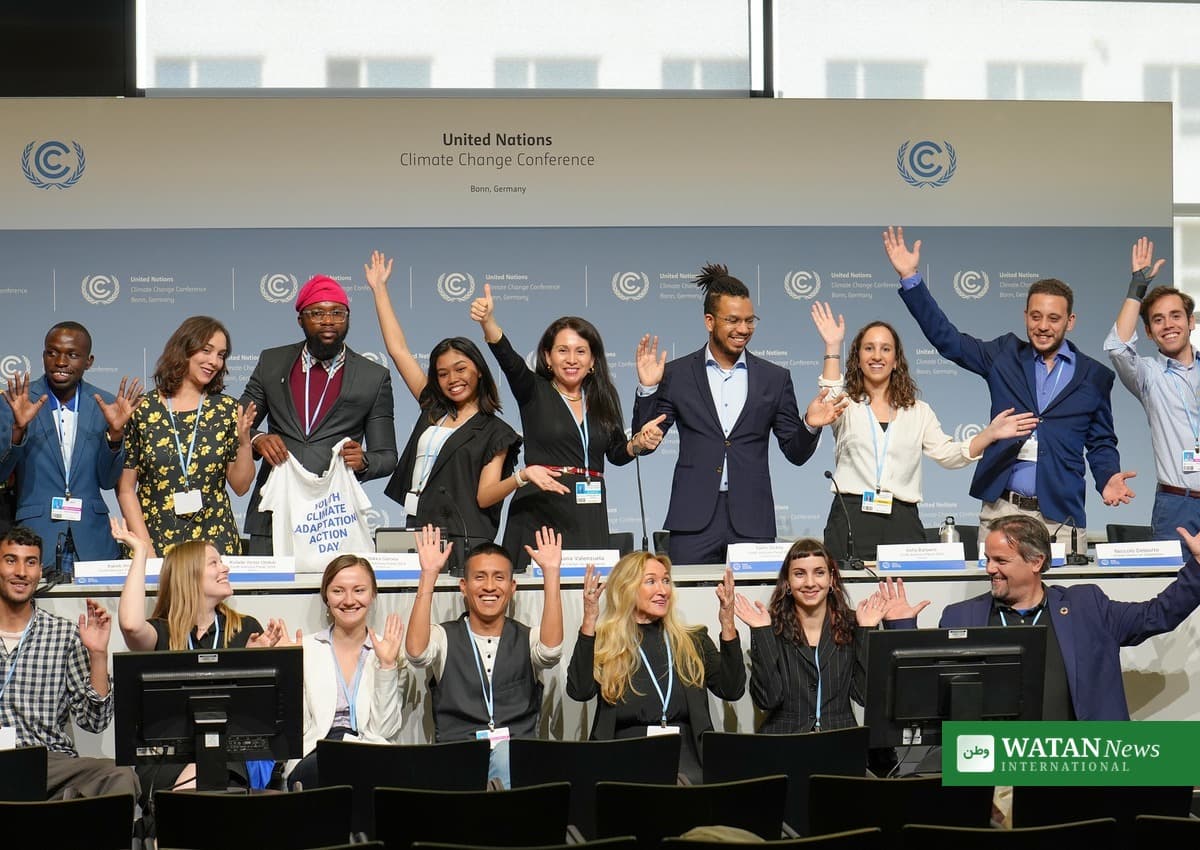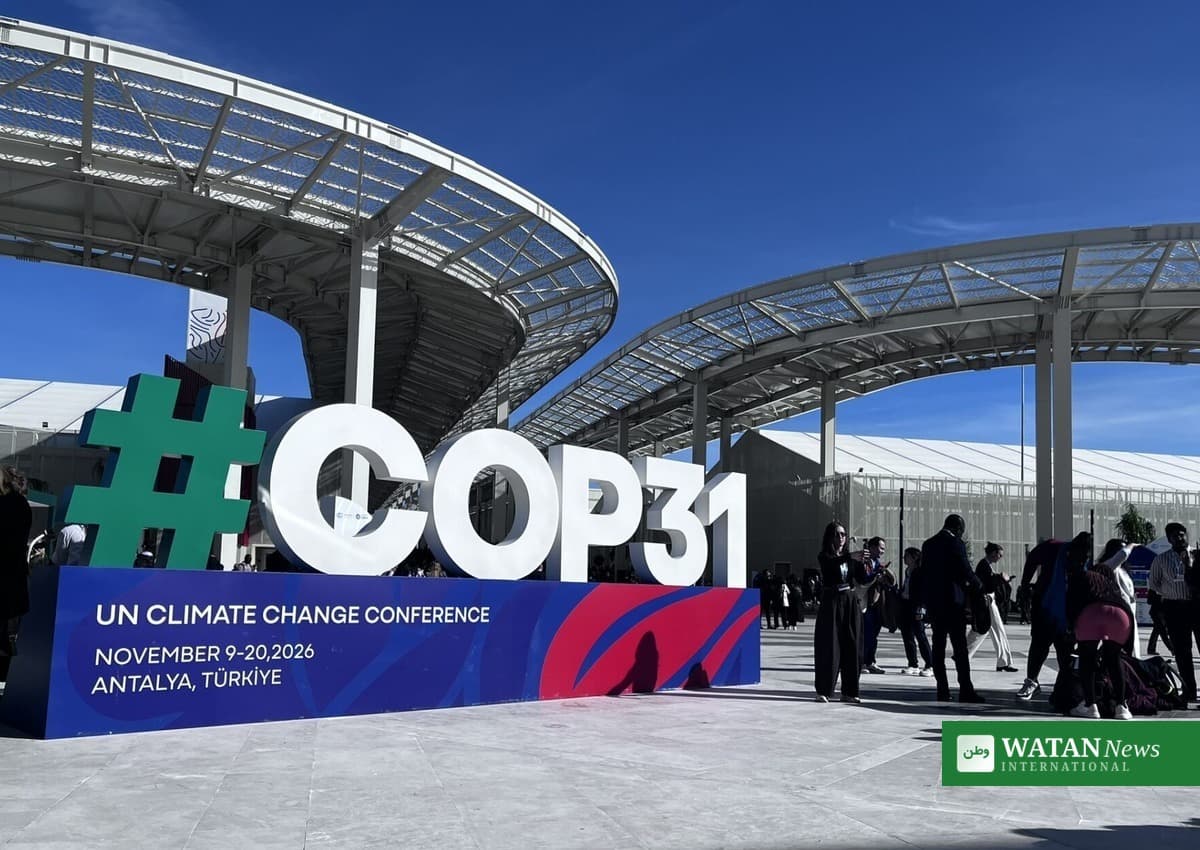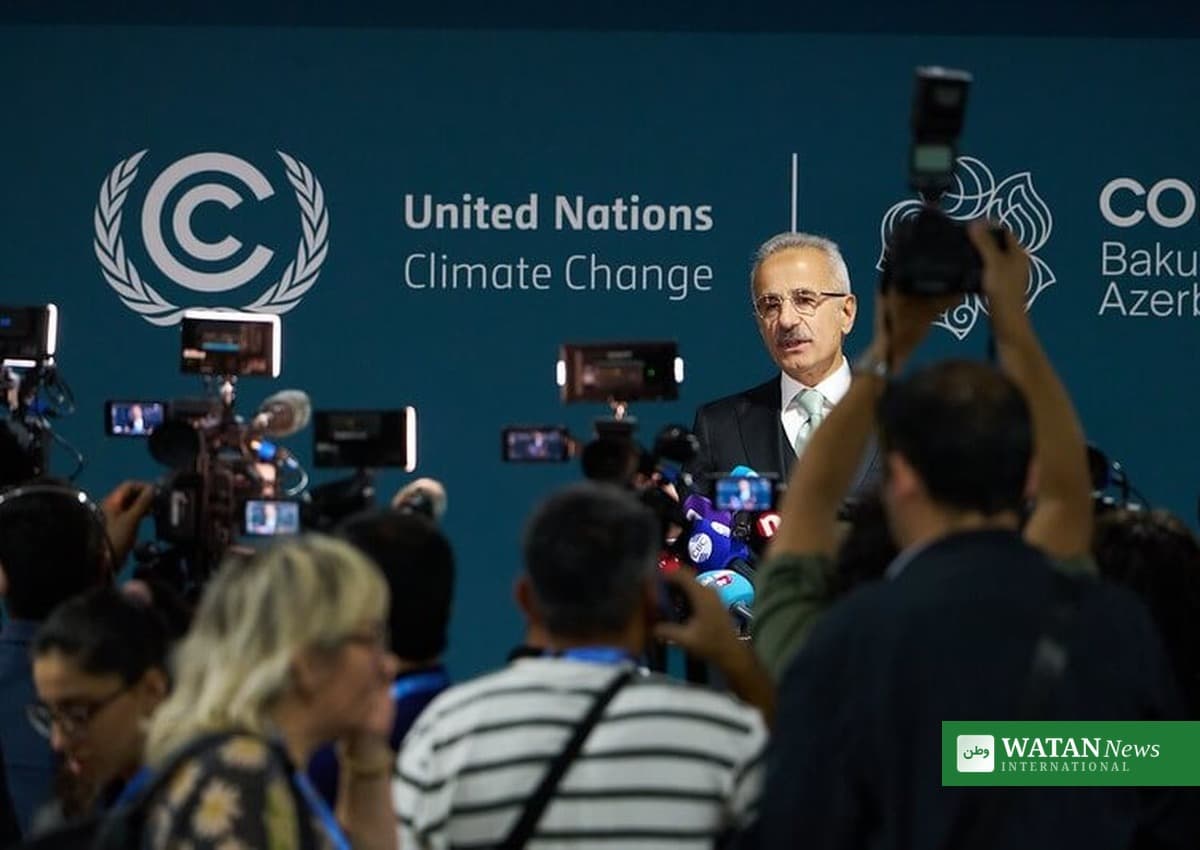
ANTALYA: The World Leaders’ Summit at COP31 opens in Antalya on Wednesday, 11 November, as heads of state and government begin two days of national statements that will set the political direction for the rest of the United Nations climate conference. The opening day is also Zero Waste Day, putting waste, circularity and methane at the centre of the leaders’ agenda.
After two days of technical negotiations, the focus now moves to the leaders themselves. The summit, held on 11 and 12 November, is the moment when governments present their national positions in public — and when the COP31 Presidency hopes to build the political momentum needed to turn the conference’s implementation agenda into decisions.
FAKTA
- What: COP31 World Leaders’ Summit, 11–12 November 2026
- Where: Antalya Expo Center, Antalya, Türkiye
- Speakers: 77 heads of state and government on the provisional United Nations list; Türkiye expects 91 leaders to attend
- Today’s theme: Zero Waste Day — waste, circularity and methane
- Presidency: Murat Kurum, COP31 President; Chris Bowen of Australia is President of Negotiations
A smaller, sharper leaders’ table
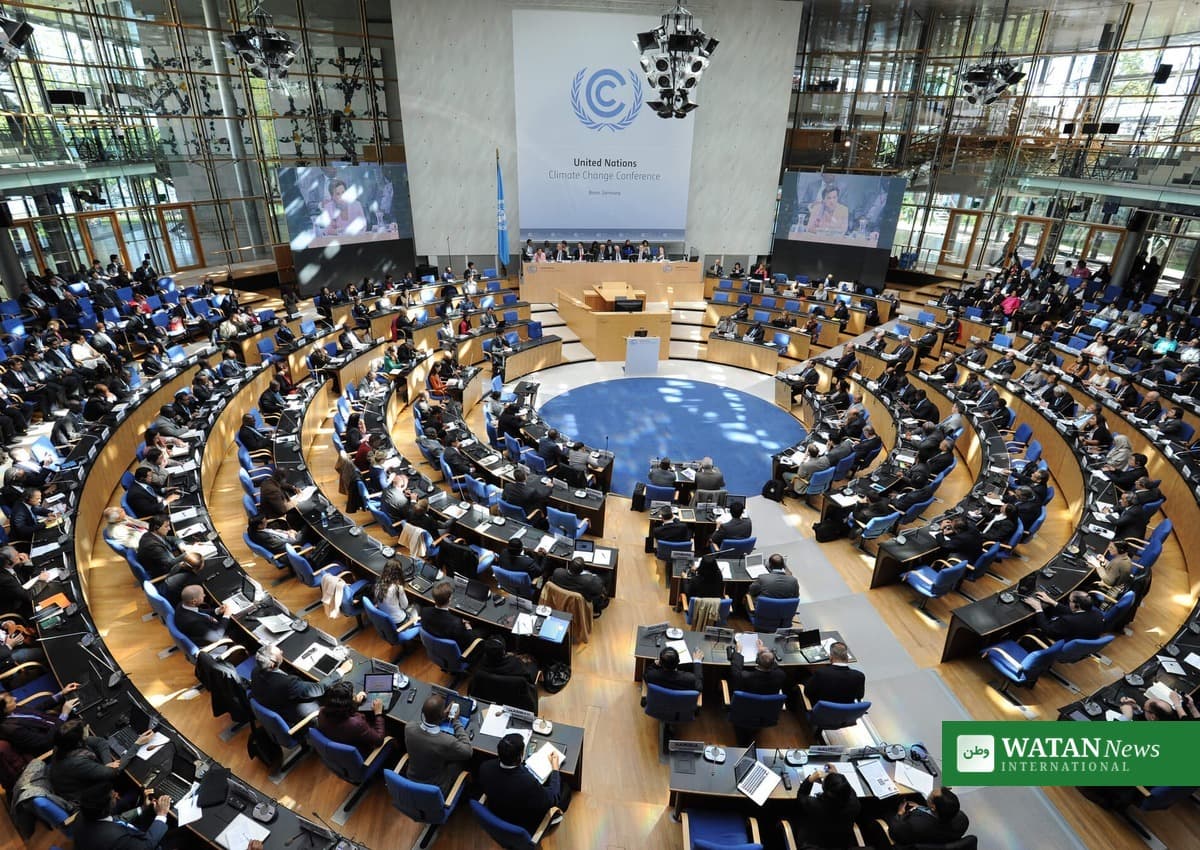
This year’s leaders’ gathering is smaller than recent COP summits. A provisional United Nations list has 77 heads of state and government speaking at the summit, compared with 116 at COP28 in Dubai. Türkiye says it expects 91 world leaders to attend in total.
Among the Group of 20 nations, only the United Kingdom, Brazil and China are listed at the top level, with China most likely to send a vice-premier. Brazilian President Luiz Inácio Lula da Silva is expected to address the summit later in the week. The United States administration has not sent officials to COP31, although a 19-member congressional delegation is expected in Antalya.
The smaller table does not mean a smaller agenda. The Presidency has described COP31 as an “Implementation COP”, designed to close the gap between climate promises and delivery. More than 160 agenda items and 60 substantive negotiation mandates are on the table across the two weeks.
The first day’s programme
Wednesday’s programme pairs the leaders’ statements with the Zero Waste theme. The day begins with a UNEP and Zero Waste Foundation event on the Food Waste Breakthrough, looking at how food-waste prevention can be turned into measurable methane cuts. At 13:00, negotiators and observers gather for a mandated information session on the Global Implementation Accelerator, the mechanism meant to link the negotiations to practical delivery. Later in the afternoon, a high-level dialogue on clean energy transition and electrification runs from 15:00 to 16:30, followed by a Leaders’ Roundtable on Zero Waste, Circularity and Methane from 16:00 to 17:30, opened by Emine Erdoğan.
The implementation test
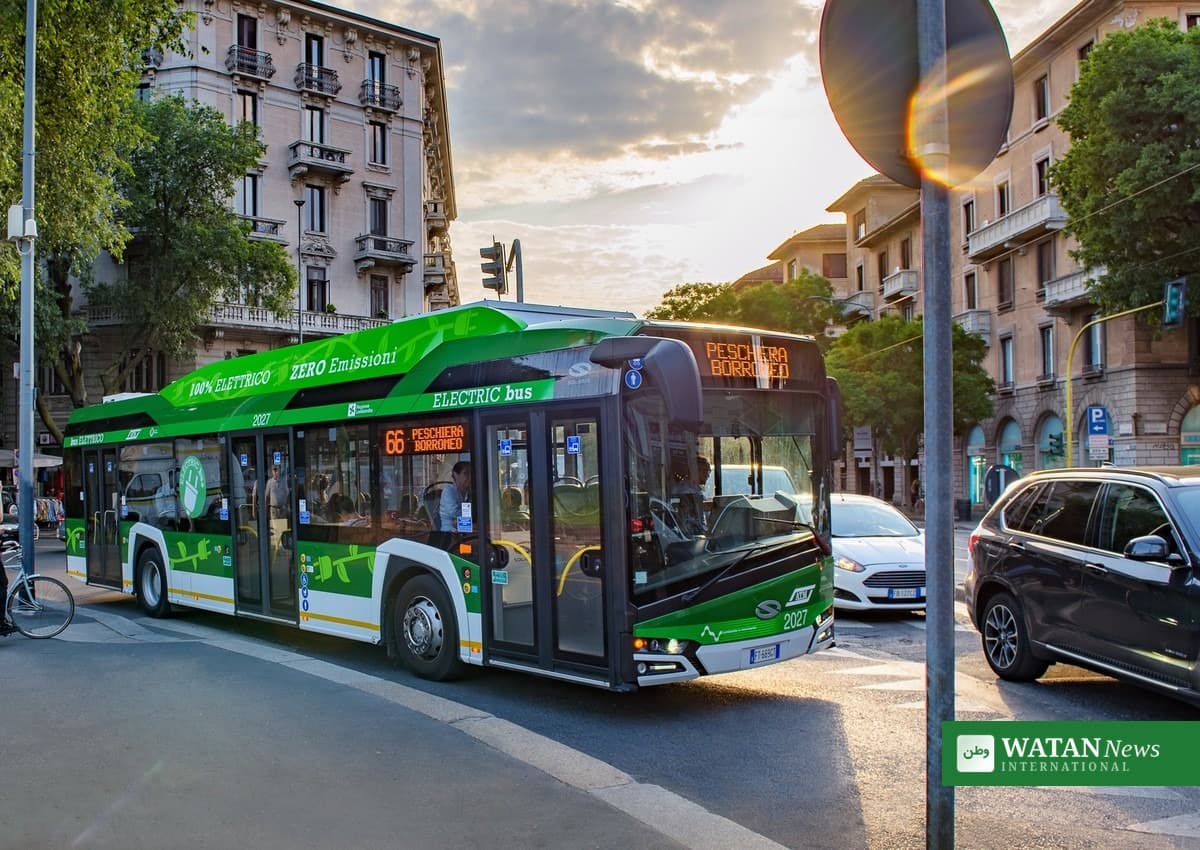
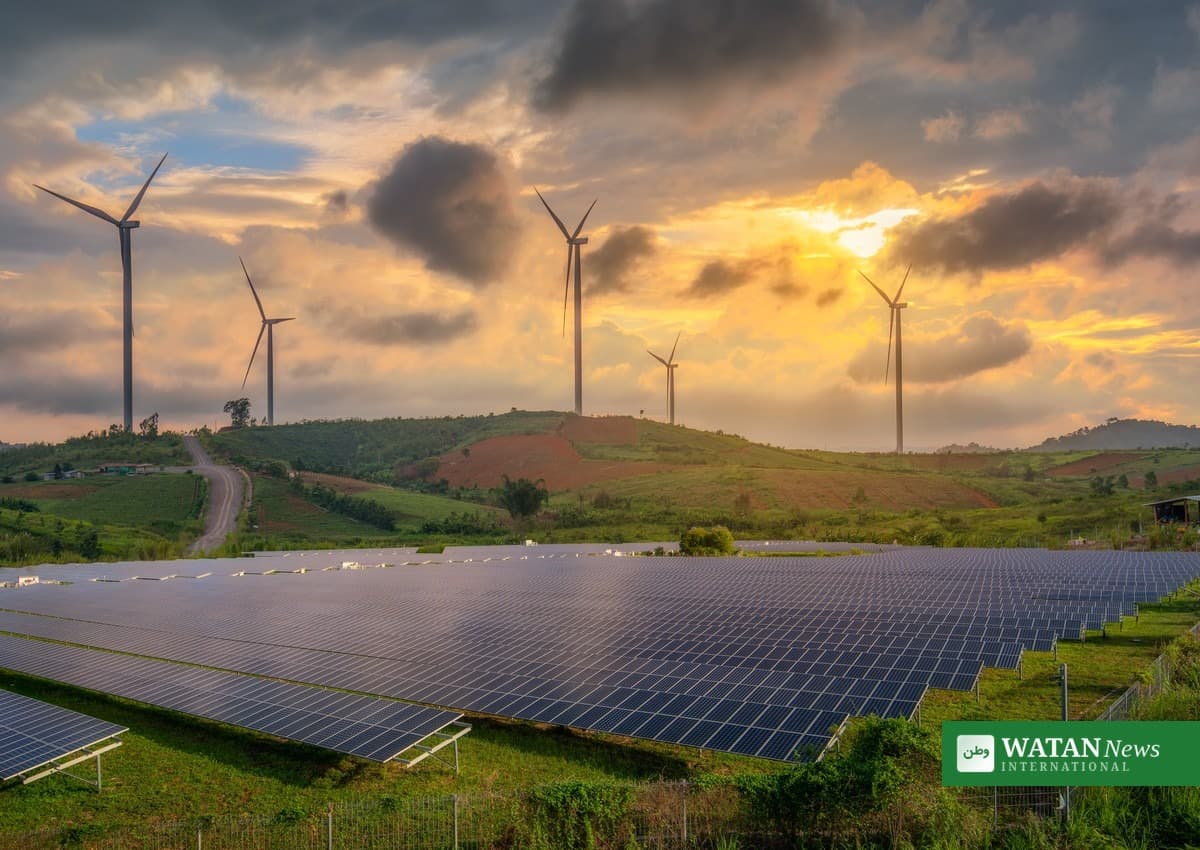
The summit opens with the conference’s central goal already on the table: electrifying more than a third of the global economy by 2035, up from around a fifth today. It is the Presidency’s headline 35-by-35 ambition, and the leaders’ statements are expected to show how far governments are willing to go to back it.
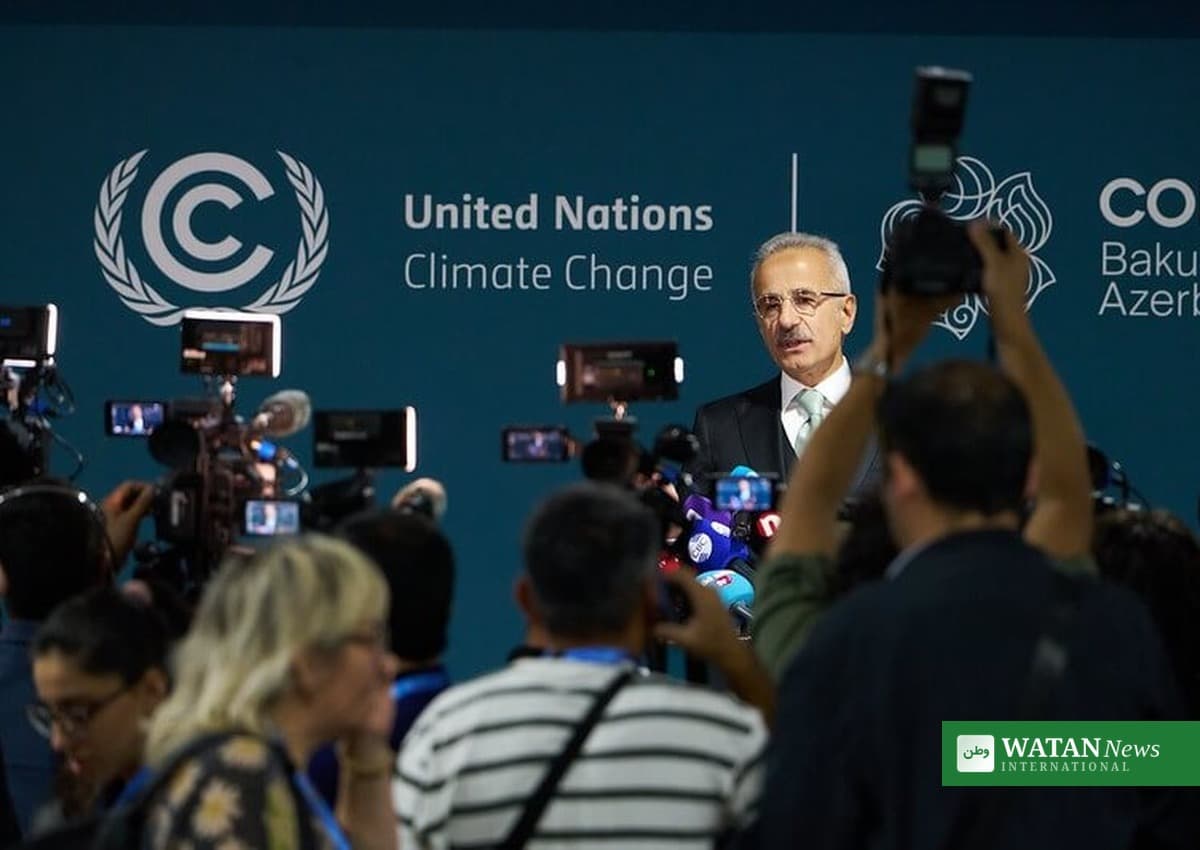
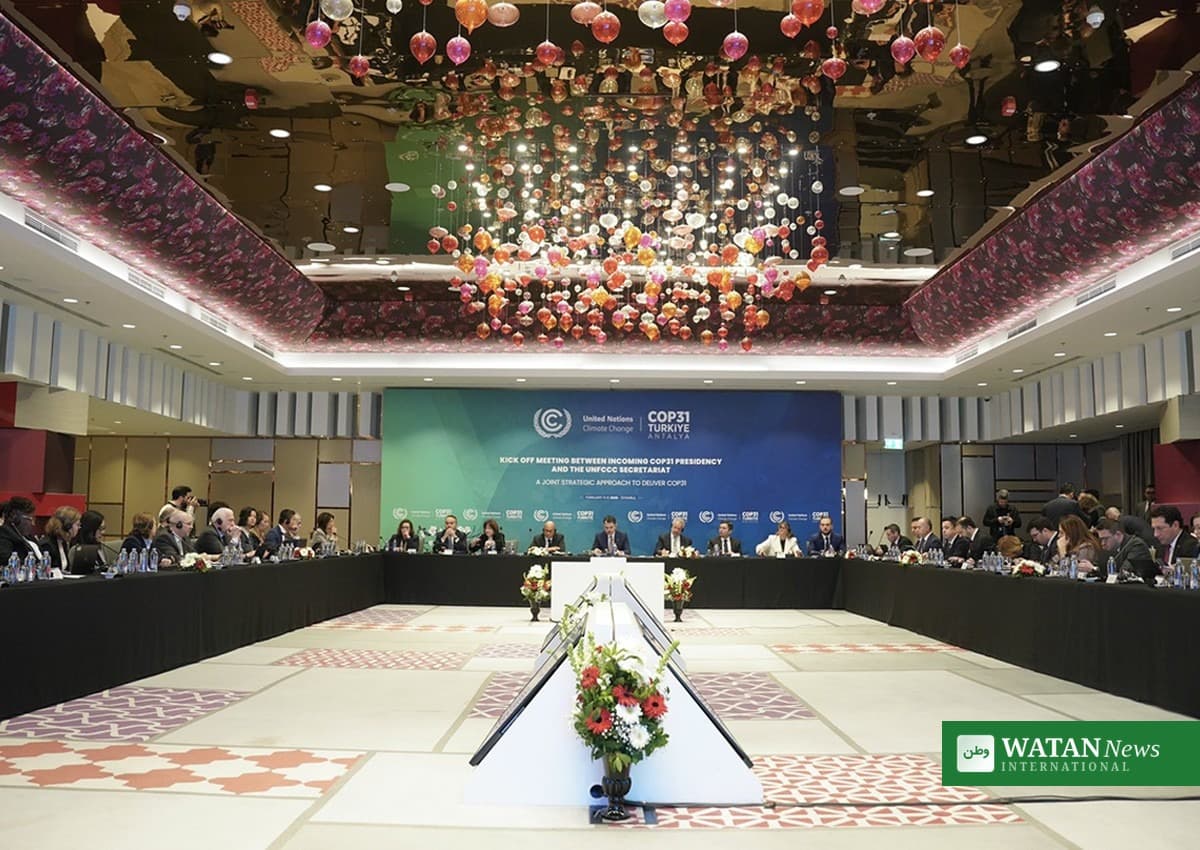
UN Climate Change Executive Secretary Simon Stiell told the opening plenary on Monday that progress was “nowhere near far enough or fair enough”, urging countries to move beyond setting targets and to “supercharge solutions” that make a difference on the ground. The first two days also showed where the fault lines lie: longstanding disputes over climate finance resurfaced before the conference opened, with negotiators debating into the early hours of Monday over developing nations’ demands to include finance items on the official agenda. Readers can follow how the opening days unfolded in our report on COP31 day two, when energy and transport took centre stage.
Leaders arriving in Antalya
Leaders have been arriving in Antalya through the week. Bangladesh Prime Minister Tarique Rahman arrived on Tuesday afternoon for a three-day visit, and is scheduled to address the plenary on 12 November, pressing Bangladesh’s case on climate justice, adaptation finance and loss and damage. He met Turkish President Recep Tayyip Erdoğan on Tuesday evening, with bilateral meetings also arranged with the Australian Prime Minister and the President of Uzbekistan.
Ghana has set up its own pavilion in Antalya as a base for side events, joining the nearly 200 countries represented at the conference, where around 100,000 delegates, activists, scientists and business leaders are expected over the two weeks.
What to watch next
The national statements continue on Thursday, 12 November, which is also Resilient Cities and Built Environment Day. The second week, from 16 November, is the political decision week, when negotiations are finalised and decisions are adopted by consensus at the closing plenary on 20 November.