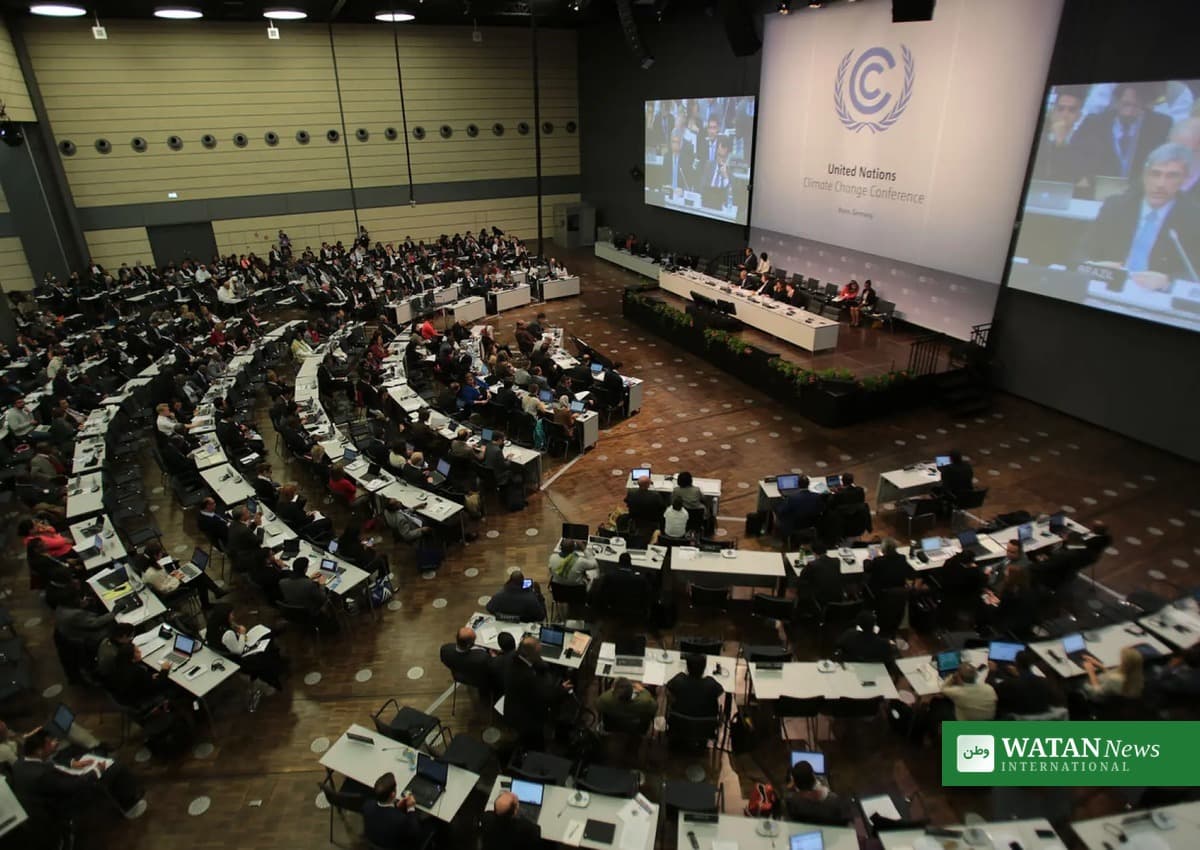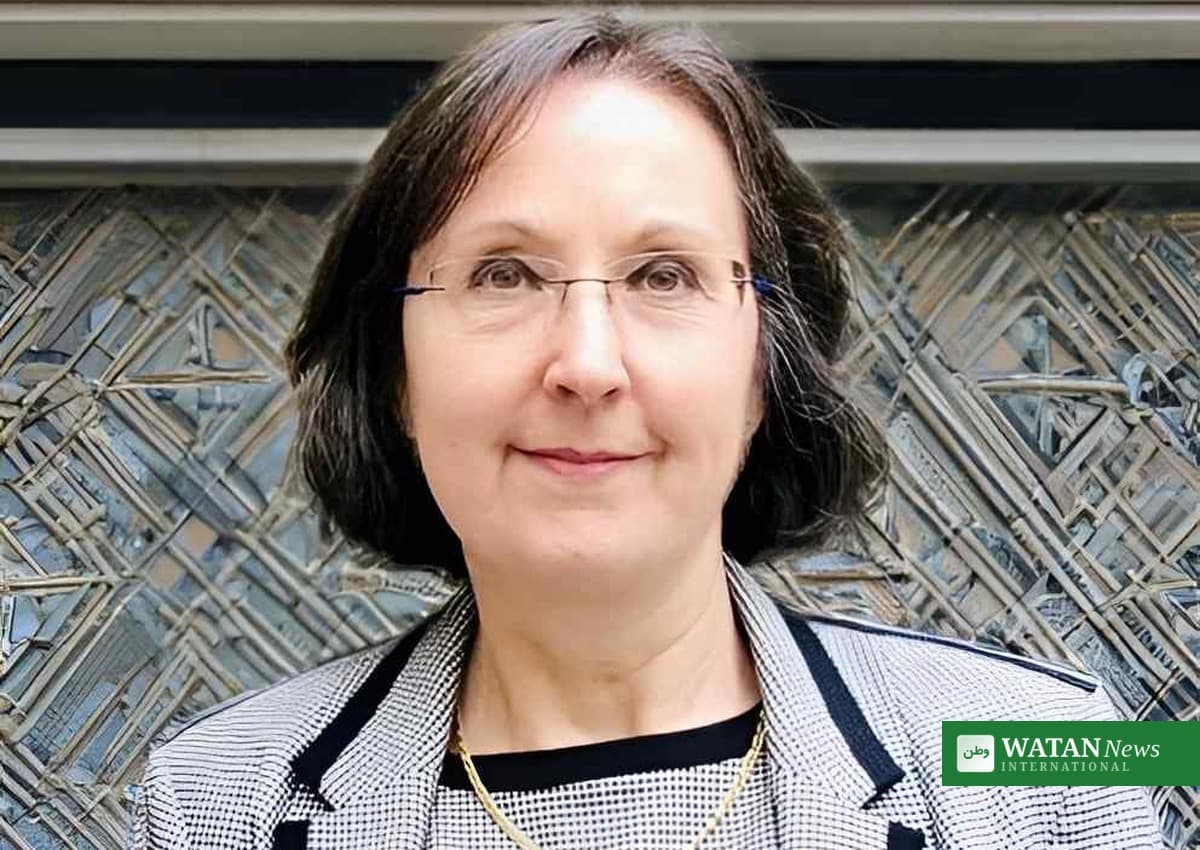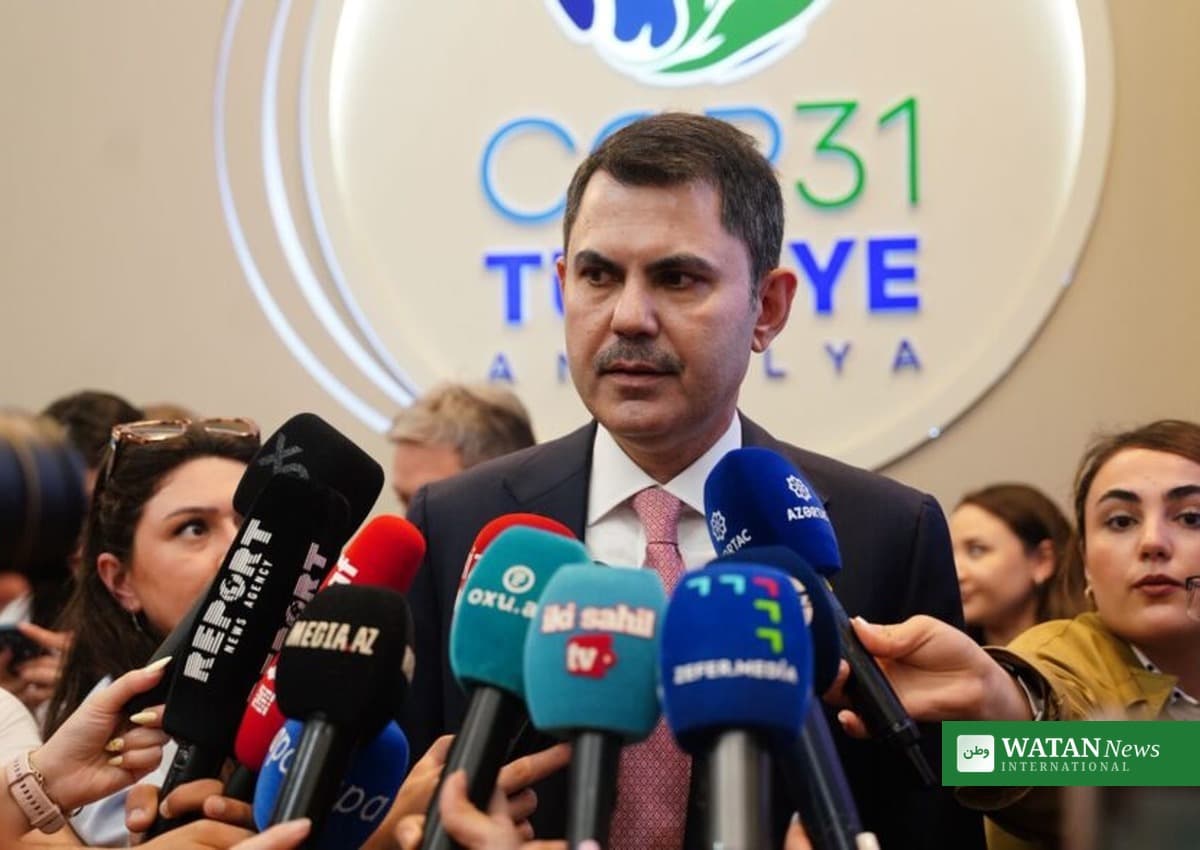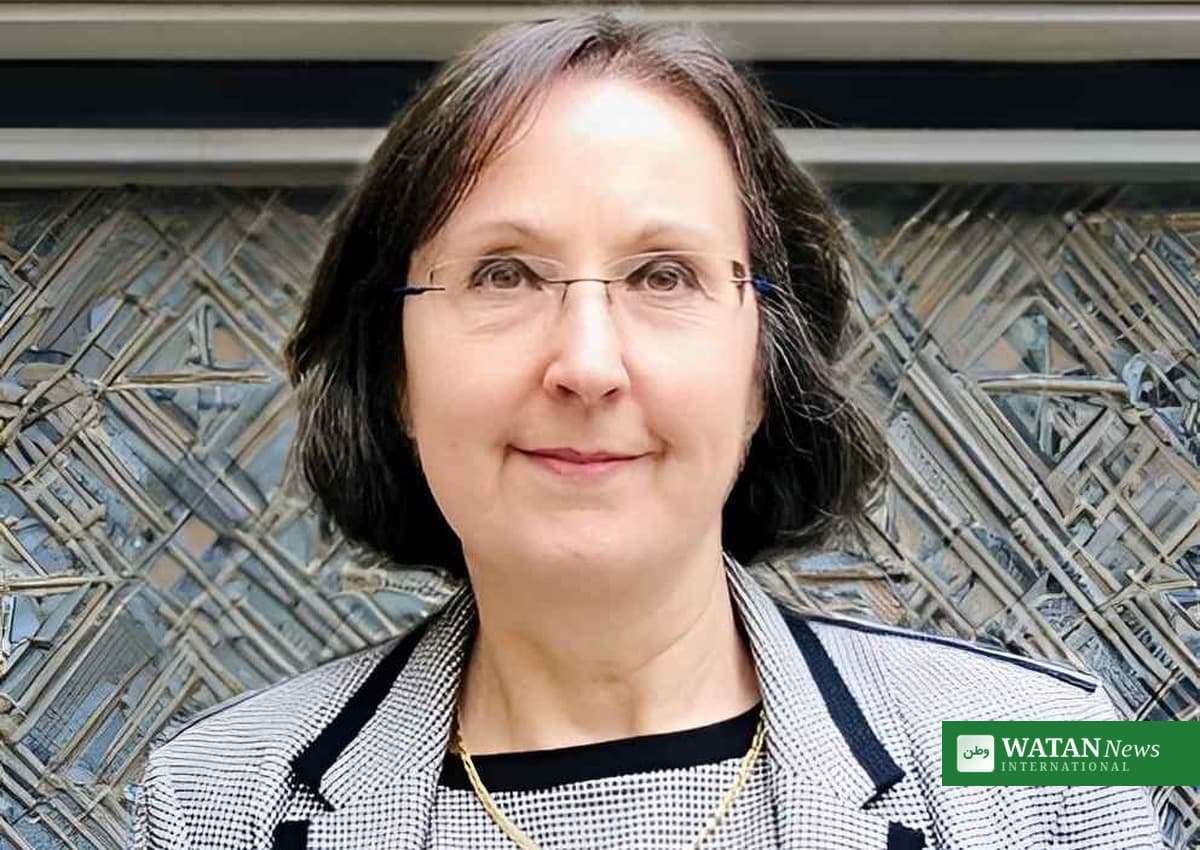
The United Kingdom has appointed Dame Madeleine Alessandri as the world’s first special representative for climate security, Prime Minister Andy Burnham announced at COP31 in Antalya on 12 November 2026. The new post formally places climate change and nature loss inside the UK’s national security system, and it was announced on the stage of the UN climate summit itself.
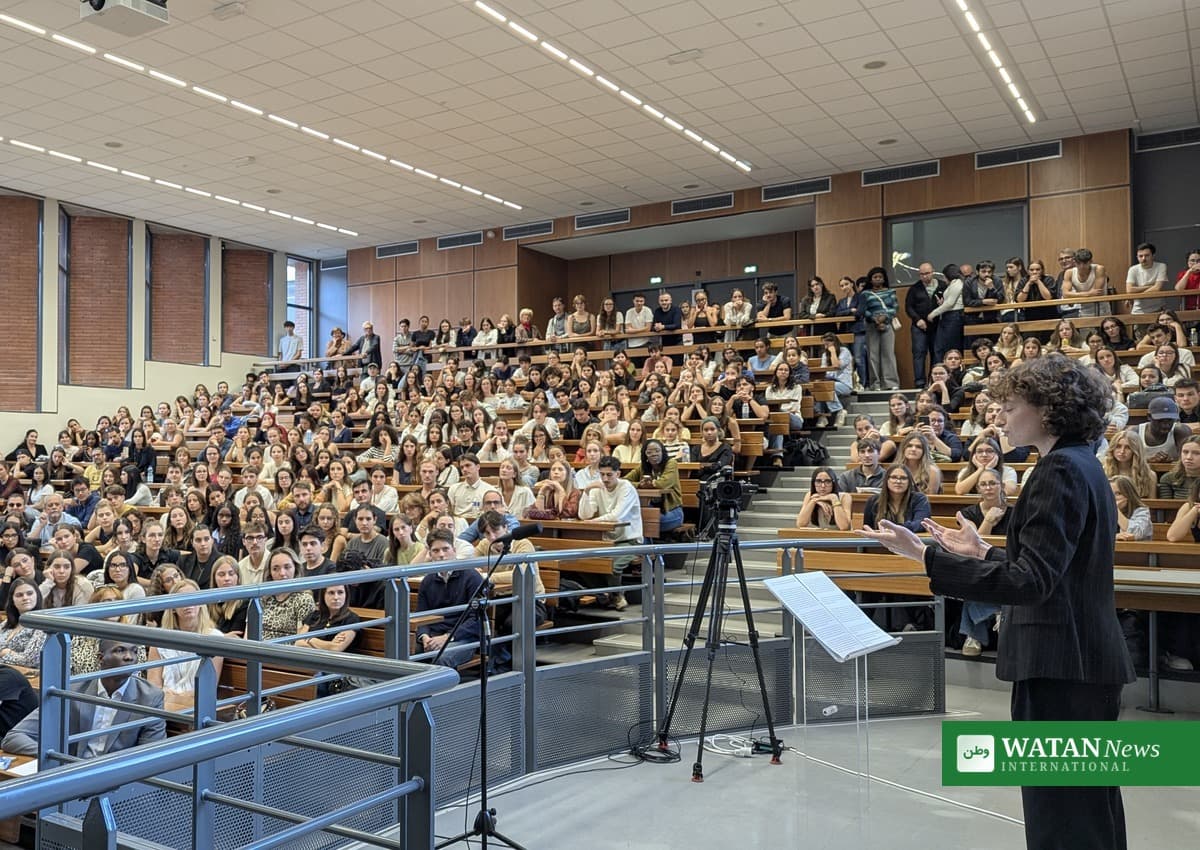
Burnham, attending his first COP as prime minister and the only G7 leader to address the summit, told delegates that climate had become a security question. “Climate is a national security issue,” he said. “As evidence of that, I am today announcing the appointment of Dame Madeleine Alessandri, as the first UK special representative for climate security.”
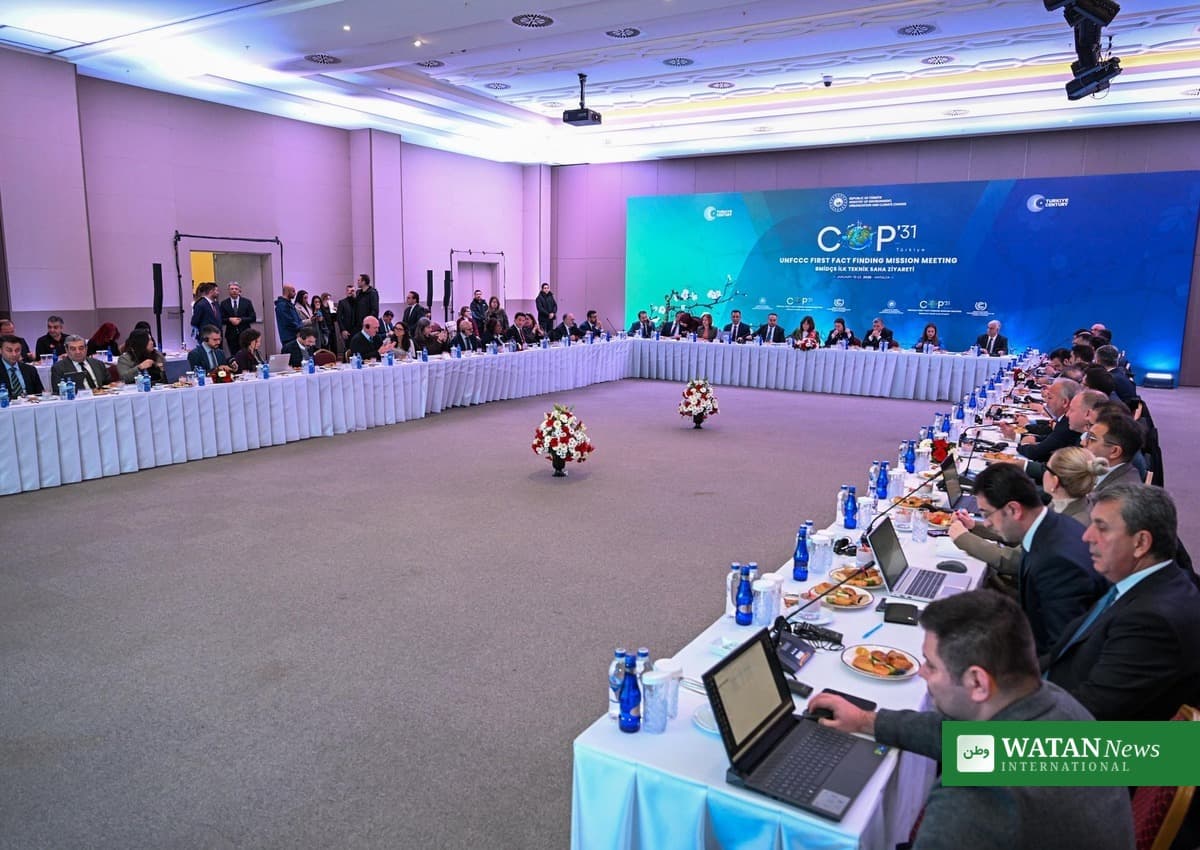
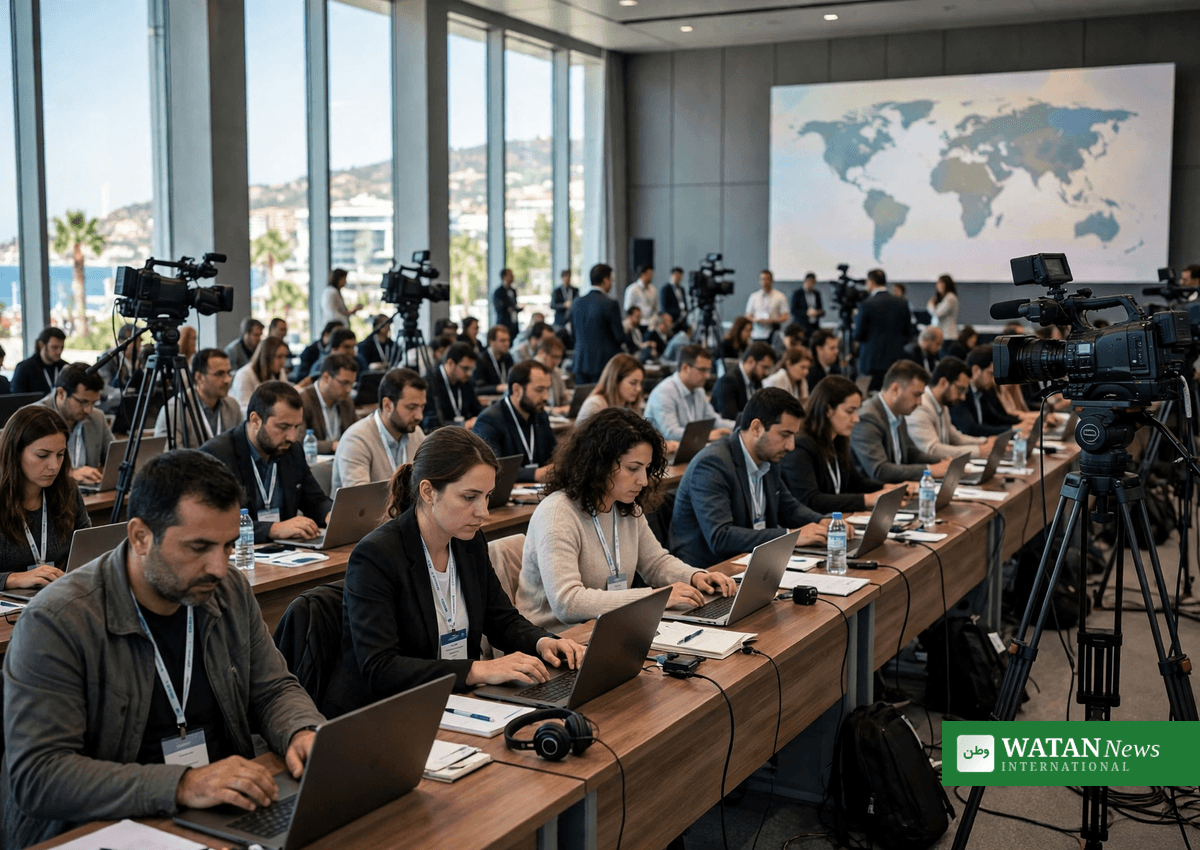
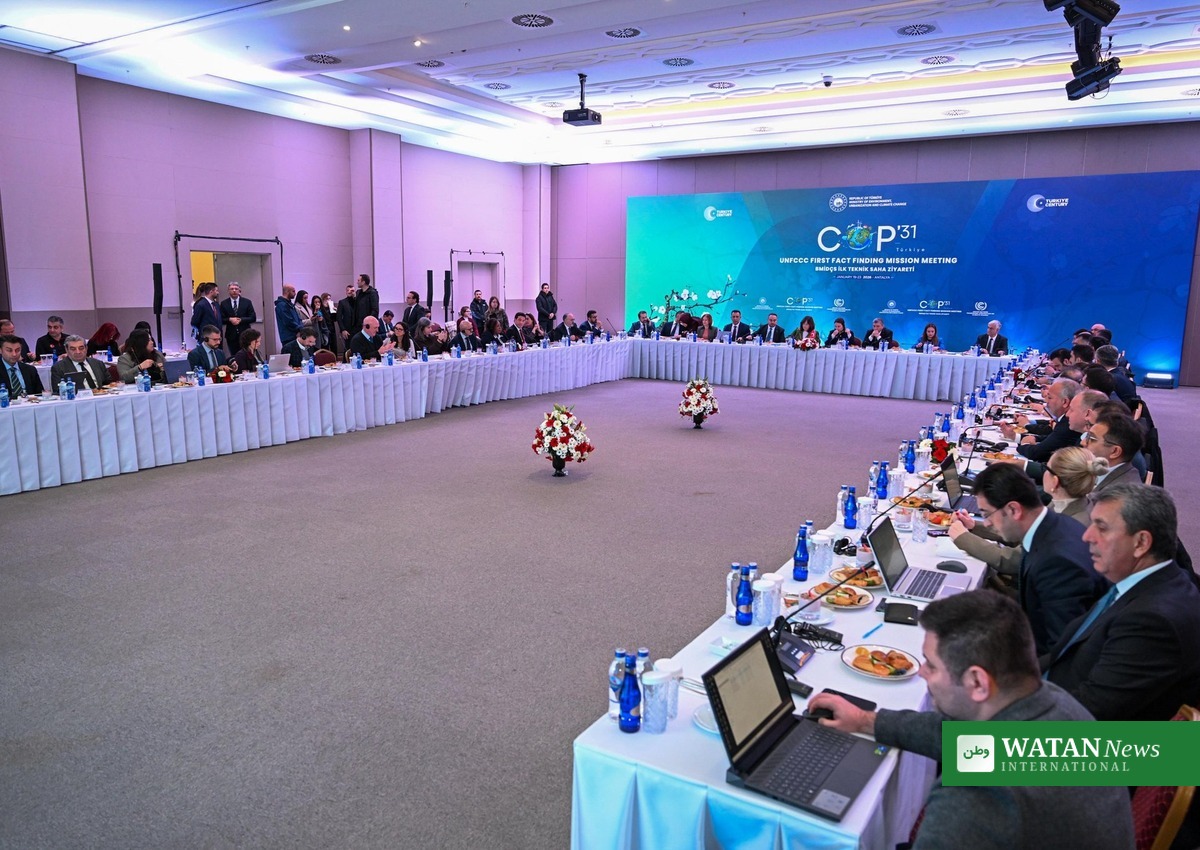
The announcement at COP31
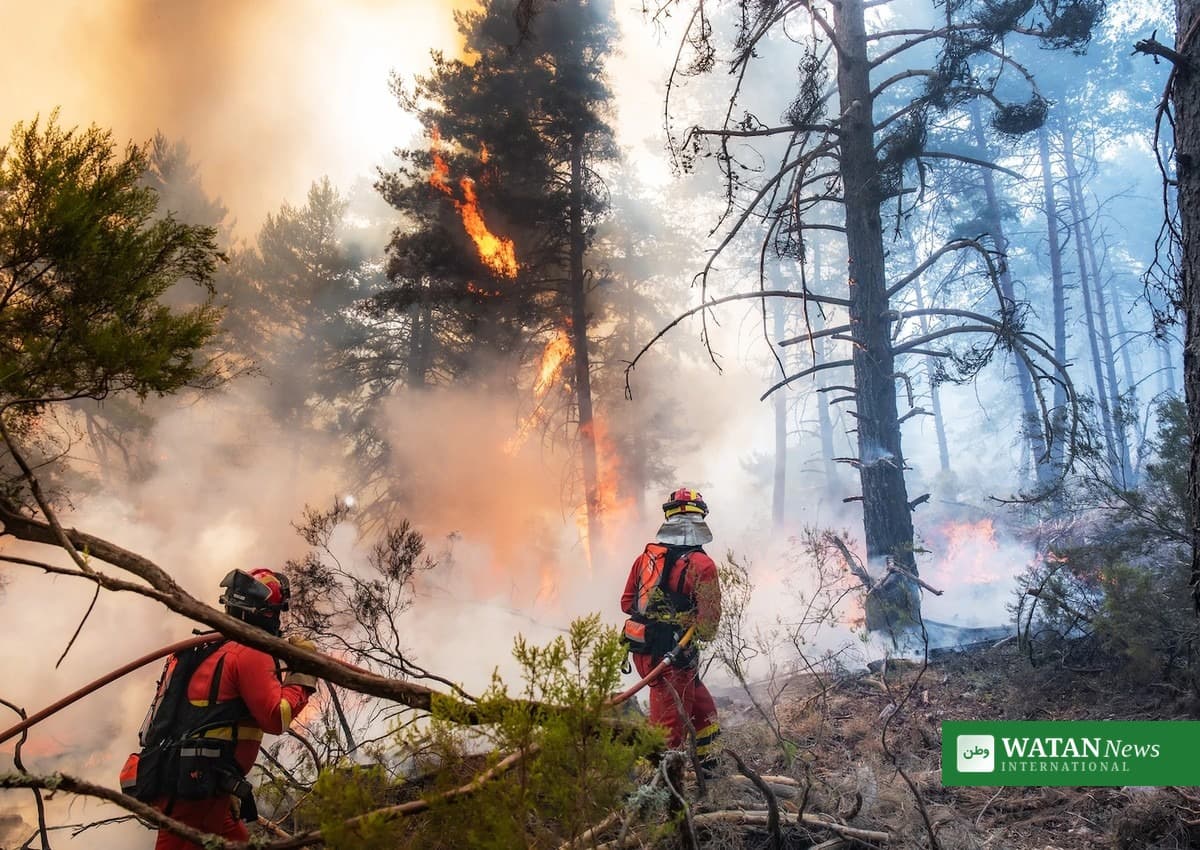
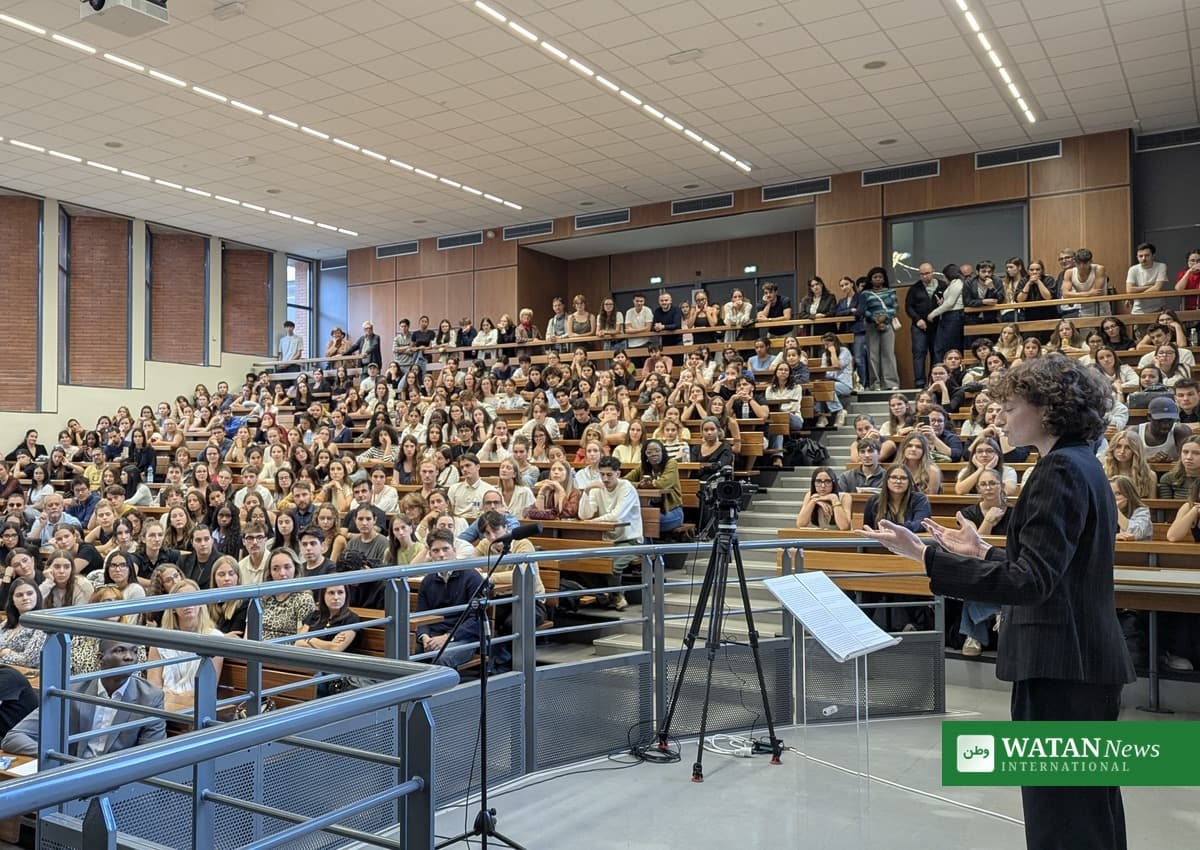
Burnham opened his address by recalling the summer Britain had just come through. “The summer from which Britain recently emerged was not normal,” he said. “I spent my first three weeks as Prime Minister responding to the worst wildfires Britain has ever experienced.”
He said the climate crisis was no longer a distant threat. “The climate crisis is not a distant threat. It is upon us all now, devastating lives and livelihoods everywhere,” he told the summit, and reaffirmed that Britain remained committed to meeting its 2050 net zero target and to working with partners to reach theirs.
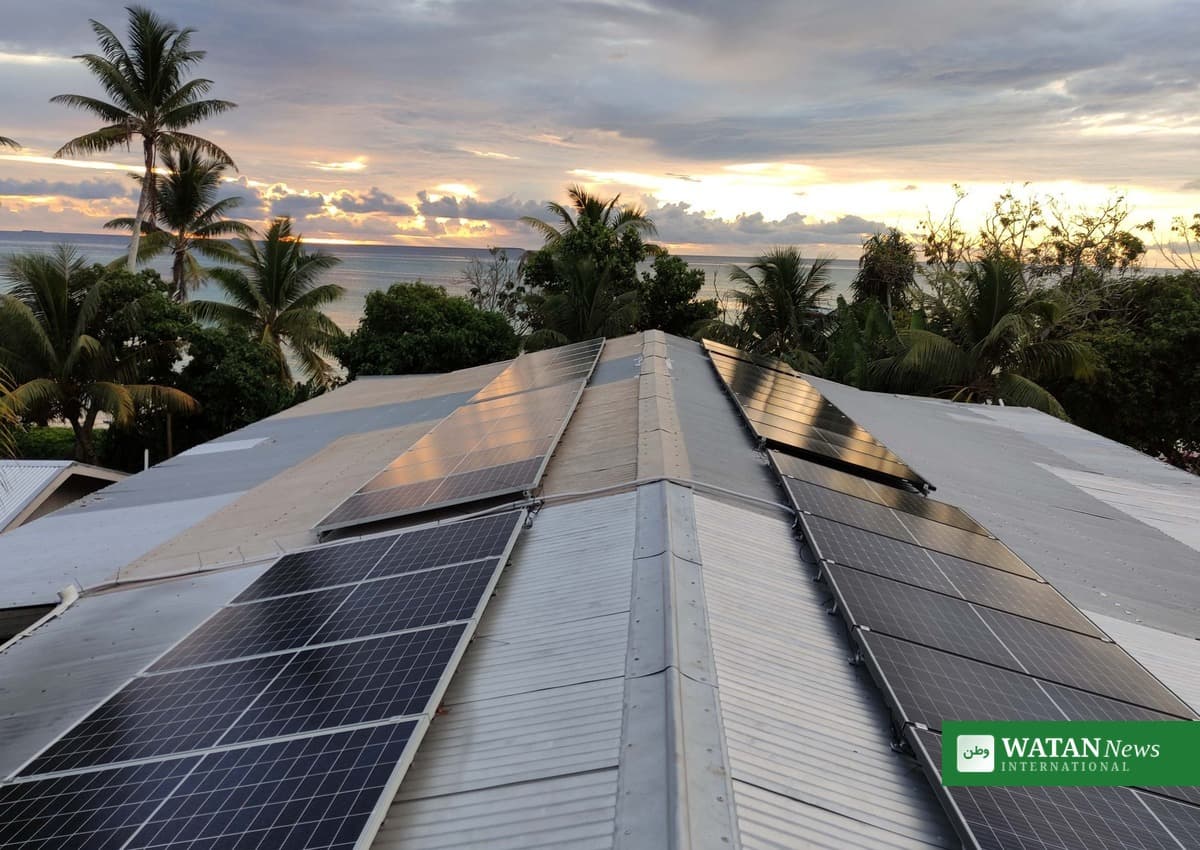
The prime minister also used the speech to announce UK support for the Amplify programme, which he said would aim to secure £5 billion of new private finance for clean energy projects around the world. He added that, as the UK takes up the presidency of the G20 next year, it will put climate resilience back on the agenda, with debt, development and insurance as key issues, and that Britain will maintain its support to preserve tropical forests and oceans.
The announcement came as the leaders’ segment of COP31 continued in Antalya, with the summit running until 20 November. The United States sent no official delegation for a second consecutive year.
Who is Dame Madeleine Alessandri?
Alessandri is a career civil servant with a senior national security background. She served as the UK’s Deputy National Security Adviser and as the prime minister’s Adviser on National Resilience and Security, and she chaired the Joint Intelligence Committee — the body that provides ministers with national security assessments — from 2023 to July 2026. She has also served as Permanent Secretary at the Northern Ireland Office.
Her appointment brings that security background directly into climate policy. Announcing the role, Burnham said Alessandri would focus on deepening international cooperation and on treating environmental and climate risks as core national security concerns, with an emphasis on identifying risks before they develop into crises.
Alessandri said she would “work with partners across government and internationally to strengthen our understanding of climate threats, build resilience, and ensure we are better prepared for the challenges ahead.”
What the new envoy will do
According to the UK government, the special representative’s role includes:
- embedding consideration of climate change and nature loss as national security risks into the UK system, including engagement with the National Security Council;
- stimulating and supporting contingency planning for climate-related disruption;
- championing UK expertise and leadership on climate security internationally; and
- raising international awareness of the national security consequences of climate change for all countries.
The envoy will report to the foreign secretary. Foreign Secretary Ed Miliband, also at the summit, said there was an urgent need “to treat climate breakdown as a security issue, a global security issue, and to push it further up the multilateral agenda.” He added: “Security for one country is also security for all countries.”
Why climate is now a security question
The appointment follows a growing assessment inside the UK’s intelligence and security community that climate change and ecosystem collapse could pose direct threats to national stability, including through food supplies, migration and international security.
An assessment prepared under Alessandri’s leadership at the Joint Intelligence Committee warned that the UK could begin experiencing national security consequences within five years as overseas ecosystems collapse under the combined pressures of climate change and the overexploitation of natural resources. It identified potential consequences including food shortages, rising food prices, mass migration and conflict involving nuclear-armed countries.
Alessandri has said that “climate change and nature loss are increasingly shaping the security environment in which the UK operates, placing additional pressure on resources, economies and communities around the world.”
The UK’s 2025 National Security Strategy already described climate and nature as drivers of security risk in the UK and of global instability and economic disruption. In June 2026, Climate Minister Katie White launched a first-of-its-kind climate security taskforce of military, security and academic experts to advise policymakers on how climate change and nature loss could affect UK security, including how overseas climate impacts could create domestic pressures and how climate risk affects insurance, investment and geopolitical tensions in places such as the Arctic.
Reacting to the appointment, Cosima Cassel of the climate think tank E3G said it “places climate and nature loss inside the UK’s national security machinery and recognises the threat climate impacts pose to the stability and security of nations, regions and the world.”
A wider wave of climate envoys at COP31
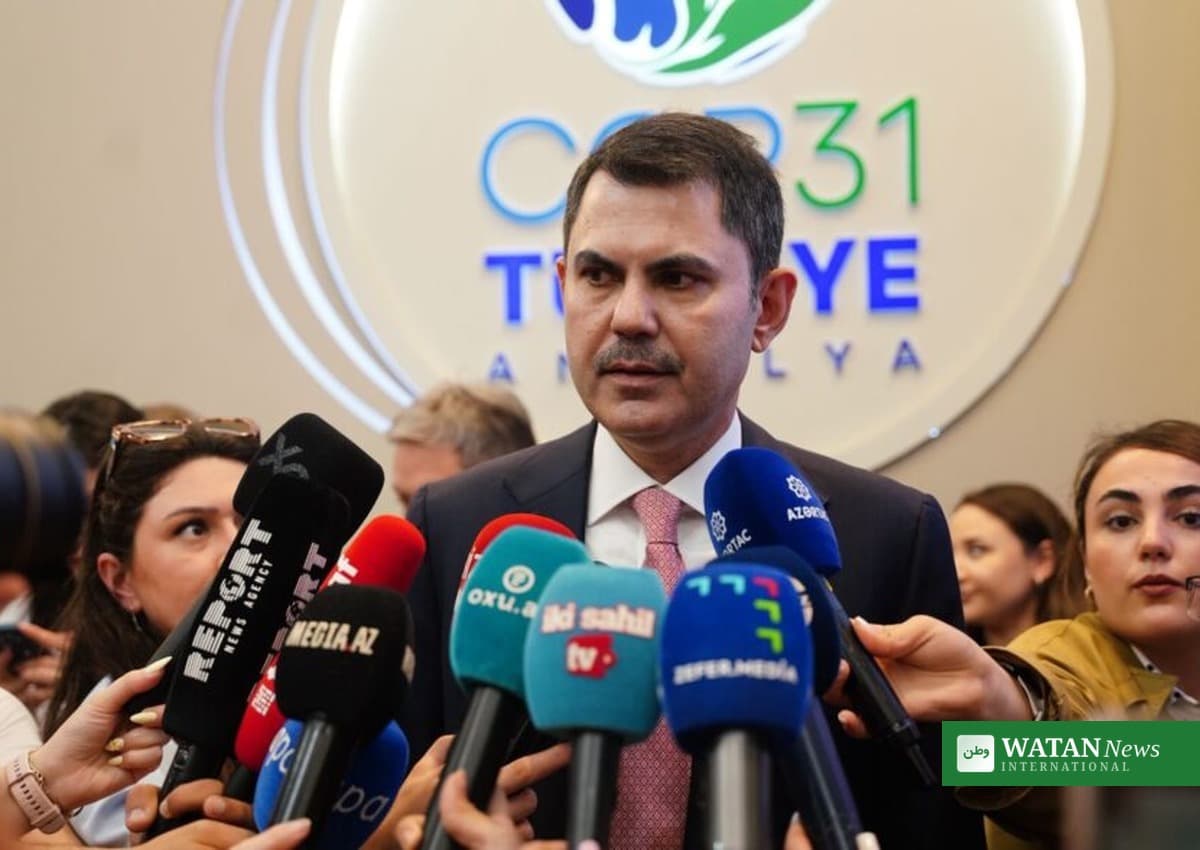
The appointment is part of a wider pattern at this COP, where ambassador and envoy roles have been prominent. South Korea’s Ambassador for Global Climate and Environment, Kang Kum-sil, attended the leaders’ summit in Antalya as a special presidential envoy, alongside other national climate ambassadors at COP31. On 10 November, former Paris mayor Anne Hidalgo was appointed UN-Habitat Goodwill Ambassador for Eastern Europe and Central Asia at COP31, and COP31 President Murat Kurum has appointed a COP31 Youth and Climate Envoy to support young people’s participation in climate policy.
Analysis by Carbon Brief has noted that UK international climate finance for 2026–29 stands at around £6 billion, down from £11.6 billion over the previous five years, a context that campaigners say will test how far the new envoy’s security framing is matched by funding for the countries most exposed to climate risk.
Key facts
- What happened: The UK appointed Dame Madeleine Alessandri as its first special representative for climate security, a world-first post.
- When and where: Announced by Prime Minister Andy Burnham in his speech at COP31 in Antalya on 12 November 2026.
- Who she is: Former Deputy National Security Adviser and chair of the Joint Intelligence Committee (2023–July 2026); also a former Permanent Secretary at the Northern Ireland Office.
- What the role covers: Treating climate and nature loss as national security risks, contingency planning, international leadership and awareness-raising; the envoy reports to the foreign secretary.
- Why now: A Joint Intelligence Committee assessment warned the UK could face national security consequences within five years as overseas ecosystems collapse.
- Also announced: UK support for the Amplify programme, aiming to secure £5 billion of new private finance for clean energy projects worldwide.