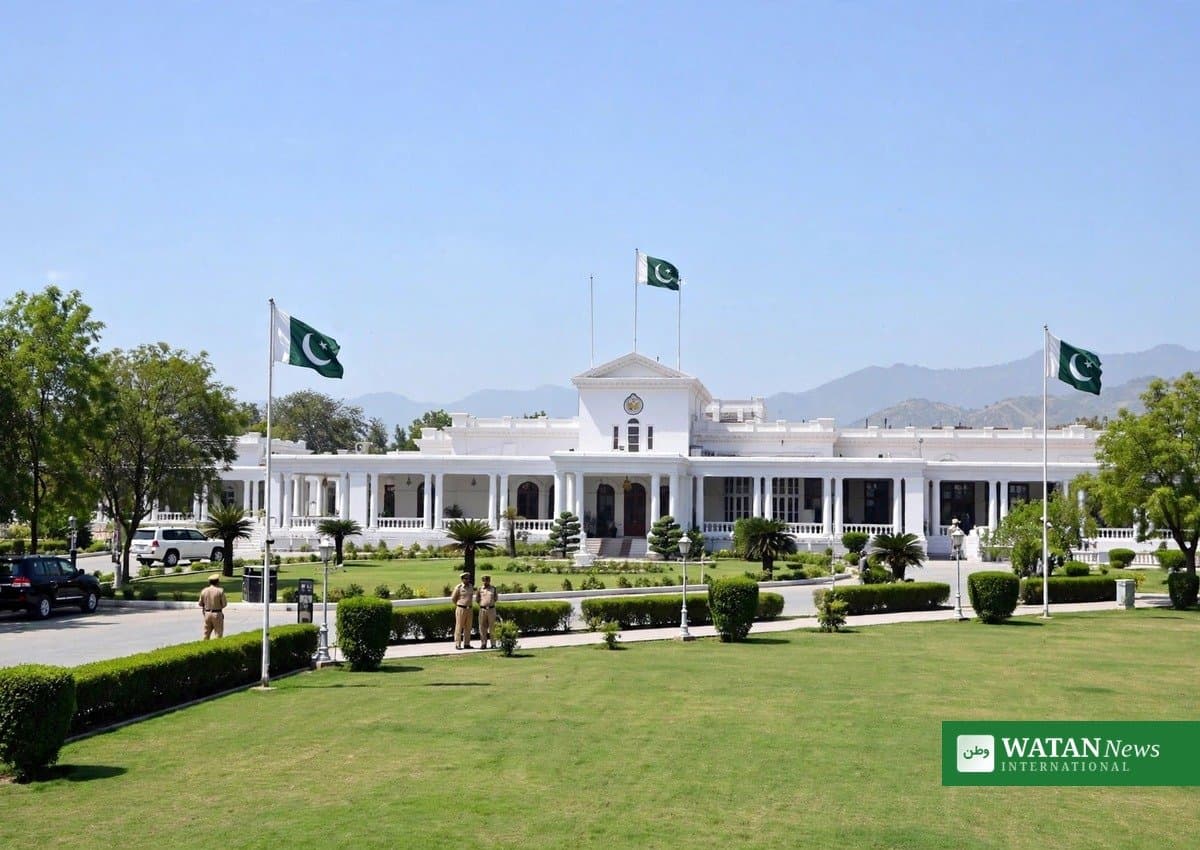
A ministerial delegation from Gilgit-Baltistan called on Khyber Pakhtunkhwa Governor Faisal Karim Kundi at the Governor’s House in Peshawar on Saturday, urging him to act on the growing water crisis affecting both regions. The meeting, which covered the national political situation and the recent electoral outcomes in Gilgit-Baltistan, put shared resource management — above all water — at the centre of the inter-regional agenda. More on Pakistan’s regional politics can be found on Watan News’ coverage of this story and the Pakistan section.
Key Facts
- Who: A Gilgit-Baltistan ministerial delegation and KP Governor Faisal Karim Kundi.
- Where: The Governor’s House, Peshawar.
- When: Saturday, October 3, 2026.
- Top agenda: The ministers urged Governor Kundi to act on the mounting water crisis facing both regions.
- Also discussed: The national political situation, recent Gilgit-Baltistan elections and the Pakistan Peoples Party’s performance.
- Delegation: Included the Gilgit-Baltistan ministers for Local Government and Rural Development, Health, and Education.
- Background: Governor Kundi has previously pressed for a fairer provincial water share, including at the Council of Common Interests.
Governor Kundi pressed to act on the water crisis
Water cooperation dominated the talks, with the visiting ministers flagging the deepening water crisis across the region and pressing Governor Kundi for coordinated action. The concern is grounded in a well-documented reality: mountain springs in much of Khyber Pakhtunkhwa dry up in winter, rain-fed southern districts endure prolonged dry spells, and residents in areas like Parachinar are forced to buy tanker water at prices reaching thousands of rupees.
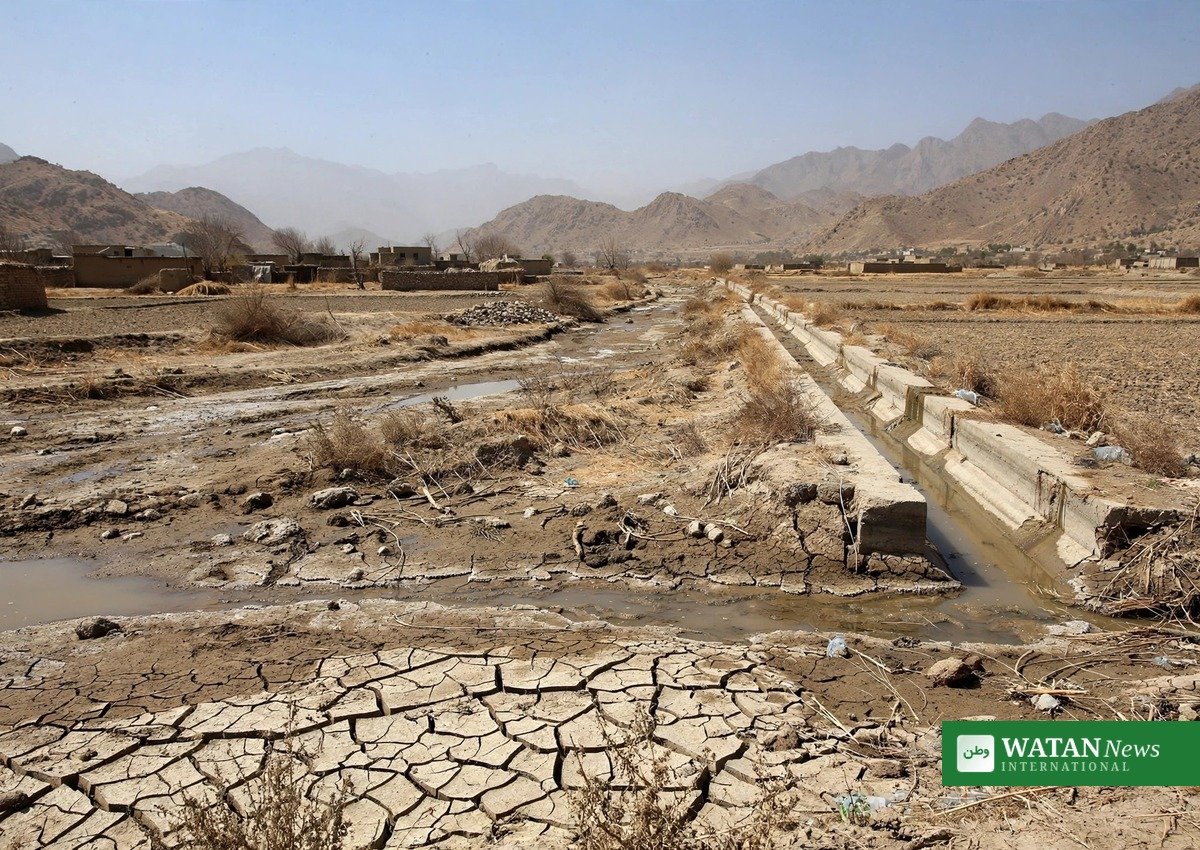
A parched canal in Khyber Pakhtunkhwa — the deepening water crisis was a central concern of the ministerial delegation’s meeting with Governor Kundi.
Governor Kundi has himself kept the water question on the national agenda. At a Council of Common Interests meeting earlier this year, he described the forum’s engagement as a vital step toward resolving longstanding inter-provincial water disputes, and he has publicly argued that Khyber Pakhtunkhwa must receive its fair share of water resources. The delegation’s appeal now adds regional political weight to that call, with the ministers stressing that sustainable management of shared water resources requires a unified approach across provinces and regions.
Political landscape and Gilgit-Baltistan elections
The meeting also reviewed the country’s prevailing political climate, with both sides exchanging views on national stability and governance. A significant portion of the discussion was devoted to the recent electoral outcomes in Gilgit-Baltistan, where the Pakistan Peoples Party’s performance was acknowledged as a marker of the party’s growing mandate in the region. The talks underlined a shared emphasis on democratic processes and collaborative approaches to regional development.
Hospitality and the path ahead
Following the formal discussions, Governor Kundi hosted the delegation for a tour of the Governor’s House and presented the visiting ministers with traditional shawls and caps — a gesture of goodwill and regional hospitality. The meeting closed with an understanding that both sides would continue to engage on matters of mutual importance, with water management, conservation and infrastructure cooperation identified as the key areas for future joint initiatives. For wider regional developments, see Watan News’ World section.
Conclusion
The Peshawar meeting brought a clear message from the Gilgit-Baltistan delegation: the water crisis can no longer wait. With Governor Kundi already on record demanding a fairer water share for Khyber Pakhtunkhwa, the ministers’ call gives that demand a new, inter-regional voice — and raises the pressure for concrete, coordinated action on water.