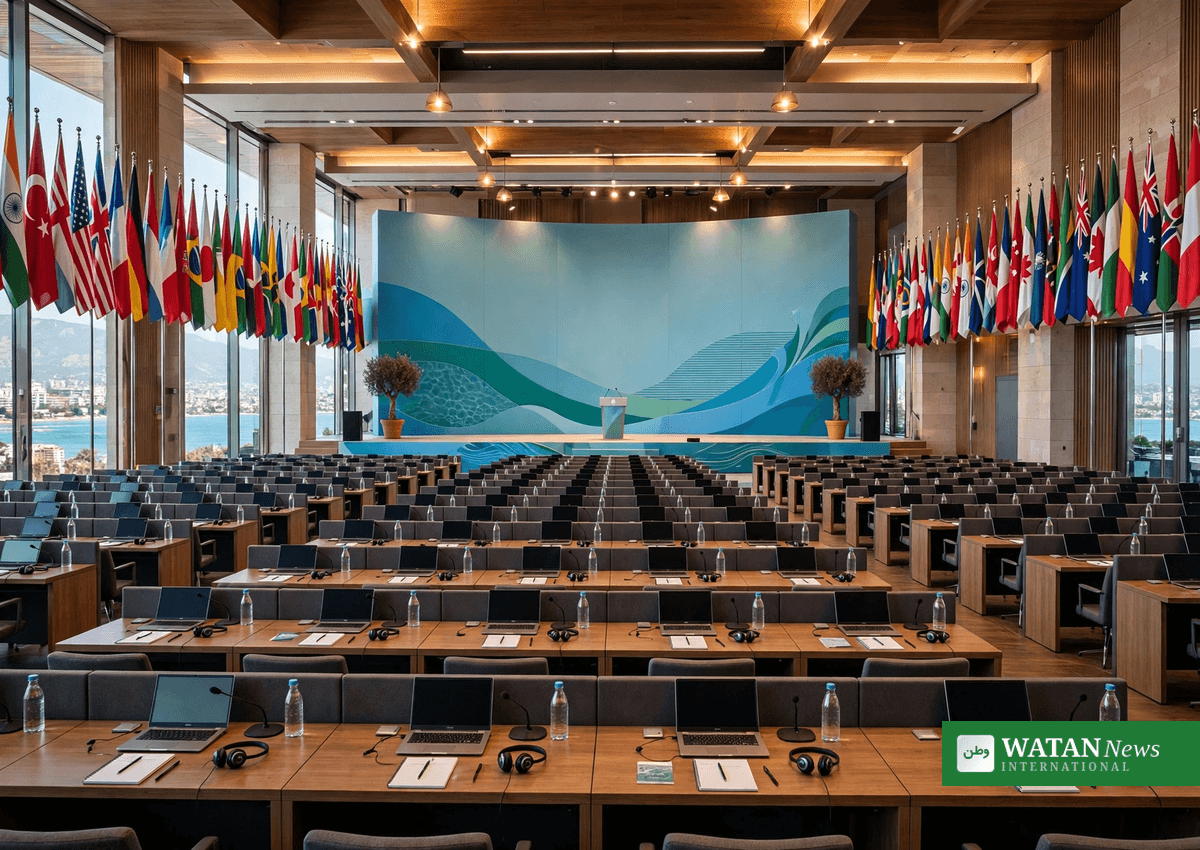
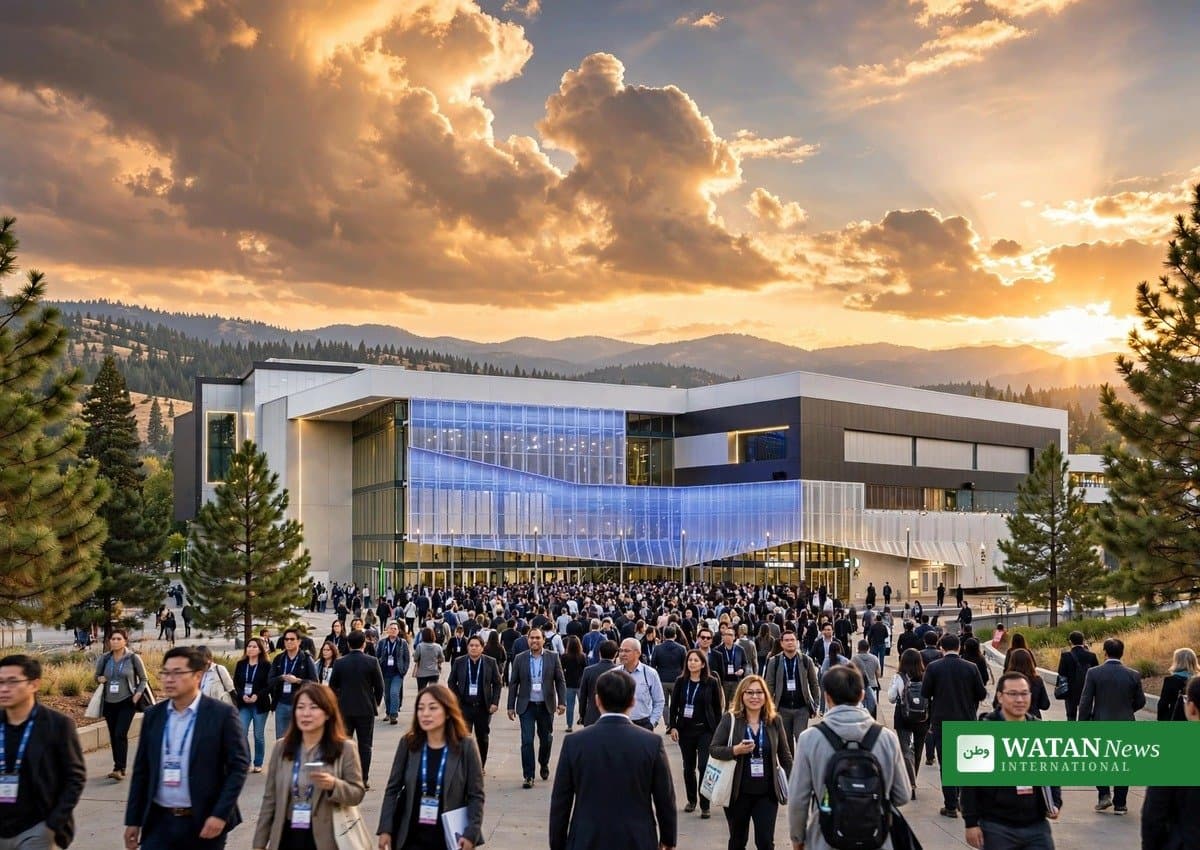
The Earth Journalism Network (EJN) has opened applications for a new in-person reporting fellowship that will send ten journalists to New York City to cover the first-ever Conference of the Parties (COP1) of the High Seas Treaty, the landmark agreement governing biodiversity beyond national jurisdiction (BBNJ), scheduled for 11–22 January 2027.
Announced this week by Internews’ EJN, the fellowship is part of a new three-year program aimed at strengthening global media coverage of the treaty, which EJN says has so far received only modest press attention beyond major announcements. Five of the ten fellowships are reserved for journalists from the Global South, with five going to reporters from the Global North.
What the fellowship offers
Selected fellows will travel to New York for the full duration of BBNJ COP1, arriving on 9 January and departing on 23 January 2027. EJN will cover economy-class airfare, accommodation, meals, travel medical insurance and ground transportation, plus a daily allowance, and will reimburse visa costs. The network will also facilitate the press accreditation process.
Before the conference, fellows will join a virtual workshop with their cohort and EJN media trainers to prepare their reporting. In New York, the program includes an orientation day on 10 January, an expert briefing on the core issues expected at the talks, daily briefings led by EJN’s media trainers, side events on ocean issues and special briefings with high-profile speakers.
Why BBNJ COP1 matters
After more than two decades of negotiations, the Agreement on the Conservation and Sustainable Use of Marine Biological Diversity of Areas Beyond National Jurisdiction — known as the BBNJ agreement or High Seas Treaty — officially entered into force on 17 January 2026.
Around two-thirds of the world’s ocean waters fall outside any national jurisdiction. Until now, the high seas have been managed through a patchwork of regional agreements, with marine protected areas covering less than one percent of these waters, according to figures cited by EJN. The treaty creates, for the first time, a unified legal framework for conserving high-seas biodiversity.
At COP1, countries are expected to take up pressing questions including how marine protected areas will be designated on the high seas and how the environmental impacts of ocean activities beyond national boundaries will be assessed.
The stakes are high: more than three billion people rely on the ocean for their livelihoods, and in the least developed countries seafood is the primary source of protein for over half the population, EJN notes.
Who can apply
Applicants must be professional journalists from or representing an established media house and reporting from a coastal country, with previous experience covering ocean issues such as illegal fishing, marine protected areas, the blue economy, sustainable fisheries or marine pollution.
Applications are open to reporters in all media — online, print, television and radio — including freelancers, who must provide a letter of support from an editor, producer or supervisor confirming that their stories will be published or broadcast. Work samples focused on ocean issues from the past twelve months are required, and applicants need a good command of English; applications are accepted in English only.
EJN says it especially encourages journalists from Namibia, Ecuador, Peru, Seychelles, Japan, Spain, Canada and South Korea to apply, though reporters from other countries will also be selected. Fellows are expected to produce at least two in-depth stories during the fellowship or within two weeks afterwards.
FAKTA: EJN BBNJ COP1 journalism fellowship
- What: 10 fully funded reporting fellowships (5 Global South, 5 Global North) to cover the first BBNJ High Seas Treaty COP
- Where and when: New York City, 11–22 January 2027 (arrival 9 January, departure 23 January)
- Deadline: 27 October 2026; decisions announced in November 2026
- Who: Professional journalists from coastal countries with ocean-reporting experience
- Coverage: Airfare, accommodation, meals, insurance, ground transport, daily allowance, visa reimbursement, press accreditation support
- Note: EJN says the program is contingent on final funding approval from the Bloomberg Ocean Fund
How to apply
Applications close on 27 October 2026, and late submissions will not be considered. Decisions will be communicated in November 2026. Interested journalists can find the application through the Earth Journalism Network’s opportunities page.
For readers following global climate and ocean journalism, more stories from the climate desk are available on the Watan News International English front page.