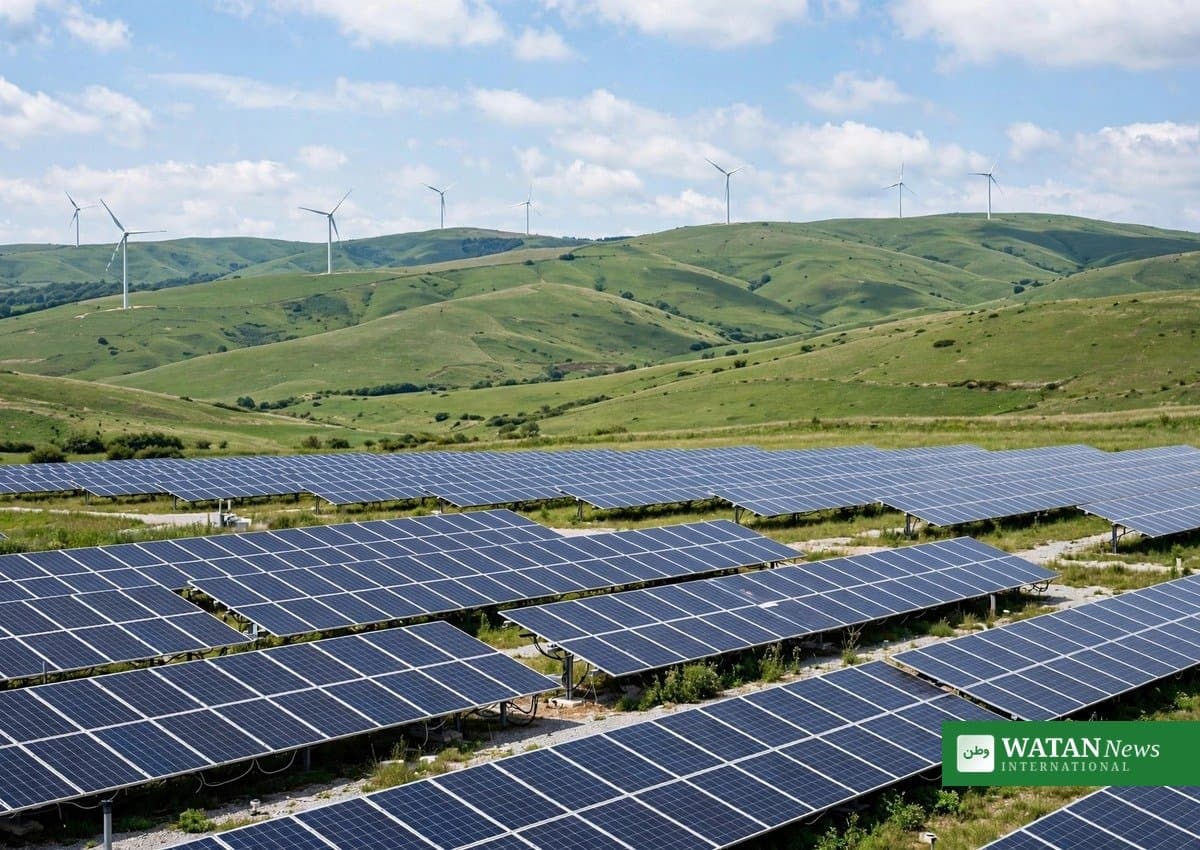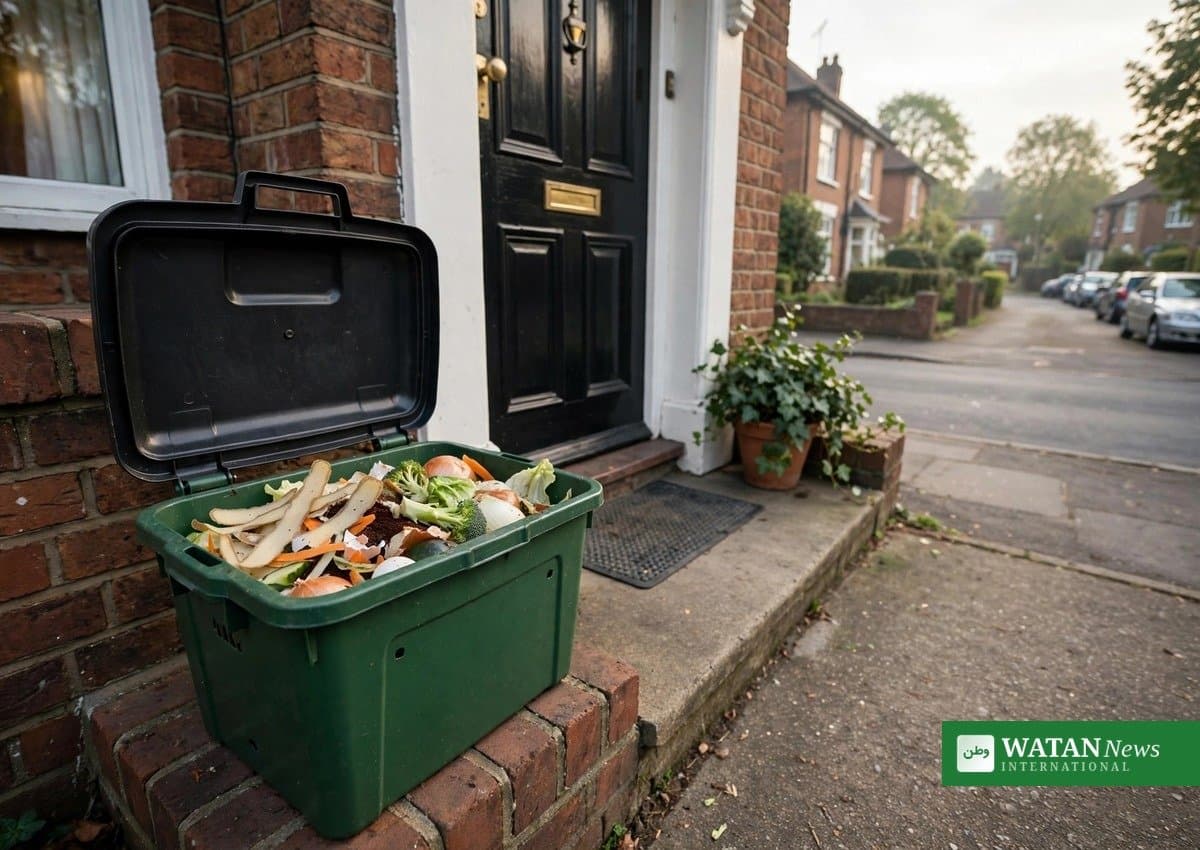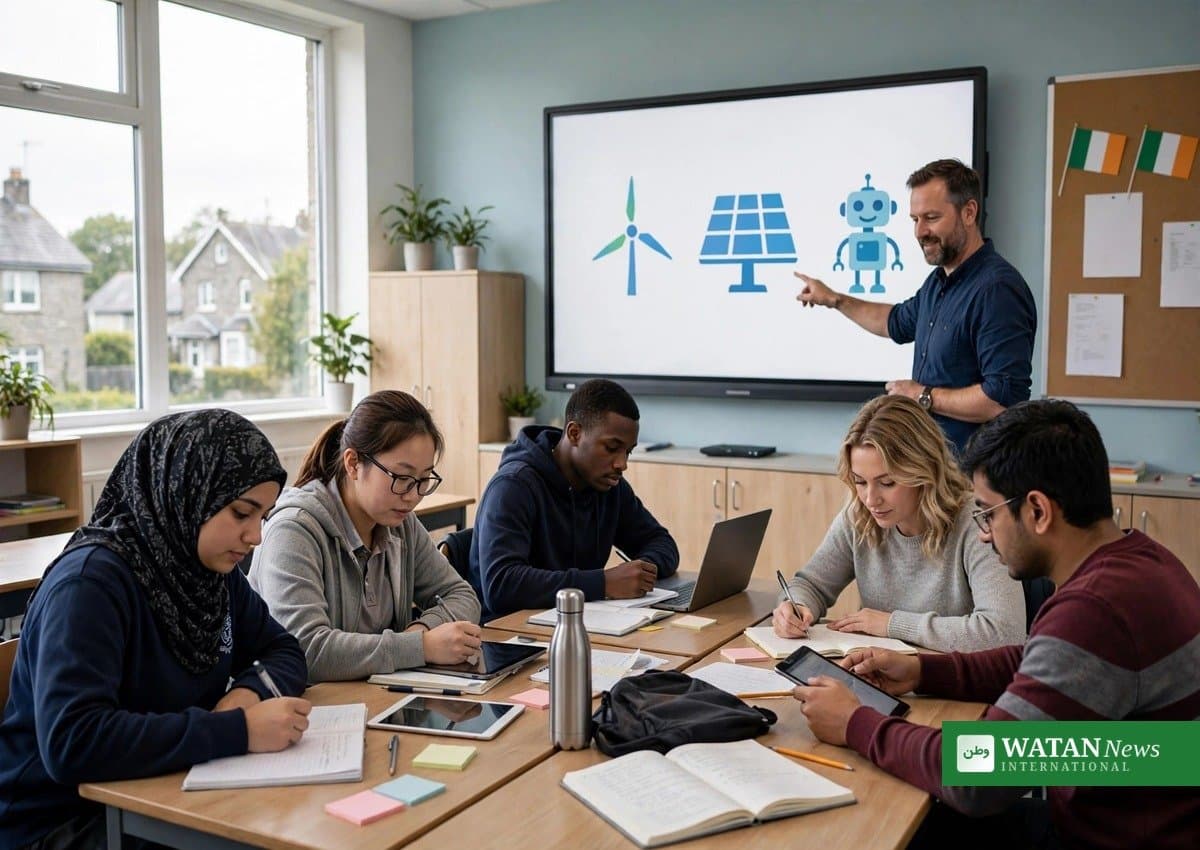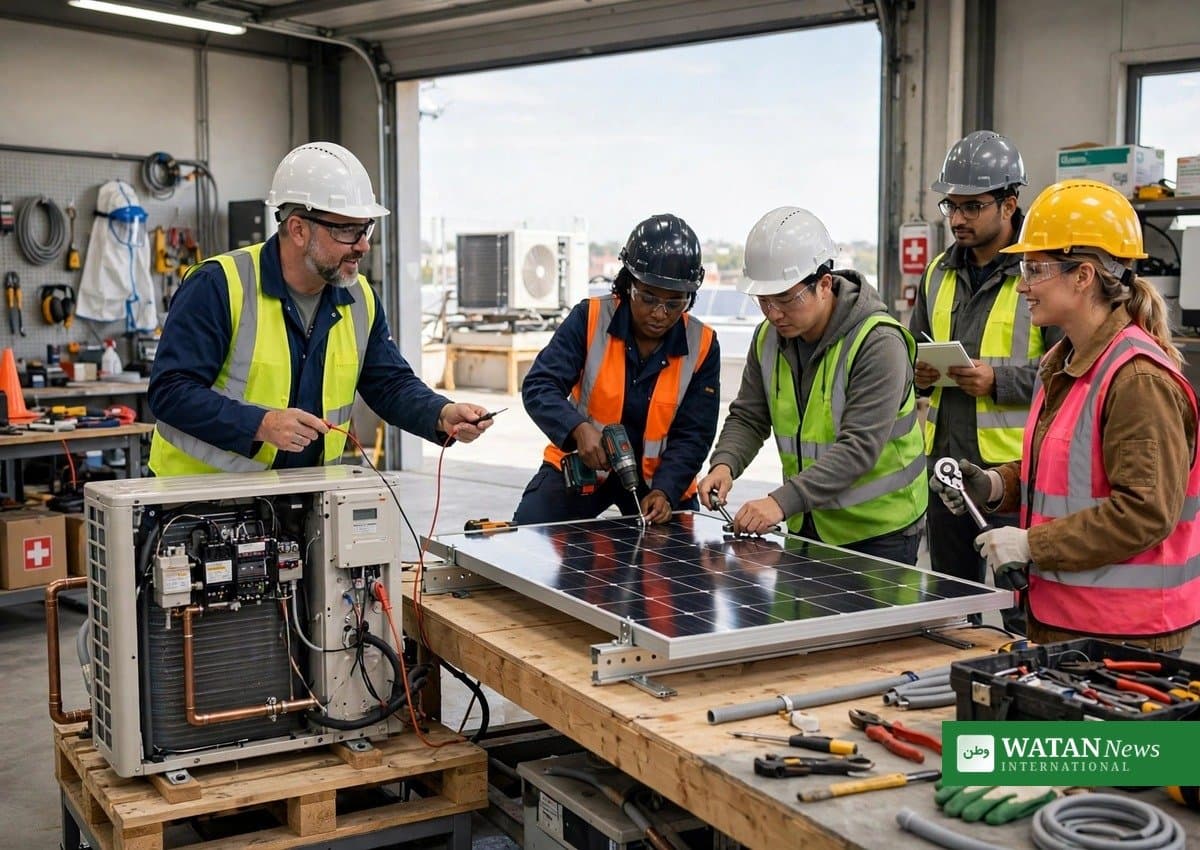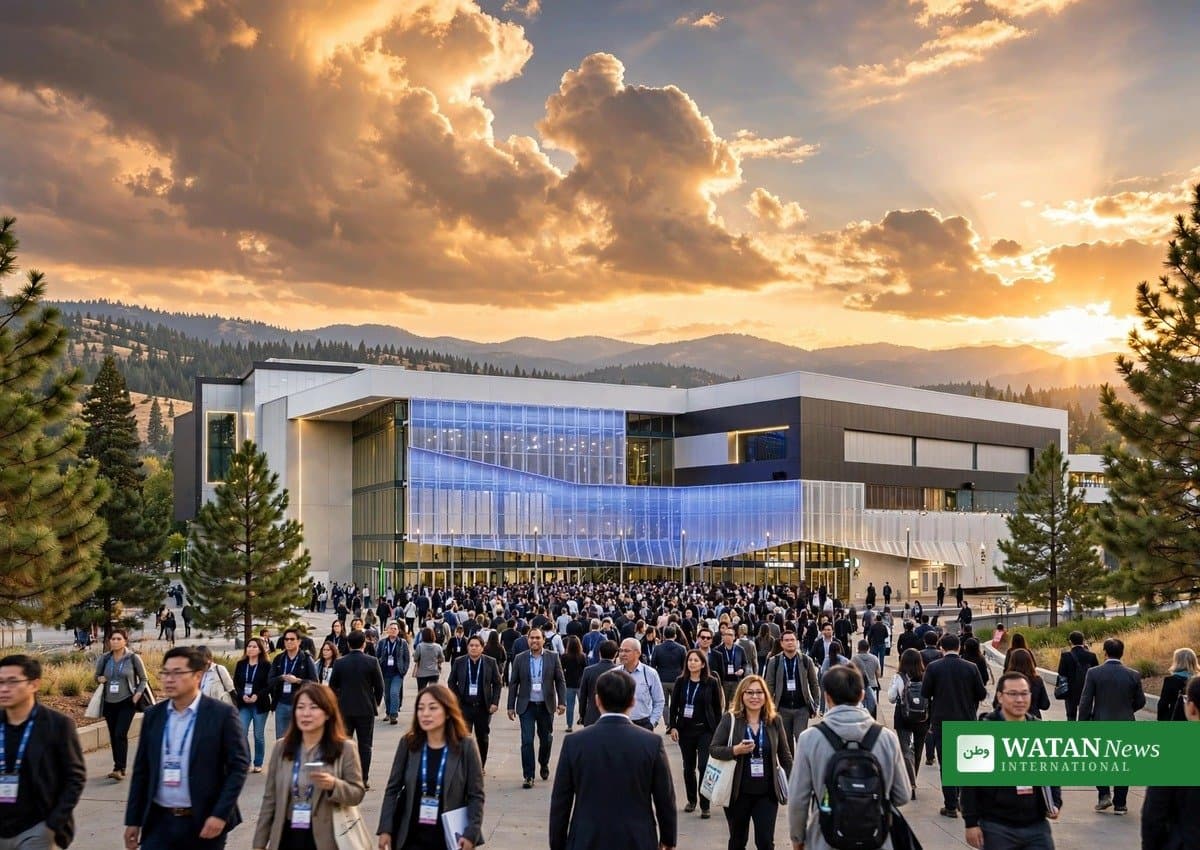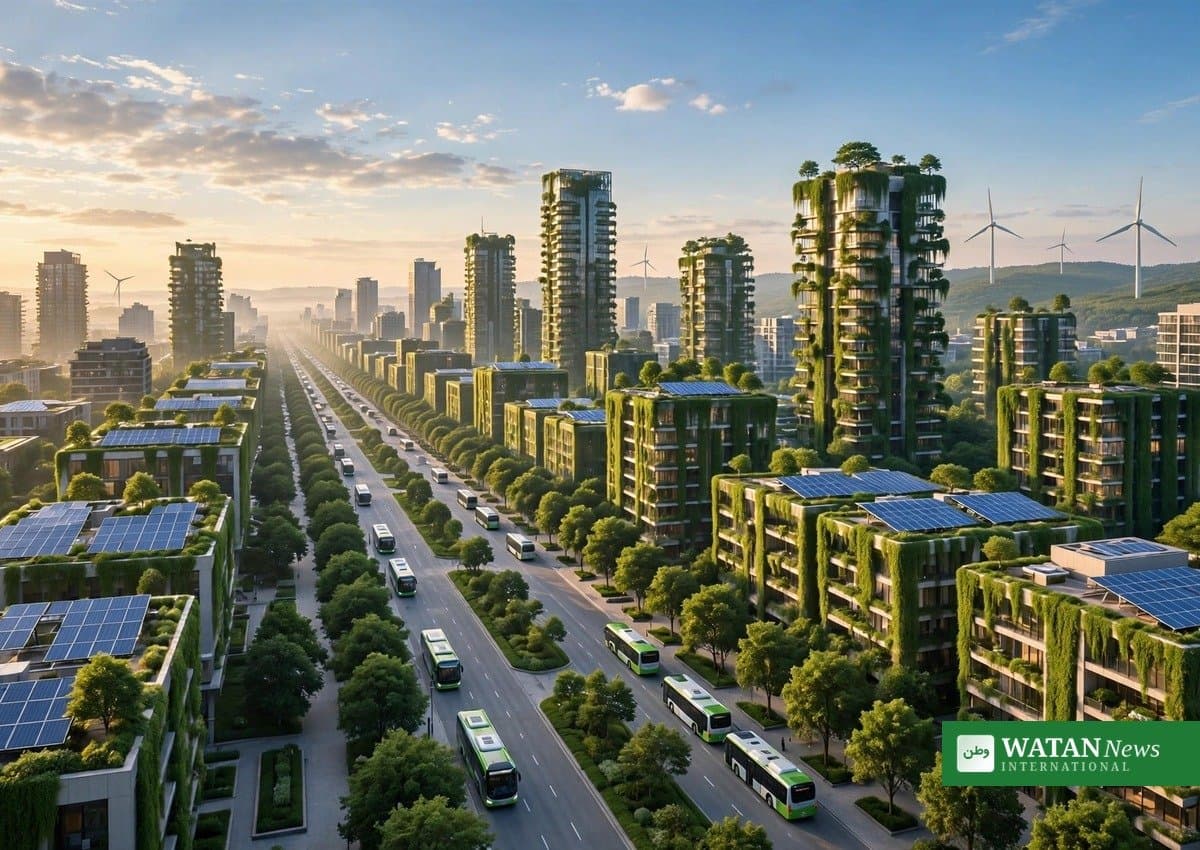
This week, climate action is being built not in negotiation halls but in city halls, university rooms and community centres. From 12 to 18 October 2026, cities around the world are joining Global Climathon Days — a coordinated wave of citizen ideathons where ordinary residents co-create solutions to their own city’s climate challenges. And in Europe, the European City Facility is opening a fresh round of funding this October to turn municipal climate plans into real, financed projects.
Together, the two developments tell the same story: the next chapter of climate action is being written at the local level, where people live — and where emissions, heat, flooding and waste are felt first.
What is Climathon?
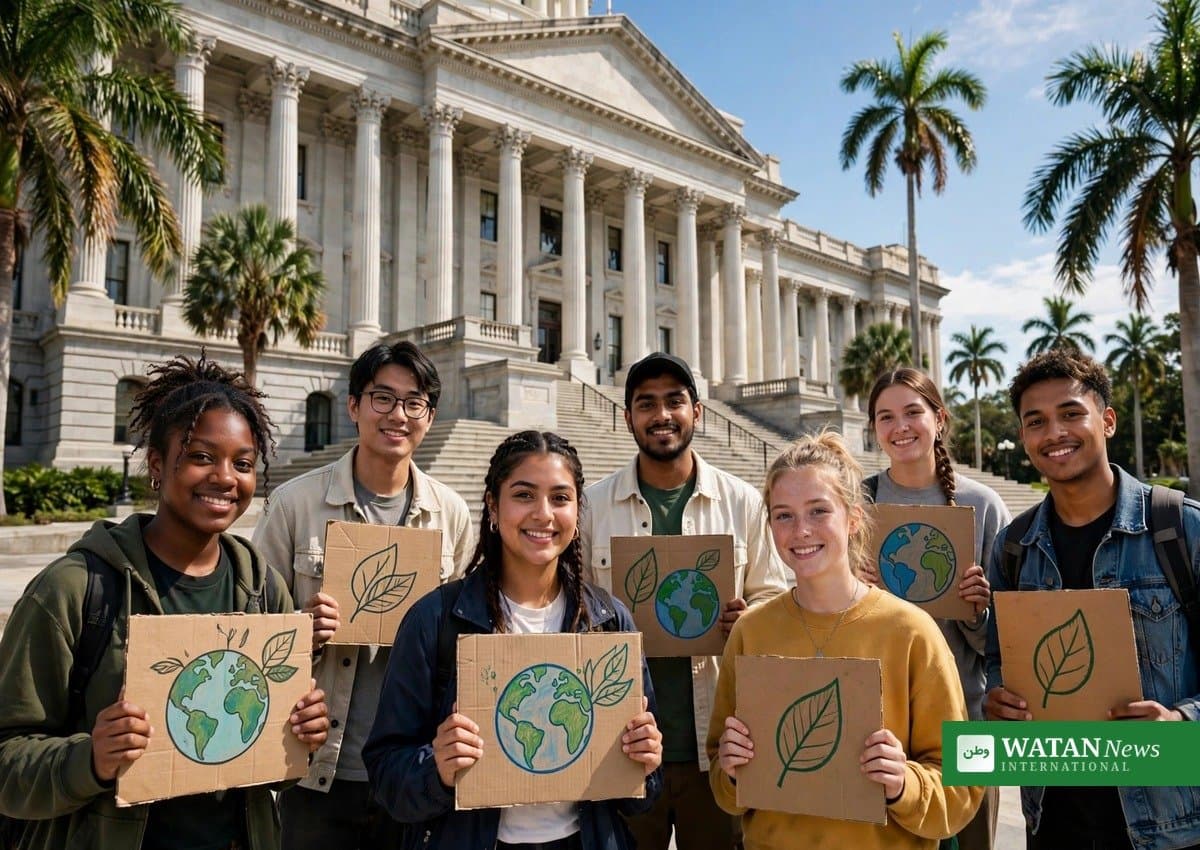
Climathon is a city-based climate action programme run by Climate KIC, Europe’s climate innovation agency. At its core is an ideathon: a 12 to 48-hour event in which citizens, students, entrepreneurs, city officials and experts work in teams to crack one of their city’s most pressing climate challenges.
Anyone can join, and anyone can organise. Local organisers — small businesses, incubators, accelerators, universities, city councils, NGOs and research institutions — lead the events on the ground, while Climate KIC supports them with a playbook, training webinars, brand materials and a global organiser network.
The challenges are concrete, not abstract: in past city editions, participants have tackled questions such as how to help residents cope with extreme heat, how to cut air pollution from transport, how to save water during droughts, and how to make land-based travel an attractive alternative to flying.
A global week, locally owned
This year’s Global Climathon Days run from 12 to 18 October 2026. Organisers across continents are encouraged to host their events inside that window so that results can be shared and amplified as one global movement — hundreds of local climate experiments feeding into a single worldwide conversation.
The format is deliberately doubled up this year: a second edition of Global Climathon Days is already announced for March 2027, giving cities that missed October another chance to join.
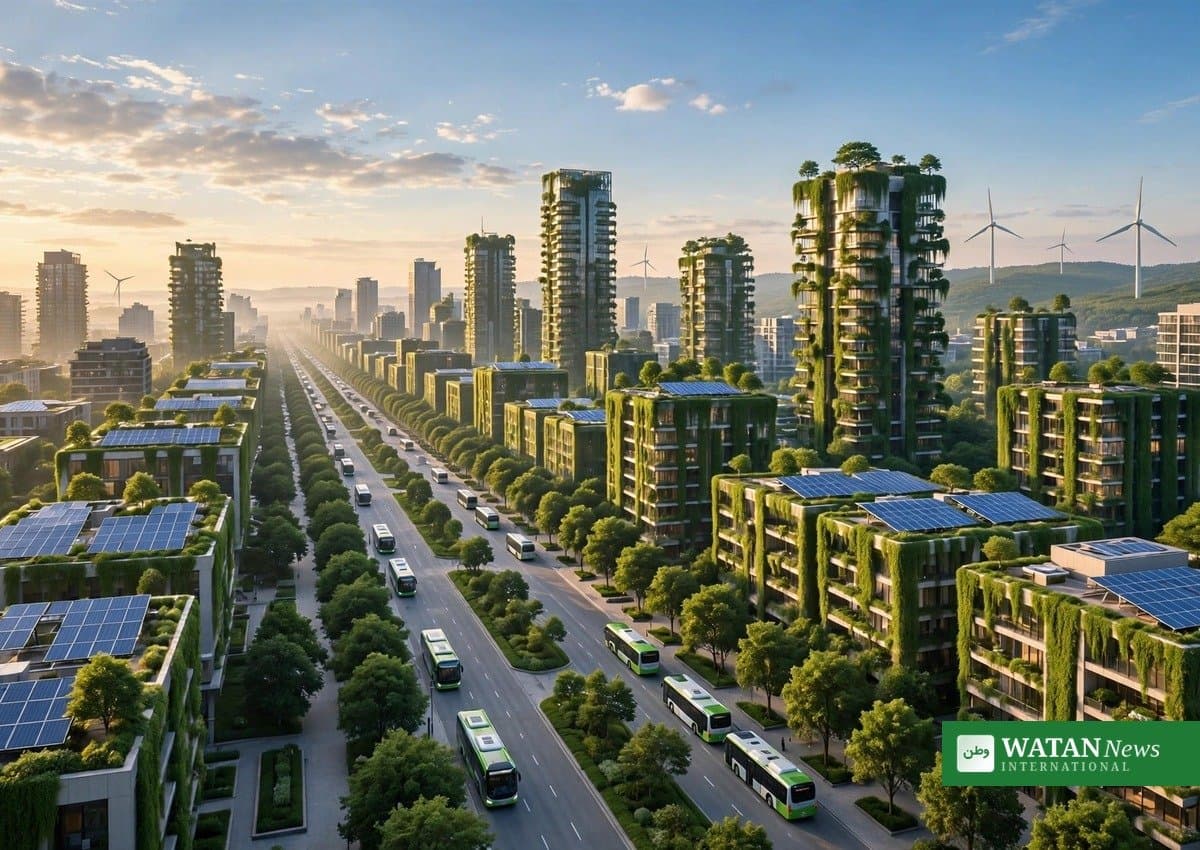
The movement’s logic is simple. The United Nations projects that more than two-thirds of the world’s population will live in cities by 2050, and cities must become carbon neutral. Citizens who design solutions for their own streets — their own heat, their own traffic, their own waste — are far more likely to see those ideas implemented than solutions designed from afar.
The EU puts money behind city climate plans
Ideas alone are not enough; they need financing. That is where the European City Facility (EUCF) comes in. This October the facility is opening a new series of calls that will mobilise €11.1 million to help 185 local authorities turn their energy and climate plans into viable investment projects, according to the European Commission’s BUILD UP portal.
Each successful applicant receives €60,000 plus technical assistance to develop an investment concept — the detailed business case a city needs before banks or investors will fund a project. The new calls also cover local heating and cooling plans, and eligibility is being extended to authorities in Montenegro, Moldova and North Macedonia.
The track record is encouraging. More than 400 local authorities have already been supported through earlier rounds; the first 330 completed investment concepts represent around €32 billion in planned investment, of which €1.8 billion has already been secured. Two further calls are provisionally planned for April and October 2027.
FAKTA
- Global Climathon Days 2026: 12–18 October 2026, citizen ideathons in cities worldwide, run by Climate KIC.
- Format: 12–48-hour events where teams co-create solutions to local climate challenges; organised by cities, universities, NGOs and businesses.
- Next edition: Global Climathon Days return in March 2027 (dates to be confirmed).
- EU City Facility: €11.1 million for 185 local authorities; €60,000 plus technical assistance per project; first call opens October 2026.
- Track record: over 400 local authorities previously supported; €32 billion in planned investment from completed concepts.
Why city-level action matters now
National climate pledges set the direction, but cities deliver most of the actual emission cuts — through buildings, transport, waste and energy systems they control. Programmes like Climathon generate the ideas and the civic pressure; facilities like the EUCF provide the money and the expertise to build them.
For citizens, the message of this October is direct: you do not need to wait for a summit to act on the climate crisis. Find your city’s climate challenge, join a team, and build the solution yourself — and read more of our climate coverage on Watan News International.