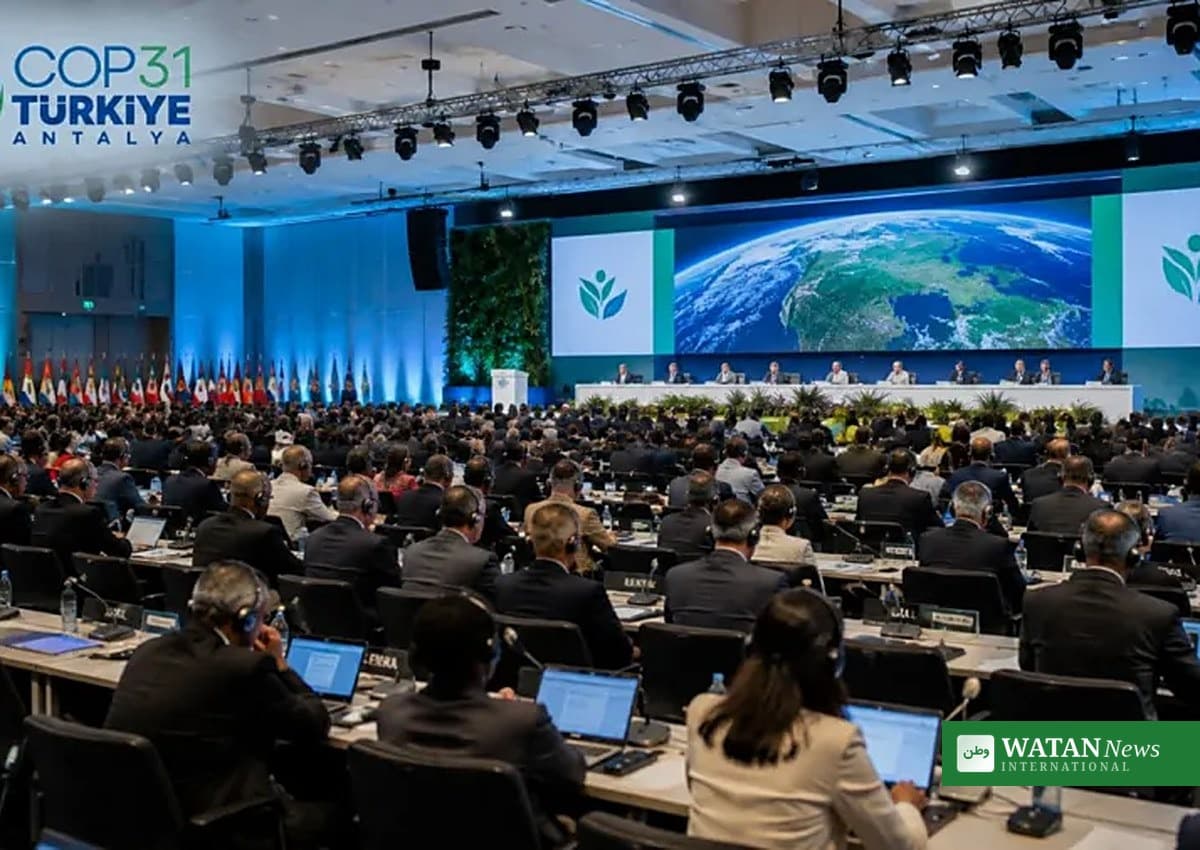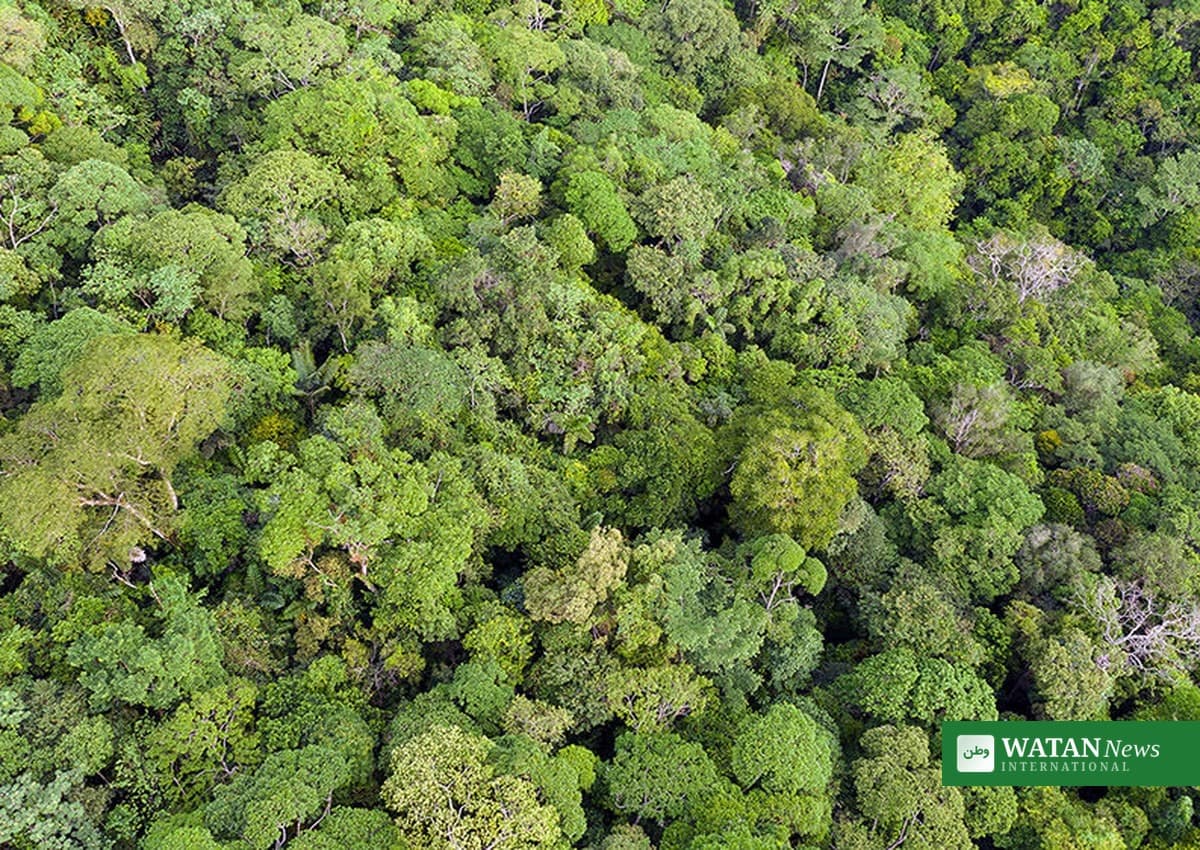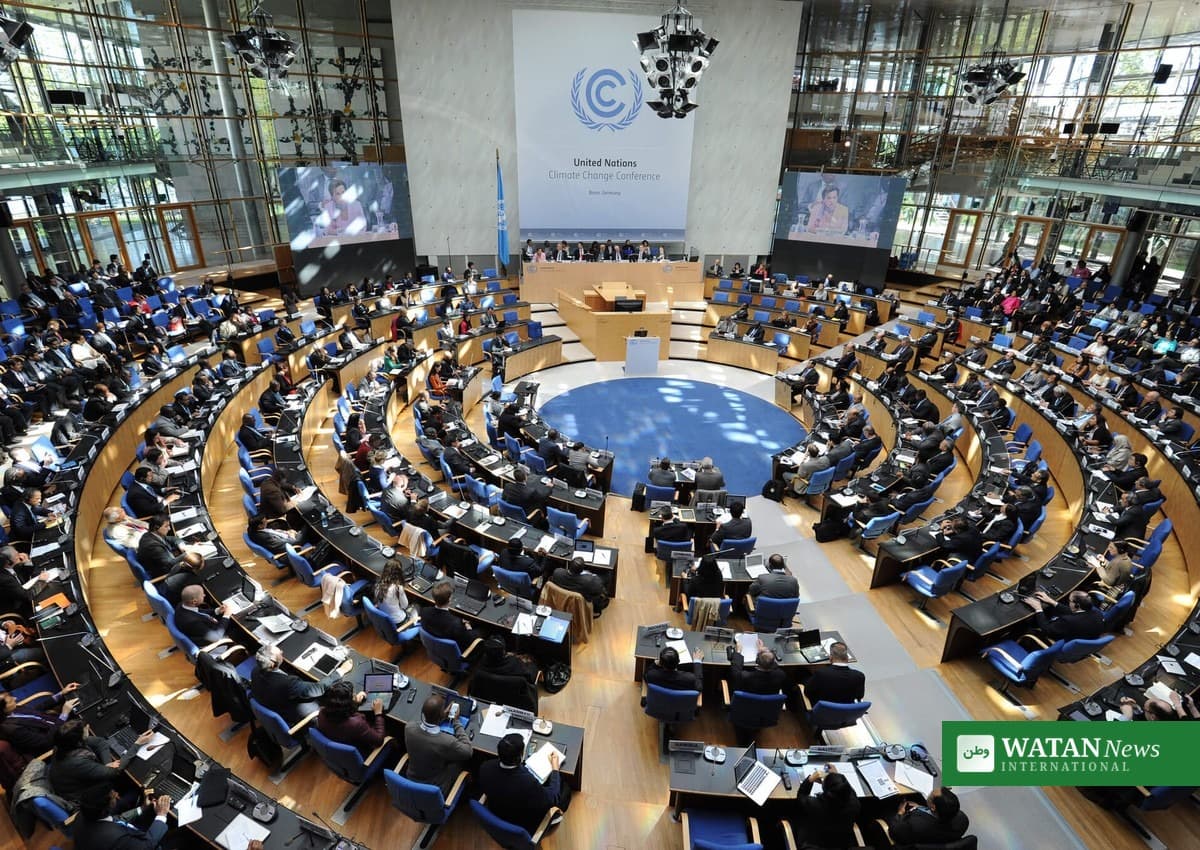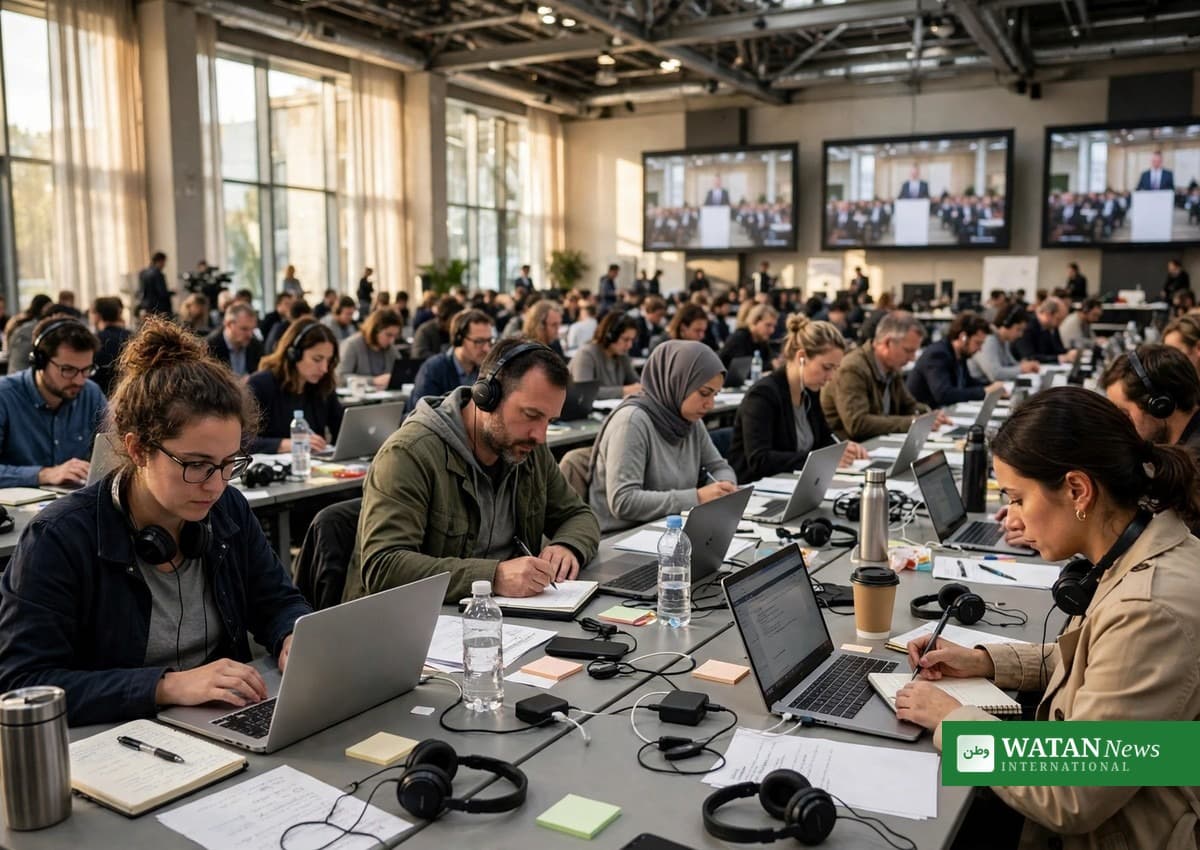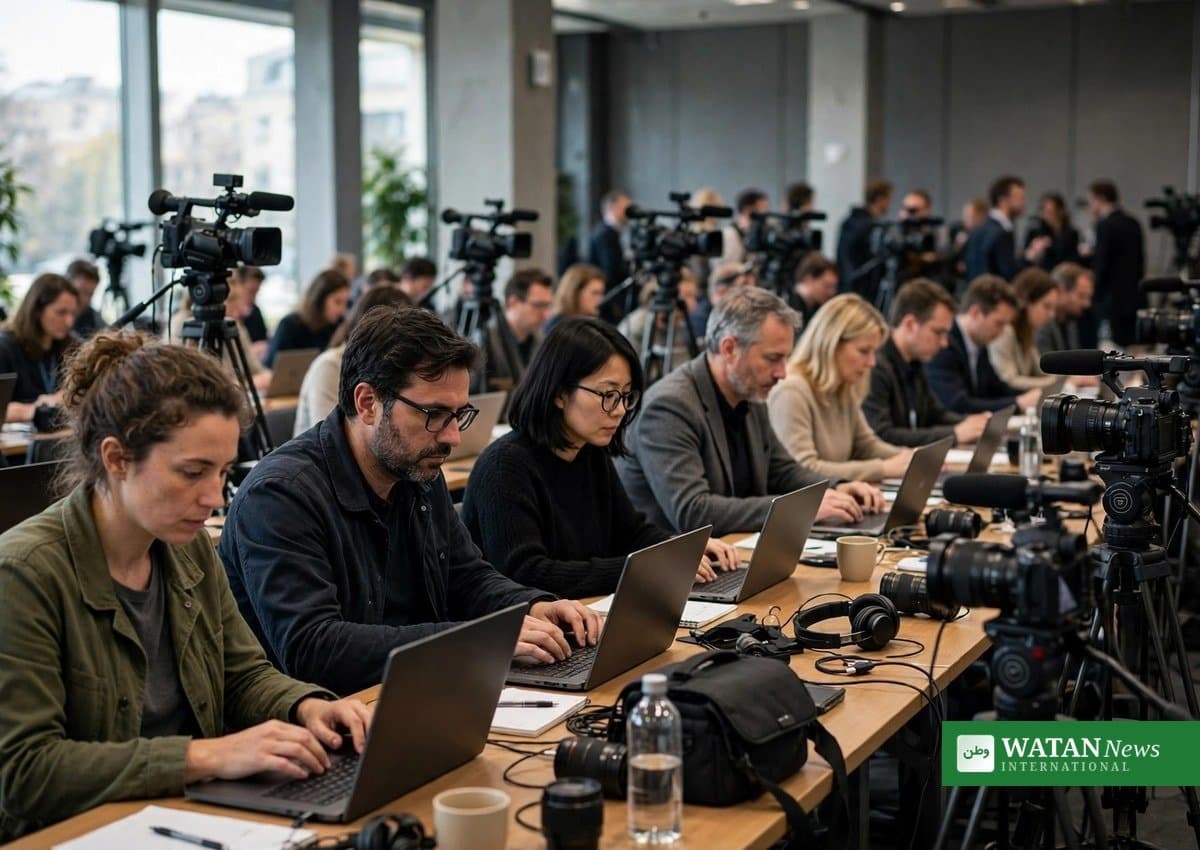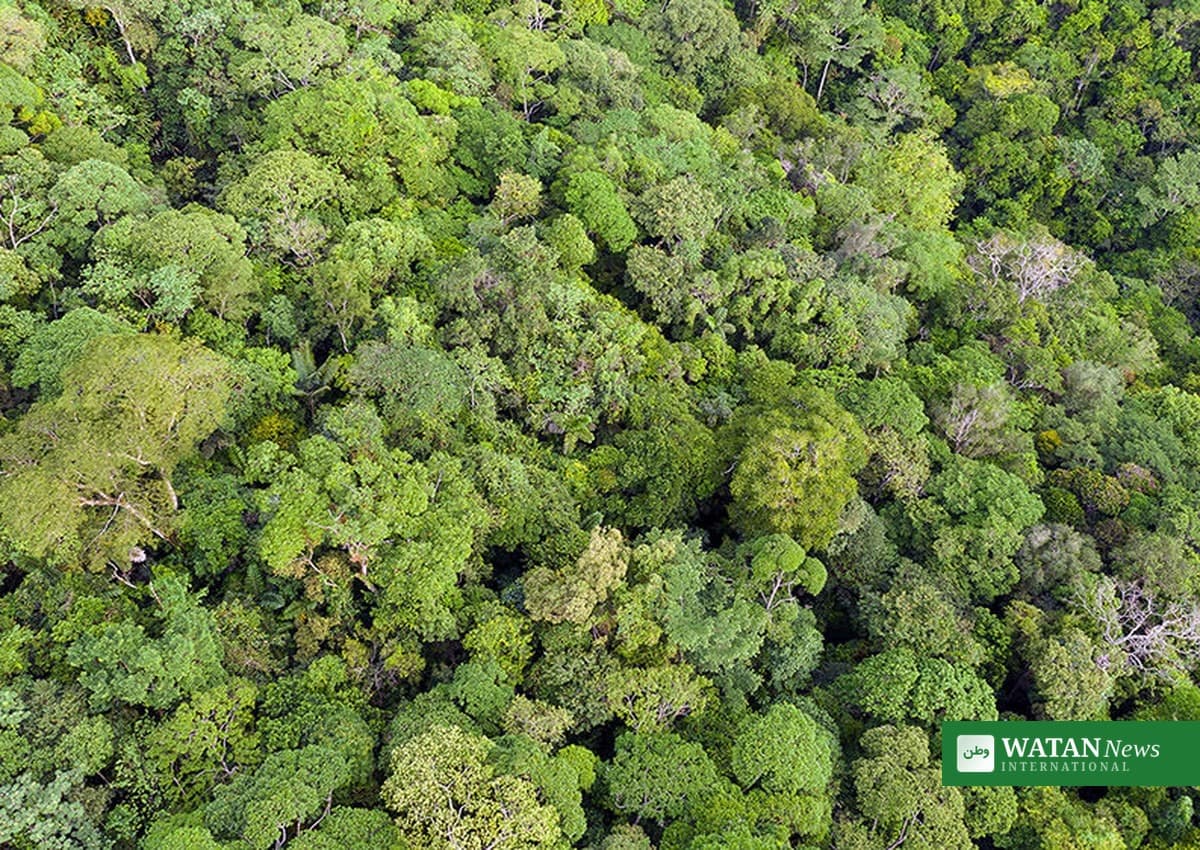
ANTALYA: The fund created to pay tropical countries to keep their forests standing is $2.2 billion short of the target it must reach by the end of this year — and COP31’s Nature Day on 17 November is now the week when that gap must start to close. The Tropical Forest Forever Facility has $7.8 billion in pledges against a $10 billion target, and Norway’s $3 billion pledge depends on the target being reached.
The Netherlands’ $500 million contribution, announced in late October at the UN biodiversity conference in Yerevan, is due to be formally presented at COP31, and further pledges — with Canada, Japan and South Korea named as possible next contributors — are expected in Antalya. But as of today, no new pledge has been announced at the summit itself, and critics warn the facility is running out of time.
The fund was launched at COP30 in Belém in November 2025 with more than $5.5 billion in announced commitments and the backing of 53 countries. Less than a year on, it has the political backing of 66 countries and the European Union — but only eight have actually pledged money.
What the forest fund does
The facility is designed to make standing tropical forests economically valuable by rewarding countries for conserving them. Instead of relying on annual donor grants, it pools public and private capital and invests it, using the returns to make predictable yearly payments to tropical forest countries based on the area of forest they protect, measured by satellite.
Under the scheme, eligible countries would receive up to about $4 a year for every hectare of standing forest. At least 20 per cent of the payments must go to Indigenous peoples and local communities, who protect many of the world’s most important forest ecosystems. Countries enter with a deforestation rate at or below 0.5 per cent, and payments are reduced where forest is lost.
The overall design is a $125 billion fund: $25 billion in sponsor capital from governments and philanthropies, used to issue up to $100 billion in bonds to private investors. The Tropical Forest Investment Fund, based in Luxembourg and hosted by the World Bank as trustee, will manage the investments. The facility’s charter has been approved and its board established, co-chaired by Brazil and Norway, with a representative of Indigenous peoples and local communities as an observer. It is expected to become fully operational within three years, with the first conservation payments not anticipated before 2028.
So far the sovereign contributors are Norway with $3 billion, Germany with €1 billion, Brazil and Indonesia with $1 billion each, France with €500 million, Luxembourg with €50 million plus a long-term annual contribution, the United Kingdom with a £400 million loan, and the Netherlands with up to $500 million over ten years. Philanthropic supporters include the Minderoo Foundation with $10 million and The Nature Conservancy with $5 million.
The countdown to Nature Day
17 November is COP31’s thematic day for “Ocean, Seas, Nature and Land Use — Rio Synergy”, the day when forests, oceans and land use take centre stage in Antalya. Türkiye’s presidency has made the synergies between the climate, biodiversity and desertification conventions — the three Rio conventions — one of its ten priority themes, and in 2025 Türkiye introduced a Rio Synergies Protocol setting up a joint working group and an annual action plan for the three conventions’ national focal points.
The day’s forest programme includes “Confronting the Global Forest Emergency”, a side event at the German Pavilion from 10:30 to 11:30, organised by Caritas Germany and Plant-for-the-Planet. The keynote will be given by Rita Schwarzelühr-Sutter, Parliamentary State Secretary in Germany’s Environment Ministry, and the panel brings together Indigenous leaders and community representatives from Brazil, the Democratic Republic of the Congo and Ethiopia to discuss locally led forest protection and how international finance can reach the communities doing the work.
At the Liberia Pavilion, two sessions will look at West Africa: “Nature, Forests and Climate: Restoration, Biodiversity and Liberia’s Natural Capital” from 11:30 to 13:00, followed by “Advancing Nature-Based Solutions, Forest Carbon and Climate Finance Opportunities in West Africa” from 14:30 to 16:00, according to Fauna & Flora’s COP31 programme listing. At the Indonesia Pavilion, the Carbonnex Ulu Masen Forest Landscape project in Aceh will be presented from 10:30 to 13:30.
The roadmaps: deforestation must fall, finance must rise
Nature Day also carries the follow-through from a development just before COP31. On 3 November, Brazil’s COP30 presidency published voluntary roadmaps on deforestation and fossil fuels, launched in Brasília. The deforestation roadmap aims to halt and reverse deforestation and forest degradation by 2030 — the goal 145 governments pledged at COP26 in Glasgow. Around 93 countries backed the deforestation pathway call.
The roadmap puts the finance challenge in stark terms. Citing UN Environment Programme figures, it says funding for forests must rise from $84.5 billion in 2023 to more than $300 billion a year by 2030, and to around $500 billion a year by 2050 — a gap of more than $200 billion a year by the end of this decade. The roadmaps are voluntary and non-binding, not negotiated outcomes, but they set the benchmark against which COP31’s forest discussions will be judged.
The scale of what is at stake is clear from the latest figures: 6.7 million hectares of primary tropical forest were lost in 2024 alone. In his opening address to COP31, UN Climate Change chief Simon Stiell said deforestation fell by nearly 14 per cent in 2025 — a figure he presented as evidence that progress is possible, though the underlying data has not yet been independently confirmed.
What Antalya must deliver
The first test is the Dutch pledge. The Netherlands announced its contribution of up to $500 million on 26 October at the biodiversity conference in Yerevan, and the official COP30 website says it will be formally presented at COP31. Brazil’s Environment Minister, João Paulo Capobianco, said each new country that joins “brings us closer to a historic paradigm shift: making it more advantageous to conserve forests than to destroy them”.
The second test is whether more countries follow. Sources cited by Dialogue Earth say South Korea, Canada and Japan could be next, and the Brazilian team leading the fund’s negotiations has said more announcements are expected during COP31. With Norway’s $3 billion conditional on the $10 billion target, every new pledge matters twice over — it closes the gap and protects the largest single commitment.
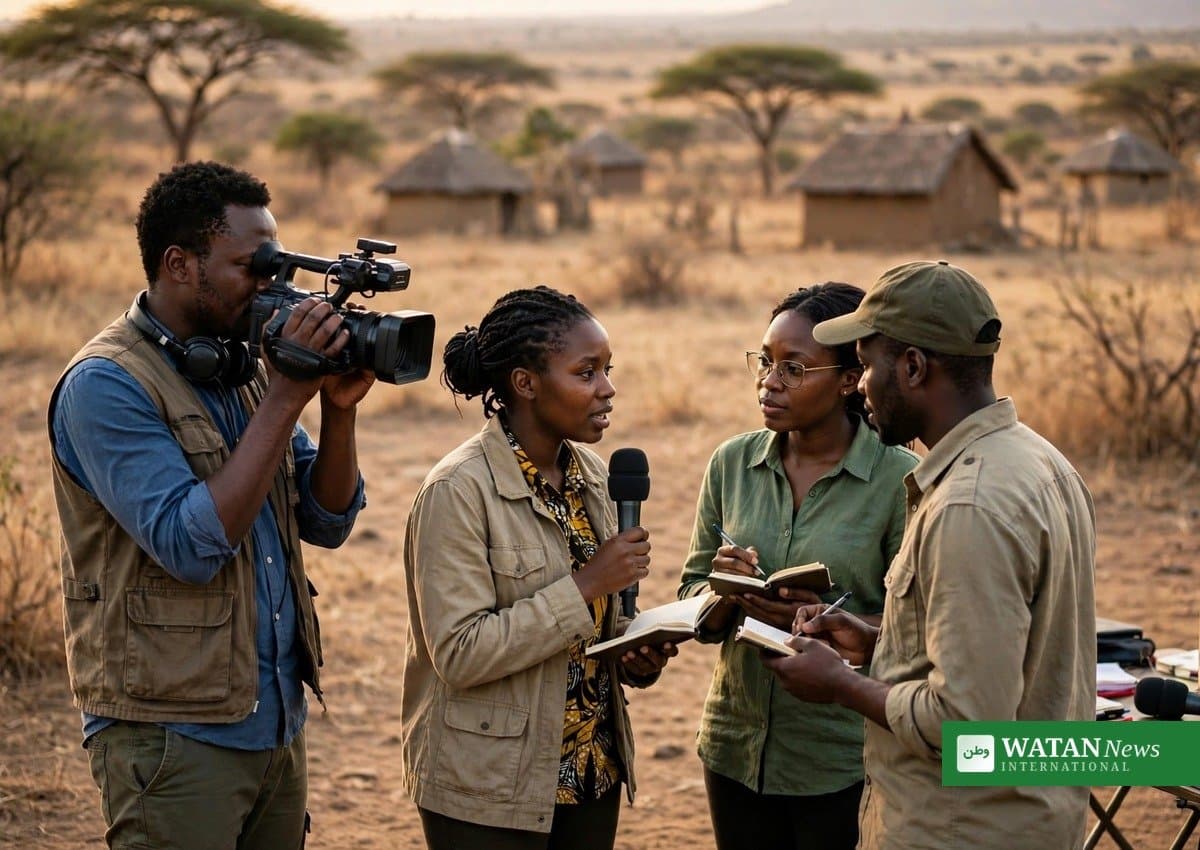
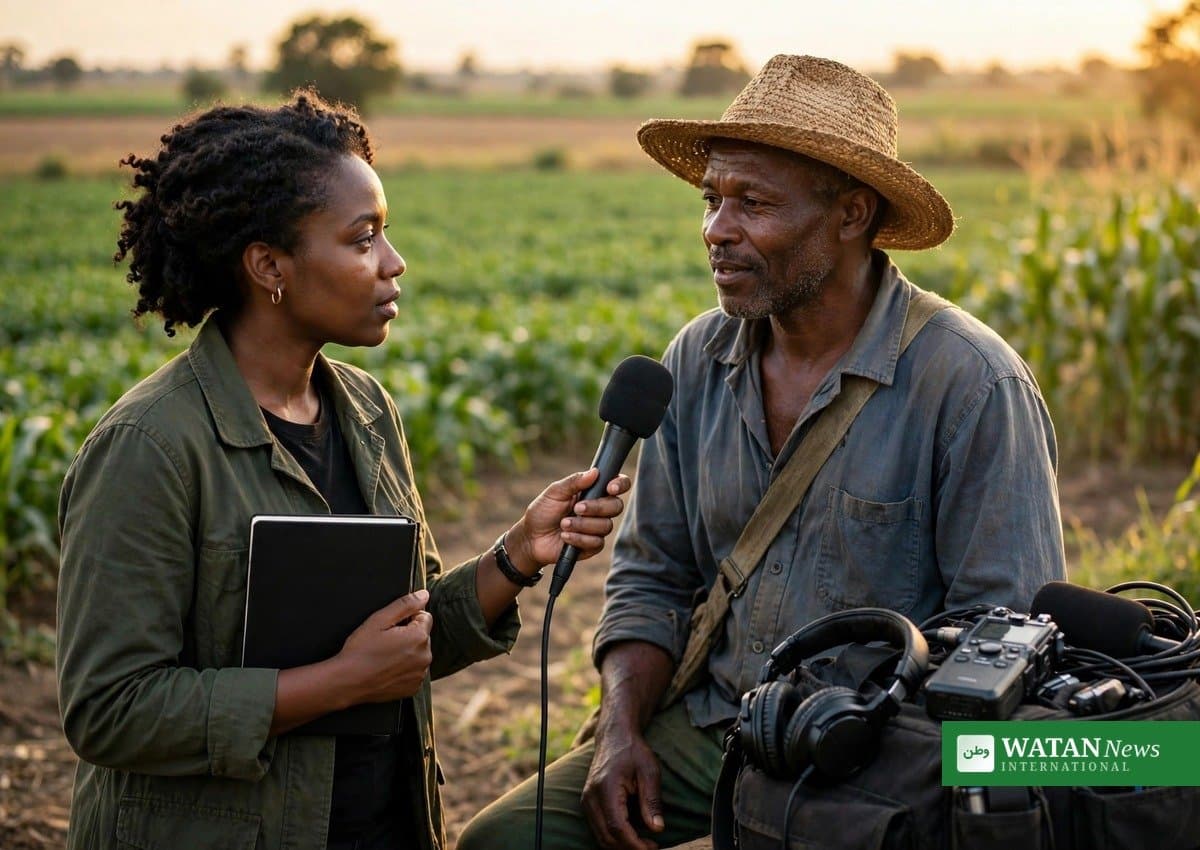
There is also criticism to answer. The Global Forest Coalition has described the facility as “on life support”, arguing that it left Belém with only $6.7 billion of sponsor capital against the $25 billion originally envisaged, and that COP31 is make or break for the scheme. It also reports doubt in Germany over whether the country’s €1 billion contribution will survive the 2027 budget. For forest communities, the question is not only how much money is pledged, but whether it reaches the people who guard the forests — which is why the 20 per cent guarantee for Indigenous peoples and local communities is central to the facility’s design.
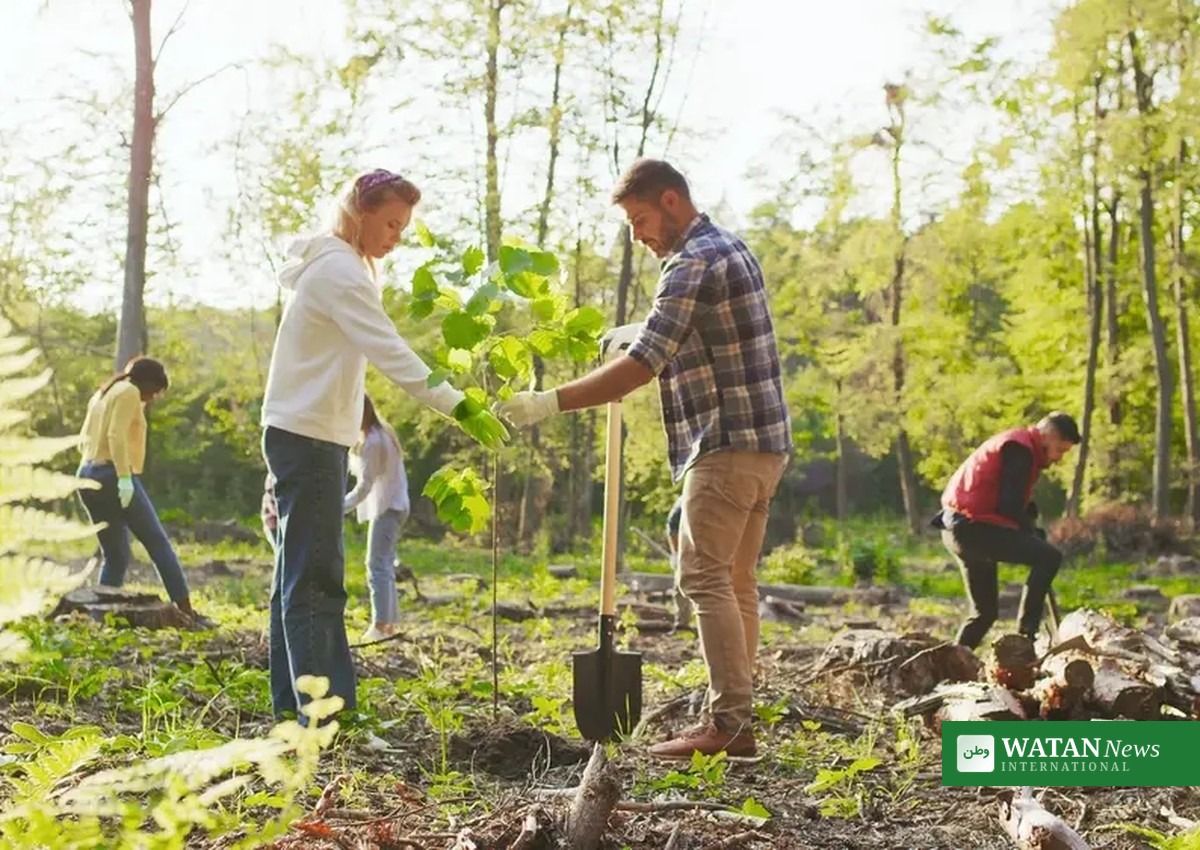
World leaders will gather in Antalya on 11 and 12 November for the Leaders Summit, and leaders will plant trees together in COP31’s Forest of Peace on 11 November, Türkiye’s National Forestation Day. But planting ceremonies alone will not close a $2.2 billion gap. Nature Day on 17 November is where the summit must show that forest finance is moving from pledges to payments.
Key facts
- The Tropical Forest Forever Facility has $7.8 billion in pledges against a $10 billion target to be reached by the end of 2026 — a gap of $2.2 billion.
- Norway’s $3 billion pledge is conditional on the $10 billion target being reached.
- The fund would pay up to about $4 a year per hectare of standing tropical forest, with at least 20 per cent going to Indigenous peoples and local communities.
- 17 November is COP31’s Nature Day — “Ocean, Seas, Nature and Land Use — Rio Synergy”.
- Brazil’s voluntary deforestation roadmap, published 3 November, aims to halt and reverse deforestation by 2030; forest finance must rise from $84.5 billion (2023) to more than $300 billion a year by 2030.
- 6.7 million hectares of primary tropical forest were lost in 2024.