COP31 in Antalya has put climate education and public awareness at the centre of the climate talks, with a new Antalya Protocol for Action that aims to bring climate change into school curricula by 2030 and build strong climate awareness across society by 2035.
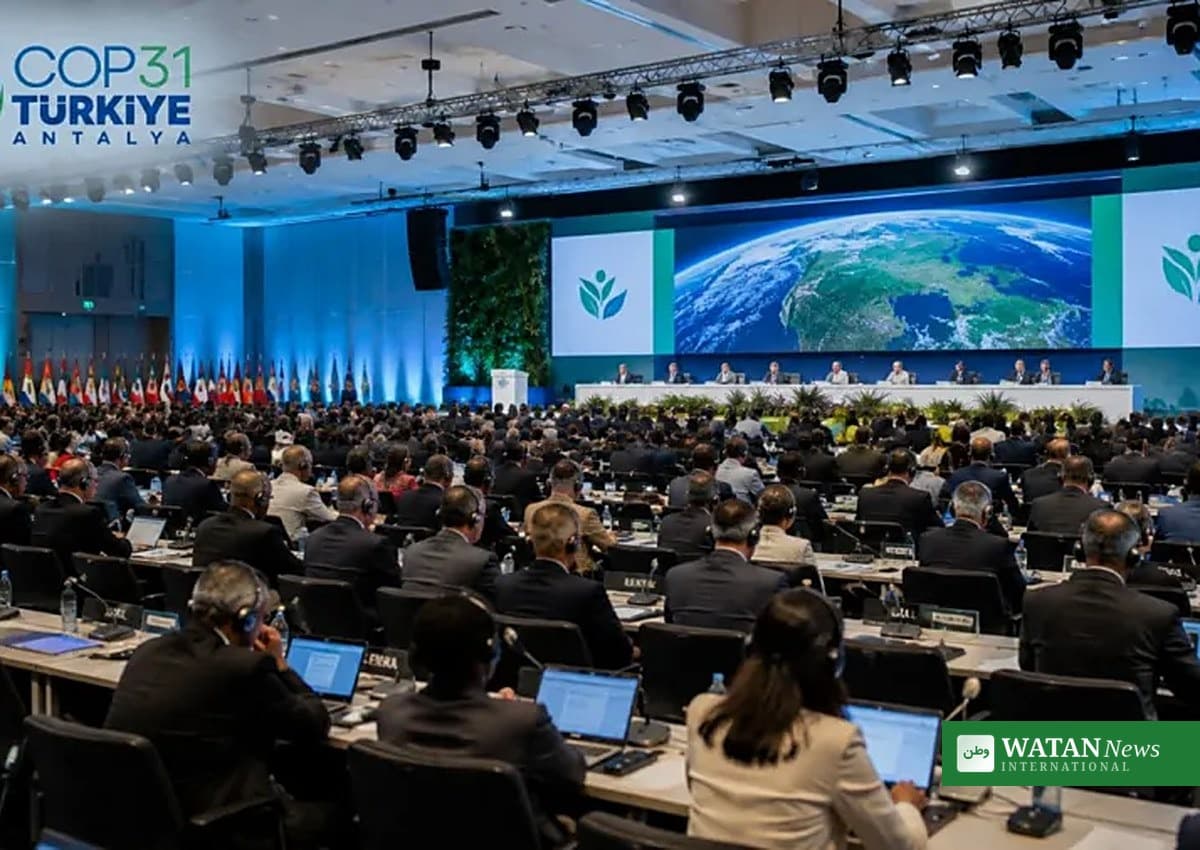
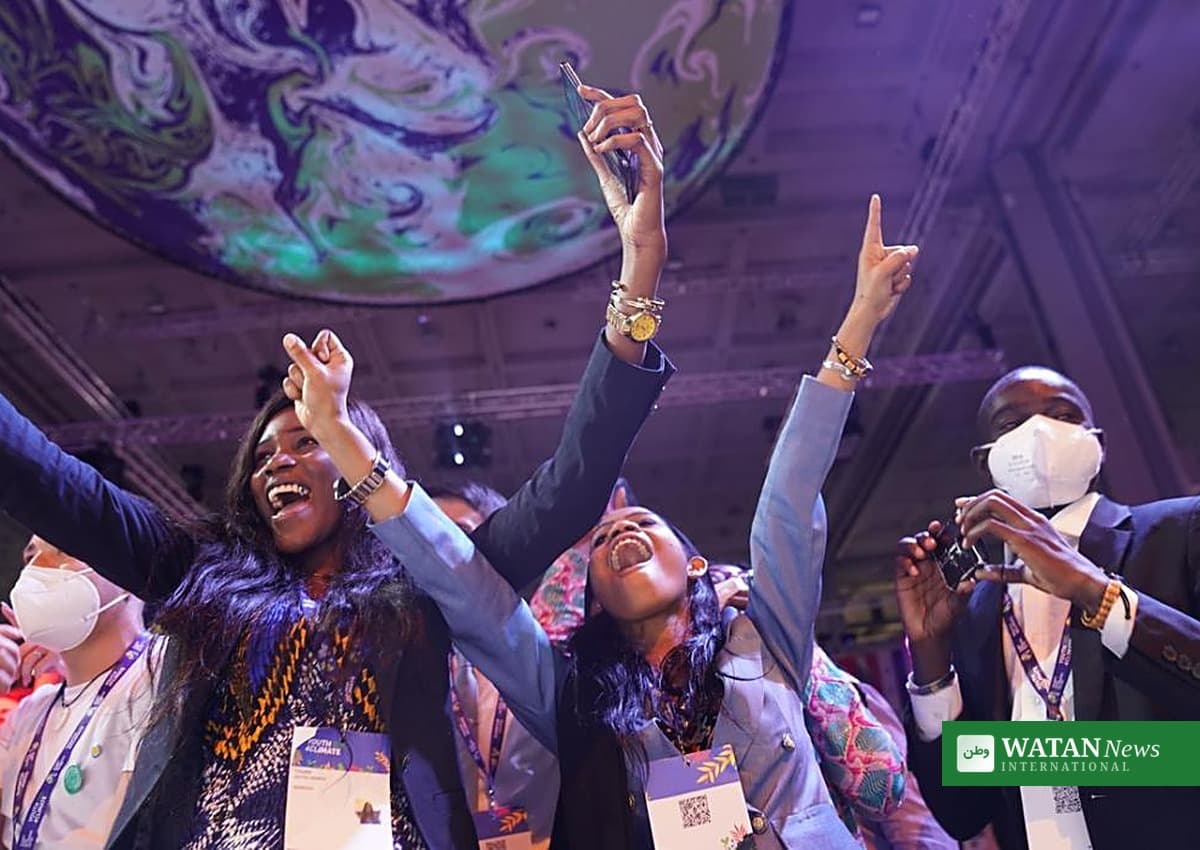
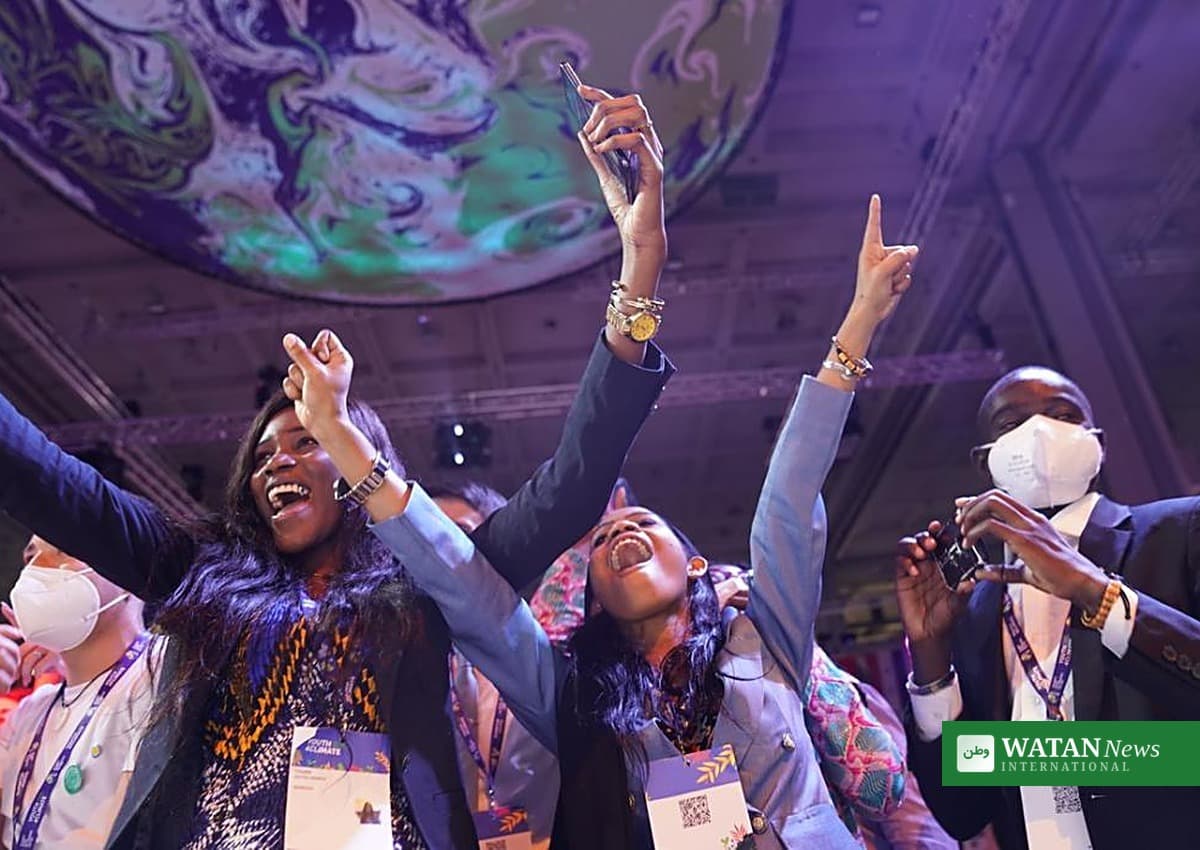
The push comes as the conference, which runs from 9 to 20 November 2026 and brings together nearly 200 countries, turns its attention to the people who will live longest with climate change: the world’s 1.8 billion young people aged 10 to 24.
Education has long been one of the quietest parts of the climate negotiations. At COP31, the Presidency, UNESCO and youth organisations are trying to change that — arguing that no climate plan can work if the public does not understand it and the next generation is not trained to carry it out.
The Antalya Protocol for Action
The centrepiece is the Antalya Protocol for Action, hosted by the COP31 Presidency together with UNESCO’s Greening Education Partnership. It brings governments, educators, young people and partners together around a shared agenda to turn education commitments into practical action in countries.
The Protocol focuses on three priorities. The first is teacher leadership: supporting quality climate-related training for teachers before they enter the classroom and throughout their careers. The second is meaningful youth participation, giving children and young people stronger ways to contribute to policy, implementation and advocacy. The third is monitoring and evidence, so countries can track progress, learn from one another and be held accountable for greening education.
COP31 will also launch new tools to support the work: a Greening Education Partnership working group on monitoring, evaluation and evidence, a new youth working group, and the development of global guidance to help countries build climate change and sustainability into teacher training.
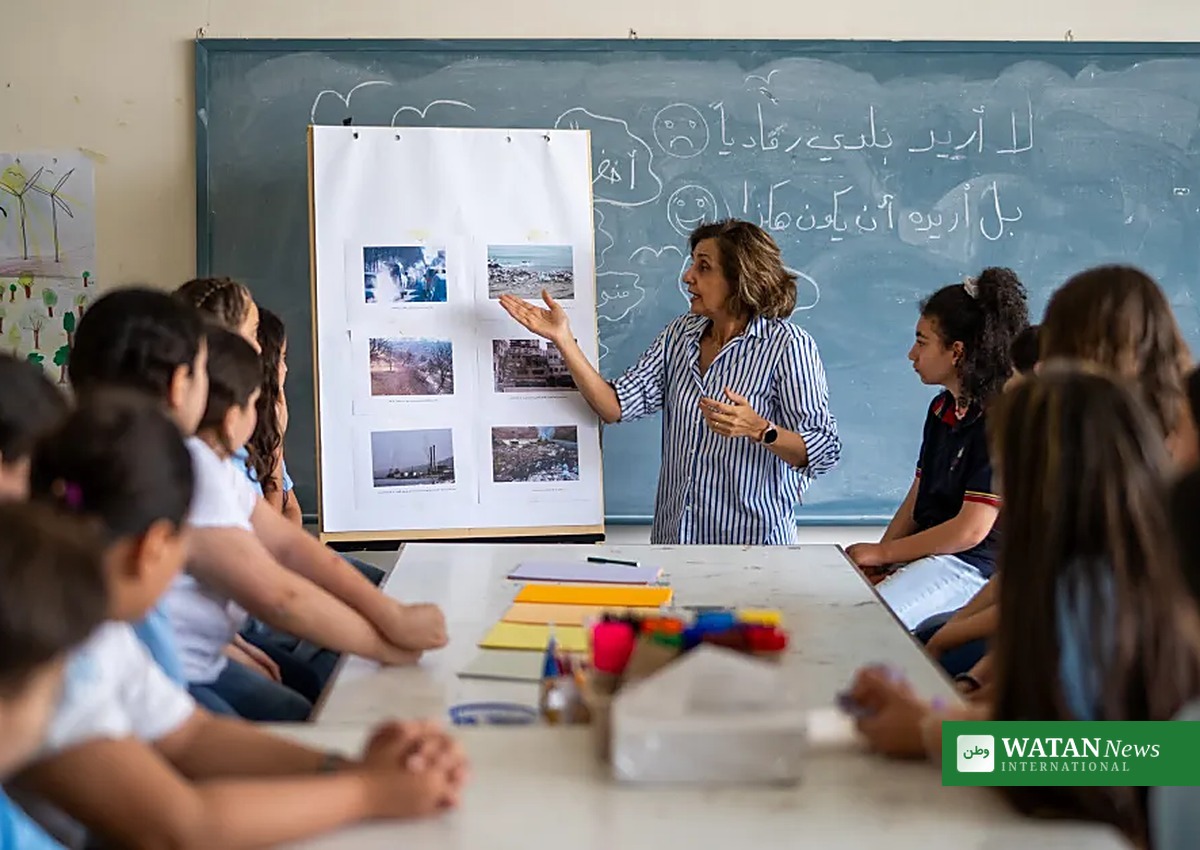
Targets for 2030 and 2035
The COP31 Presidency has set two clear targets in its Youth and Education action agenda: to integrate climate change into education curricula by 2030, and to build strong climate awareness across society by 2035.
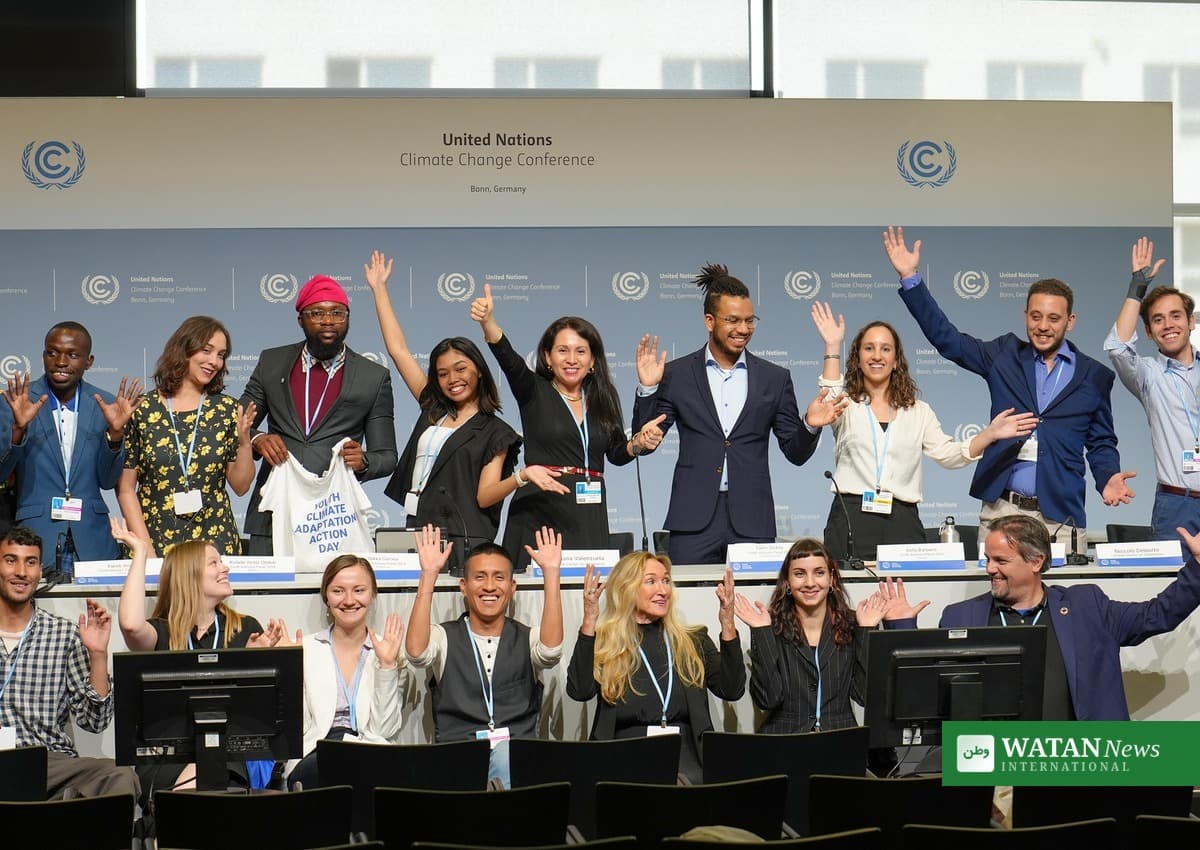
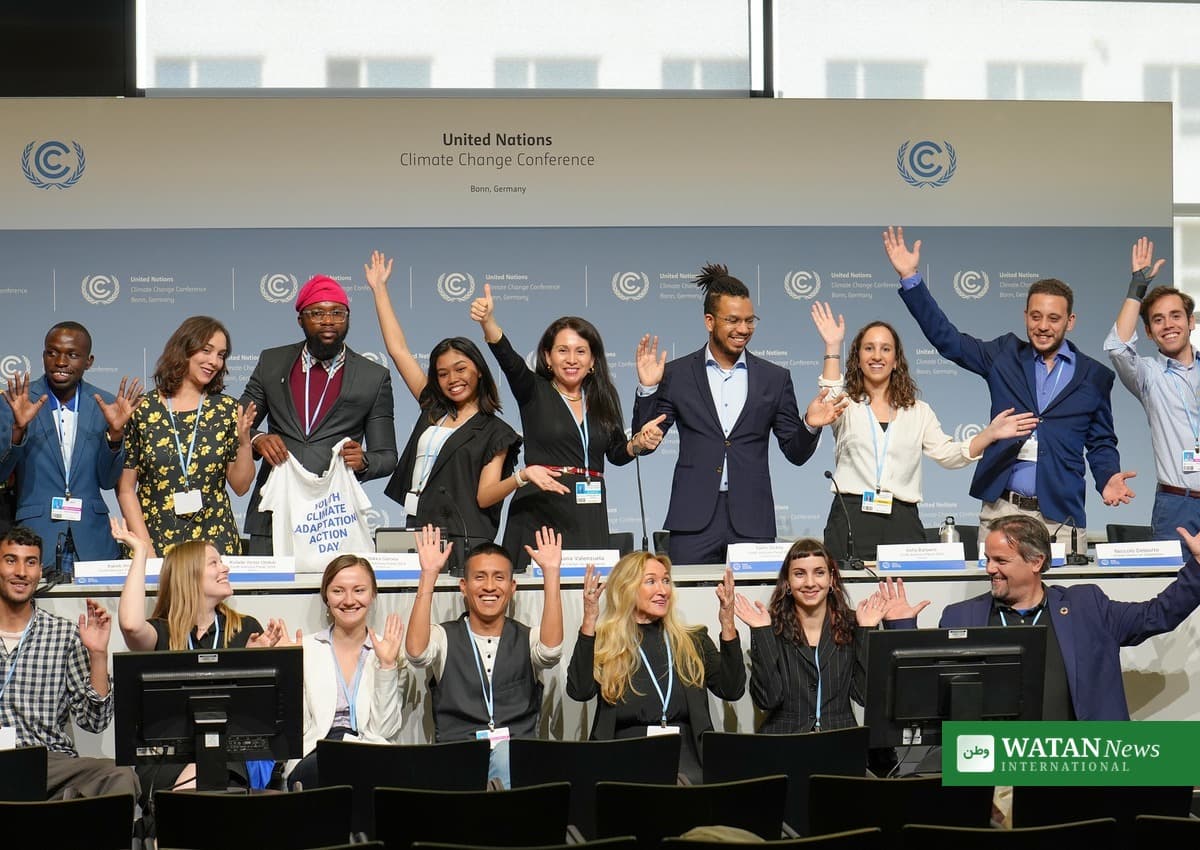
Its message is that young people should be treated as architects of climate solutions, not only as inheritors of climate risks. The agenda also promises structured channels for young delegates to reach decision-making, support for national and international education frameworks that strengthen climate literacy, and capacity programmes that give young people the skills the green economy demands.
A high-level dialogue on children, youth and climate resilience in Antalya is part of the same agenda, bringing youth leaders together with decision-makers.
Why the gap matters
The urgency is backed by stark figures. A UNESCO review of national education policies and curricula in 2021 found that over half of them made no mention of climate change at all. More recent estimates from the Office for Climate Education suggest that only 3 to 7 per cent of young people in the 30 countries it works in receive good climate education.
That gap is why the Protocol’s first Global State of Greening Education Report, planned for 2030, matters: it will bring together international evidence, including the results of the PISA 2029 climate literacy assessment and progress reported through the Greening Education Partnership’s Global Tracker.
Action for Climate Empowerment at COP31
Education and awareness are not a side theme at COP31 — they are part of the formal negotiations. Action for Climate Empowerment, known as ACE, covers the work under Article 6 of the UN climate convention and Article 12 of the Paris Agreement. Its six elements are education, training, public awareness, public participation, public access to information and international cooperation.
Countries adopted a ten-year Glasgow work programme on ACE at COP26. At COP31, the Subsidiary Body for Implementation is meeting in Antalya from 9 to 14 November 2026, with ACE as item 16 on its agenda, considering the secretariat’s fifth annual summary report on progress under the work programme between August 2025 and July 2026.
Young negotiators and classrooms
The education push is already visible in Antalya. The British Council’s Climate Youth Negotiator Programme has trained 263 young people from 79 countries, with its Youth Negotiators Academy running alongside the Conference of Youth, COY21, from 5 to 7 November. Its Schools Across the Ocean project has partnered 25 schools in the United Kingdom with 25 schools across Türkiye, Uzbekistan and Kazakhstan, connecting classrooms to work together on creative responses to the climate crisis.
Türkiye’s Ministry of National Education announced on 9 October that it would take its education and youth work to COP31, with a focus on climate literacy, green skills and schools that can withstand a changing climate.
Today, 10 November, the programme continues with sessions including Peace Boat’s Youth for the SDGs workshop on ocean literacy and climate leadership at the Moana Blue Pacific Pavilion, featuring young people from small island developing states.
What happens next
The test of the Antalya Protocol will be whether its promises reach classrooms. The Greening Education Partnership will support countries in turning commitments into implementation, strengthening peer learning and tracking progress over time. The first full check will come with the Global State of Greening Education Report in 2030 — and, before that, with the PISA 2029 climate literacy assessment, which will show for the first time how much students around the world actually know about the climate crisis.
For now, COP31 has given climate education something it has rarely had at a climate summit: a headline place on the agenda, a named protocol, and dates to be judged against.
Key facts
- COP31 runs from 9 to 20 November 2026 in Antalya, Türkiye, with nearly 200 countries taking part.
- The COP31 Presidency aims to integrate climate change into education curricula by 2030 and build strong climate awareness across society by 2035.
- The Antalya Protocol for Action is hosted by the COP31 Presidency and UNESCO’s Greening Education Partnership.
- There are 1.8 billion people aged 10 to 24 in the world, according to the COP31 Presidency.
- A UNESCO review in 2021 found that over half of national education policies and curricula made no mention of climate change.
- Action for Climate Empowerment covers education, training, public awareness, public participation, public access to information and international cooperation.
Read more: young people launched a new global network at COP31 — Global Youth Climate Action Network launches at COP31.