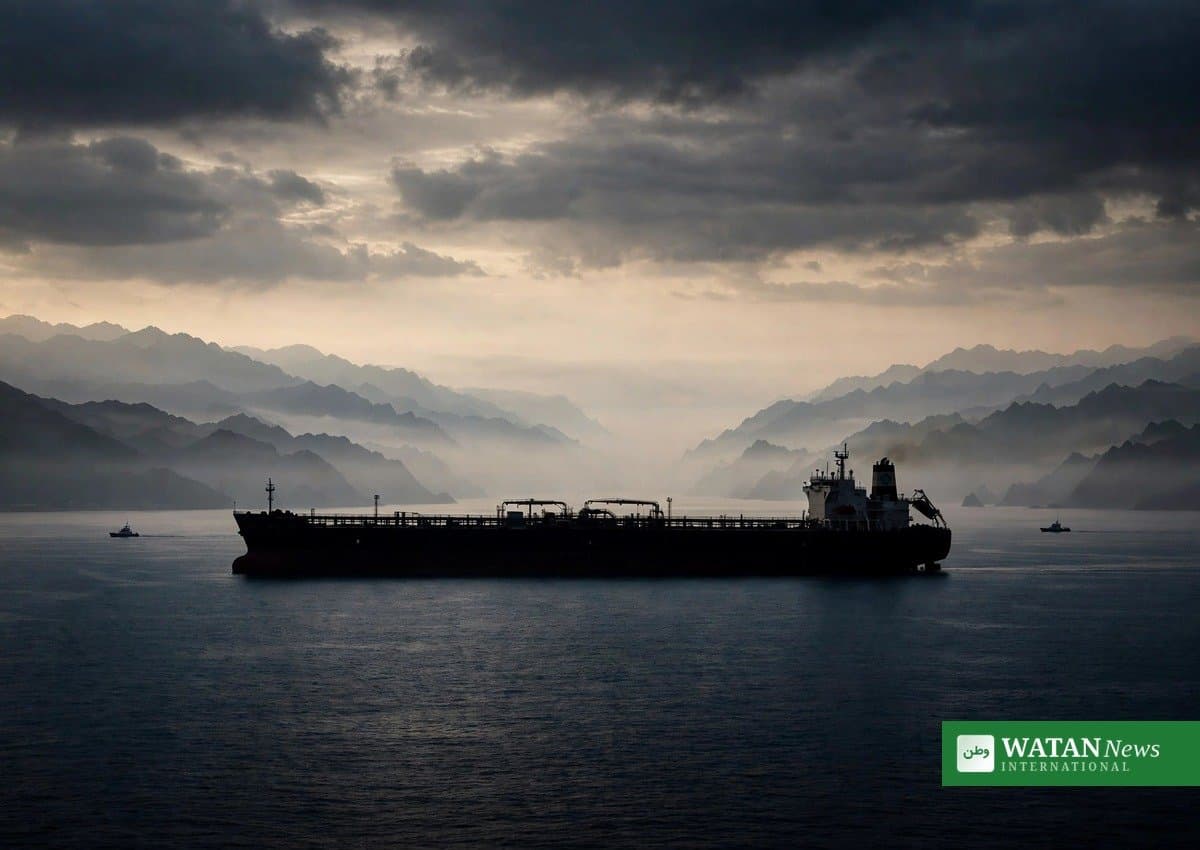
Iran has shifted its naval tactics to step up attacks on commercial shipping around the Strait of Hormuz, two senior Iranian officials have told the Reuters news agency, a strategy to keep global oil prices high and influence the US midterm elections in November.
According to the officials, the new methods were adopted about ten days ago on orders from Iran’s top leadership, and operations would expand beyond the strait into the Gulf of Oman and waters near Qatar and the United Arab Emirates.
FAKTA
- Two senior Iranian officials told Reuters that Iran changed its shipping-attack tactics about ten days ago to raise the tempo of strikes around the Strait of Hormuz.
- The officials linked the strategy to the US midterm elections, saying Tehran wants to frustrate Washington’s efforts to lower oil prices before the November vote.
- At least five incidents involving tankers and commercial vessels were recorded around Hormuz within 48 hours, according to Reuters’ analysis of maritime security data.
- The US Navy-led Joint Maritime Information Center continues to rate the threat to merchant shipping in the strait as “severe.”
- Iran plans to widen operations into the Gulf of Oman; one official said ships violating its restrictions would be “safe nowhere, even outside the Strait of Hormuz.”
New tactics: spotter boats replace radar
A US military official said Iran’s Islamic Revolutionary Guard Corps had begun using unarmed spotters in small boats to identify targets, including American naval vessels, after US strikes destroyed much of Iran’s radar capability. In one previously unreported incident last week, US forces ordered the occupants of a dhow allegedly used by Iranian spotters to abandon ship and destroyed the vessel. The official said there were no casualties.
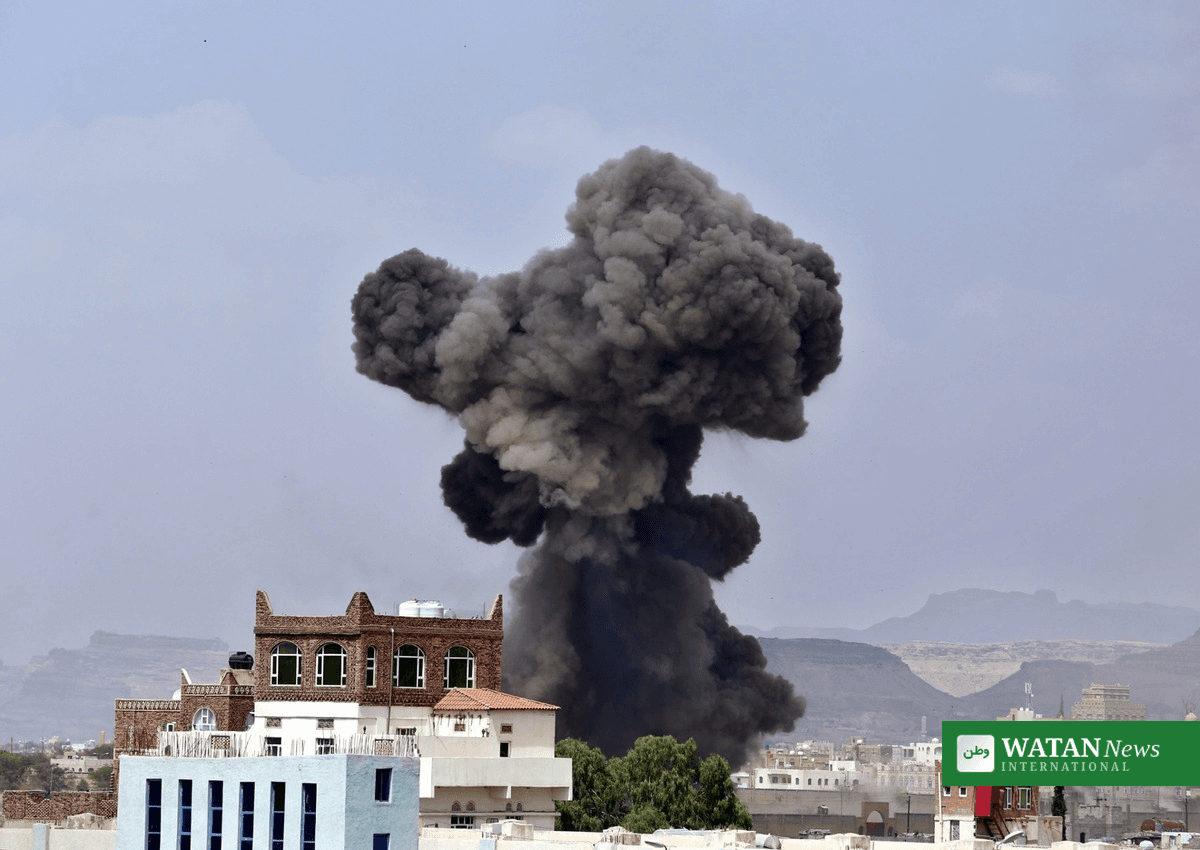
Maritime security sources called the recent rise in incidents deliberate, citing drone strikes and projectile hits on tankers reported to the United Kingdom Maritime Trade Operations agency.
Oil prices climb above $106
The escalation has pushed crude prices sharply higher. Brent crude traded above $106 a barrel, while US benchmark WTI stood near $95, as traders priced in the risk of further disruption to energy flows through the waterway, which carried about one-fifth of the world’s traded oil and liquefied natural gas before the conflict began.
Washington has kept a naval blockade of Iranian ports and expanded sanctions to pressure Tehran into an agreement to end the fighting. US officials say American strikes severely damaged Iran’s navy, yet Gulf oil exporters have still raised shipments through the strait in recent weeks — a trend the new tactics are designed to break.
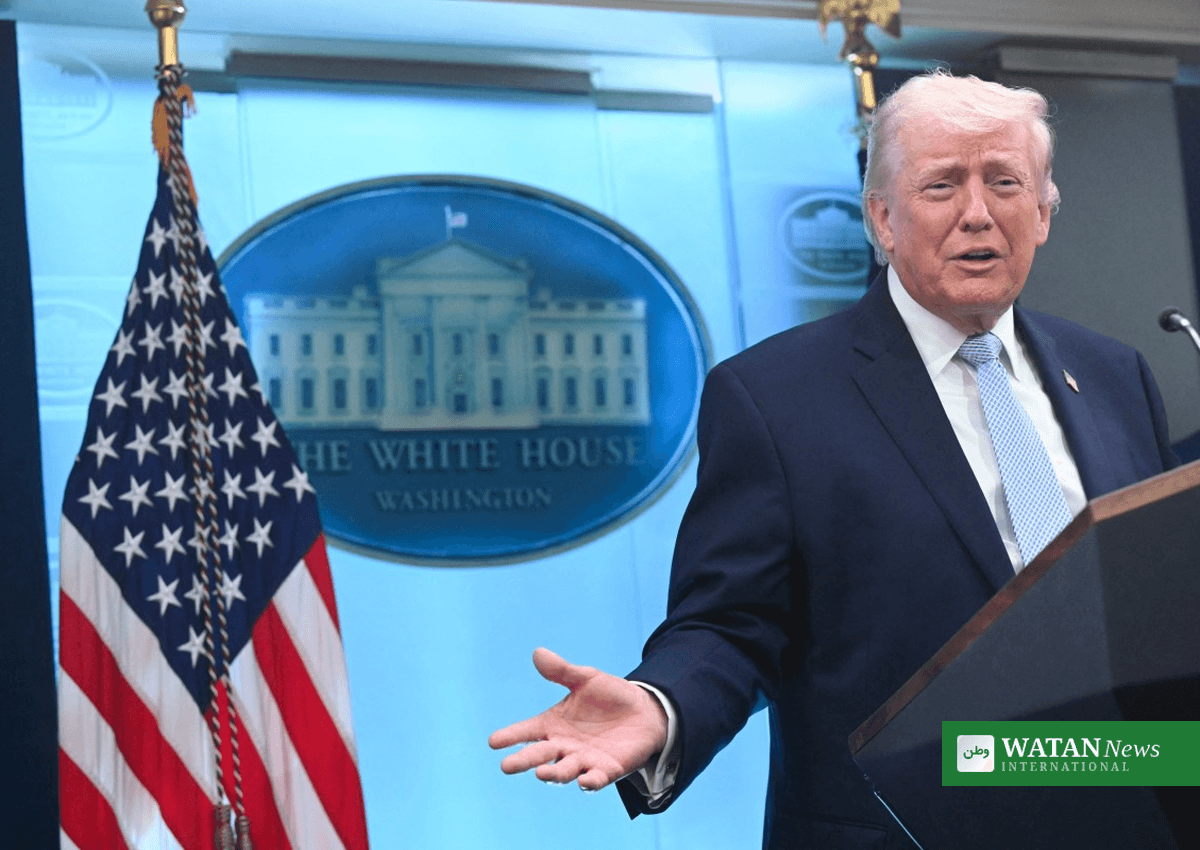
One Iranian official warned of a move toward a “complete closure,” in which no vessel violating Tehran’s restrictions could pass. Another said Iran would not let President Trump bring oil prices down before the November elections, though US officials said exports through the strait kept rising.
The standoff has become a central issue in the US election debate over energy prices, leaving global energy markets exposed to further disruption. Follow more international news on Watan News.