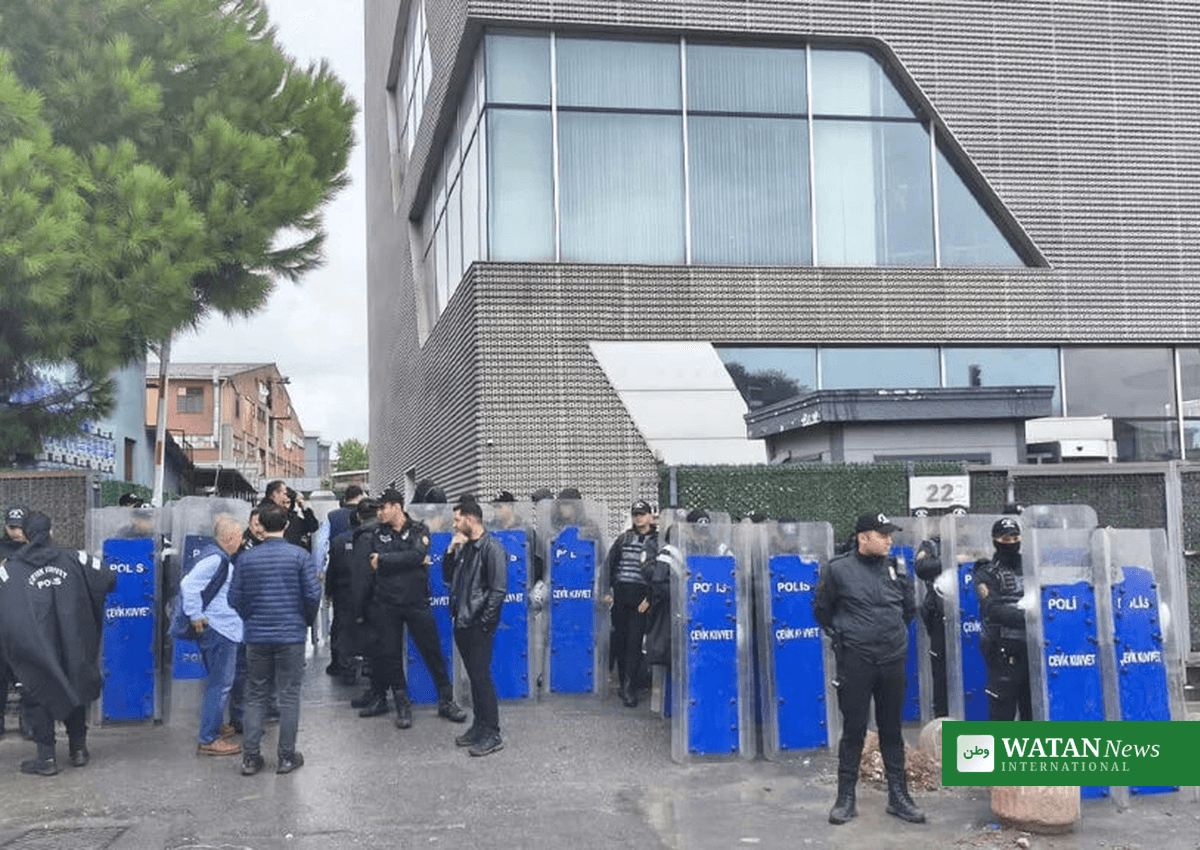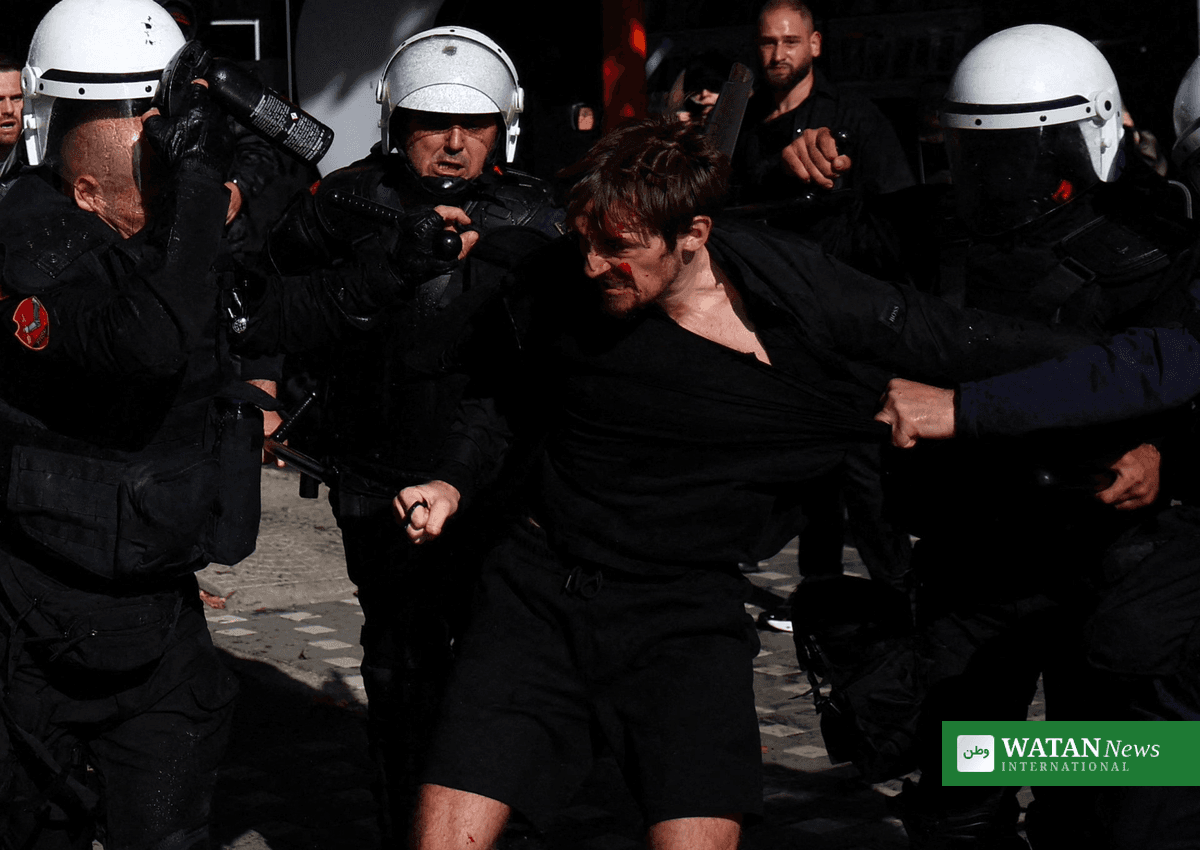
TIRANA: Student protests in Albania turned violent on Tuesday as hundreds of demonstrators clashed with police outside the Ministry of Education in the capital, Tirana, in the most serious escalation of months of youth-led unrest in the country.
What began as a nationwide rally over university conditions, education costs and graduate job prospects spiralled into hours of street clashes, with protesters hurling bricks, stones and concrete blocks at the ministry building while riot police answered with tear gas and water cannons. Police said at least 23 demonstrators were detained and six officers were injured.
FAKTA
- What: Student-led protest outside Albania’s Ministry of Education in Tirana turned into violent clashes with police on Tuesday, October 13, 2026.
- Casualties: At least 23 protesters detained; six police officers and at least one journalist injured; 13 people sought hospital treatment, including an Austrian diplomat.
- Demands: Better university conditions, lower education costs, financial support and jobs — with many protesters also calling for Prime Minister Edi Rama’s resignation.
- Official response: Deputy Prime Minister Albana Koçiu condemned the violence; the interior minister said allegations of excessive police force would be examined.
- What’s next: Protest organisers have announced another gathering outside the Education Ministry for Wednesday.
How the Albania Student Protests Turned Violent
The demonstration started peacefully, with students and young activists gathering outside the ministry to voice frustration over deteriorating university conditions, high study costs, limited financial support and bleak employment prospects after graduation.
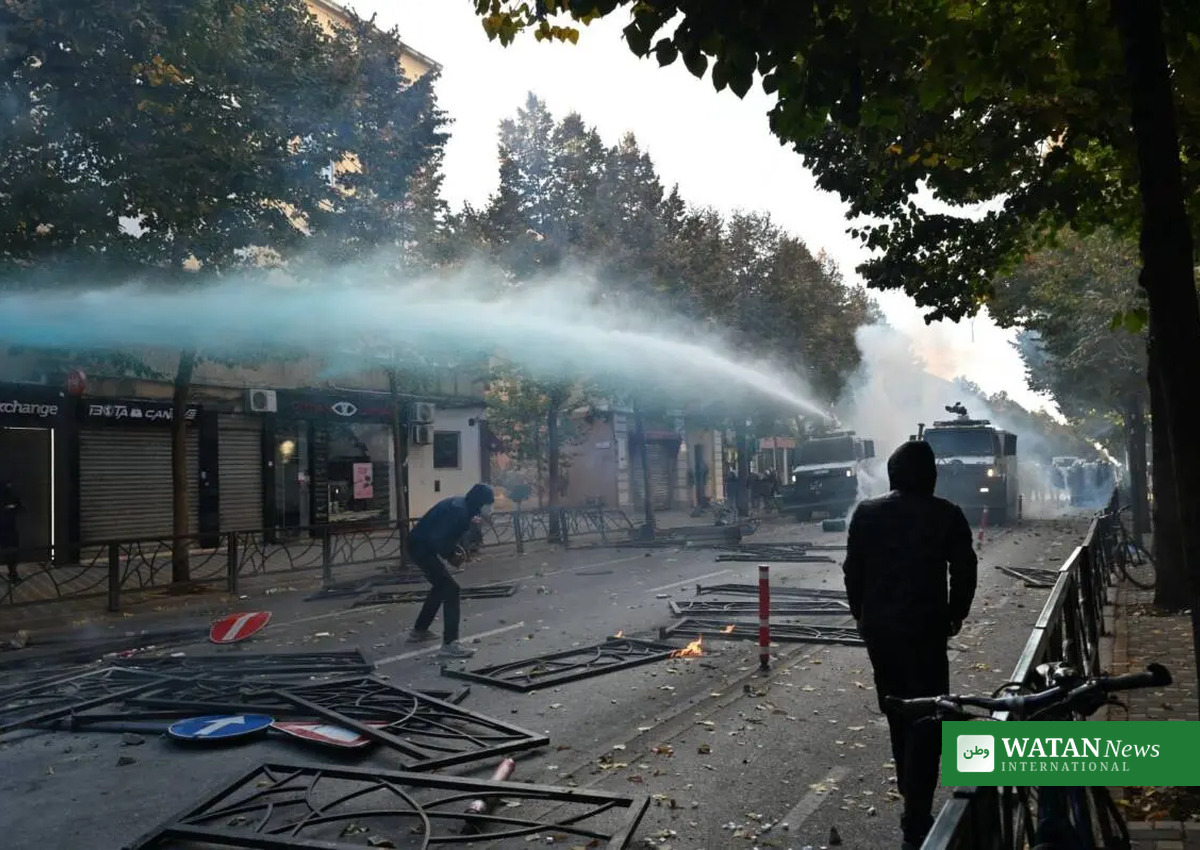
After about an hour, the situation escalated. Some protesters tore metal railings and pavement slabs from the ground and used them to strike the ministry building, while others threw stones, eggs and bricks, damaging the building’s perimeter fence and shattering ground-floor windows. Some demonstrators managed to enter the ministry’s courtyard.
Police moved in to disperse the crowd with tear gas and high-pressure water cannons. Clashes continued even after protesters left the area around the ministry, spreading to surrounding streets — including Durrës Street — and lasting into the evening. Protesters set fire to debris in the streets, damaged private businesses, and fire was set at the entrance hall of the Tirana municipality building, according to local reports.
Casualties, Detentions and Excessive-Force Claims
According to police, 23 demonstrators were taken in for questioning during the unrest. Six police officers were injured, along with at least one journalist covering the protest.
The Health Ministry reported that 13 people sought medical assistance at Tirana’s main university hospital. Among the injured were several students and a foreign diplomat who sustained a head injury during the clashes, a hospital doctor said in a televised statement. Reports also described a 19-year-old hospitalised with a broken leg.
Footage published by local media appeared to show officers striking and dragging protesters, prompting allegations of excessive force. State police data cited by regional monitors said 49 people had been escorted to police stations, and that five officers had been suspended while the Police Supervision Agency, together with the Prosecutor’s Office, launched investigations.
Journalists’ organisations also raised the alarm. The Association of Albanian Journalists said a Fax News reporter was physically assaulted by police officers, an A2 CNN team was prevented from reporting, and the editor-in-chief of Dosja.al was assaulted while filming. A citizens.al journalist was also reported injured.
Government, Opposition and Rights Groups React
Deputy Prime Minister Albana Koçiu condemned the unrest, writing on social media that “violence has not been, is not, and will never be a solution”. Interior Minister Ervin Demo condemned attacks on police officers and damage to property, while adding that police actions must comply with the principles of legality, necessity and proportionality — and that allegations of excessive force would be examined.
The Albanian Helsinki Committee, a human rights organisation, expressed concern over the violence and called for an independent investigation, condemning violence by any party. It said the actions of individual demonstrators should not be used to justify treating all participants as violent.
Opposition figures struck a different tone. Gazment Bardhi, parliamentary leader of the Democratic Party, demanded the release of the detained demonstrators and urged students and citizens to continue protesting. Other opposition figures accused the police of using excessive force and called for the resignation of the prime minister or the interior minister.
Broader Unrest and What Comes Next
Tuesday’s clashes unfolded against the backdrop of the “Flamingo Revolution”, a civic protest movement that began in late May over controversial tourism developments near the Zvërnec and Narta wetlands and has continued for more than 100 days, expanding its demands to include the prime minister’s resignation and early elections.
The unrest came as Prime Minister Edi Rama was in Luxembourg highlighting Albania’s progress in EU accession negotiations, saying another negotiating chapter had been provisionally closed. The parallel developments illustrated the contrast between Albania’s European ambitions and the domestic grievances driving young people into the streets.
The demonstration also formed part of a broader wave of student activism across Europe, including weeks of high school protests and blockades in France. With organisers calling for a fresh gathering outside the Education Ministry on Wednesday, further confrontations cannot be ruled out.
Read more of our Europe news on Watan News.