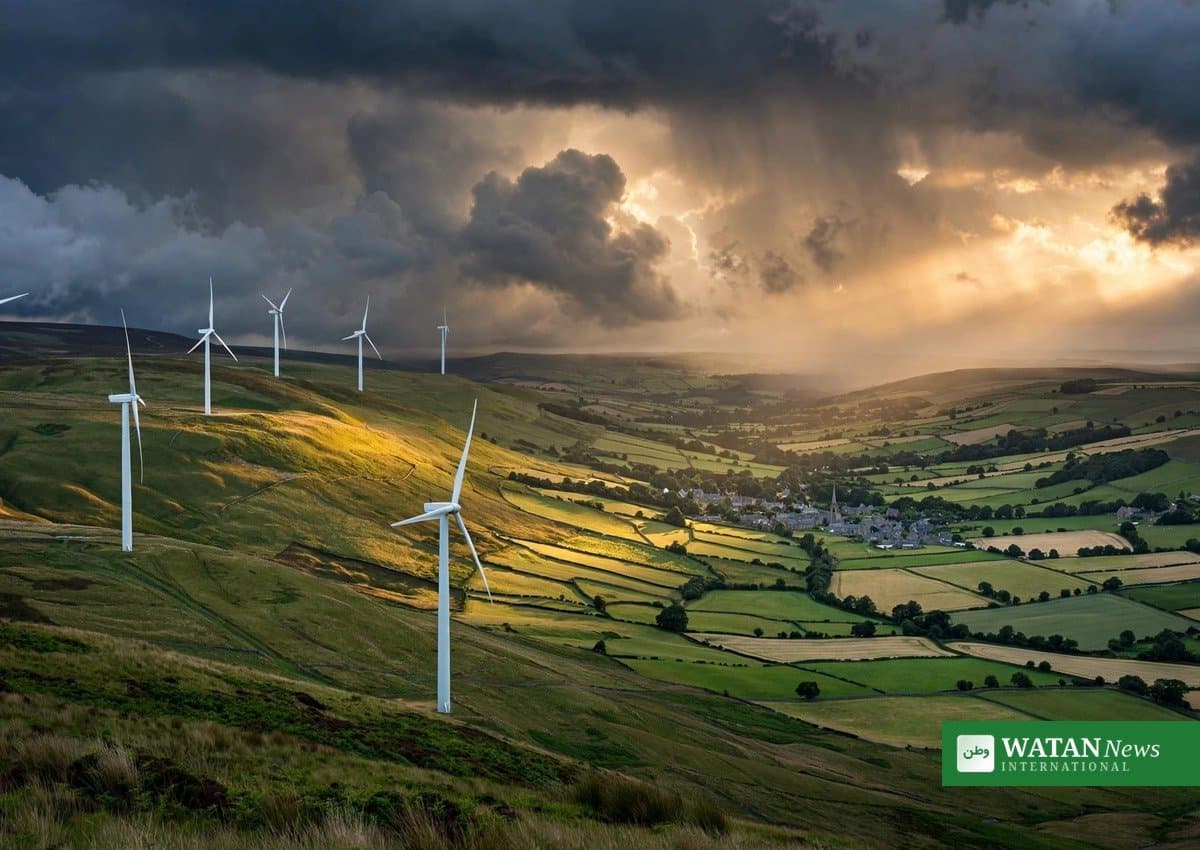
A large majority of Britons feel the public is being kept in the dark about the true scale of the climate crisis, according to the organisers of the People’s Emergency Briefing, a crowdfunded film screened in communities across the UK. Post-screening surveys found 87% of viewers felt more motivated to act, while 93% said the public is not being fully informed about the climate and nature crisis.
FAKTA
- 87% motivated: of surveyed viewers said watching the film increased their motivation to act; 88% felt better informed and 58% felt more hopeful, according to the academic survey of screening audiences.
- 93%: said the public is not being fully informed about the climate and nature crisis (organisers’ survey figure).
- 89%: backed emergency-level government mobilisation to tackle the crisis (organisers’ survey figure).
- The film: a 50-minute crowdfunded documentary built on the first National Emergency Briefing, delivered to MPs, peers and civic and business leaders at Westminster in November 2025.
- The reach: an estimated 185,000 viewers at more than 3,400 community screenings, with around 13,000 survey responses, organisers report.
- The demand: a primetime, televised national emergency briefing on the climate and nature crisis, led by independent experts and fronted by the prime minister.
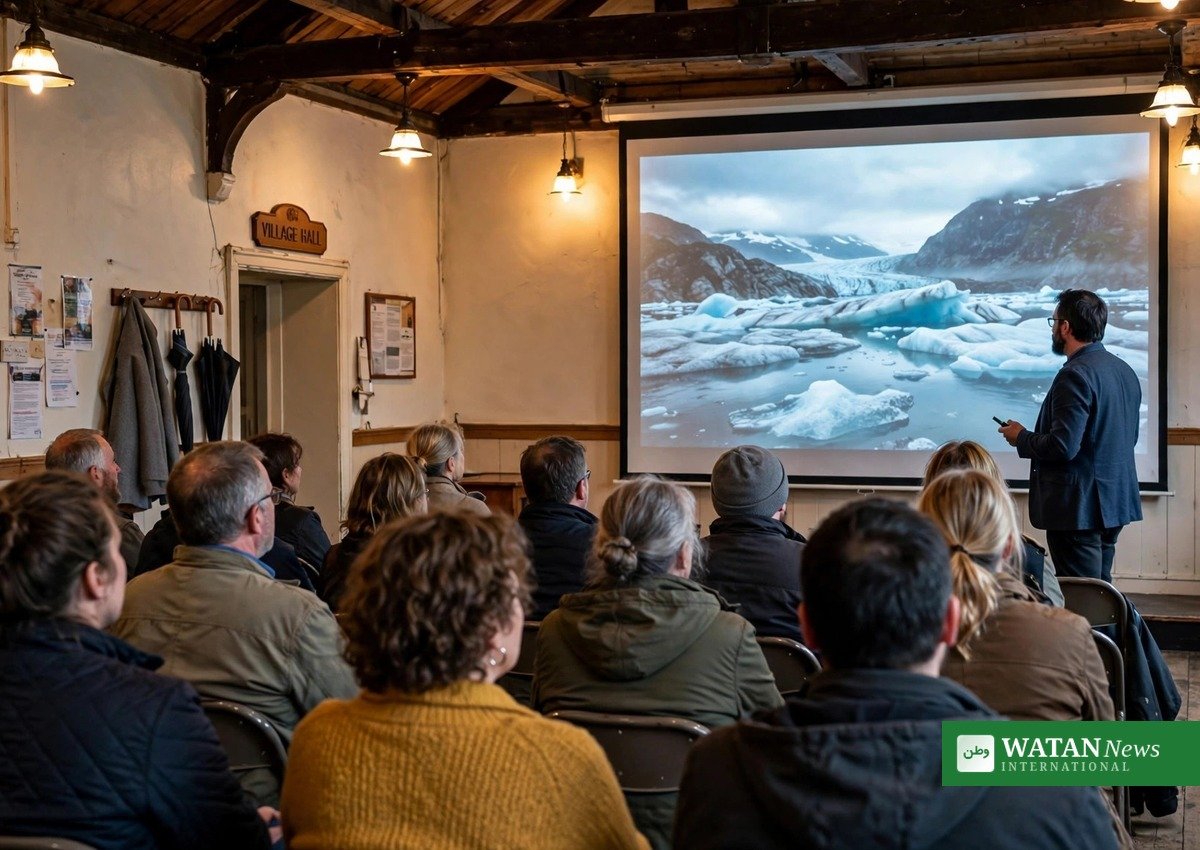
A community screening of the People’s Emergency Briefing. The crowdfunded film is being shown in village halls, workplaces, faith centres and schools across the UK.
What the People’s Emergency Briefing Is
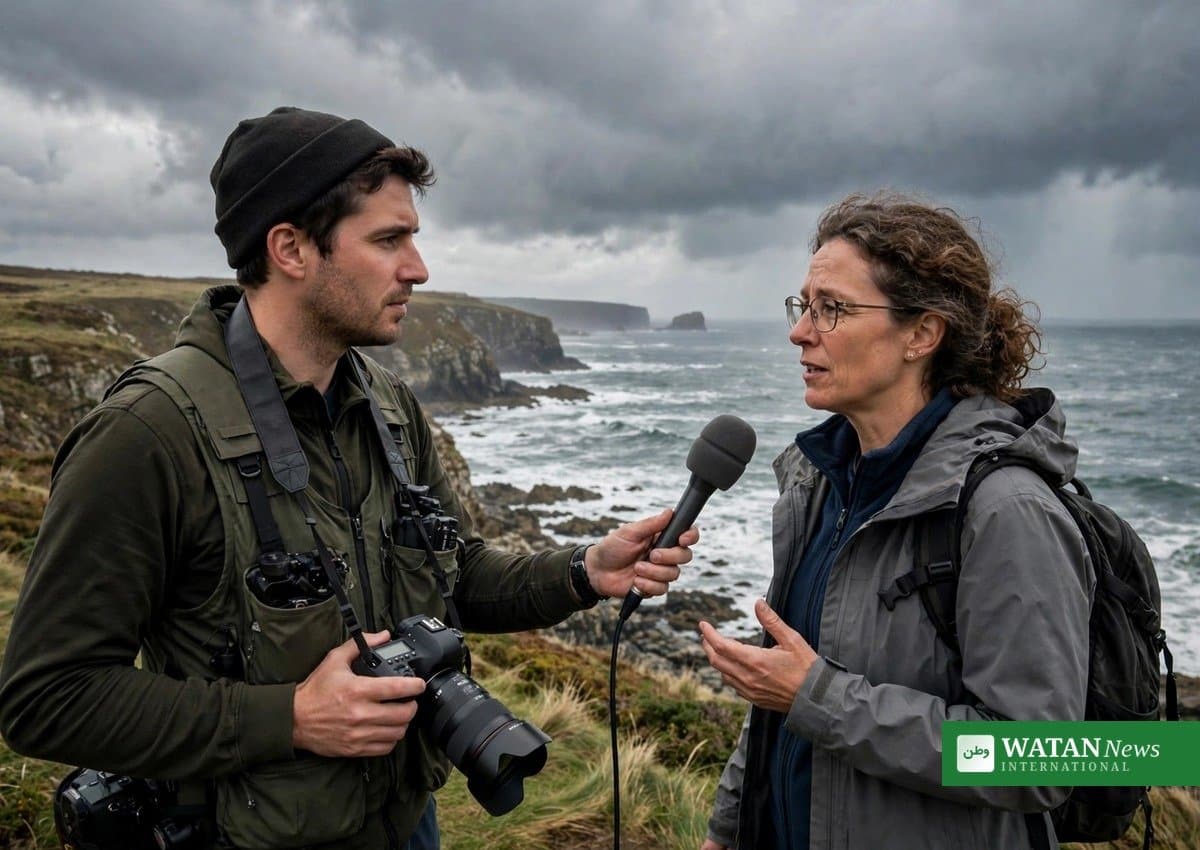
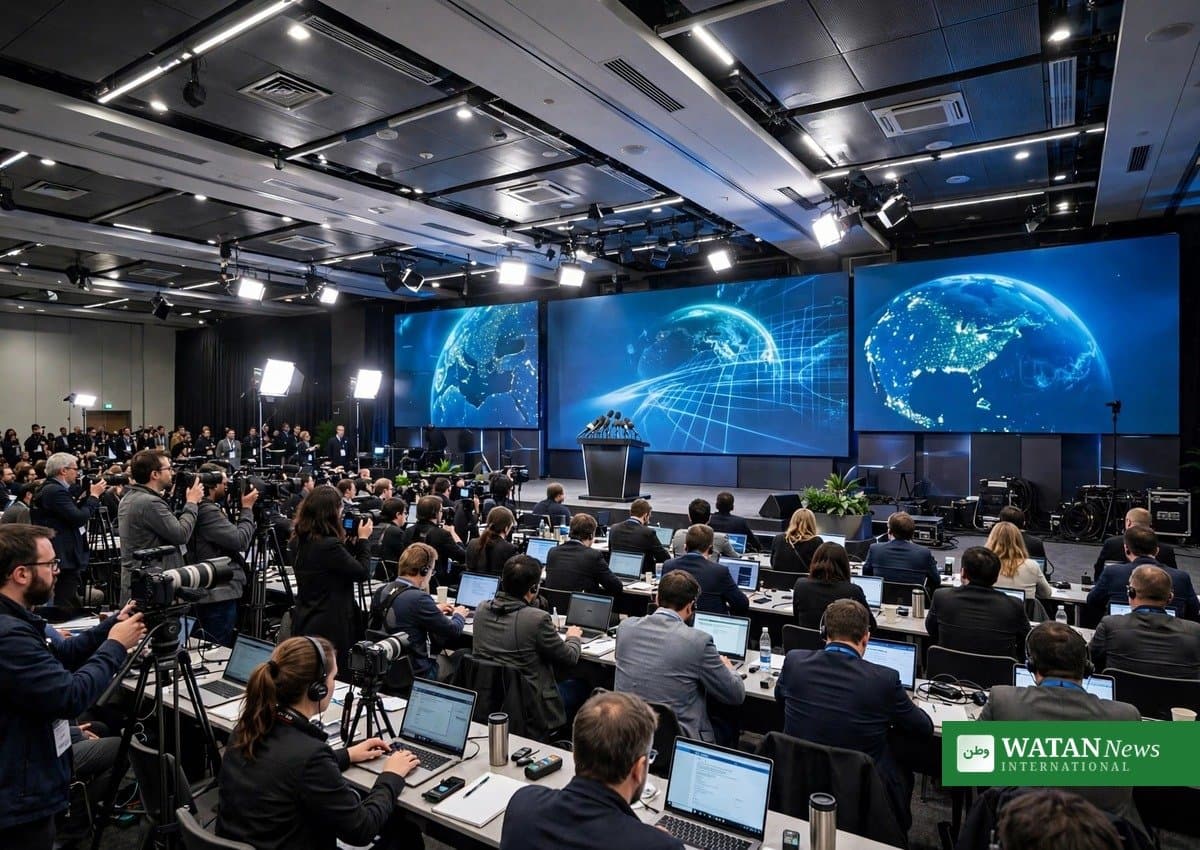
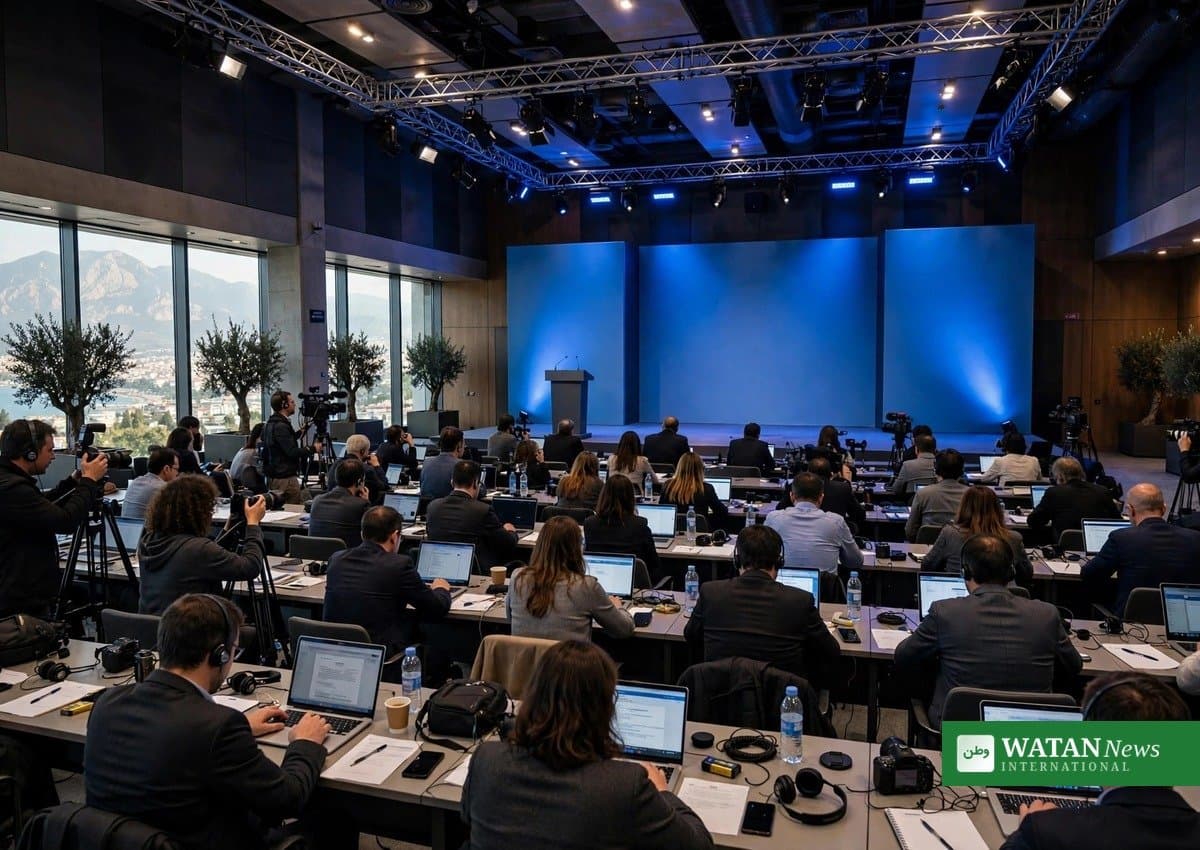
Last November, nine climate experts delivered a “first-of-its-kind national emergency briefing” to an audience of MPs, peers and civic and business leaders at Westminster Central Hall. The organising team — including carbon-footprinting pioneer Professor Mike Berners-Lee and TV environmentalist Chris Packham — then crowdfunded to turn the in-person briefing into a 50-minute film that anyone can register to screen locally.
The film sets out in plain language how global heating is affecting everyday life in Britain — the economy, food, healthcare, nature and national security — and has been described by viewers as a hard but hopeful watch. Its stated aim is to build public pressure for the prime minister to convene a Covid-style primetime emergency briefing on the climate and nature crisis, delivered by independent experts.
Viewers Back Emergency-Level Mobilisation
Post-viewing surveys indicate a substantial shift in understanding and concern among participants. A striking 89% of surveyed viewers believe the government should respond to the climate crisis with emergency-level mobilisation — a response organisers compare to the national mobilisations of the COVID-19 pandemic and the Second World War.
Professor Berners-Lee, who chairs the National Emergency Briefing, has argued that the public understood the COVID-19 threat when the facts were clearly and honestly presented, and that the climate and nature crisis deserves the same united emergency response, fronted by the prime minister and delivered by independent experts.
The “Second-Order Risks” People Miss
Professor Lorraine Whitmarsh of the University of Bath, who led the academic research on screening audiences, found that while many people are aware of some climate risks, the “second-order risks” are far less understood. These include the implications for national security, food supplies and the National Health Service (NHS) — consequences that are not always obvious to the general public.
The briefing’s message is that building this understanding is not a distraction from political change but a precondition for it: democratic leaders can only move as fast as public understanding allows.
Call for Government Transparency
The survey’s most pointed finding is that 93% of respondents feel the public is not being adequately informed about the climate crisis and the scale of nature loss. Viewers are calling on ministers to be honest about the risks and to host the televised emergency briefing the campaign is demanding.
Conclusion
The People’s Emergency Briefing has struck a chord with audiences who feel they have been left in the dark about the climate crisis. Whether it produces the primetime emergency briefing its organisers demand will depend on how far this grassroots momentum reaches into Westminster.