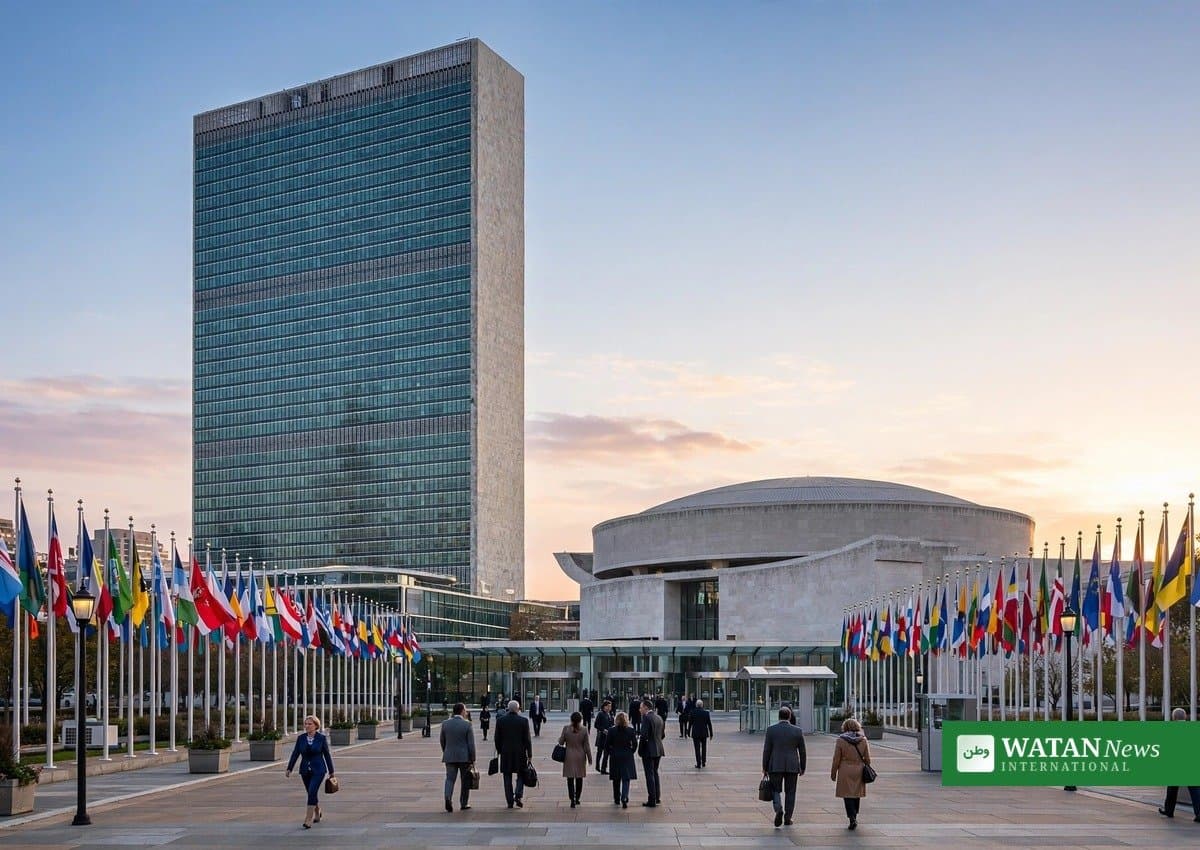
NEW YORK — The high-level week of the 81st United Nations General Assembly opened in New York on 22 September 2026 under mounting pressure to turn climate rhetoric into delivery, as governments look ahead to COP31 in Antalya, Türkiye, from 9–20 November. The programme includes the general debate as well as high-level meetings on climate action, sea-level rise, pandemic prevention and preparedness, and development issues.
The general debate ran from 22 to 26 September and concluded on 28 September, under the theme “Better together: 81 years and more for peace, development and human rights.” With COP31 weeks away, the UNGA–COP31 corridor is shaping up around climate finance, electrification and grids, and the next Paris Agreement cycle.
FAKTA
- The high-level week of the 81st UN General Assembly ran 22–28 September 2026 in New York; the general debate took place 22–26 and 28 September (source: UNGA 81 session records).
- The UNGA81 programme included high-level meetings on climate action, sea-level rise, pandemic prevention and preparedness, and development issues.
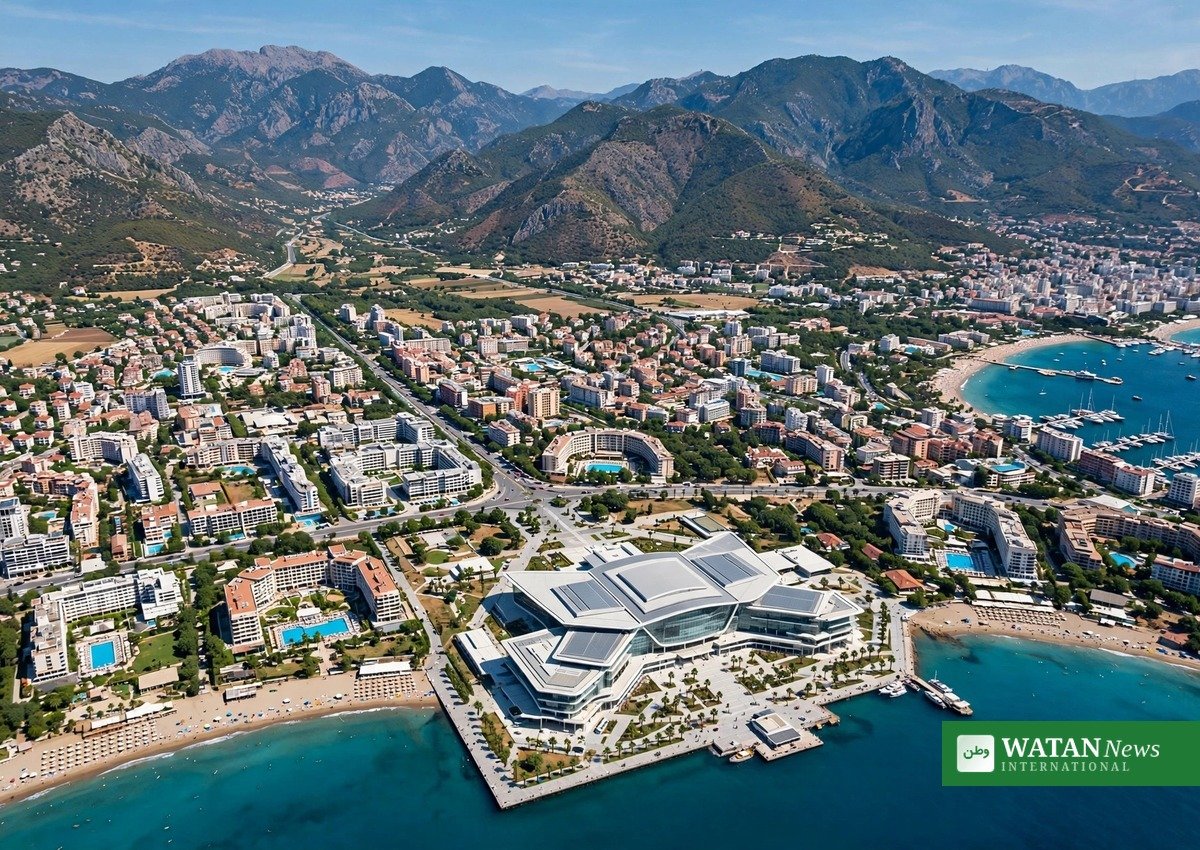
- COP31 takes place in Antalya, Türkiye, from 9–20 November 2026.
- The EU’s draft COP31 conclusions, dated 14 September and seen by Euronews, state that “current ambition and implementation remain insufficient to limit warming to 1.5°C” and shift the emphasis from pledges to delivery.
- A deadly Nepal–China flood on 26 August, linked by WMO’s Celeste Saulo to a chain of events including melting ice and rock, killed at least 1,367 people (source: UNOG Newsroom).
- IGAD used UNGA81 to push for El Niño preparedness and climate resilience for the Horn of Africa.
COP31 in focus at UNGA81
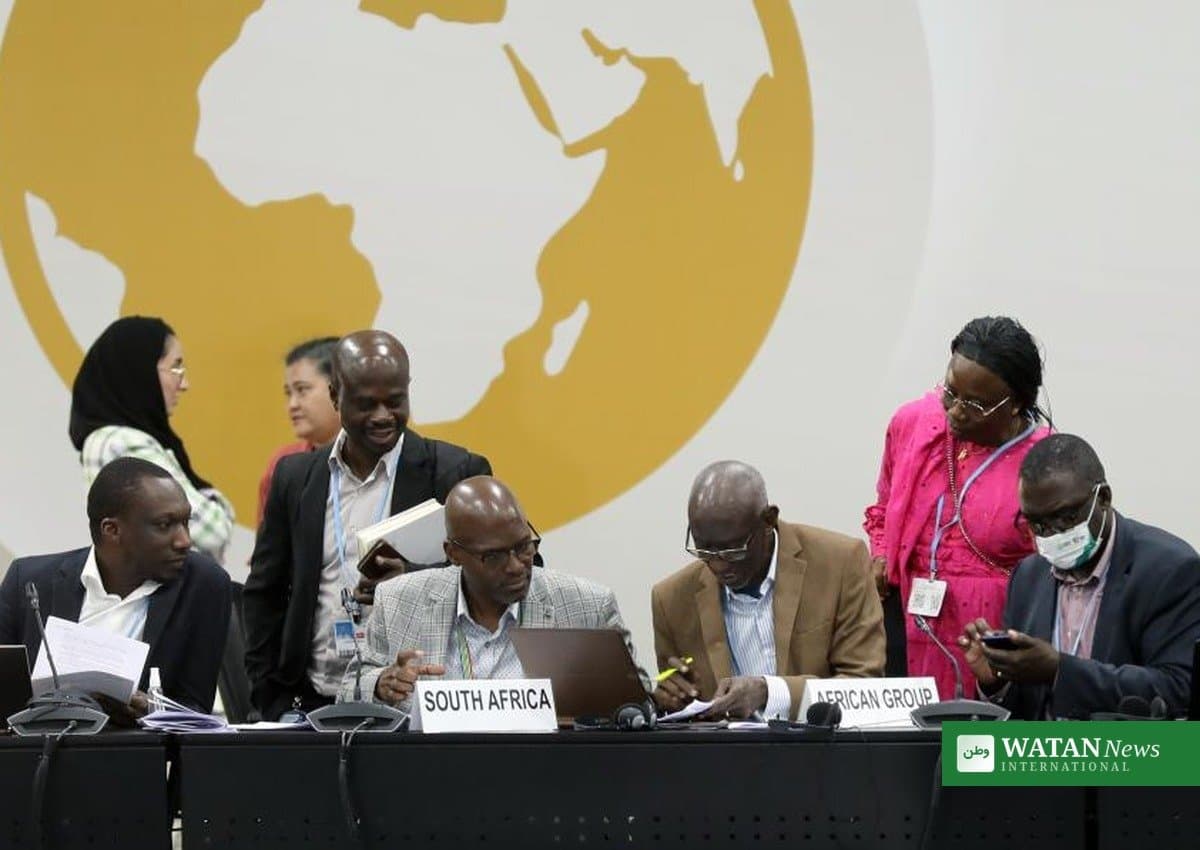
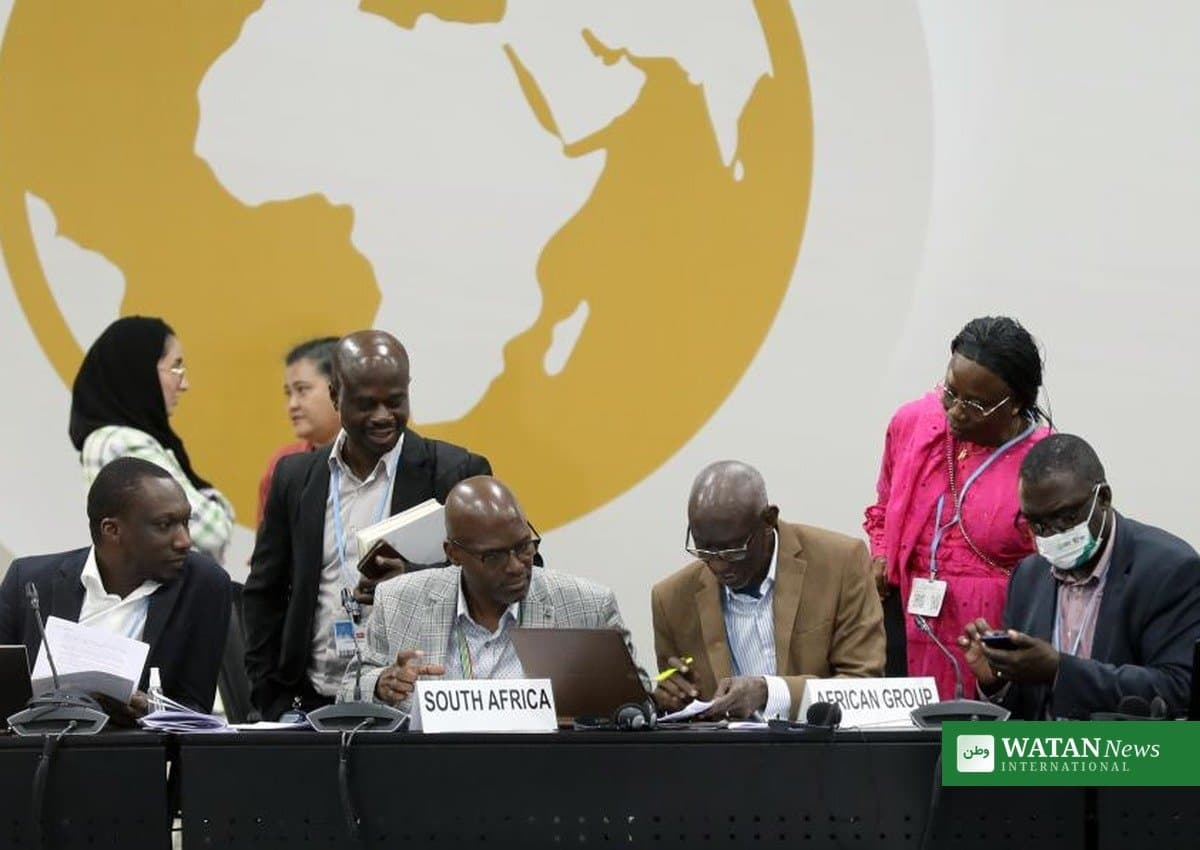
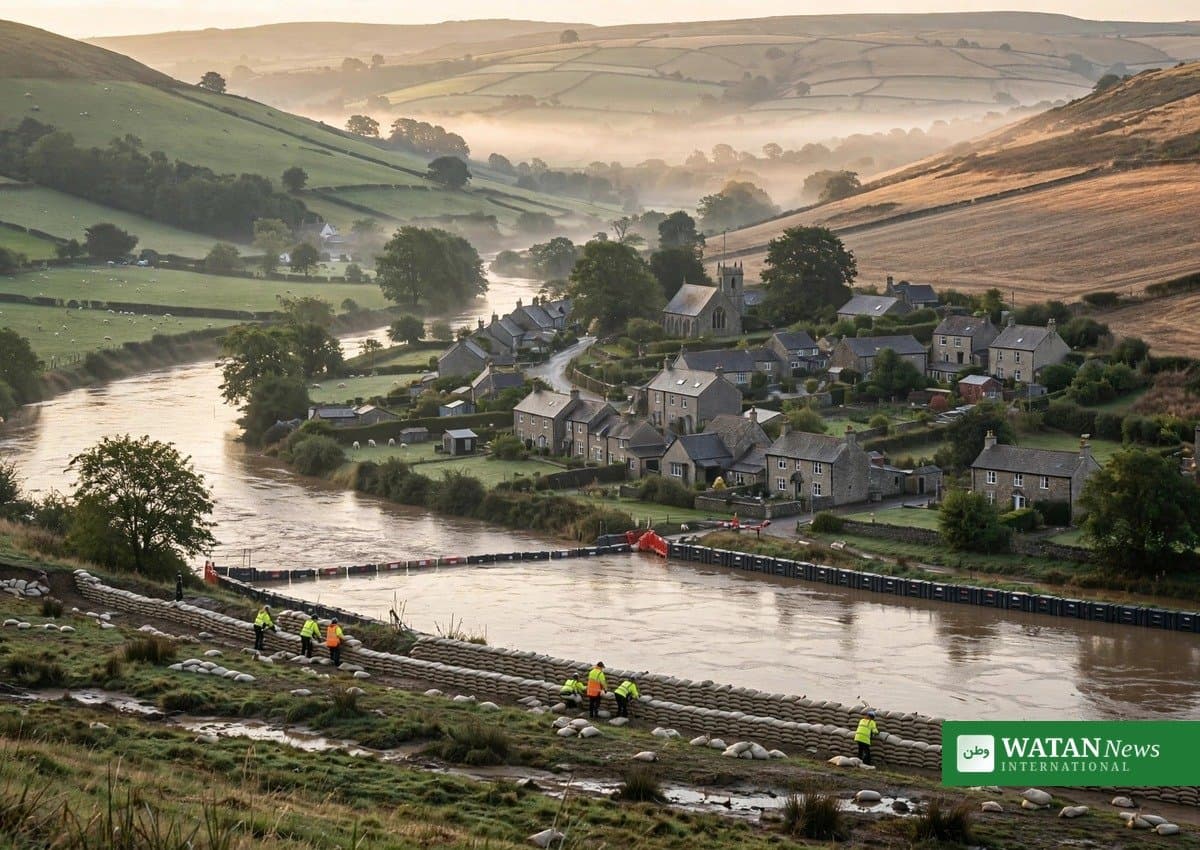
The backdrop to UNGA81 is severe. The 26 August disaster in Nepal and China’s Tibet region — a massive wall of water and debris that killed at least 1,367 people — has sharpened calls for a “global effort” from affected countries. As one regional bloc after another took the podium in New York, the message from vulnerable nations was consistent: adaptation finance and early warnings cannot wait for another negotiation cycle.
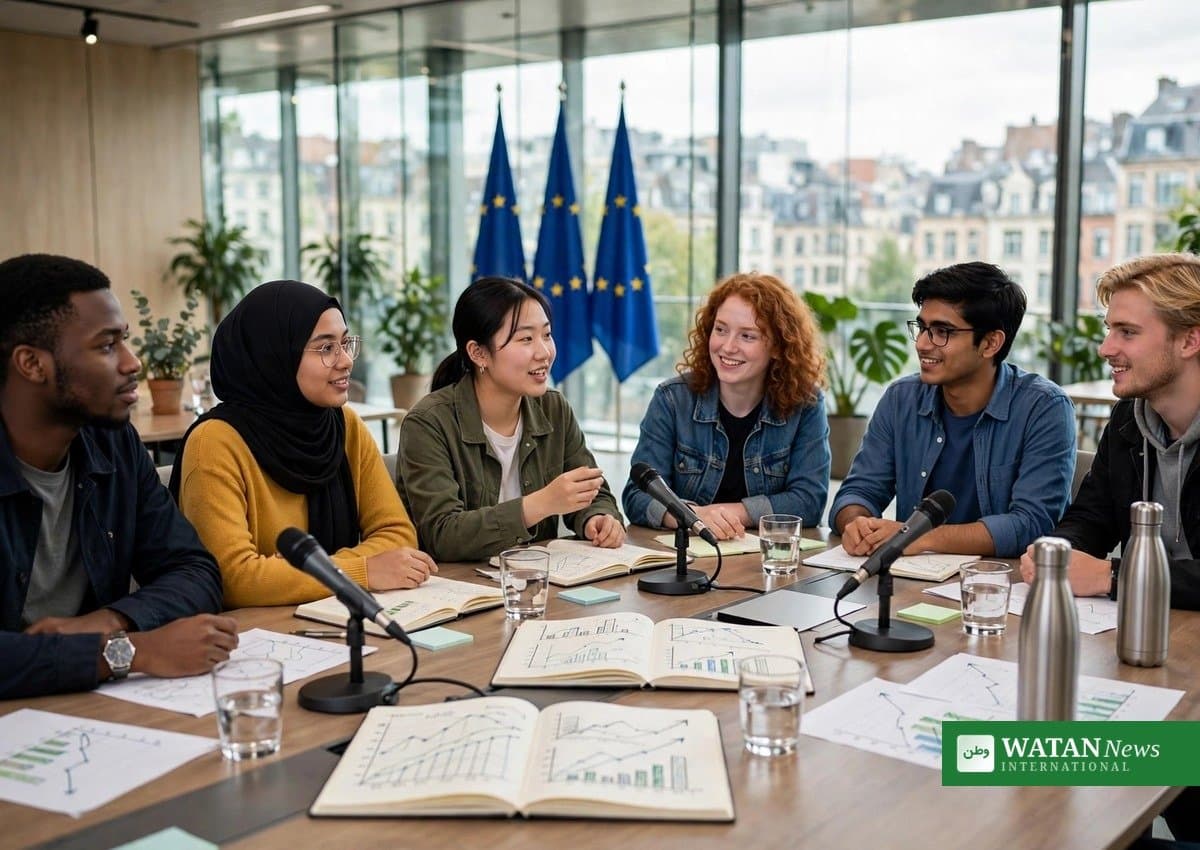
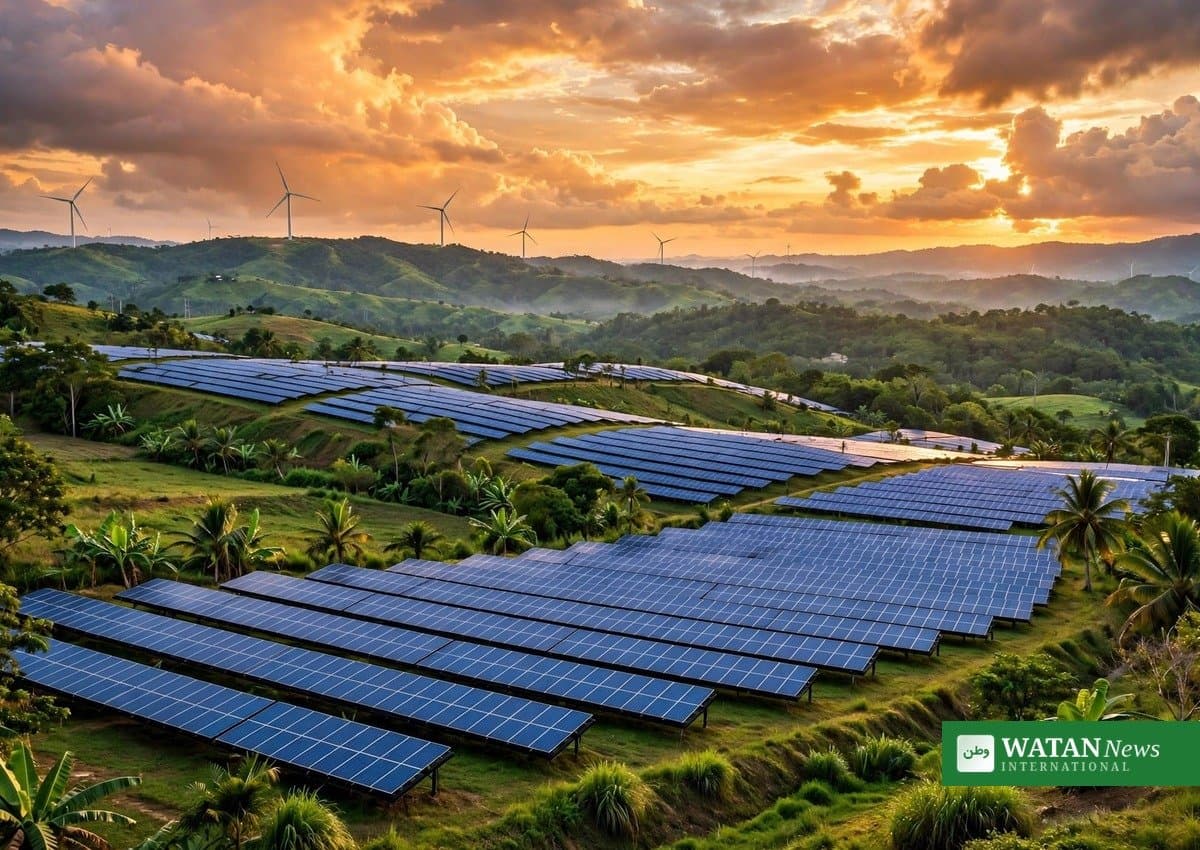
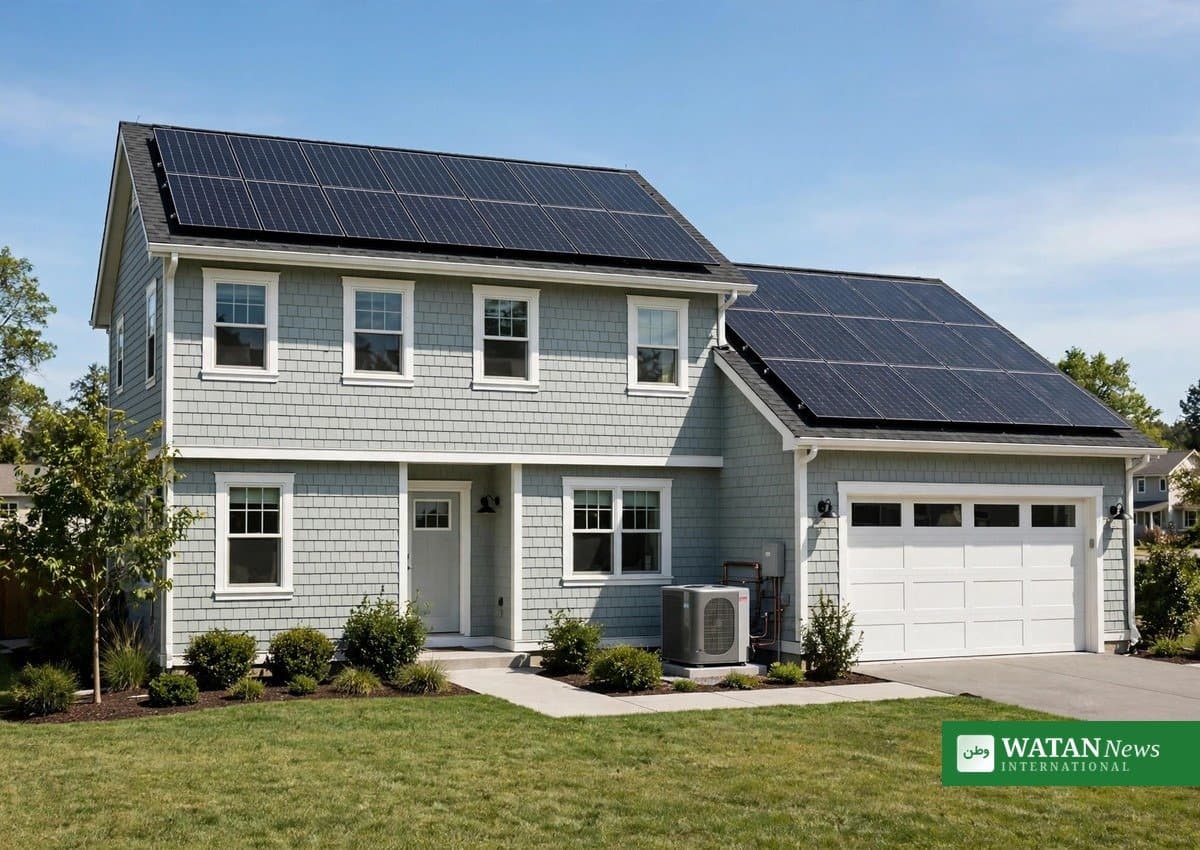
Europe arrived with its own sharper message. Draft EU Council conclusions for COP31, dated 14 September and seen by Euronews, say pledges alone are no longer enough: Brussels wants COP31 to deliver faster clean-energy deployment, a transition away from fossil fuels, greater electrification, tripling of renewables, doubling of energy-efficiency improvements, and cuts to methane and other non-CO2 emissions by 2030.
From pledges to delivery
The delivery theme runs through the EU’s draft position: the bloc wants “tangible progress” closing ambition and implementation gaps and setting direction for the next Paris Agreement cycle, calling on all parties — particularly major emitters — to return to a 1.5°C-compatible trajectory and minimise the magnitude and duration of any temperature overshoot. UNEP has separately warned that the world is set to cross the 1.5°C threshold, but that limiting, adapting to and returning from higher temperatures is still possible.
For developing countries, the watch is on finance: whether the COP31 Action Agenda and the summit’s delivery package will move money for adaptation, loss and damage, and electrification — the issues that dominated the corridors in New York. Continue following our climate diplomacy coverage on the main Watan News site.
What happens next
All eyes now turn to Antalya, where COP31 runs 9–20 November. The EU’s opening position — defend the Paris Agreement, keep 1.5°C at the centre, but shift the emphasis to delivery, investment and implementation — will be tested against the demands of vulnerable countries for finance and the summit presidency’s Action Agenda.