Yerevan — As world leaders gather in Yerevan for the UN biodiversity summit COP17, new global research on 12,716 young people finds that youth demand biodiversity action louder than ever: more than six in ten 13- to 29-year-olds say they are more worried about biodiversity loss than they were three years ago, and half of those aged 18 and over say the crisis is already shaping major life choices — including whether to have children.
The State of Youth Global Preferendum, released on 19 October 2026 ahead of COP17 by the children’s rights organization KidsRights, is one of the largest international studies of young people and biodiversity ever conducted. The research was coordinated by the independent research agency Glocalities and combines seven nationally representative panels — 2,189 young people aged 13 to 29 in Brazil, China, Colombia, Ethiopia, Germany, Kenya and the United States — with an open survey completed by 10,527 self-selected young people across 77 countries.
FAKTA
- 12,716 young people aged 13–29 took part: 2,189 through seven nationally representative panels in Brazil, China, Colombia, Ethiopia, Germany, Kenya and the United States, plus 10,527 through an open survey in 77 countries.
- More than six in ten say they are more worried about biodiversity loss now than three years ago.
- One in two aged 18 and over say biodiversity loss is already affecting their lives and influencing major life choices, including whether to have children.
- More than half say governments carry the greatest responsibility for tackling biodiversity loss — but fewer than one in three trust governments to lead effectively. In the open survey, only 13% trust them.
- 97% want to contribute but say they need more support and resources; nearly eight in ten believe they can make a real difference.
- Among those holding governments responsible, more than two-thirds want stronger biodiversity rules that are properly enforced, and more than half want more natural areas protected and sustainable choices made easier and more affordable.
What the State of Youth Global Preferendum found
The study paints a picture of a generation that is deeply worried but far from resigned. Concern about biodiversity loss has risen sharply in just three years, and for the oldest respondents the crisis is no longer abstract: one in two young adults says it is already influencing how they live and plan their futures.
COP17 opened in Yerevan this week with a call to turn biodiversity promises into action, as negotiators begin the first-ever global review of the Kunming-Montreal Global Biodiversity Framework. The research lands directly in that debate: young people, the study finds, want to play an active role in protecting nature — they simply need the resources to turn their ideas into action.
A trust gap governments cannot ignore
Perhaps the study’s starkest finding is about trust. More than half of young people say governments have the greatest responsibility for tackling biodiversity loss, yet fewer than one in three believe governments can lead on biodiversity protection effectively. In the open survey, where respondents joined on their own initiative, distrust ran even deeper: only 13% said they trust governments to lead.
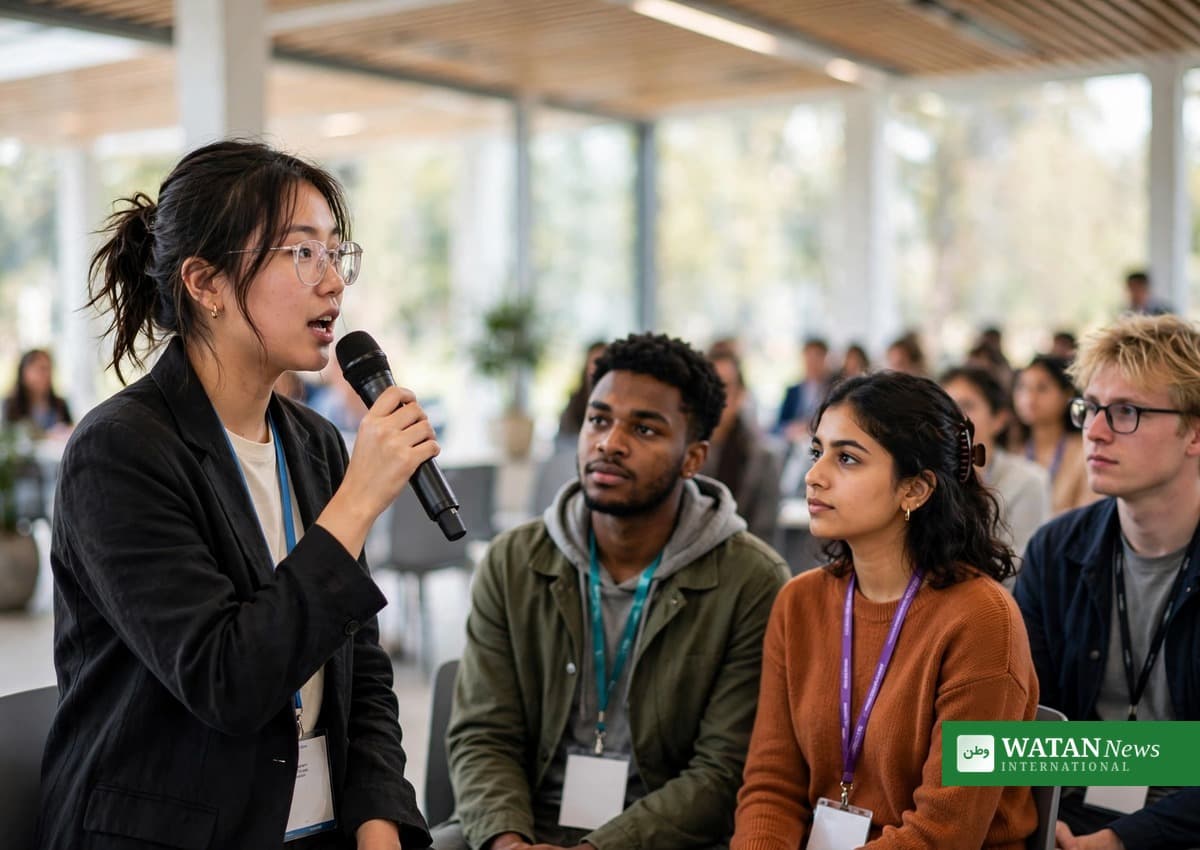
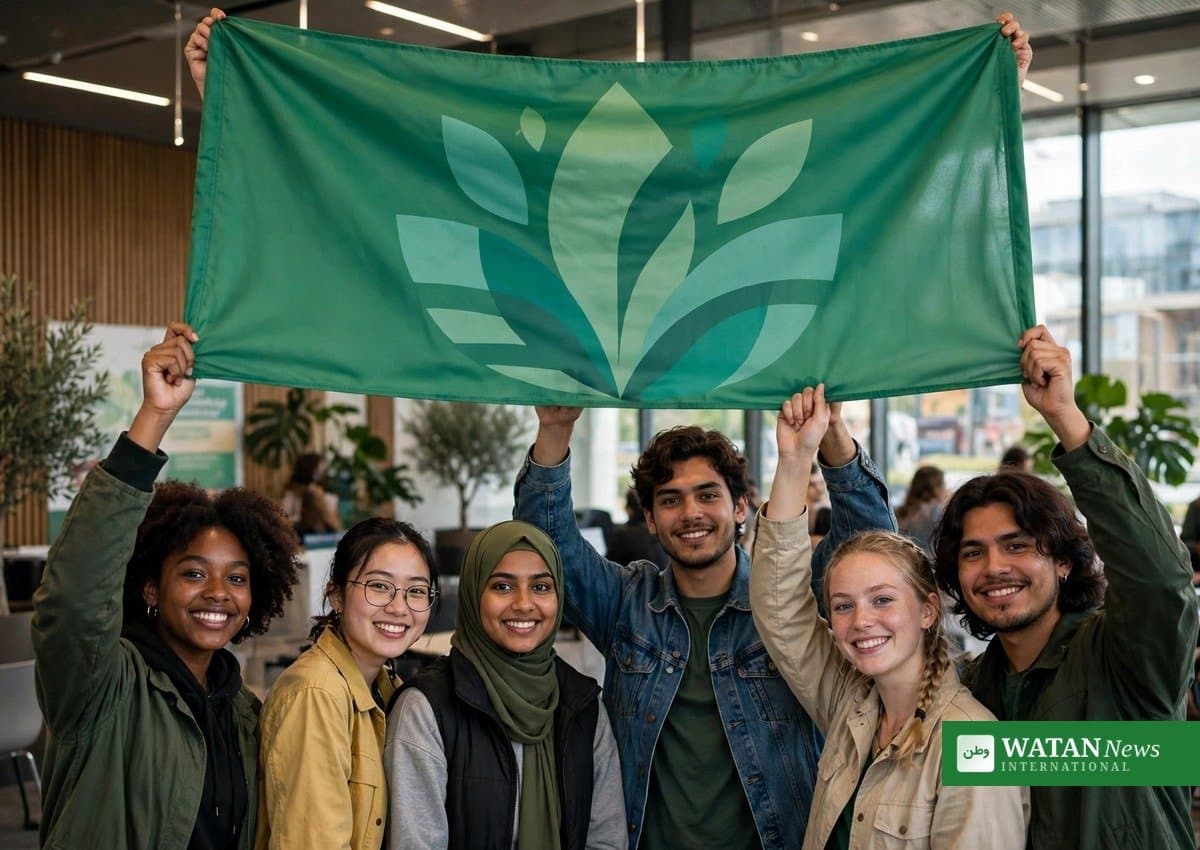
At the same time, young people do not point fingers only outward. They see themselves and other global citizens as responsible for tackling biodiversity loss — and 97% say they want to contribute, if they get more support and resources. Nearly eight in ten believe they can make a real difference and help turn the tide.
Why youth demand biodiversity action now
The young people’s priorities for world leaders are clear. Among those who hold governments responsible, more than two-thirds want stronger biodiversity and environmental rules that are properly enforced, while more than half want more natural areas to be protected — and sustainable choices to be easier and more affordable for everyone.
The message is reinforced by UNICEF, which in a statement to COP17 on 16 October urged governments to put children and young people at the centre of biodiversity action — warning that biodiversity loss, climate change and pollution pose a serious threat to children’s rights, health and well-being. UNICEF called for children’s rights to be integrated into national biodiversity plans, for more funding for child-responsive initiatives, and for young people to participate meaningfully in environmental decision-making.
COP17: the first global biodiversity review
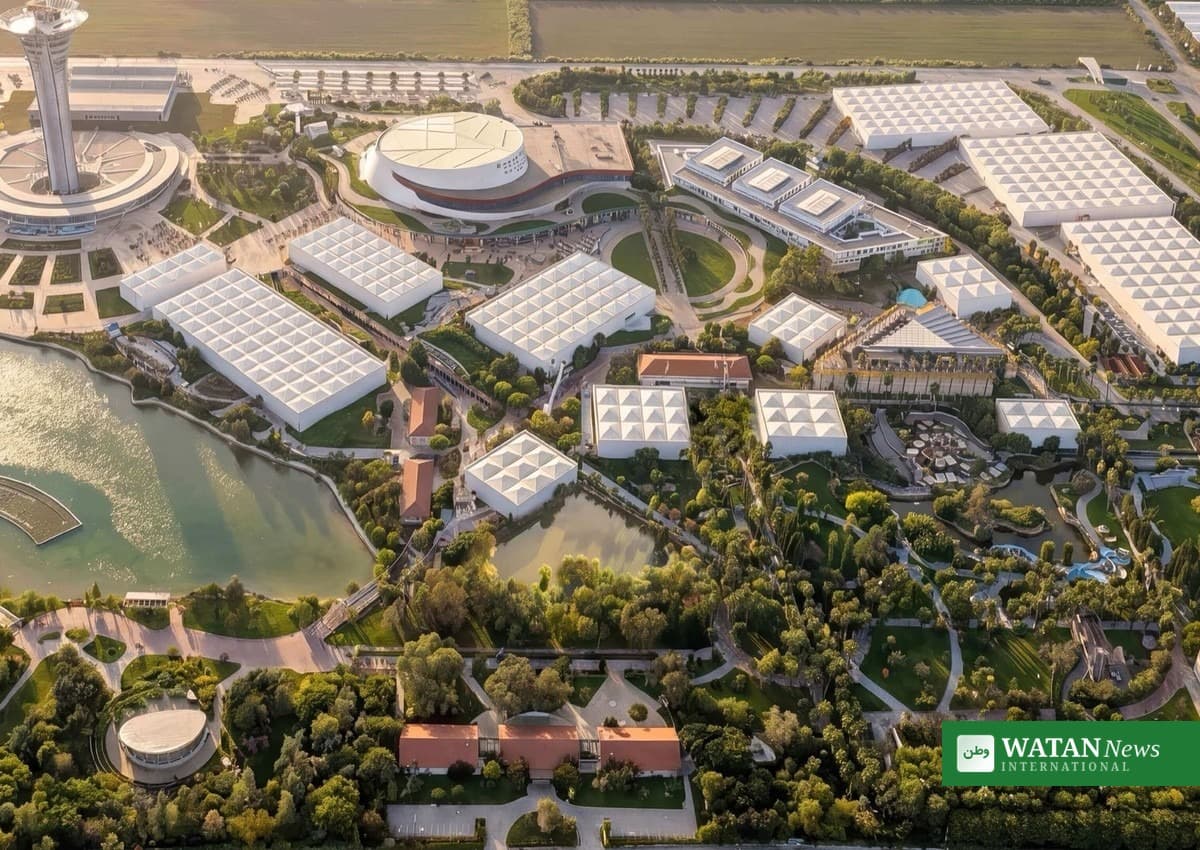
COP17 runs in Yerevan from 19 to 30 October 2026 and aims to advance international biodiversity commitments, including the first Global Review of how the Kunming-Montreal Global Biodiversity Framework is being implemented. Just before the summit, world leaders at the Leaders for Nature Summit in Yerevan adopted the Yerevan Declaration, reaffirming commitments to halt and reverse biodiversity loss by 2030 and to live in harmony with nature by 2050.
Conclusion
The KidsRights research gives the COP17 negotiators a clear mandate from the generation that will live longest with their decisions: young people are more worried than ever, they distrust governments to act alone, and they are ready to help — if they are given the support, the resources and a real seat at the table. Nearly eight in ten believe they can help turn the tide on biodiversity loss. The question now is whether the summit in Yerevan will give them the chance.