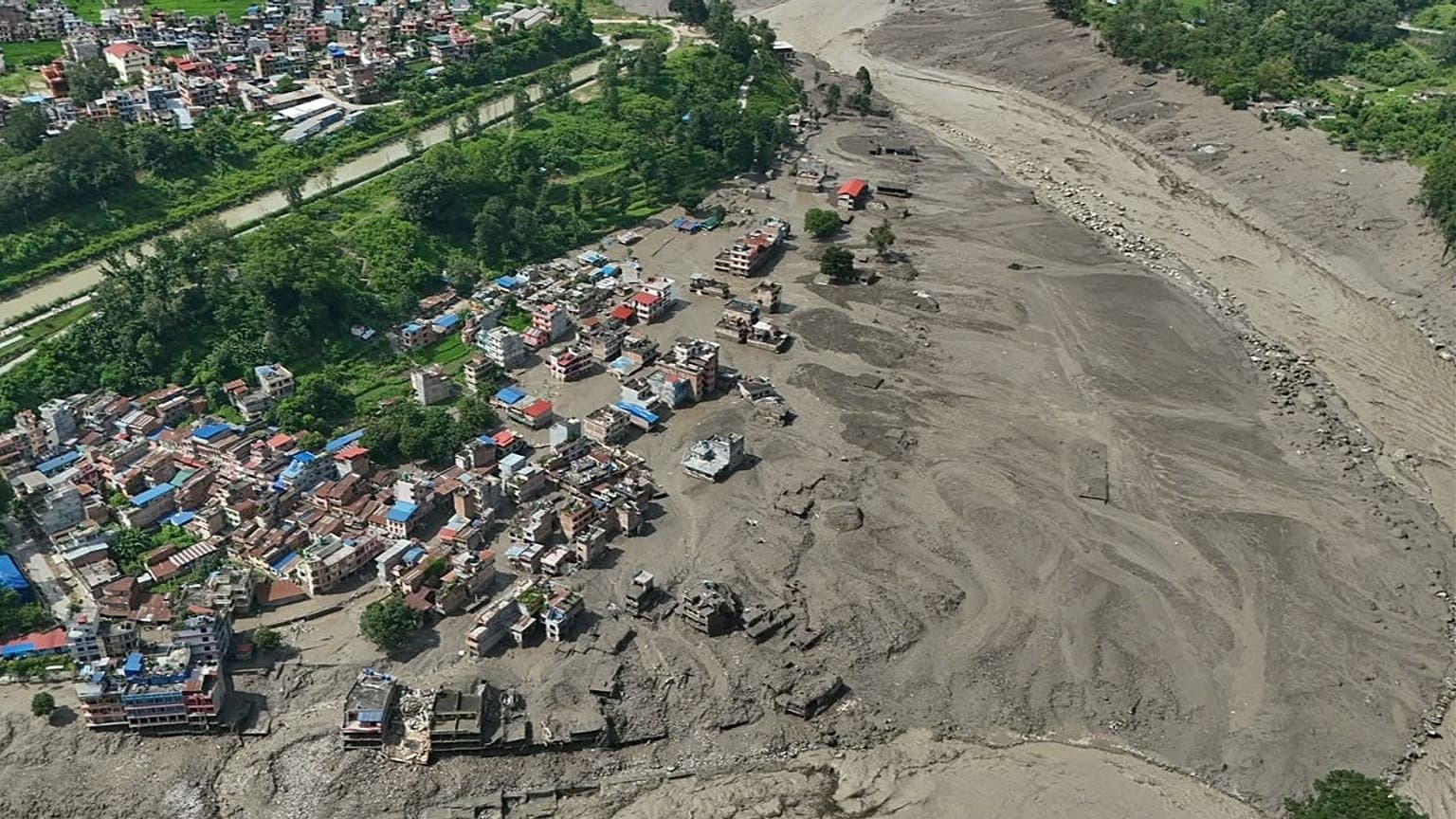
A devastating crisis is unfolding at the Nepal-China border, where a barrier lake has overflowed, prompting both countries to halt rescue efforts. The disaster, which struck on Wednesday, has already claimed over 470 lives, with many more feared trapped or missing. The situation is dire, with flash floods and mudslides triggered by a glacier collapse in Nepal.
The barrier lake, which was formed after a landslide dammed the river, has been the focal point of rescue efforts. However, with the lake overflowing, the situation has become increasingly precarious, forcing Nepal and China to suspend their rescue operations. The incident has raised concerns about the region’s vulnerability to natural disasters and the need for urgent action to mitigate the impact of climate change.
- Nepal and China have halted rescue efforts at the border due to the overflowing barrier lake.
- The death toll from the disaster has surpassed 470, with many more feared trapped or missing.
- The glacier collapse in Nepal triggered flash floods and mudslides, exacerbating the crisis.
- The incident has highlighted the region’s vulnerability to natural disasters and the need for urgent action to mitigate the impact of climate change.
Nepal-China Border Rescue Efforts
Rescue teams from both Nepal and China had been working tirelessly to reach stranded people and provide aid to those affected by the disaster. However, with the barrier lake overflowing, the rescue efforts have been suspended, leaving many people without access to essential supplies and medical care.
“The situation is critical, and we are doing our best to reach people in need,” said a spokesperson for the Nepalese government. “However, the overflowing barrier lake has made it difficult for us to continue our rescue efforts, and we are working with the Chinese authorities to find a solution.”
Glacier Collapse and Climate Change
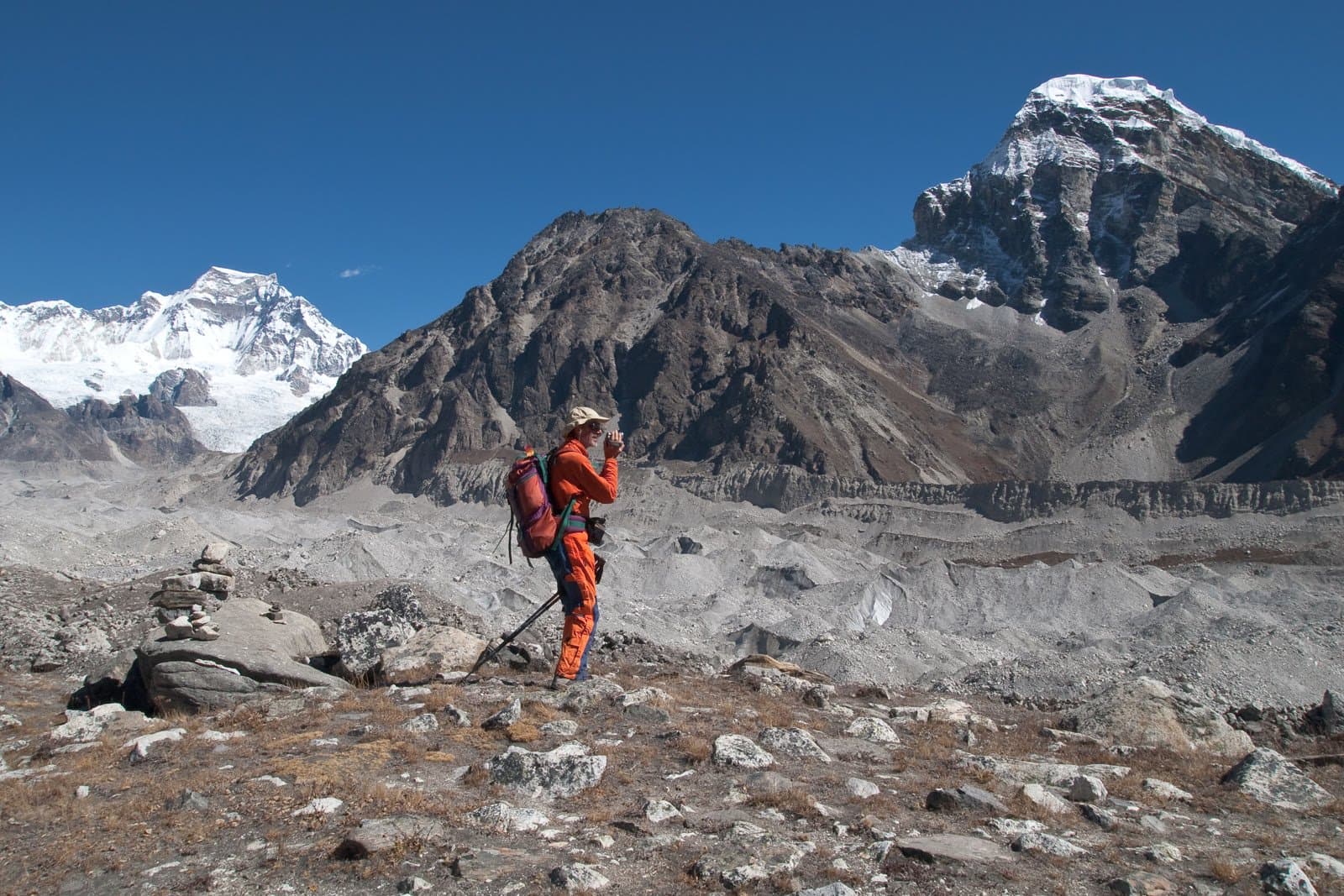
The glacier collapse in Nepal, which triggered the flash floods and mudslides, has raised concerns about the impact of climate change on the region. Rising temperatures and changing weather patterns have increased the risk of natural disasters, making it essential for governments and international organizations to take urgent action to mitigate the effects of climate change.
“Climate change is a pressing issue that requires immediate attention,” said a climate expert. “The Nepal-China border crisis is a stark reminder of the devastating impact of climate change, and we must work together to reduce our carbon footprint and prevent such disasters in the future.”
International Response and Aid
The international community has responded to the crisis, with several countries offering aid and assistance to Nepal and China. The United Nations has also issued a statement, calling for urgent action to support the affected communities.
For more information on the Nepal-China border crisis and other global news, visit Watan News.
Humanitarian Crisis and Relief Efforts
The Nepal-China border crisis has created a humanitarian crisis, with thousands of people in need of food, shelter, and medical care. Relief efforts are underway, with aid agencies and non-governmental organizations working to provide essential supplies and support to those affected by the disaster.
“The humanitarian crisis is dire, and we need urgent support to reach people in need,” said a spokesperson for a relief agency. “We are working tirelessly to provide food, shelter, and medical care to those affected, but we need more resources and support to continue our efforts.”
”
}