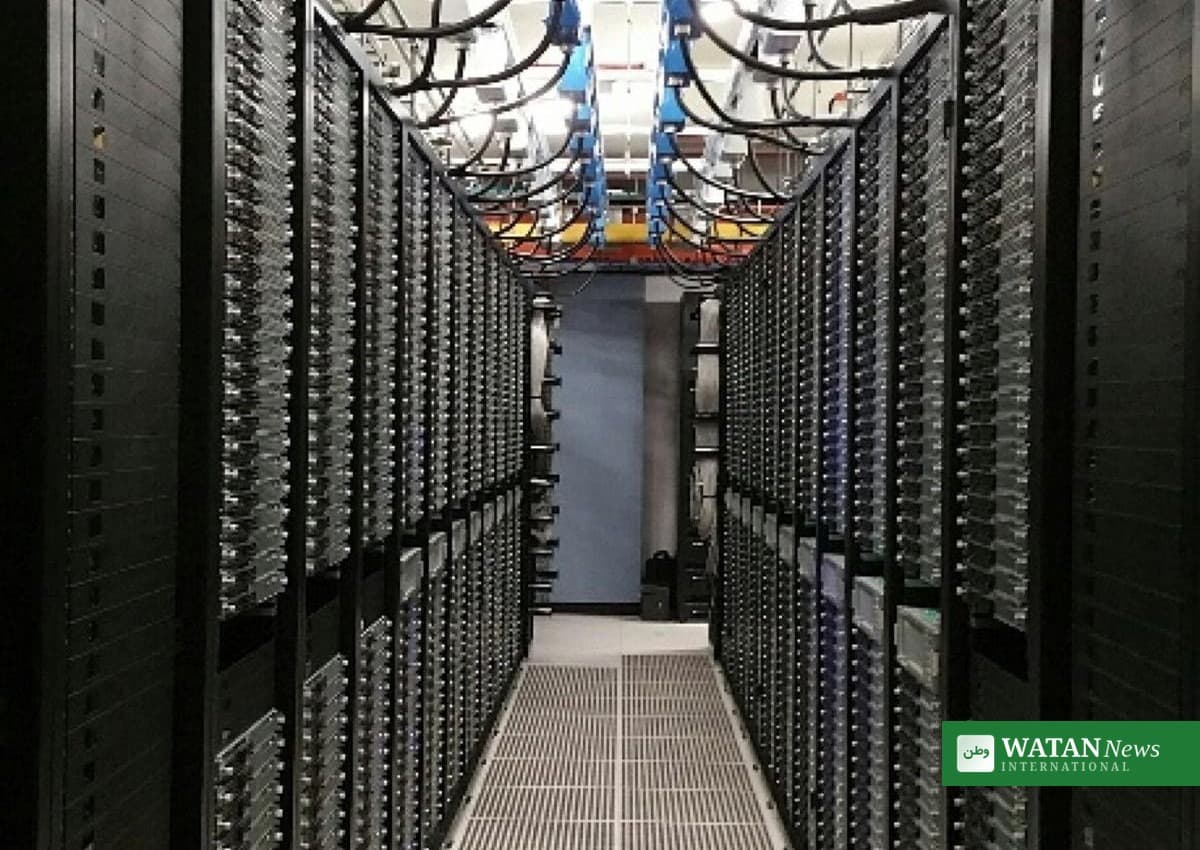
REDMOND — Microsoft has unveiled the Maia 300, its third-generation in-house AI chip, and says the Azure Maia family will become the main system running artificial intelligence across its products and services. The chip is built for inference — running trained AI models to answer questions, hold conversations and carry out multi-step tasks — and Microsoft plans to begin production deployments in 2027.
Read this story on Watan News: Microsoft Unveils Maia 300 AI Chip as Its Main Inference System
FAKTA
- Microsoft announced the Azure Maia 300 on Monday, 12 October 2026, and featured it again at its Ignite conference in San Francisco on 17–20 November 2026.
- Maia 300 is the third generation of Microsoft’s Azure Maia chip family and is designed first for AI inference, not training.
- Microsoft says it will scale Azure Maia to multi-gigawatt deployments starting in 2027, making Maia the primary inference system for its products and services.
- The company expects Maia 300 to deliver 40 percent more tokens per megawatt than leading GPU-based systems — its own claim, not yet independently tested.
- A full rack of 96 Maia 300 accelerators is expected to deliver up to seven times the rack-scale token throughput of Maia 200.
- Production deployments of Maia 300 begin in 2027; the chip is not in use yet.
Inside the Microsoft Maia 300 system
Microsoft announced Maia 300 in a blog post on 12 October 2026 by Scott Guthrie, its executive vice president for cloud and AI, and unveiled it at the Open Compute Project Global Summit in San Jose the same week. The chip was back in the spotlight this week at Microsoft Ignite 2026 in San Francisco, where the company presented it as the next generation of its Maia AI accelerator family.
Microsoft describes Maia 300 as a complete intelligent system rather than a single processor. It is designed for the kinds of AI work that are growing fastest inside the company: long-context reasoning, latency-sensitive conversational experiences and sustained, multi-step work by AI agents. In Microsoft’s words, it uses an inference-first architecture, optimised for long-context, memory-intensive and decode-heavy workloads.
What Microsoft claims it can do
Microsoft says it expects Maia 300 to deliver 40 percent more tokens per megawatt compared with leading GPU-based systems. In a full 96-accelerator configuration, it says the system delivers up to seven times the rack-scale token throughput of Maia 200, its predecessor. Both figures are Microsoft’s own expectations: no independent benchmarks have been published, and the chip has not yet entered production.
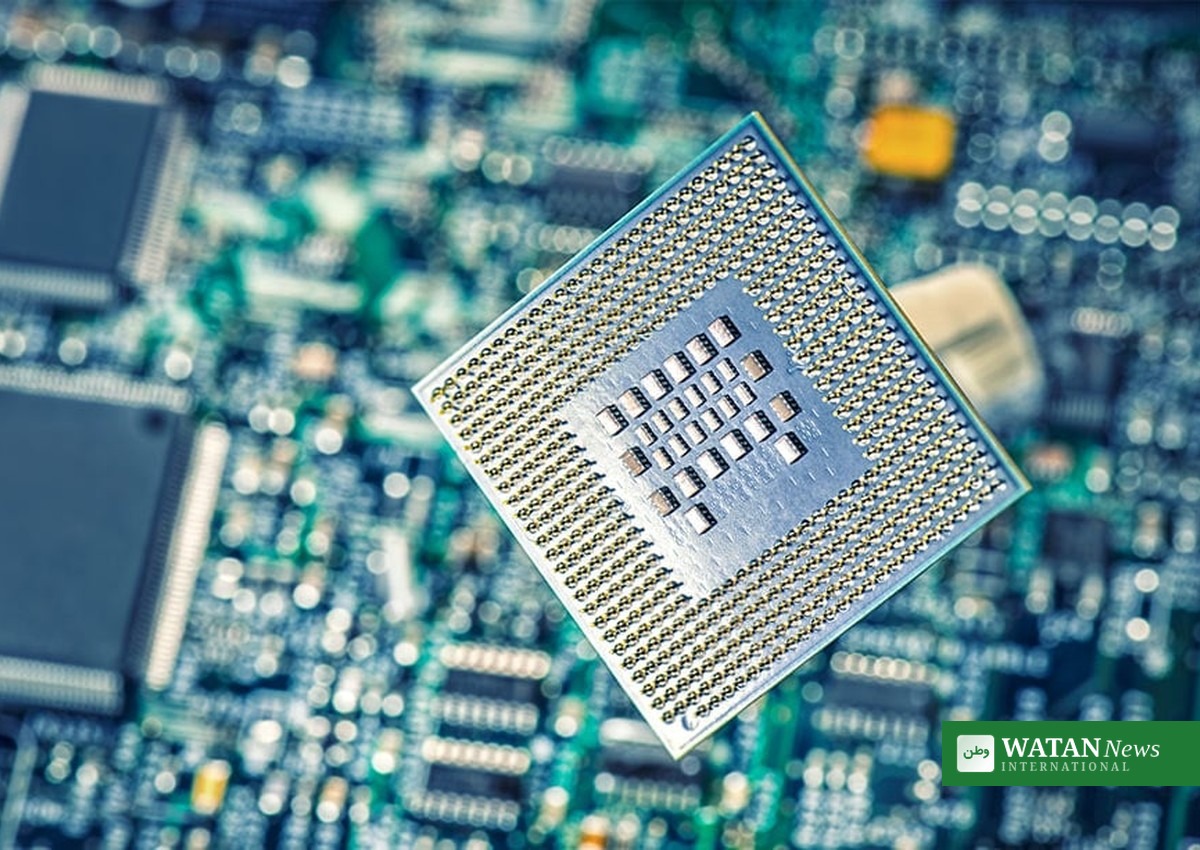
The specifications Microsoft has published point to a chip built around memory speed rather than raw compute alone. Each Maia 300 accelerator carries eight HBM4 memory stacks, providing 288 GB of memory and 18.0 TB/s of peak memory bandwidth within a 950-watt power envelope. Its compute chiplets are built on TSMC’s N2P process, and a new multi-chiplet design separates compute, memory-controller and input/output functions to improve efficiency, scalability and cost.
At rack scale, Microsoft says 96 accelerators fit within a 167-kilowatt power envelope, delivering 27.6 TB of high-bandwidth memory capacity and 1.7 PB/s of aggregate memory bandwidth across a high-speed scale-up domain.
| Specification | Maia 200 | Maia 300 |
|---|---|---|
| Status | In production | Production deployments from 2027 |
| Memory per accelerator | 216 GB HBM3e | 288 GB HBM4 |
| Peak memory bandwidth | 7 TB/s | 18.0 TB/s |
| Power envelope | 750 W | 950 W |
| Process node | TSMC 3nm | TSMC N2P |
Why Microsoft is building its own chips
Maia 300 is part of Microsoft’s push to design more of its own AI hardware instead of relying entirely on processors bought from suppliers such as Nvidia and AMD. In the announcement, Guthrie wrote: “We will scale our Azure Maia family to multi-gigawatt deployments starting in 2027, making Maia the primary inference system for Microsoft products and services.”
The company argues that building its own silicon lets it co-design hardware and software around the workloads it actually runs — its Copilot assistants, its own MAI models, OpenAI models and open-source model families — rather than adapting general-purpose chips. Microsoft has not said it will stop buying GPUs from other suppliers; it describes Maia as becoming the primary inference system for its own products and services, with outside hardware continuing to play a role.
Maia 200 is already at work
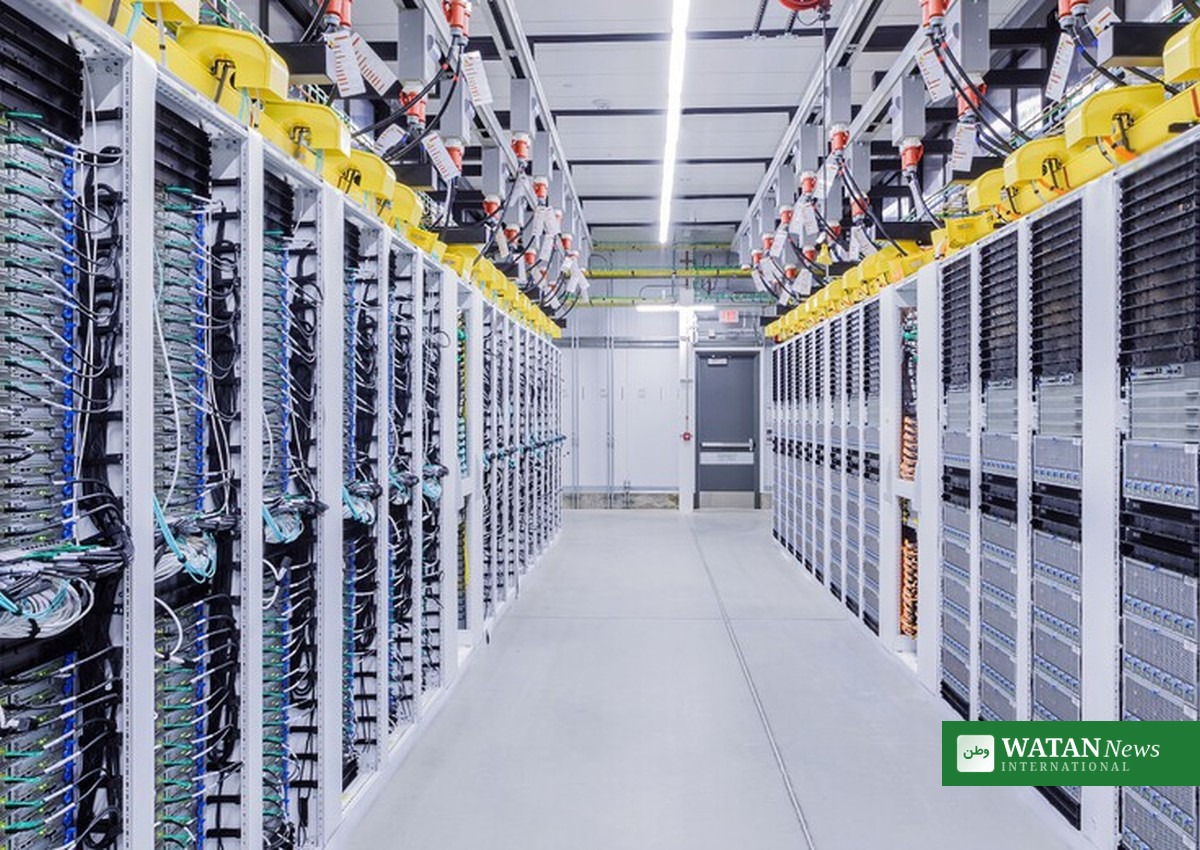
While Maia 300 is still a year away from production, its predecessor is already running live services. Microsoft says Maia 200 is now in production and deployed across the United States, Europe and Australia, serving Microsoft Copilot workloads and supporting the MAI team as it develops next-generation models. GitHub Copilot and Microsoft Foundry were due to follow by the end of the year.
Microsoft says Maia 200 delivers up to 1.7 times more tokens per watt for built-in AI capabilities in Microsoft Teams, Copilot and Cowork experiences compared with leading GPU infrastructure. Experience running those services on Maia 200, the company says, directly informed the design of Maia 300.
What happens next
Microsoft says Maia 300 will begin production deployments in 2027, and that the Azure Maia family will scale to multi-gigawatt deployments from that year. The company has not given a more precise date, a total deployment figure, or a cost. More detail is expected as the 2027 rollout approaches, and the first real test will be whether the chip delivers the efficiency gains Microsoft has promised once it runs live workloads at scale.
Conclusion
Maia 300 is Microsoft’s biggest step yet towards running its AI on its own silicon. The chip is designed for the inference workloads that now dominate its services — long conversations, reasoning and agents — and Microsoft is betting that a system built around memory speed and power efficiency can beat general-purpose GPUs on tokens per megawatt. The claims are ambitious, but they are still only claims: the chip does not enter production until 2027, and until independent results appear, Maia 300 should be judged on Microsoft’s promises, not proven performance.