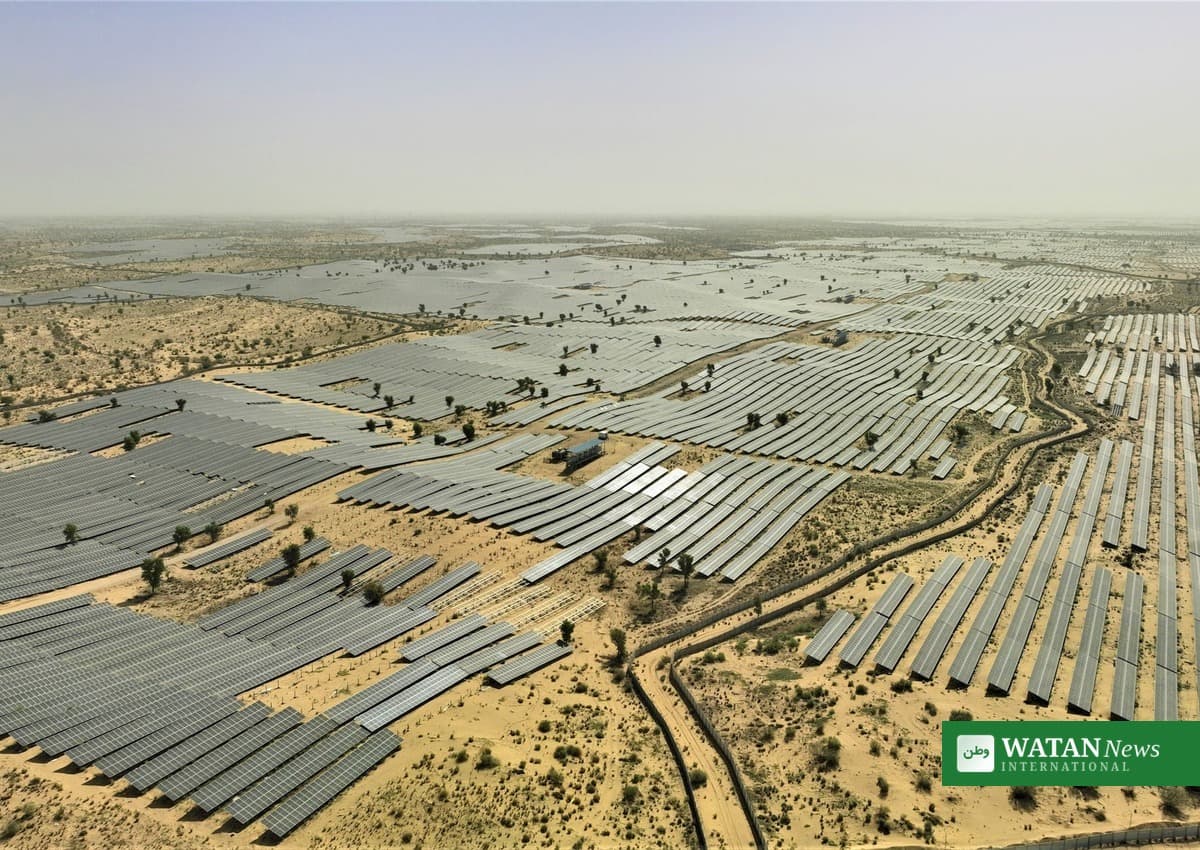
Adani Energy Solutions has won one of India’s largest round-the-clock renewable power contracts, with its subsidiary Powerpulse Trading Solutions securing a 1,750 MW deal to supply West Bengal with clean electricity day and night for 25 years.
The letter of award, announced on 21 November 2026, covers 1,750 MW of renewable energy round-the-clock (RE-RTC) power. It also carries a 750 MW option that would take the total contracted capacity to 2,500 MW if West Bengal’s distribution company exercises it. Power supply is scheduled to start on 1 July 2028 for the firm capacity, with the optional capacity following from 1 April 2029.
FAKTA
- What: A 1,750 MW round-the-clock renewable power supply contract for West Bengal, India, with a 750 MW option that would take the total to 2,500 MW if exercised.
- Who: Powerpulse Trading Solutions Ltd, a wholly owned subsidiary of Adani Energy Solutions Ltd, won the letter of award from West Bengal State Electricity Distribution Co. Ltd (WBSEDCL) after a competitive bidding process and an e-reverse auction.
- Duration: 25 years of supply, starting 1 July 2028 for the firm 1,750 MW and 1 April 2029 for the optional 750 MW.
- How it works: Solar and wind generation combined with battery storage, so power flows steadily through the day and night — not only when the sun shines or the wind blows.
- Sourcing: Powerpulse has tied up about 4.6 GW of solar and wind capacity and about 3.5 GWh of battery storage on the supply side.
- Context: India aims to triple its clean power capacity to 900 GW by 2035, up from just over 300 GW today, according to the Associated Press.
What the deal covers
Powerpulse Trading Solutions received the letter of award from WBSEDCL, the state-owned company that distributes electricity across West Bengal. The award followed a competitive bidding process in which Powerpulse emerged as the successful bidder after the e-reverse auction, Adani Energy Solutions said in a statement from Ahmedabad on 21 November 2026.
The contract is for renewable energy round-the-clock power — a supply format in which the generator commits to deliver electricity at a steady level through the day and night, rather than only when its solar panels or wind turbines are producing. The 1,750 MW is the firm part of the award. The additional 750 MW depends on a greenshoe option in the letter of award, so the 2,500 MW figure used in some headlines is the maximum, not the firm award.
“Round-the-clock renewable power will be critical to India’s energy transition, combining the sustainability of renewables and optimising transmission systems usage,” said Kandarp Patel, chief executive of Adani Energy Solutions. He said the order strengthens the company’s commitment to scalable energy solutions and its partnership with WBSEDCL in supporting West Bengal’s long-term power needs.
The company has not disclosed the tariff agreed in the auction.
What round-the-clock renewable power means
Solar panels produce power only in daylight and wind turbines only when the wind blows, so a single solar or wind farm cannot by itself guarantee steady supply. Round-the-clock contracts solve that problem by combining sources: solar and wind generation together with battery storage, which charges when generation is high and discharges after sunset or when the wind drops.
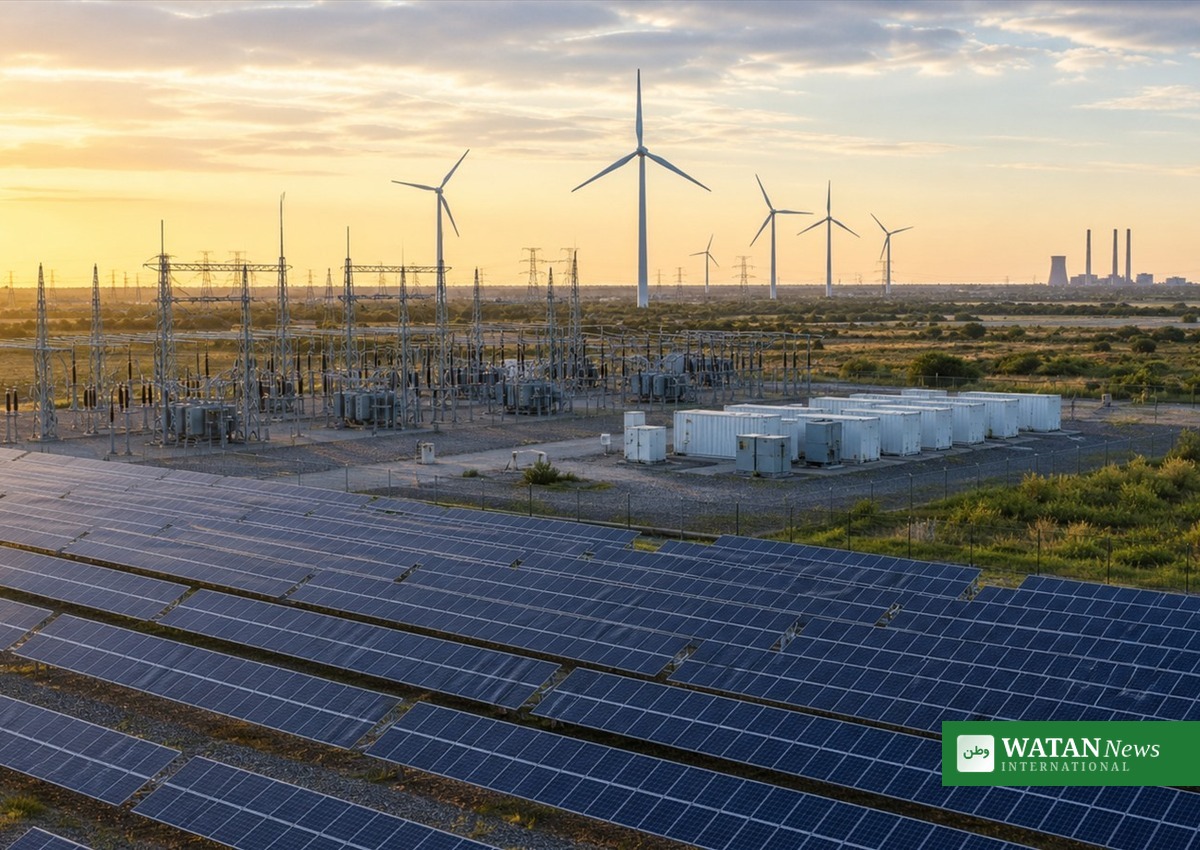
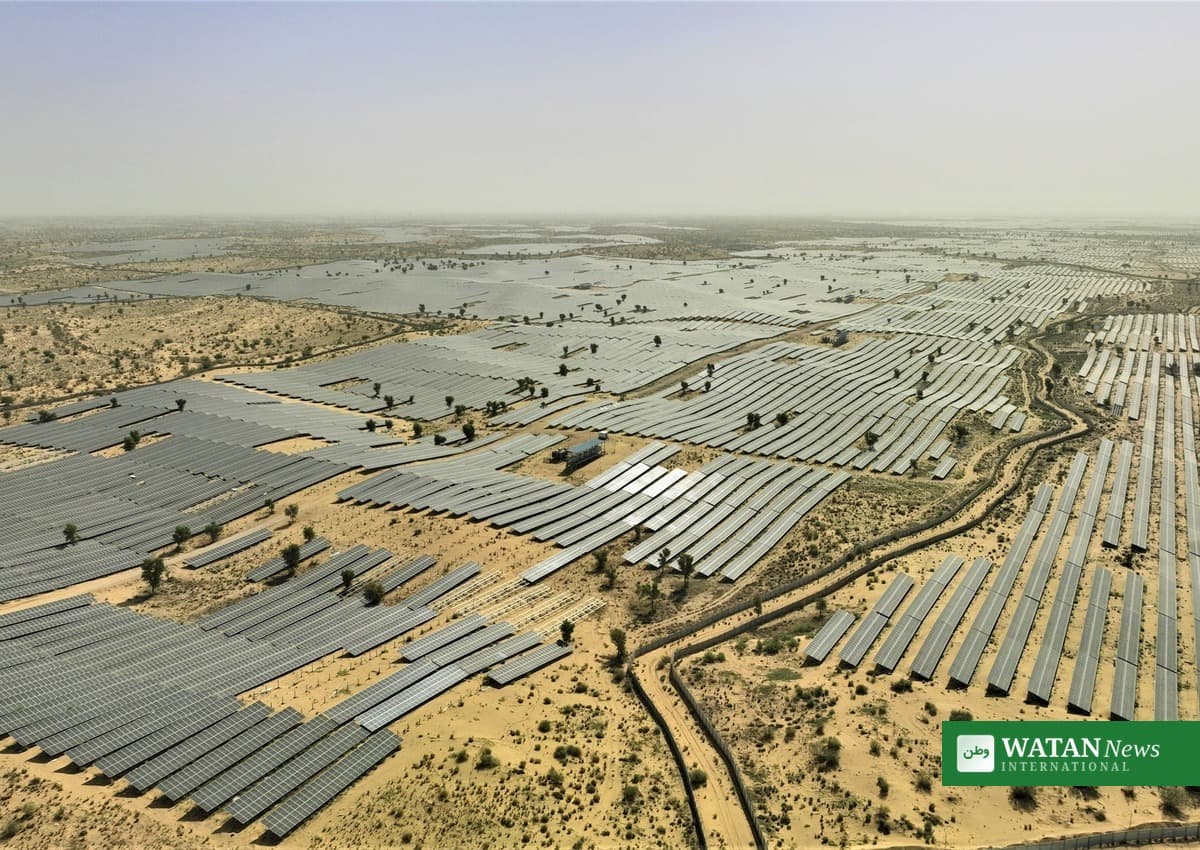
Solar panels, battery storage and wind turbines working together. Storage is what turns variable sunshine and wind into steady, round-the-clock renewable power.
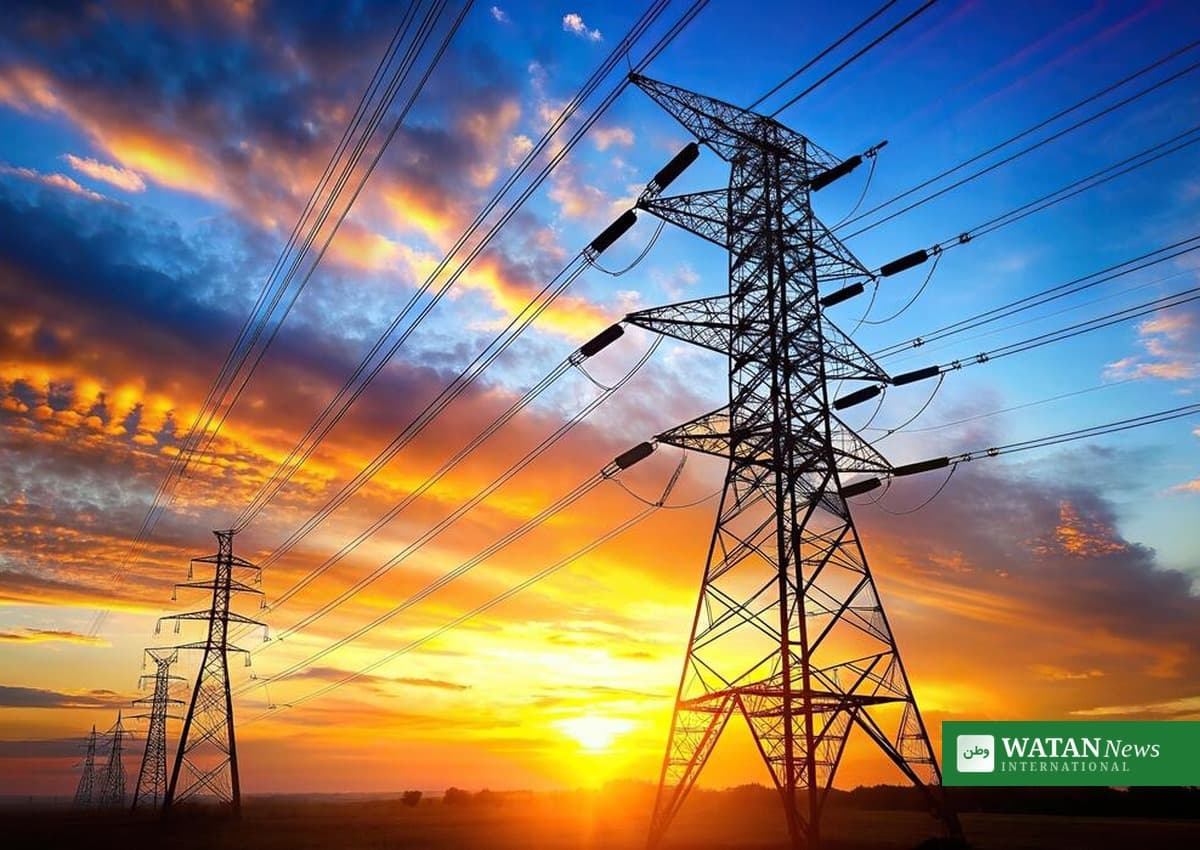
For a distribution company such as WBSEDCL, that steadiness matters. It can plan its grid around a known, continuous supply instead of managing the peaks and troughs of a single technology, and it makes better use of transmission lines that would otherwise sit idle at night. India has been moving towards this model for several years, with firm and dispatchable renewable energy contracts becoming a growing share of new tenders.
Why West Bengal, why now
The deal lands as India raises its clean-energy ambitions. India announced in late September 2026 a goal of installing 900 GW of clean power by 2035 — enough, the government says, to supply more than 1 billion homes — and has approved nearly $20 billion in power grid upgrades to ease bottlenecks that keep some solar and wind energy from reaching consumers, the Associated Press reported on 14 November 2026.
The 900 GW goal covers non-fossil sources, including solar, wind, hydropower and nuclear energy. It is nearly twice India’s existing target of 500 GW of clean power by 2030. India’s current clean power capacity of just over 300 GW ranks it third in the world, behind China and the United States.
West Bengal, a state of more than 100 million people with heavy industry and growing cities, is one of the large demand centres where steady clean power is hardest to arrange — and where a 25-year round-the-clock contract gives the distribution company long-term certainty about supply.
The sourcing side: solar, wind and batteries
On the supply side, Powerpulse says it has tied up about 4.6 GW of solar and wind capacity and about 3.5 GWh of battery energy storage, and is steadily building long-term supply contracts with bulk consumers such as industries, data centres, commercial entities and distribution companies.
Adani Energy Solutions is India’s largest private transmission company, with a cumulative transmission network of 30,683 circuit kilometres and 146,585 MVA of transformation capacity. Its retail distribution business serves about 13 million consumers in metropolitan Mumbai and the Mundra special economic zone, and it is expanding its smart metering business.
Part of a bigger COP31 picture
The West Bengal deal fits a pattern visible at the COP31 climate talks in Antalya, where electrification has been a central theme. The draft COP31 cover decision keeps the goal of raising electricity’s share of final energy use to 35 percent by 2035, and the summit’s wind roadmap charts a path from a record 165 GW of wind added in 2025 to 4 TW by 2035 — read our coverage of COP31’s wind roadmap. Rooftop solar is setting records too: the UK passed its previous annual installation record with six weeks of 2026 still to go — read our coverage of the UK rooftop solar record.
Round-the-clock contracts are the bridge between those records and the grid: they turn record amounts of solar and wind capacity into power that arrives whenever people need it.