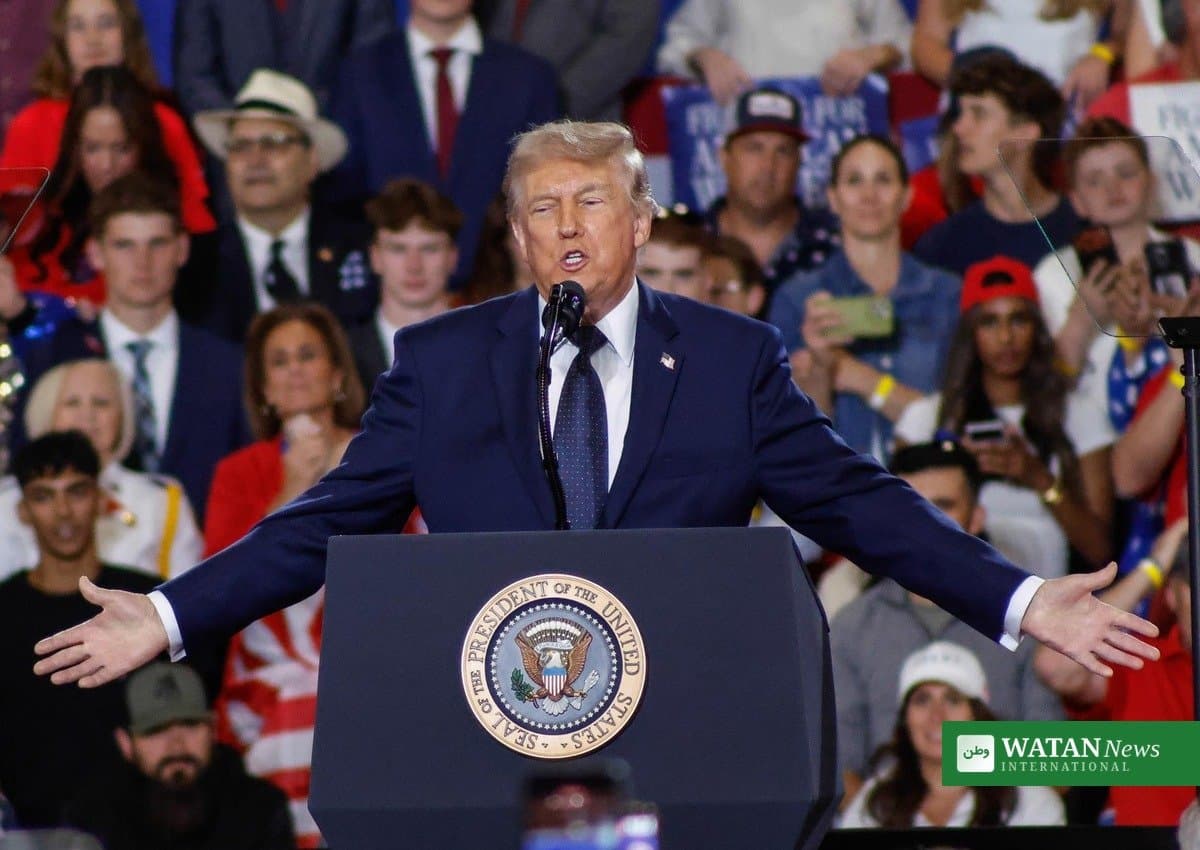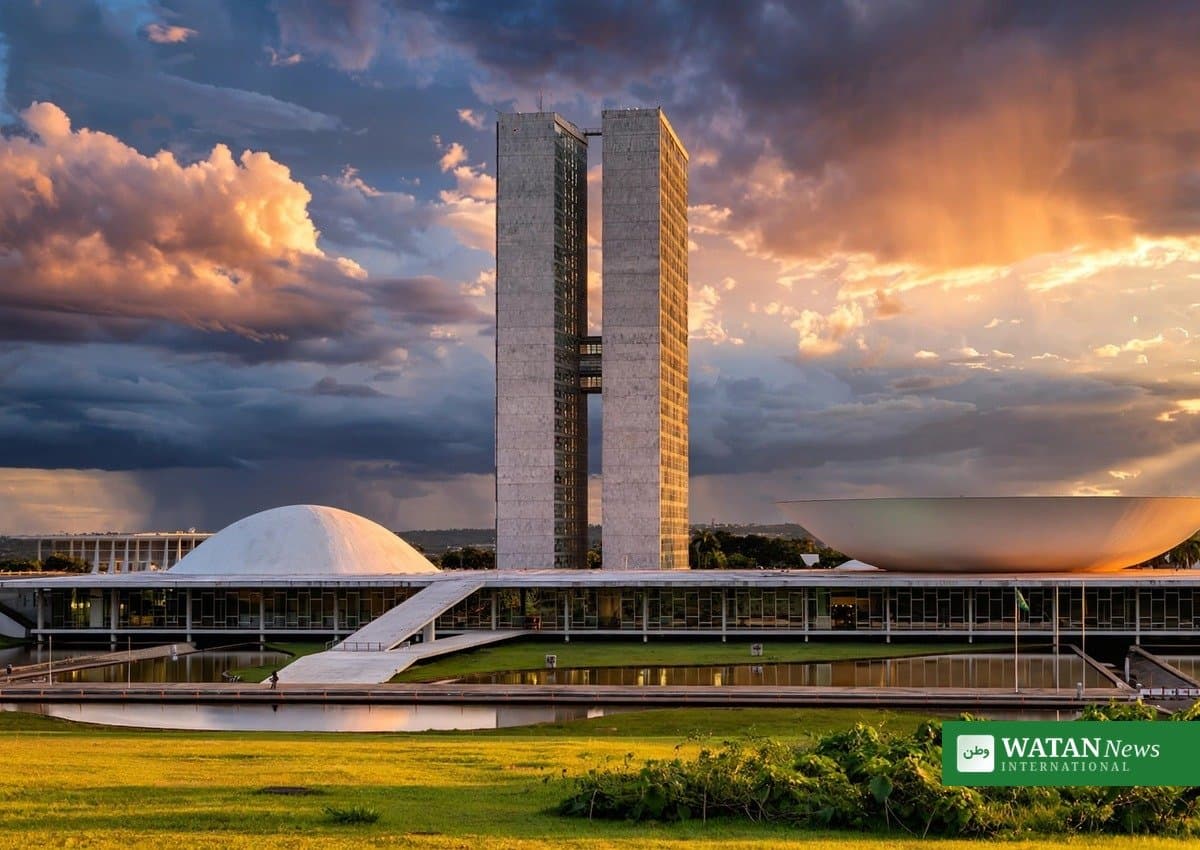
Brazilian Senator Flávio Bolsonaro said on Tuesday he will vote in favor of ending Brazil’s six-day workweek, reversing his long-held opposition to a popular labor reform just a day before the Senate was expected to vote on it. The shift, reported by Reuters on October 13, lands in the middle of a tight presidential runoff campaign in which the workweek has become a central battleground.
FAKTA
- Senator Flávio Bolsonaro said on October 13 he would back the constitutional amendment cutting Brazil’s workweek from 44 to 40 hours, ending the common six-day (6×1) shift
- The measure, approved by Brazil’s lower house in May, faces a first-turn Senate vote on Wednesday, October 14, needing 49 of 81 votes in each of two turns
- Bolsonaro led President Luiz Inácio Lula da Silva in the first round with 47% of votes cast; the two face a runoff on October 25
- A Quaest poll in July found nearly 70% of Brazilians support ending the six-day workweek
- The proposal would phase in the cut: 42 hours after two months, then 40 hours after one year, with two paid weekly rest days and no salary reduction
Brazil six-day workweek: what changed
Bolsonaro, the son of former president Jair Bolsonaro, had long opposed the reduction, arguing it was designed to boost Lula’s reelection prospects, and had said the vote should wait until after the runoff. On Tuesday, he changed course. “Most Brazilian workers want to see the end of the six-day workweek, so I’m going to vote in favor of ending it,” he told journalists, adding that the government would need to offset the impacts on business.
The statement came after a visit to his father, according to Brazilian press coverage, and followed weeks of public pressure and street protests over the issue. Bolsonaro also raised reservations about the text, saying it does not address some working arrangements such as teleworking, and said his preferred model would let workers negotiate hours directly with employers.

Senate vote set for October 14
Senate President Davi Alcolumbre scheduled the first-turn vote for Wednesday, October 14. Each turn of a constitutional amendment requires three-fifths support — at least 49 of the 81 senators. According to reports on the Senate schedule, the proposal phases the reduction in: first to 42 hours after two months, then to 40 hours after one year, guaranteeing two paid weekly rest days, one of them preferably on Sunday.
The government has pressed to conclude both voting turns before the October 25 runoff. Bolsonaro’s Liberal Party (PL) had not formally announced a position change as of Tuesday; reports said the party planned to let senators vote individually, while his campaign coordinator Rogério Marinho had urged abstention.

Lula welcomes the reversal
Lawmakers aligned with President Lula had pushed for a Senate vote before the runoff, hoping to secure approval while the measure’s momentum is strongest. Lula welcomed Bolsonaro’s change of position during an official event on Tuesday, saying it appeared the party had moved “following public pressure and street protests.”
The reversal is widely seen as an attempt to keep the workweek issue from becoming a liability in the runoff, which analysts describe as Brazil’s closest presidential contest in decades. Cutting the workweek would mark the biggest overhaul of Brazilian labor rights in decades.
Read more Americas coverage at watannews.dk, including the federal investigation involving Rep. Ilhan Omar.
Conclusion
Flávio Bolsonaro’s reversal turns the Senate’s October 14 vote into the pivotal moment of Brazil’s workweek fight — and of the final stretch of the presidential runoff. Whether the amendment clears the 49-vote threshold will decide not only the fate of the six-day shift for millions of workers, but also which candidate carries the labor agenda into the October 25 vote.