From the whitewashed villages of Santorini to the turquoise lagoons of the Maldives, from Samarkand’s Silk Road domes to the desert canyons of AlUla — 2026 is a year for the great world tour. International travel keeps growing, with UN Tourism counting 690 million international arrivals in the first half of 2026 and Europe, Africa and the Americas all posting gains. This guide rounds up the most spectacular travel destinations of 2026 across eight regions: Europe, the USA, Asia, the world’s great islands, Azerbaijan, Uzbekistan, Saudi Arabia and the Gulf.
FAKTA
- UN Tourism recorded 690 million international tourist arrivals in the first half of 2026, up 0.4%; Europe grew 3%, Africa 4% and the Americas 2%, while Asia-Pacific rose 1% and remains below 2019 levels
- AlUla in Saudi Arabia — home to Hegra, the kingdom’s first UNESCO World Heritage Site — earned 10 entries in the 2026 MICHELIN Guide for Saudi Arabia
- The Maldives welcomed 1.228 million visitors between January and July 2026, with an average stay of 7.2 days, and targets 2.5 million arrivals for the full year
- Azerbaijan saw arrivals from Uzbekistan jump 40.2% to 42,288 in January–July 2026 as Silk Road tourism corridors expand
- Best visiting window for desert destinations such as AlUla: the cooler months from October to April
Europe: timeless classics and Alpine drama
Europe remains the world’s most visited region, with arrivals up 3% in the first half of 2026, and its classics never lose their pull. In Greece, Santorini’s caldera villages of Oia and Fira spill down volcanic cliffs above the Aegean, made for sunset watching, while Athens pairs the Acropolis with a thriving food scene. Italy offers Rome’s Colosseum and Vatican treasures, Venice’s canals and the cliff-hugging villages of the Amalfi Coast. France counters with Paris — the Eiffel Tower, the Louvre and boulevard cafés — and the lavender fields and hill towns of Provence.
The Alps and beyond
For mountain lovers, the Swiss Alps deliver the Matterhorn’s perfect pyramid above Zermatt, glacier rail journeys and summer hiking trails through flower meadows. Spain’s Barcelona blends Gaudí’s Sagrada Família with Mediterranean beaches, while Croatia’s Dalmatian coast — Dubrovnik’s medieval walls, Split’s palace-city — remains one of Europe’s great island-hopping grounds. Europe’s tourism sector is also leaning green: the recent WTTC Global Summit in Malta charted a course for sustainable travel as the continent eyes 3.1% tourism growth, as reported by Watan News.
USA: from canyon country to city lights
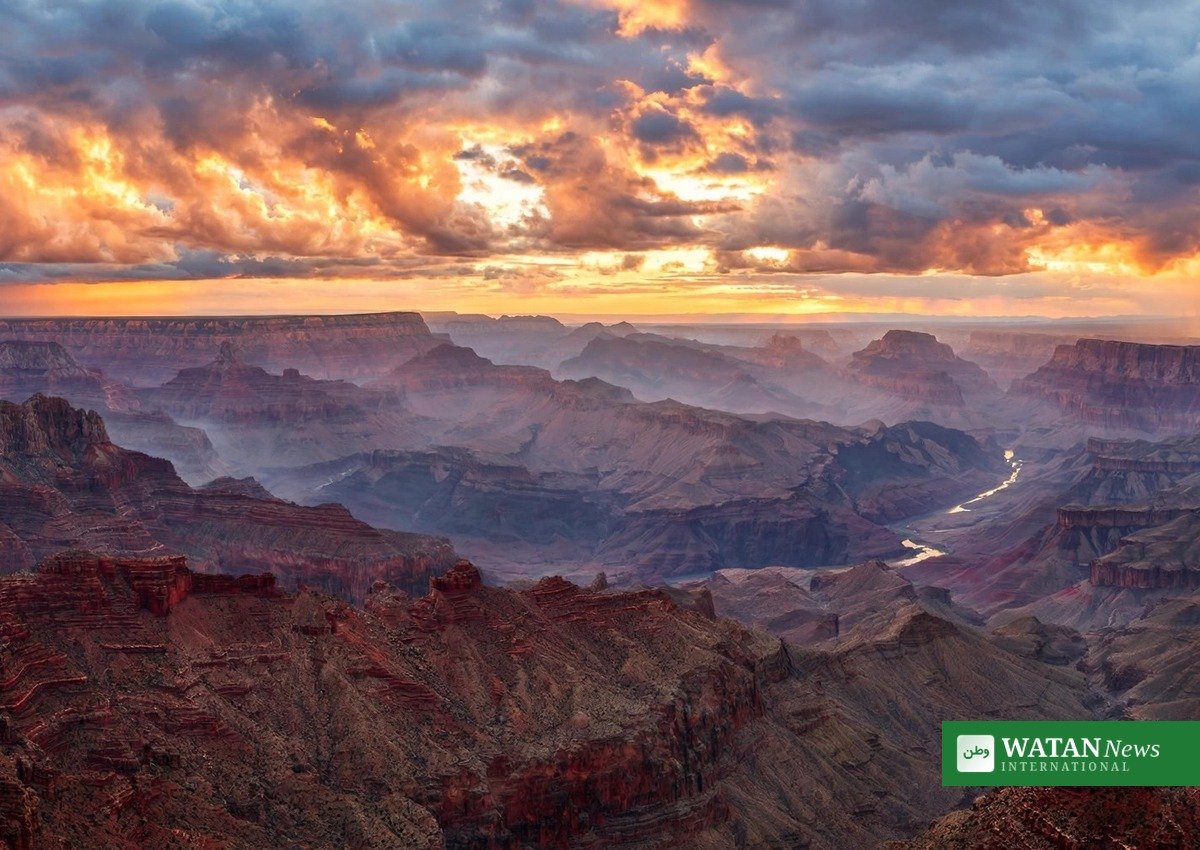
The United States packs a continent’s worth of variety into one trip. Arizona’s Grand Canyon, a UNESCO World Heritage Site, drops nearly two kilometres into layered red rock — sunrise at the South Rim is the essential American panorama. Wyoming and Montana’s Yellowstone, the world’s first national park, pairs geysers and hot springs with bison herds. New York City needs no introduction: the Statue of Liberty, Central Park, Broadway and the skyline from Top of the Rock. Hawaii’s volcanic islands and Alaska’s glaciers and fjords bookend the country’s wild edges, while the historic Route 66 still runs 2,400 miles of Americana from Chicago to Santa Monica.
Asia: temples, megacities and tropical shores
Asia’s recovery continues — arrivals rose 1% in the first half of 2026 though the region still sits below 2019 levels, which means fewer crowds at the great sights. Japan is the headline act: Kyoto’s vermilion shrines and bamboo groves, Tokyo’s neon-and-tradition contrast, and spring cherry blossoms and autumn maples framing it all. Indonesia’s Bali pairs emerald rice terraces and Hindu temples with surf beaches. Vietnam’s Ha Long Bay, a UNESCO site, floats limestone karsts in emerald water. India’s Taj Mahal in Agra remains the world’s great monument to love, and China’s Great Wall snakes across mountain ridges for thousands of miles.
Islands: the Maldives and the world’s great atolls
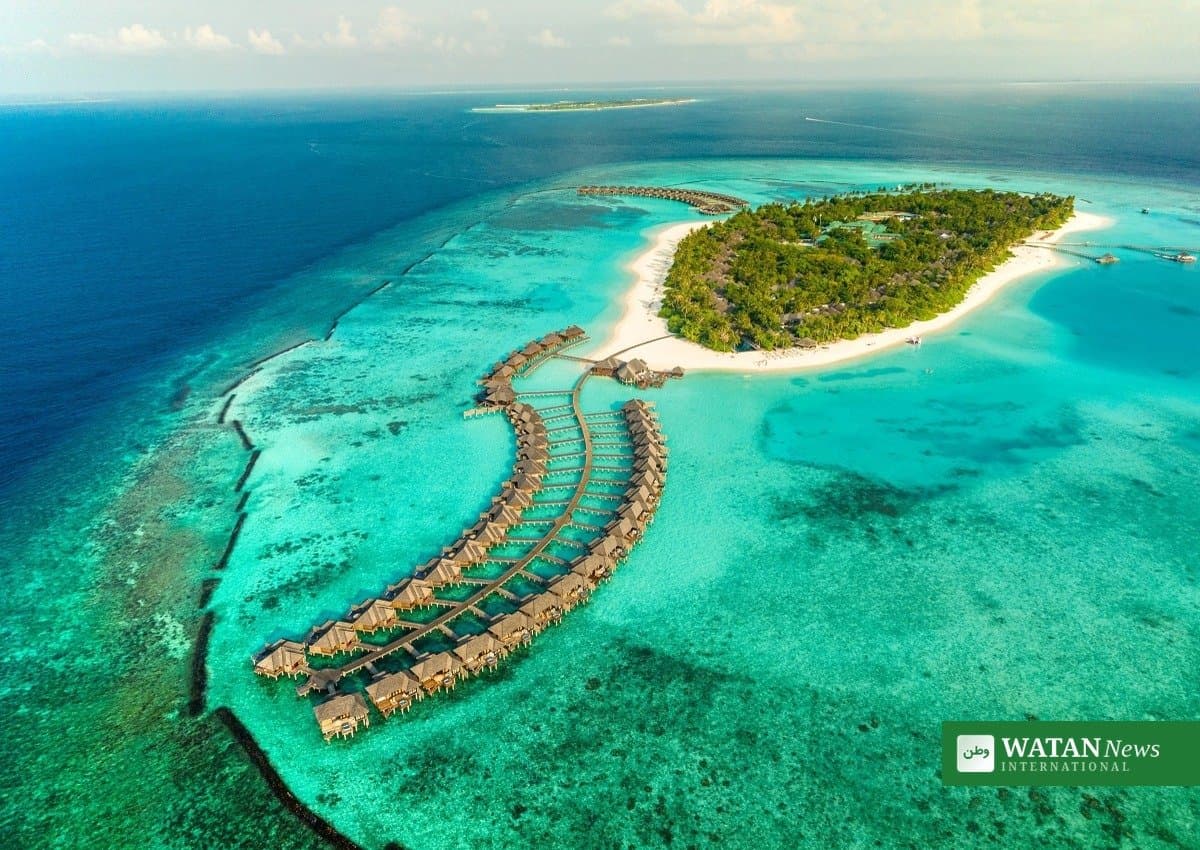
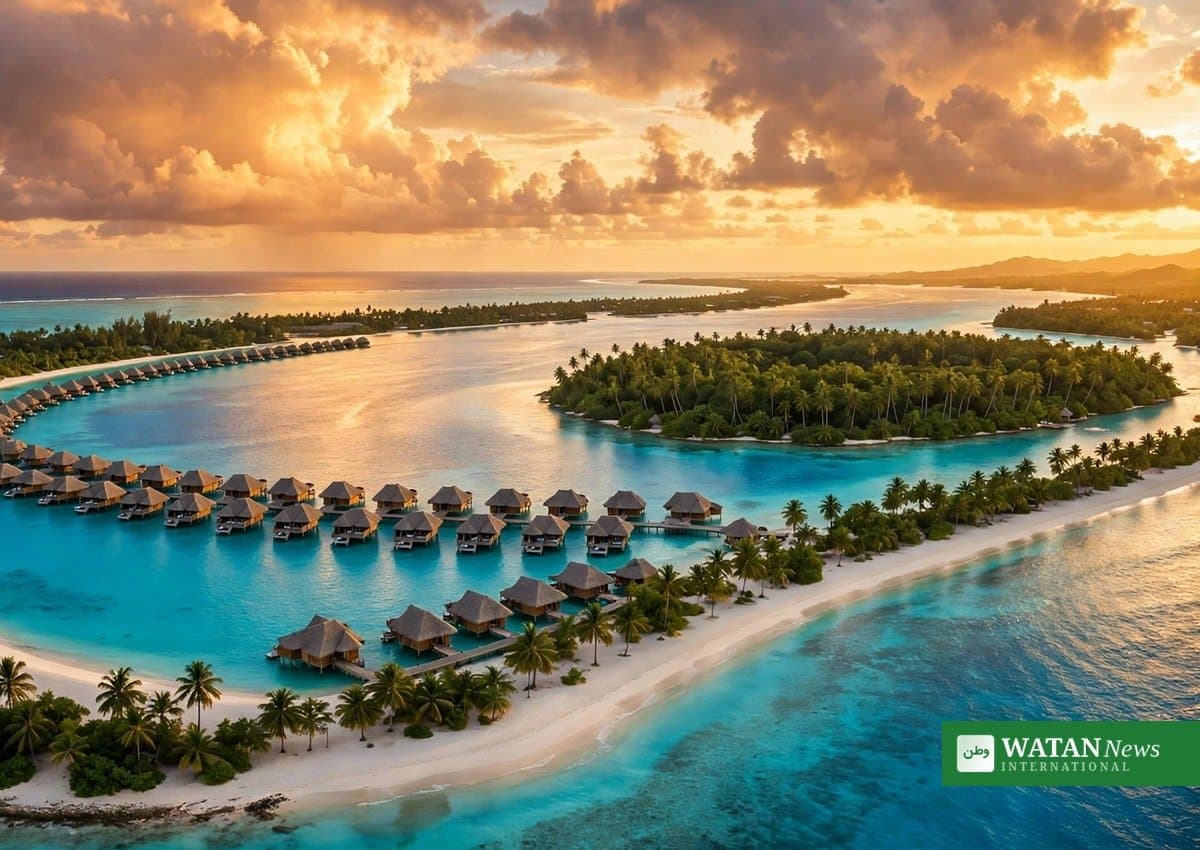
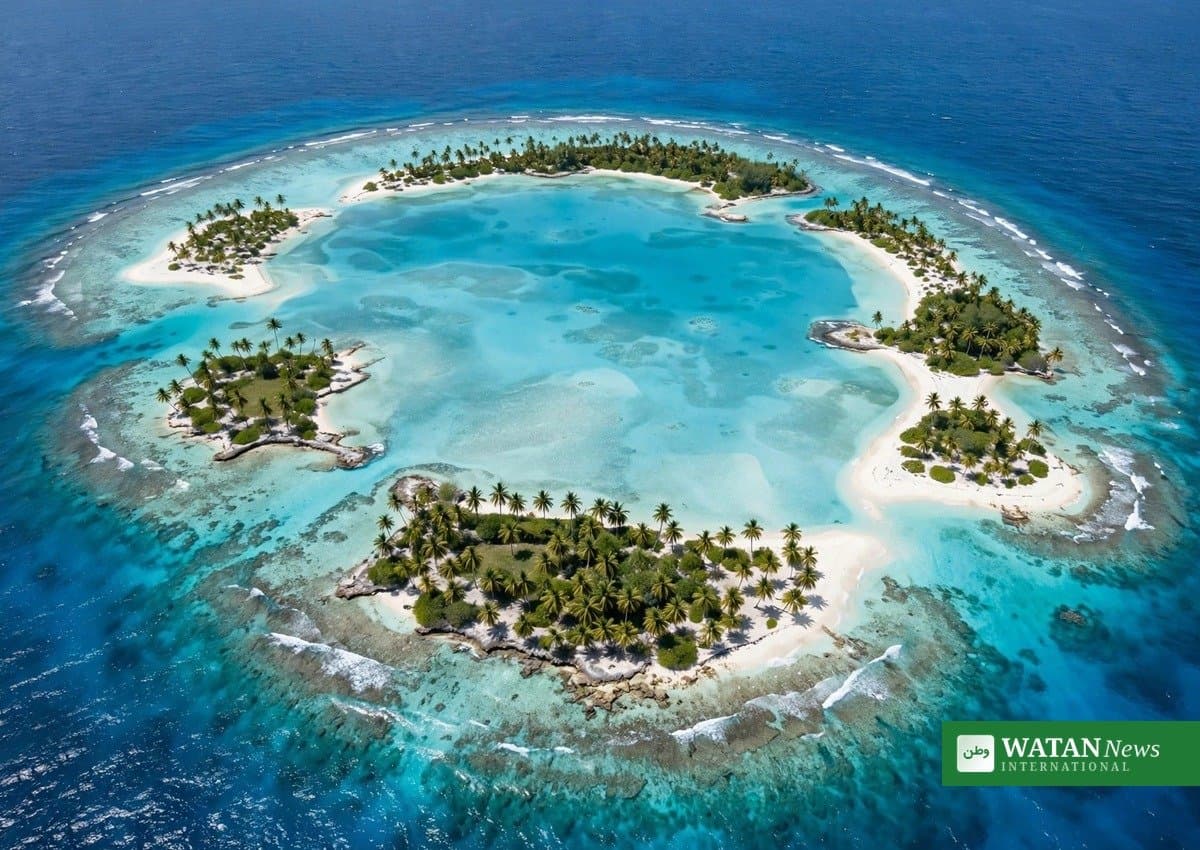
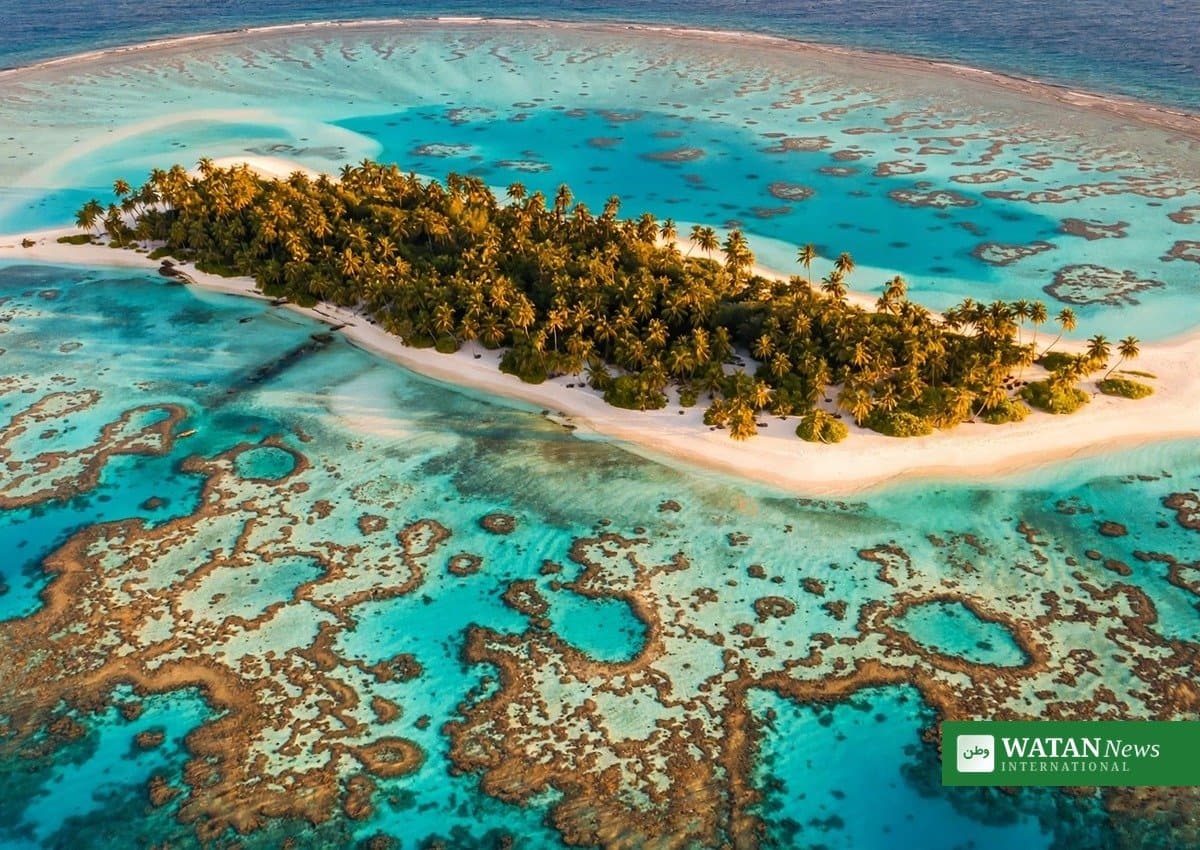
For pure escape, nothing beats an island. The Maldives — a chain of coral atolls in the Indian Ocean — welcomed 1.228 million visitors in the first seven months of 2026, with stays averaging 7.2 days and resorts hosting more than 70% of guests. Overwater villas, house-reef snorkelling with turtles and manta rays, and sandbank picnics define the experience; the government targets 2.5 million arrivals for 2026. Bora Bora in French Polynesia offers the South Pacific’s most photographed lagoon beneath Mount Otemanu. The Seychelles pair granite boulder beaches with giant tortoises, and Mauritius blends lagoons with Creole culture and rum estates.
Azerbaijan: the Land of Fire opens up
Azerbaijan — the “Land of Fire” — is one of 2026’s rising destinations. Baku, on the Caspian Sea, fuses the medieval walled Old City of Icherisheher, a UNESCO World Heritage Site, with the flame-shaped Flame Towers and a glittering waterfront promenade. Beyond the capital: Gobustan’s 40,000-year-old rock petroglyphs (also UNESCO-listed), the ever-burning natural gas fire of Yanar Dag, bubbling mud volcanoes, the mountain resort of Shahdag and the Silk Road town of Sheki with its Khan’s Palace. Tourism is diversifying fast: arrivals from Uzbekistan jumped 40.2% to 42,288 in January–July 2026, Kazakhstan sent 62,079 visitors (up 5.5%), and more than 181,000 foreign visitors arrived in January alone. Baku’s Formula 1 race drew special visa facilitation for accredited visitors.
Uzbekistan: the Silk Road’s living museum
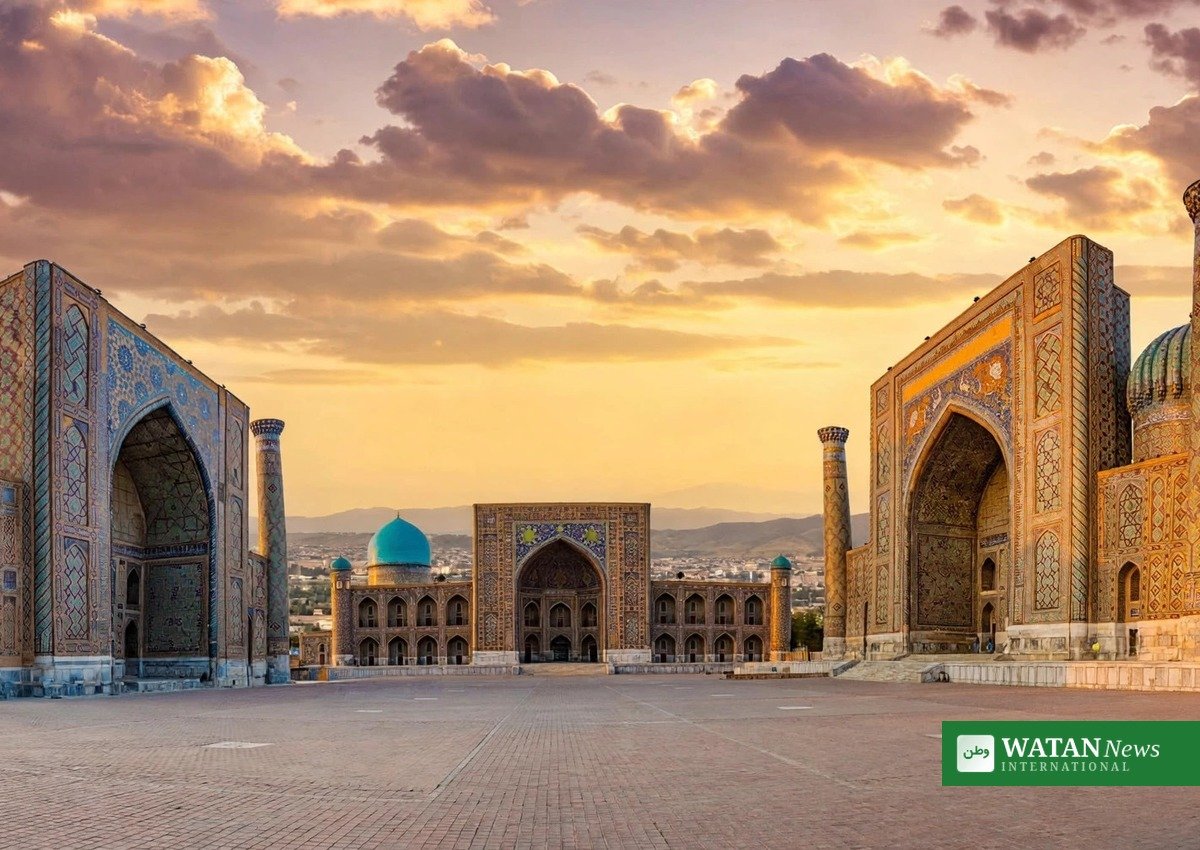
Uzbekistan is Central Asia’s cultural crown jewel. Samarkand’s Registan Square — three madrasas faced in turquoise tile around a vast plaza — is one of the most breathtaking sights on earth, flanked by the avenue of tombs at Shah-i-Zinda. Bukhara’s old town, a UNESCO World Heritage Site, preserves 2,500 years of Silk Road history in its domed bazaars and minarets. Khiva’s Itchan Kala, another UNESCO site, is a perfectly preserved walled desert city. Tashkent adds Soviet-era metro palaces and modern museums. A joint Tourism Action Plan with Azerbaijan, unified Silk Road tour packages and visa-free travel arrangements are making the Baku–Tashkent–Samarkand corridor one of Central Asia’s fastest-growing routes.
Saudi Arabia: AlUla, the world’s greatest living museum
AlUla in northwestern Saudi Arabia has become the Middle East’s most talked-about destination. Hegra (Mada’in Salih), the kingdom’s first UNESCO World Heritage Site, holds more than 100 monumental tombs carved into sandstone outcrops by the Nabataeans over 2,000 years ago — best seen at sunrise or sunset on a guided tour. Elephant Rock (Jabal AlFil), a 52-million-year-old natural arch, glows at dusk beside an open-air lounge. Maraya, the world’s largest mirrored building, reflects the desert in 9,740 square metres of glass. AlUla Old Town’s 900-year-old mudbrick lanes, the ancient Lihyanite capital of Dadan and the open-air inscriptions of Jabal Ikmah complete the circuit. The 2026 MICHELIN Guide for Saudi Arabia featured 10 AlUla hotels and restaurants, including One MICHELIN Key stays at Dar Tantora and Banyan Tree AlUla. The best time to visit is October to April; citizens of 66 countries can get a Saudi e-visa online for about USD 140, valid a year with stays up to 90 days.
The Gulf: futuristic cities and desert heritage
The Gulf pairs futuristic skylines with deep heritage. Dubai stacks the Burj Khalifa — the world’s tallest building — the Palm Jumeirah and vast malls against desert safaris; Dubai’s airports are betting on narrowbody jets and sustainable aviation fuel to reshape regional travel, as Watan News reported. Abu Dhabi offers the Sheikh Zayed Grand Mosque and the Louvre Abu Dhabi. Qatar’s Doha blends the Museum of Islamic Art with the Souq Waqif. Oman — Muscat’s forts, Nizwa’s souqs and Salalah’s green Khareef season — remains the Gulf’s great nature escape, while Bahrain adds pearl-diving heritage and Formula 1 nights.
Travel destinations 2026 at a glance
| Region | Signature destination | Signature highlight |
|---|---|---|
| Europe | Santorini, Greece | Caldera sunsets over whitewashed cliff villages |
| USA | Grand Canyon, Arizona | Sunrise over two kilometres of layered red rock |
| Asia | Kyoto, Japan | Vermilion shrines, bamboo groves and geisha districts |
| Islands | Maldives | Overwater villas and house-reef snorkelling in turquoise lagoons |
| Azerbaijan | Baku | Icherisheher’s medieval walls beside the Flame Towers |
| Uzbekistan | Samarkand | Registan Square’s turquoise-tiled Silk Road madrasas |
| Saudi Arabia | AlUla | Hegra’s 2,000-year-old Nabataean rock tombs |
| Gulf | Dubai, UAE | The Burj Khalifa and desert safaris beyond the skyline |
Related Articles
- Luxury Travel Destinations 2026 — the finest luxury escapes of the year
- WTTC Global Summit Charts Course for Green Travel — Europe’s tourism eyes 3.1% growth
- SAS Restarts Nonstop Copenhagen–Mumbai Flights — new air links after 17 years
- Dubai Airports CEO on the Future of Travel — narrowbody jets and green fuel
Conclusion
Whether it is Europe’s timeless cities, America’s canyon country, Asia’s temples, the Maldives’ lagoons, Azerbaijan’s fire mountains, Uzbekistan’s Silk Road domes, AlUla’s desert tombs or the Gulf’s futuristic skylines — 2026 offers a world tour without parallel. Travel is growing again, if more selectively than before, and the destinations rewarding the curious traveller most are the ones pairing spectacle with story. Pick your region, plan around the seasons, and go.