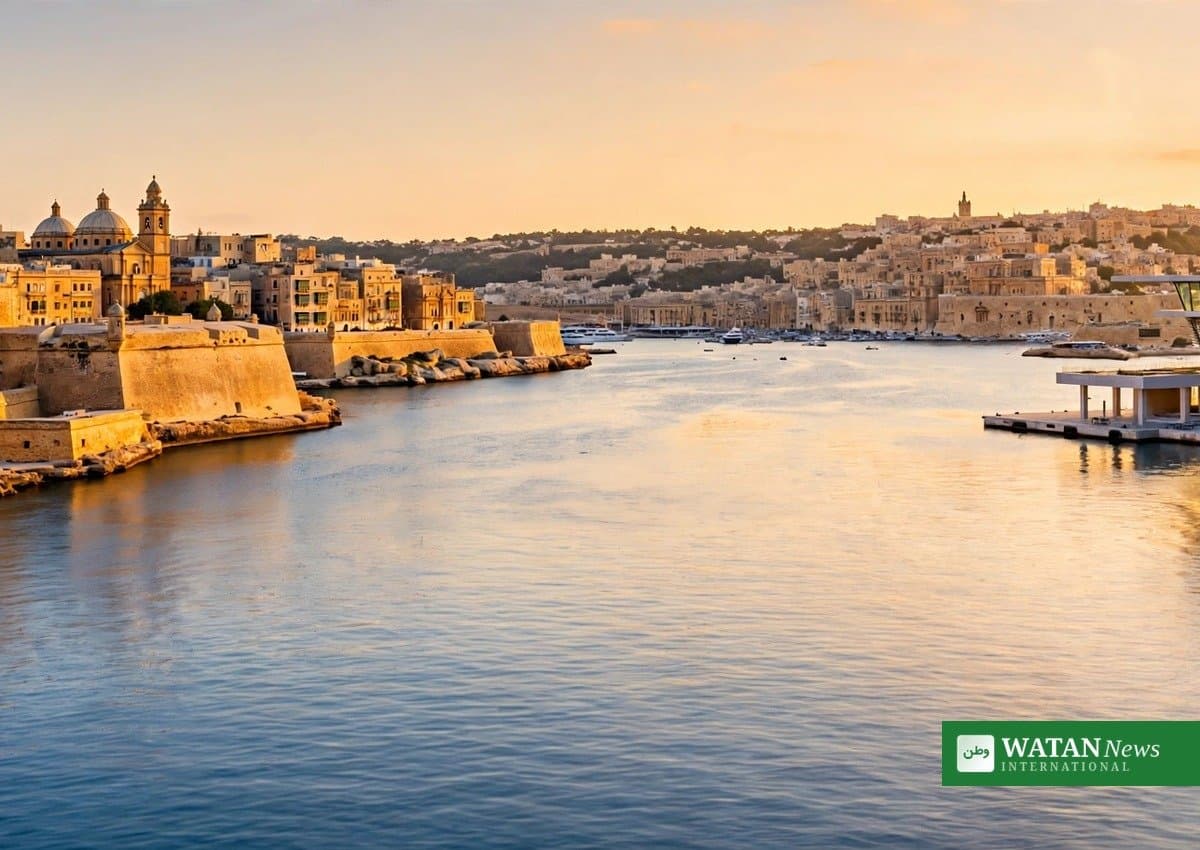
VALLETTA — More than 1,000 delegates and 200 of the world’s leading travel and tourism chief executives gathered in Malta this week for the 26th World Travel & Tourism Council (WTTC) Global Summit, where sustainable growth and green travel took centre stage alongside a bullish new forecast: Europe’s travel and tourism sector is expected to grow by 3.1 per cent in 2026.
The summit, held from 7 to 9 October at the Mediterranean Conference Centre in Valletta under the theme “FUTU[RE]SET: Shaping the Future of Travel & Tourism”, brought public and private sector leaders together to weigh the forces reshaping how the world travels — from artificial intelligence and connectivity to the climate pressures forcing destinations to rethink growth.
A Summit Shaped Around Sustainability
Sustainability ran through the three-day programme. Panels examined how destinations can encourage tourism growth without adversely affecting local communities, with sustainable growth, destination competitiveness and accessibility on the official agenda. WTTC President and CEO Gloria Guevara called on governments to create the right conditions for growth, including seamless travel, stronger connectivity, talent development and support for sustainable growth.
Among the headline speakers were former Canadian Prime Minister Justin Trudeau, former Spanish Prime Minister José María Aznar, European Commissioner for Sustainable Transport and Tourism Apostolos Tzitzikostas, and Nick Adams, the first United States Presidential Envoy for Tourism. Chief executives from Hilton, IHG, Four Seasons, Capital A, Trip.com Group and MSC Group were also among the delegates.

Europe’s Tourism Outlook for 2026
The forecast, unveiled at the summit’s opening press conference on 7 October, shows Europe’s travel and tourism sector expanding by 3.1 per cent in 2026 — outpacing the wider European economy and accelerating past the 2.6 per cent growth recorded in 2025. International visitor spending across Europe is projected to rise by 5.8 per cent, alongside a 3.1 per cent increase in leisure travel spending and a 4.2 per cent increase in business travel spending.
Globally, WTTC data shows the sector contributed a record 11.6 trillion dollars to the world economy last year — 9.8 per cent of global GDP — supporting 366 million jobs. Despite geopolitical challenges, global sector growth is expected to reach 2.5 per cent this year.
Putting Green Travel at the Heart of Growth
For the green travel movement, the summit’s message was that growth and sustainability must be planned together. WTTC outlined eight policy priorities for European tourism, warning that rising visitor numbers only deliver lasting value when matched by better destination management, workforce investment and infrastructure. Discussions also covered aviation and connectivity, destination development and changing traveller expectations — the practical building blocks of lower-impact travel.
Host country Malta illustrates the stakes: WTTC projects that travel and tourism will contribute 4.9 billion dollars to Malta’s economy in 2026, or 16.9 per cent of its GDP, supporting more than one in five jobs. In 2025 Malta recorded a 16.8 per cent increase in tourism’s GDP contribution — the highest annual increase in Europe.
Delhi to Host the 2027 Summit
At the closing session, WTTC announced that New Delhi will host the 27th Global Summit in 2027, selected from 21 interested destinations. India’s tourism sector contributed 263.6 billion dollars to its economy in 2025, and WTTC estimates it could reach 527 billion dollars by 2036.
FAKTA
- Event: 26th WTTC Global Summit, 7–9 October 2026
- Venue: Mediterranean Conference Centre, Valletta, Malta
- Theme: “FUTU[RE]SET: Shaping the Future of Travel & Tourism”
- Scale: 1,000+ delegates, 200+ CEOs, 100+ speakers from over 100 countries
- Europe forecast 2026: travel & tourism growth of 3.1 per cent, visitor spending up 5.8 per cent
- Malta: tourism to contribute $4.9bn (16.9% of GDP) in 2026
- 2027 host: New Delhi, India
The Valletta summit showed an industry confident about growth but increasingly aware that the future of travel depends on managing that growth sustainably. For green travel advocates, the test now is whether the summit’s commitments translate into real policy — and real lower-emission journeys. More climate coverage is available on our climate page.