China has launched its most active round of Middle East diplomacy in months, sending special envoys to seven countries across the Gulf, the Red Sea and the Horn of Africa to stop regional tensions sliding into wider conflict. The push follows a busy day of meetings in Beijing on 2 November, when Foreign Minister Wang Yi met senior officials from Iran and Saudi Arabia, and President Xi Jinping received Oman’s Sultan Haitham bin Tariq.
FAKTA
- What: Three Chinese special envoys begin shuttle diplomacy to seven countries in the Middle East, the Red Sea region and the Horn of Africa.
- When: Announced on 2 November 2026; visits in early and mid-November.
- Where: Iran, Oman and Saudi Arabia, plus Ethiopia, Djibouti, Egypt and Eritrea.
- Envoys: Zhai Jun (Middle East), Liu Xianfa (African affairs) and Zhang Chun (Horn of Africa).
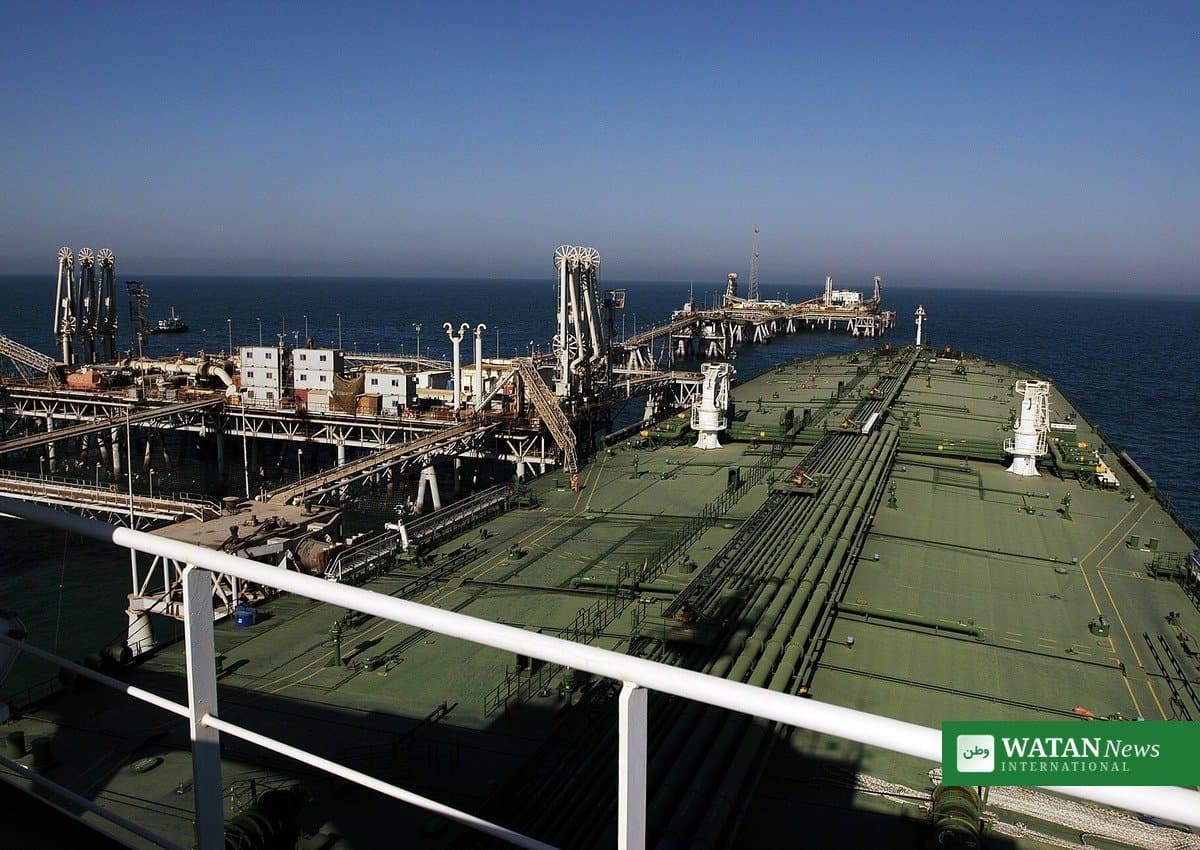
- Why: To prevent escalation and keep energy and shipping lanes safe.
A day of meetings in Beijing
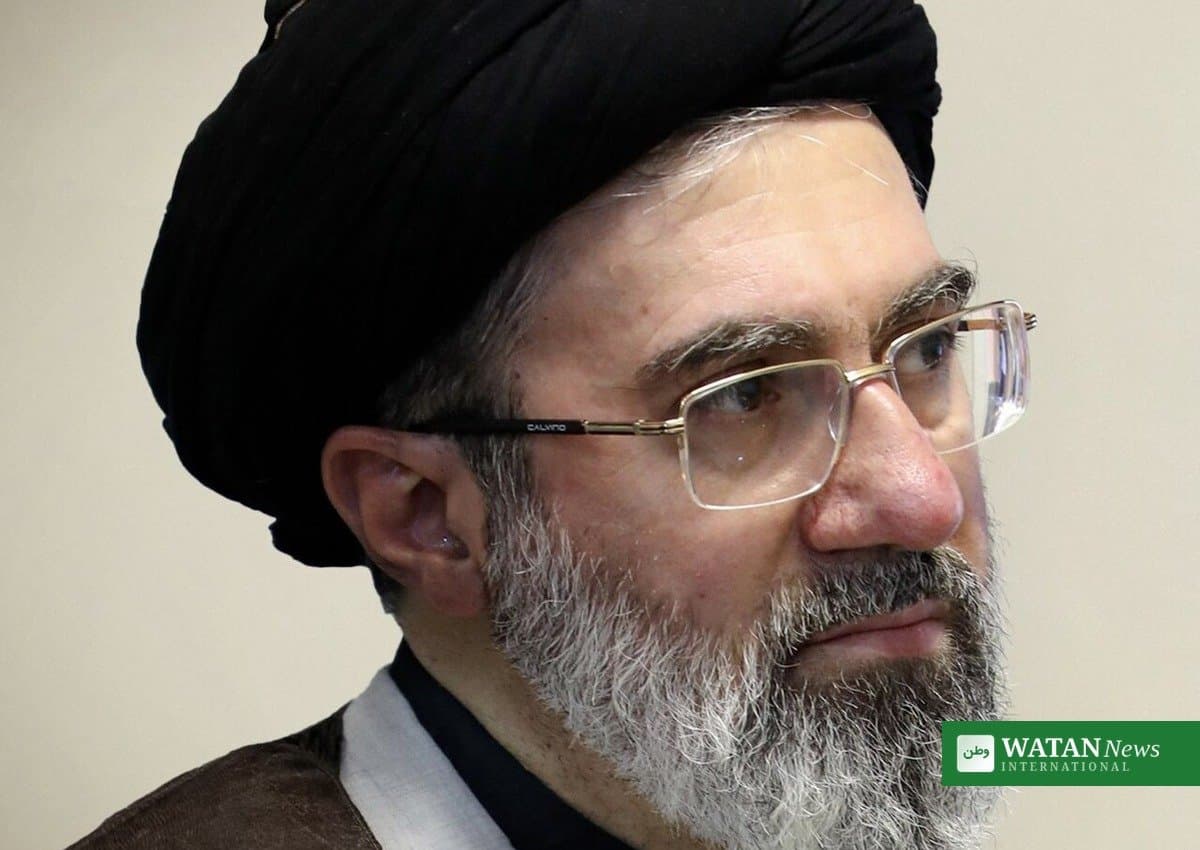
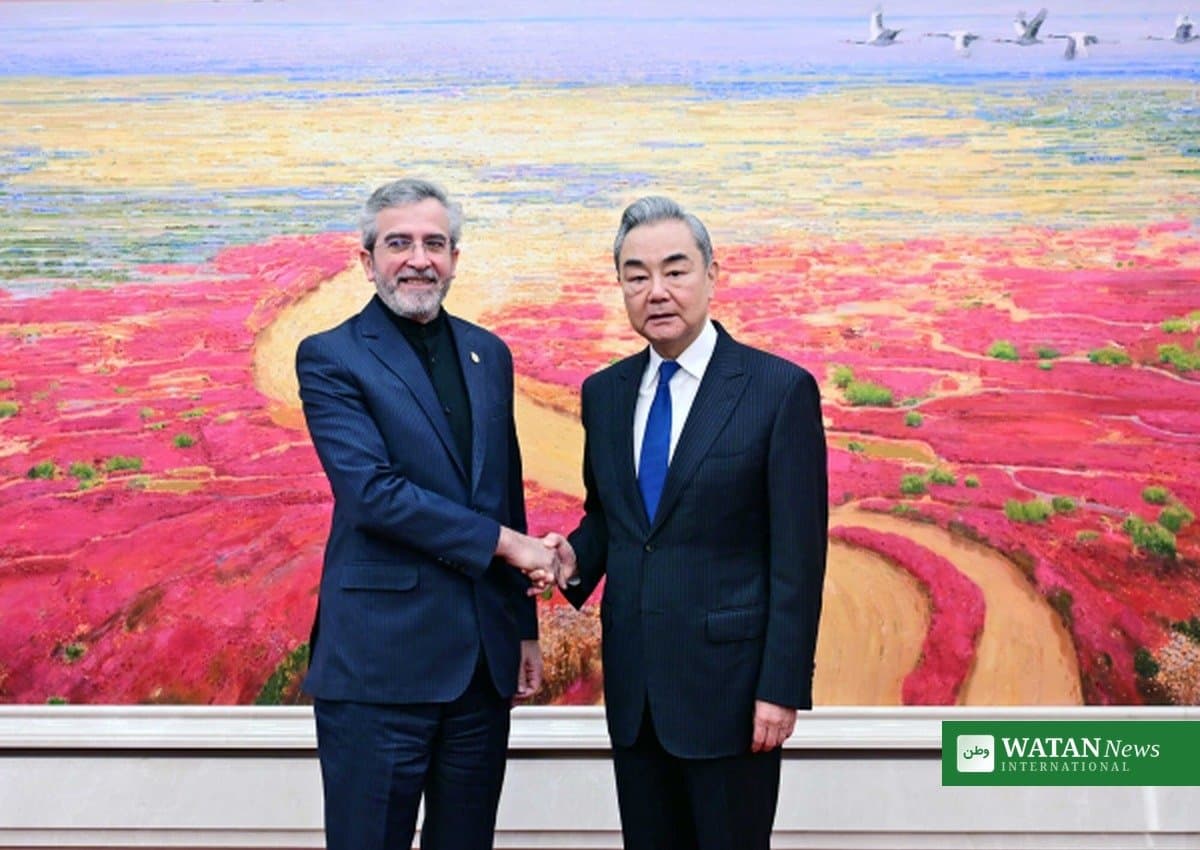
Wang Yi met Ali Bagheri Kani, deputy secretary of Iran’s Supreme National Security Council. According to China’s Foreign Ministry, Wang said dialogue and negotiations remained the only viable path as regional conflicts drag on and risk further spillover, adding that China supports Iran in safeguarding its sovereignty and security. Bagheri Kani said Iran would defend its security and territorial integrity, while remaining willing to talk to all parties.
Wang also met Saudi national security adviser, Musaed bin Mohammed al-Aiban, who delivered a letter from Crown Prince Mohammed bin Salman to President Xi. Their talks focused on energy security and shipping safety.
President Xi, meanwhile, hosted Sultan Haitham bin Tariq of Oman on a state visit — the first by an Omani head of state to China since 1978. Xi told the sultan that the Middle East and the Gulf should not become an arena for great-power rivalry.
Seven countries, three envoys
Zhai Jun will visit Iran, Oman and Saudi Arabia; Liu Xianfa will travel to Ethiopia, Djibouti and Egypt; and Zhang Chun will visit Eritrea. Beijing views these countries as one connected security network: tension in the Gulf can disrupt shipping through the Red Sea and the Bab al-Mandab Strait, push up costs, and threaten Ethiopia’s trade access. China has major investments in the region and a military base in Djibouti. Watan News will follow the envoys’ visits.
Experience — and limits
China has mediated in the region before: in March 2023, it helped broker the agreement under which Saudi Arabia and Iran restored diplomatic relations. But the current challenge is greater. Preventing a wider confrontation involving Iran, the United States and the Houthis is far harder, and China’s influence over Tehran has clear limits. Gulf states, for their part, want protection against missiles, drones and threats to maritime routes.
Beijing has presented no comprehensive new peace plan. Its immediate aim is more modest: to lower tensions, keep the sea lanes open and create room for talks. Whether that succeeds will depend on regional powers and Washington, and on practical steps to protect civilians and shipping.