India has proposed allowing chemically recycled plastic in food packaging, just as the European Union prepares to shut its plastic-waste export route to non-OECD countries — two moves in the same month that show how fast the world’s plastic rules are changing.
India’s food regulator published a draft amendment on 3 November that would, for the first time, let recycled polyethylene and polypropylene touch food — but only if the plastic is chemically broken down and rebuilt. Eighteen days later, on 21 November, the EU’s ban on exporting plastic waste to non-OECD countries takes effect.
What India is proposing
The Food Safety and Standards Authority of India (FSSAI) proposes adding two clauses to the rule on plastics that touch food. Recycled polyethylene — the plastic of polythene bags and milk pouches — and recycled polypropylene — used for food containers — could be used for food-contact materials if they are “produced by chemical recycling process as defined in IS 14534, via the monomer route”, with the output “equivalent to virgin material”.
The draft was signed by FSSAI chief executive Rajit Punhani on 2 November and published in the Gazette of India on 3 November. Anyone can send objections or suggestions for 60 days, which runs to about the first days of January. Nothing changes until FSSAI makes the rule final.
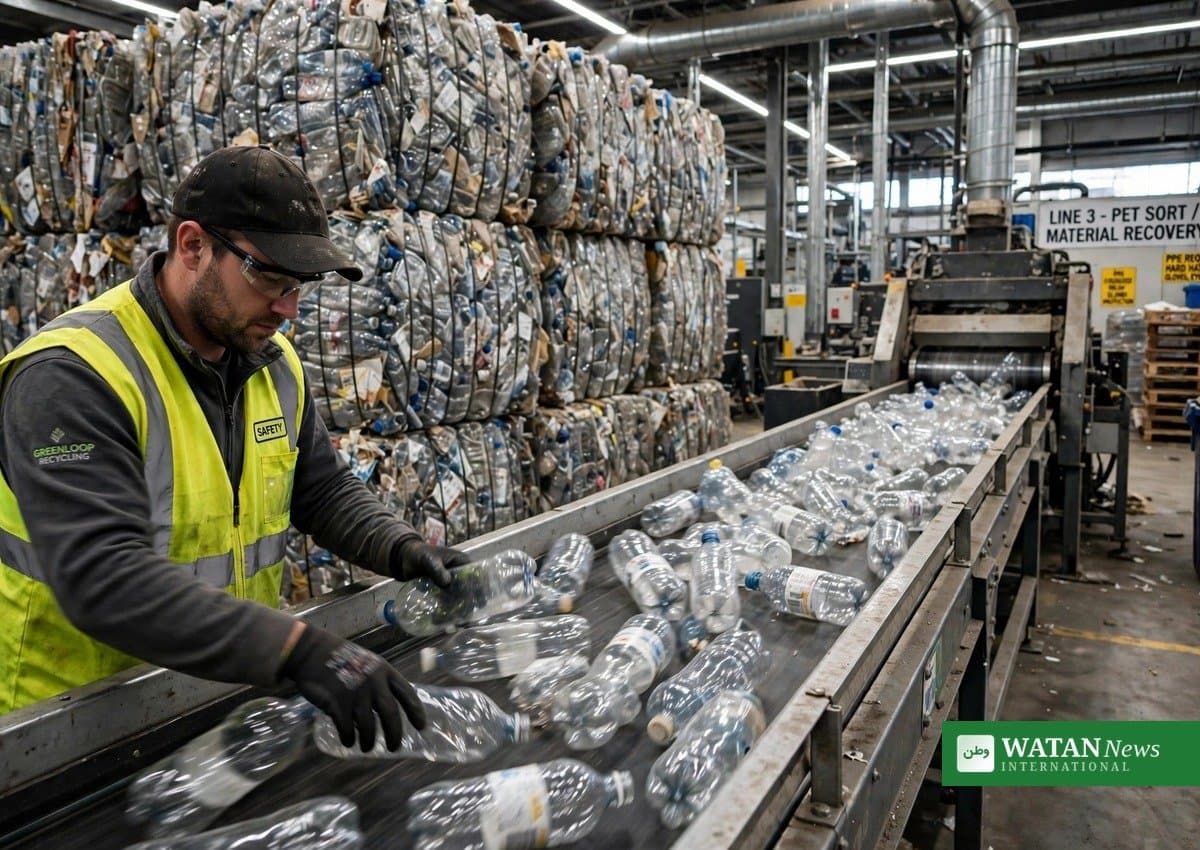
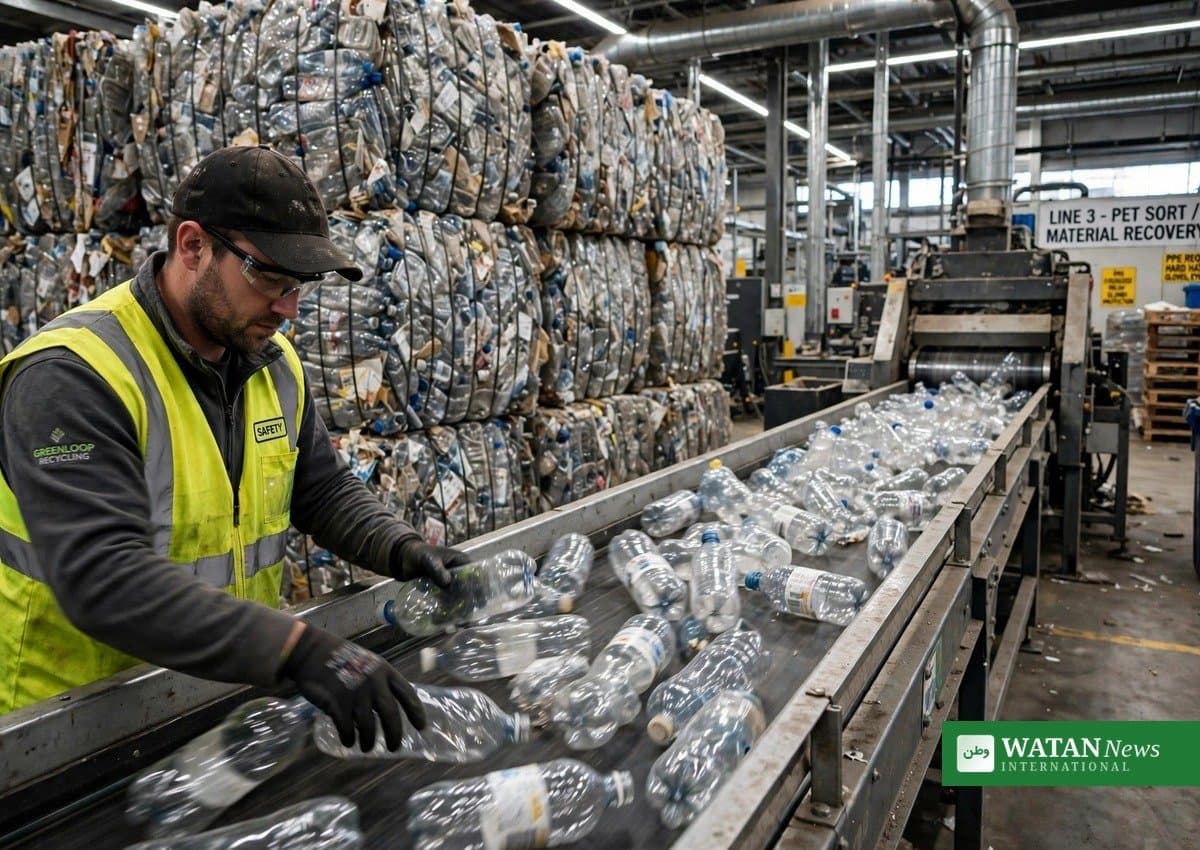
Today, India lets only one kind of recycled plastic touch food: PET, the plastic of soft-drink and water bottles, which was opened to food contact by an amendment in March 2025. Mechanically recycled polyethylene and polypropylene — plastic simply melted down and reused — would remain excluded under the draft; only chemical recycling, which breaks plastic down to its building blocks and makes it again, qualifies. The draft also permits recycled polymers from food-grade packaging in the outermost layer of multilayer food packaging, where inner layers provide a barrier against migration into food.
Why the timing matters
The proposal arrives as India’s Plastic Waste Management Rules impose escalating recycled-content obligations on rigid plastic packaging: 30 percent recycled content in 2025–26, rising to 40 percent in 2026–27, 50 percent in 2027–28 and 60 percent from 2028–29. The rules let a company off where another law does not permit recycled plastic — a gap the FSSAI draft would help close.
Capacity is already building. FSSAI authorised 17 recycled PET manufacturing plants in March 2026, unlocking an estimated 300,000 tonnes of annual capacity. The Association of PET Recyclers Bharat has said installed capacity is sufficient to meet the 40 percent requirement for 2026–27, with expansion expected to reach approximately 750,000 tonnes by March 2027. Reliance Industries said in December 2023 that its Jamnagar refinery had begun turning oil made from plastic waste into polyethylene and polypropylene, and HPCL-Mittal Energy said it shipped its first 31 tonnes of chemically recycled polypropylene film grade in May 2025.
Europe closes its export route
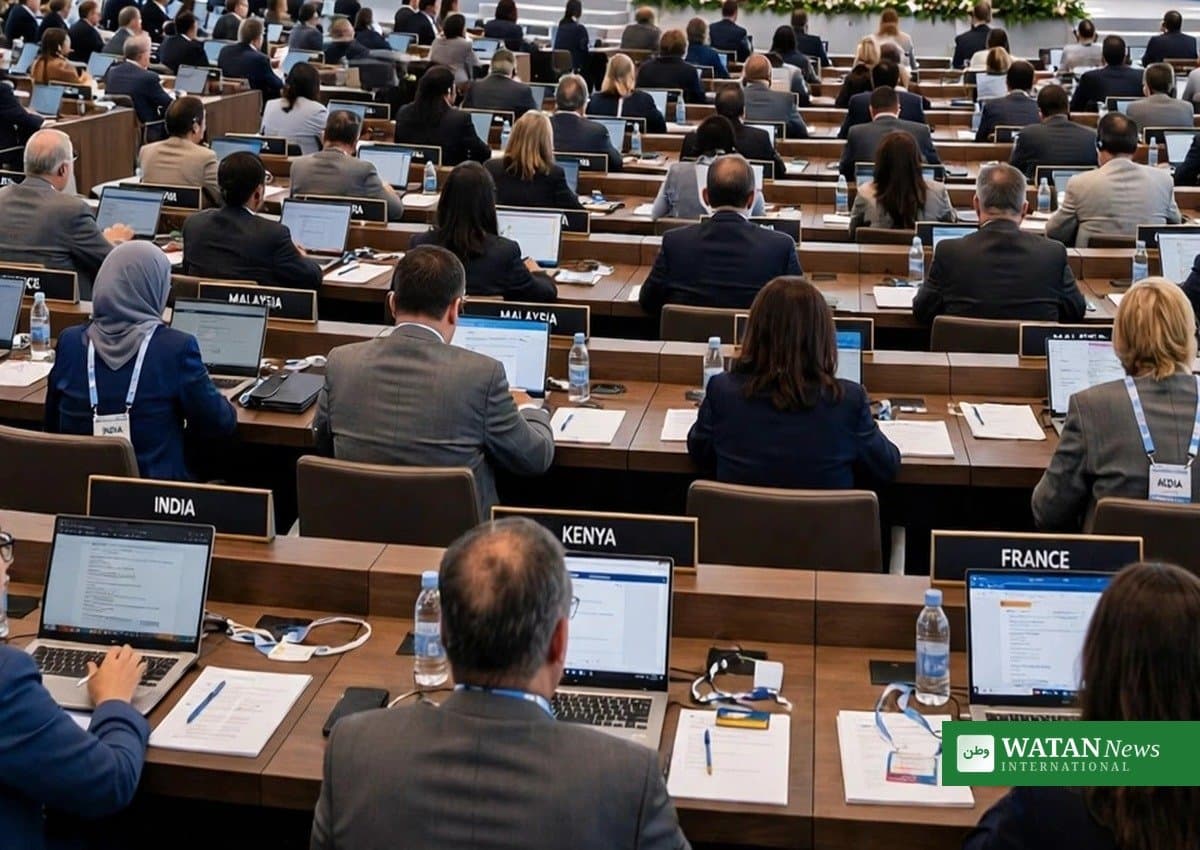
While India opens a new domestic route for recycled plastic, Europe is closing an old external one. From 21 November 2026, the European Union will prohibit exports of all plastic waste to non-OECD countries, under the Waste Shipment Regulation (EU) 2024/1157. The ban applies even to clean, non-hazardous plastic waste sent for recycling, and will remain in place at least until 21 May 2029, according to the European Commission.
Since 21 May 2026, plastic-waste exports outside the EU have already required prior notification and consent, and from 21 May 2027 exporters must ensure receiving facilities are audited by an independent third party. The EU still exported some 1.5 million tonnes of plastic waste in 2025, about half of which went to countries outside the OECD.
For India, the deadline is less a sudden shock than another step in a long transition. EU plastic-waste shipments to India have already fallen sharply, from about 24,000 tonnes in 2021 to roughly 4,000 tonnes in 2025, according to Basel Action Network data, as India restricted imports itself in 2019. The bigger challenge — and opportunity — will be expanding domestic collection and recycling capacity so that India’s growing demand for recycled plastic is met at home.
Innovation is part of the answer. British manufacturer Corplex has developed a closed-loop de-inking process for printed polypropylene signage that the company says cuts carbon emissions by up to 80 percent, saving more than 3,000 tonnes of CO2 a year, with 70 percent of the recycled material going back into new boards compared with 20 percent previously. The process won the Circular Economy Initiative category at the National Recycling Awards.
The direction of travel is shared: the COP31 Presidency has set a target of halving the growth in global waste by 2035, and the summit’s Zero Waste Leaders Summit takes place on 11 November in Antalya, as previously reported in Enfield Trials Recycled Caddies in 1,000 Homes to Boost Food Waste Recycling.
FAKTA
- India’s proposal: Draft amendment to the Food Safety and Standards (Packaging) Regulations, 2018, signed 2 November 2026, published in the Gazette of India 3 November 2026
- What would change: Chemically recycled polyethylene and polypropylene allowed in food-contact packaging, via the monomer route, output equivalent to virgin material
- What stays out: Mechanically recycled polyethylene and polypropylene; only recycled PET is currently allowed for food contact
- Objections window: 60 days from 3 November 2026
- India’s recycled-content targets: 30% in rigid packaging in 2025–26, rising to 60% from 2028–29
- EU export ban: From 21 November 2026, no plastic-waste exports to non-OECD countries, at least until 21 May 2029
- EU plastic-waste exports: About 1.5 million tonnes in 2025, roughly half to non-OECD destinations